


The Complete Guide to Non-Surgical Knee Pain Relief: Stem Cell Therapy Breakthroughs
Living with chronic joint degeneration often feels like a life sentence of limited mobility, constant reliance on painkillers, and the looming threat of invasive surgery. For millions suffering from osteoarthritis, the traditional medical approach eventually leads to the operating table. However, advanced regenerative medicine for knee pain is changing the trajectory of orthopedics.
In this powerful patient testimonial from Dr. Pravin Patel's Innovative Hospital & Research Center, you will witness firsthand how non-surgical stem cell therapy for knee osteoarthritis is restoring mobility. Watch to learn how cutting-edge orthobiologics can help you avoid knee replacement surgery and reclaim your active lifestyle.
Video Chapters & Quick Navigation
The Growing Epidemic of Chronic Knee Pain and Cartilage Loss
The human knee is a marvel of biological engineering, designed to bear massive amounts of weight while maintaining incredible flexibility. Unfortunately, this complex hinge joint is highly susceptible to wear and tear over decades of use. Conditions like osteoarthritis occur when the protective cartilage that cushions the ends of the bones gradually wears away.
As this vital shock-absorbing tissue degenerates, patients begin to experience a cascade of debilitating symptoms. The resulting bone-on-bone friction triggers severe inflammation, localized swelling, and excruciating pain during basic daily activities. Walking up a simple flight of stairs or bending down to pick up an object can suddenly feel like an insurmountable challenge.
Historically, the conventional medical response to this degeneration has been largely palliative rather than curative. Doctors typically prescribe non-steroidal anti-inflammatory drugs (NSAIDs) to mask the pain, followed by corticosteroid injections that can actually accelerate cartilage breakdown over time. When these temporary band-aids inevitably fail, patients are told that highly invasive joint replacement surgery is their only remaining option.
The Hidden Dangers of Prolonged NSAID Usage
Many patients rely heavily on over-the-counter and prescription pain medications just to get through their daily routines. While these pharmaceuticals offer brief windows of relief, long-term reliance carries significant, often understated medical risks. Chronic use of NSAIDs has been definitively linked to severe gastrointestinal bleeding, elevated blood pressure, and an increased risk of cardiovascular events.
Furthermore, pain medications do absolutely nothing to address the root mechanical cause of the knee pain. They merely block the pain signals traveling to the brain while the joint continues to degrade in the background. This creates a dangerous false sense of security, allowing patients to further damage their compromised joints while masking the body's natural warning signals.
Understanding Stem Cell Therapy for Knee Osteoarthritis
At the very forefront of regenerative medicine for knee pain lies the application of mesenchymal stem cells (MSCs). Unlike highly specialized cells that have a single function, stem cells act as the body's foundational master cells. They possess the unique, remarkable ability to self-renew and differentiate into various types of tissue, including bone, muscle, tendon, and critically, cartilage.
When injected directly into a damaged knee joint, these powerful orthobiologics initiate a complex biological healing cascade. As discussed at in the testimonial video, stem cell therapy does not just manage the symptoms of osteoarthritis. Instead, it actively works to alter the hostile, inflammatory microenvironment inside the joint capsule.
The science behind stem cell therapy for joint regeneration relies heavily on what is known as the "paracrine effect." The introduced stem cells secrete massive amounts of growth factors, cytokines, and exosomes into the surrounding synovial fluid. These cellular signals instruct the patient's existing, dormant cells to wake up and begin repairing damaged tissue while simultaneously suppressing chronic inflammation.
Autologous vs. Allogeneic Stem Cell Sources
In the field of orthobiologics, there are primary pathways for sourcing the regenerative cells used in these injections. Autologous stem cell treatments utilize the patient's own biological material, typically harvested from their bone marrow (bone marrow aspirate concentrate) or adipose (fat) tissue. This approach guarantees complete biocompatibility since the cells are derived directly from the individual's own body.
Conversely, allogeneic treatments utilize ethically sourced, rigorously screened cells from healthy donors, such as Wharton's Jelly derived from umbilical cord tissue. These donor cells are highly prized in regenerative medicine because they are incredibly robust, youthful, and capable of rapid replication. Experienced clinics often evaluate a patient's age, overall health, and specific joint pathology to determine which cellular source will yield the highest probability of successful cartilage regeneration.
The Risks and Drawbacks of Traditional Knee Replacement Surgery
Total knee arthroplasty (TKA), commonly known as a full knee replacement, is one of the most frequently performed orthopedic surgeries in the world. However, the sheer volume of these procedures often masks the intense physical trauma and significant medical risks involved. Avoiding knee replacement surgery is a primary motivation for patients exploring regenerative medicine alternatives.
During a traditional knee replacement, the surgeon literally saws off the ends of the femur and tibia, removing both the damaged cartilage and a significant amount of healthy bone. They then hammer metallic implants into the bone marrow cavity and insert a heavy-duty plastic spacer to act as the new joint surface. This highly invasive amputation of the joint surface requires deep general anesthesia and exposes the patient to substantial risks.
The complications associated with knee replacement are well-documented in medical literature. Patients face the threat of deep vein thrombosis (blood clots), severe hospital-acquired infections, and implant rejection or failure. Even in successful surgeries, the prosthetic joint has a finite lifespan, often requiring a complex and dangerous "revision surgery" 10 to 15 years down the line.
The Grueling Rehabilitation Process
Beyond the surgical risks, the post-operative recovery period for a knee replacement is notoriously agonizing. Patients typically spend months engaged in painful physical therapy just to regain basic range of motion. Scar tissue formation inside the joint can permanently limit flexibility, leaving many patients feeling stiff and unnatural when they walk.
Furthermore, the financial burden of surgery extends far beyond the hospital bill. The extensive downtime means months away from work, lost wages, and the added expense of in-home care or specialized physical rehabilitation facilities. When calculating the true cost of knee surgery, the loss of time and quality of life must be heavily factored into the equation.
| Feature | Stem Cell Therapy | Knee Replacement Surgery |
|---|---|---|
| Invasiveness | Minimally invasive injection | Major surgical bone amputation |
| Anesthesia | Local anesthetic only | General or spinal anesthesia |
| Recovery Time | Days to a few weeks of rest | 3 to 6 months of intense rehab |
| Tissue Preservation | Retains natural joint anatomy | Destroys natural joint forever |
| Risk of Infection | Extremely low | Moderate to high risk |
Inside Dr. Pravin Patel's Innovative Hospital & Research Center
Finding a highly qualified medical professional is the single most critical factor when exploring regenerative medicine for knee joint pain. Dr. Pravin Patel’s Innovative Hospital & Research Center has emerged as a premier destination for patients seeking advanced, evidence-based orthobiologic treatments. The facility is renowned for bridging the gap between cutting-edge scientific research and practical, patient-centered clinical application.
At the Innovative Hospital, the approach to joint regeneration is entirely bespoke. They recognize that no two cases of osteoarthritis are biologically identical. Upon arrival, patients undergo highly sophisticated diagnostic imaging, including high-resolution MRI and advanced ultrasound mapping, to pinpoint the exact location and severity of the cartilage degradation.
This precision-guided philosophy extends directly to the treatment room. Instead of performing "blind injections," the medical team utilizes live fluoroscopy or ultrasound guidance. As noted at , this ensures that the regenerative biologics are delivered with pinpoint accuracy directly into the damaged tissue matrices, maximizing the potential for cellular engraftment and healing.
A Commitment to Stringent Medical Protocols
What separates a premier research hospital from an average clinic is the rigorous adherence to laboratory and sterilization protocols. Dr. Pravin Patel's facility operates state-of-the-art clean rooms where biological samples are processed under the strictest safety standards. This eliminates the risk of contamination and ensures the maximum viability and cell count of the biologic payload.
Furthermore, the clinic places a massive emphasis on comprehensive patient education. Before any procedure is scheduled, the medical staff spends hours detailing the science of stem cell therapy for knee osteoarthritis. Patients are fully informed about realistic outcomes, the biological timeline of tissue repair, and the vital role they must play in their own post-procedure recovery.
The Patient Testimonial: A Journey from Severe Knee Pain to Mobility
The patient journey featured in this video serves as a powerful testament to the efficacy of regenerative orthopedics. At , the patient vividly describes the profound physical limitations and emotional toll that chronic knee pain had inflicted upon their life. Simple acts, such as walking through a grocery store or playing with grandchildren, had become agonizing ordeals that required constant pain medication.
Faced with the daunting prospect of a bilateral knee replacement, the patient began aggressively researching alternative, non-surgical interventions. This search ultimately led them to Dr. Pravin Patel Innovative Hospital reviews, where countless stories of successful joint regeneration sparked a renewed sense of hope. The decision to pursue mesenchymal stem cell injections for joint regeneration was driven by a deep desire to preserve their natural anatomy.
The turning point in the testimonial occurs when the patient details their rapid functional improvement. Within months of the targeted injection, the crippling, sharp pain that had defined their daily existence began to dissipate. By the time of the interview recording, they report a massive restoration in joint mobility, a dramatic reduction in localized swelling, and the triumphant return to a fully active, pain-free lifestyle without the need for prosthetic implants.
How Long Does It Take for Stem Cell Therapy to Work on Knees?
A common misconception regarding orthobiologics is that they provide the instant, numbing relief of a cortisone shot. In reality, regenerative medicine is a complex biological process that requires patience. Because stem cell therapy relies on physically regrowing tissue and altering the joint's internal environment, the timeline for healing unfolds over several distinct phases.
During the first one to four weeks post-injection, the primary action inside the joint is immunomodulation. The introduced stem cells begin actively down-regulating the toxic, chronic inflammation that has been destroying the joint. Patients often notice a subtle decrease in swelling and a reduction in deep, aching pain during this initial phase, though the structural repair is just beginning.
The true regenerative heavy lifting occurs between weeks four and twelve. During this window, the paracrine signaling is at its peak, coaxing local chondrocytes (cartilage cells) to multiply and produce new collagen matrices. By months three through six, as highlighted at , patients typically experience their most dramatic improvements in load-bearing capacity, joint stability, and overall mechanical function.
The Cost of Knee Stem Cell Therapy vs. The Financial Burden of Surgery
When evaluating the cost of stem cell therapy for knees, it is vital to perform a comprehensive financial comparison against traditional surgery. Because stem cell treatments are often considered elective or experimental by traditional insurance providers, patients typically pay out-of-pocket. This upfront cost can initially cause hesitation for those accustomed to the traditional insurance model.
However, when you factor in the massive hidden costs of knee replacement surgery, orthobiologics frequently emerge as the more economical option. Surgery requires hospital facility fees, anesthesiologist bills, expensive post-operative medical equipment, and months of costly copays for physical therapy. When combined with the financial loss of prolonged work absence, the minimally invasive nature of a stem cell injection represents a remarkably efficient investment in one's long-term health.
Are You a Candidate for Regenerative Medicine for Knee Joint Pain?
While stem cell therapy is a revolutionary medical advancement, it is not a magical cure-all for every single orthopedic condition. Proper patient selection is absolutely vital for achieving successful outcomes. The ideal candidate for regenerative medicine is typically someone suffering from mild to moderate osteoarthritis, partial ligament tears, or chronic tendonitis.
Patients who have reached the absolute end-stage of osteoarthritis—where the joint is completely fused or the bone architecture has severely collapsed—may no longer be viable candidates for orthobiologics. In these severe "bone-on-bone" cases with significant mechanical deformity, the regenerative cells simply do not have enough remaining biological scaffolding to initiate meaningful tissue repair.
Additionally, lifestyle factors play a crucial role in candidacy. Smoking severely constricts blood vessels and impedes the delivery of oxygen and vital nutrients to the healing joint, drastically reducing the efficacy of stem cell treatments. Doctors at the Innovative Hospital heavily screen for these factors to ensure that only patients with a high probability of success are approved for the procedure.
Preparing for Your Stem Cell Procedure
To maximize the biological potential of the stem cell injection, patients are required to optimize their bodily environment prior to the procedure. This preparation phase is just as important as the injection itself. Patients are universally instructed to immediately halt all use of NSAIDs (like Ibuprofen or Aleve) at least two weeks before their treatment date.
Because NSAIDs are specifically designed to block the inflammatory pathways, they will actively disrupt the acute, necessary inflammatory response that stem cells use to trigger the healing cascade. Patients are also encouraged to adopt an anti-inflammatory diet rich in omega-3 fatty acids, leafy greens, and lean proteins to prime their immune system for optimal cellular regeneration.
Post-Procedure Care and Rehabilitation for Optimal Joint Healing
The success of regenerative medicine for knee pain does not end when the patient leaves the clinic. The post-procedure rehabilitation protocol is a critical component of the healing journey. In the immediate days following the injection, patients may experience a temporary increase in joint stiffness and localized soreness, which is a positive indicator that the regenerative cells are actively engaging with the damaged tissue.
During this initial acute phase, patients are advised to rest the joint and avoid high-impact activities. However, prolonged immobility is heavily discouraged. Gentle, passive range-of-motion exercises are introduced early on to help circulate the synovial fluid and distribute the healing growth factors evenly throughout the joint capsule.
As the weeks progress, patients are transitioned into a highly specialized, low-impact physical therapy regimen. The goal here is not to aggressively build muscle, but rather to correct underlying biomechanical imbalances that may have contributed to the cartilage wear in the first place. Strengthening the quadriceps, hamstrings, and glutes helps offload pressure from the newly regenerating knee joint, ensuring that the results of the stem cell therapy are protected for years to come.
Ready to Defeat Knee Pain Without Surgery?
Stop letting chronic osteoarthritis dictate your life. Connect with world-class regenerative medicine specialists and discover if cutting-edge stem cell therapy can help you avoid knee replacement surgery. Take the first step toward reclaiming your active, pain-free lifestyle today.
REQUEST YOUR FREE CONSULTATION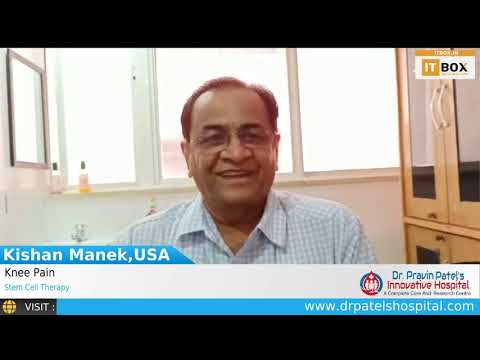






















Share this listing