


The Complete Guide to Stem Cell Treatments for Multiple Sclerosis in India: Protocols, Costs, and Care
Living with a progressive neurological condition can feel like an unending battle, but stem cell treatments for multiple sclerosis in India are offering a revolutionary beacon of hope. For years, patients facing the debilitating physical and cognitive decline associated with Multiple Sclerosis (MS) had limited, often exorbitant options that primarily managed symptoms rather than halting disease progression.
Today, groundbreaking advancements in regenerative medicine, specifically Hematopoietic Stem Cell Transplantation (HSCT), are fundamentally changing the narrative. International patients are discovering that the Indian medical landscape provides world-class, globally accredited neurological care at a fraction of Western costs. Watch to see how cutting-edge science and renowned medical expertise converge to restore quality of life for MS warriors.
Video Chapters & Quick Navigation
When searching for a sustainable response to debilitating autoimmune diseases, patients frequently encounter a landscape filled with lifelong dependency on immunosuppressive medications. These traditional therapies often come with severe side effects and staggering recurring financial burdens.
However, the global medical community has shifted its focus toward regenerative medicine for neurological disorders. At in our detailed video breakdown, experts highlight how an expanding number of medical tourists from the United States, Canada, the UK, and Australia are turning to specialized clinics in India. They are seeking therapies designed not just to mask symptoms, but to halt the progression of the disease entirely.
Understanding the Biological Burden of Multiple Sclerosis
Multiple Sclerosis is a chronic, unpredictable disease of the central nervous system that disrupts the flow of information within the brain, and between the brain and body. To truly appreciate the power of stem cell treatments, it is crucial to understand the biological mechanism of the illness itself.
The Autoimmune Attack on Myelin
In a healthy human body, the immune system defends against external threats like viruses and bacteria. In a patient with MS, the immune system severely malfunctions, mistaking the body's own myelin sheath for a foreign invader. Myelin is the protective fatty substance that coats nerve fibers, similar to the insulation on an electrical wire.
When this myelin is destroyed, a process known as demyelination, the electrical impulses traveling along the nerves slow down or stop entirely. This destruction results in the wide array of physical symptoms patients experience, including chronic fatigue, severe mobility loss, vision impairment, and debilitating muscle spasms.
The Limitations of Disease-Modifying Therapies (DMTs)
Historically, the standard of care for treating multiple sclerosis has relied heavily on Disease-Modifying Therapies (DMTs). While these pharmaceutical interventions can reduce the frequency of relapses, they are not a cure. Furthermore, they require ongoing, lifelong administration.
Over time, many patients experience diminishing returns with DMTs, while continuing to endure intense side effects. This frustrating plateau in conventional care drives the urgent search for highly effective alternative MS treatments globally, paving the way for the adoption of hematopoietic stem cell transplantation for MS.
The Science of Stem Cell Therapy for Multiple Sclerosis
Stem cell therapy is frequently misunderstood as a singular, uniform treatment. In reality, regenerative medicine encompasses several distinct protocols. For multiple sclerosis, the most scientifically validated and internationally recognized approach is Autologous Hematopoietic Stem Cell Transplantation (aHSCT).
How Hematopoietic Stem Cell Transplantation Works
As detailed at in the video, HSCT is essentially an intensive "reboot" of the body's faulty immune system. The objective is completely different from conventional medication. Instead of suppressing the immune system, HSCT aims to entirely eradicate the malfunctioning immune cells and generate a brand-new, healthy immune system that no longer attacks the central nervous system.
The term "autologous" means that the stem cells used in the procedure are harvested directly from the patient's own body. This drastically reduces the risk of rejection or severe graft-versus-host disease, which is a common complication when using donor cells. By utilizing the patient's own biological material, the safety profile of the procedure is significantly enhanced.
Mesenchymal Stem Cell Therapy (MSCT) Alternatives
While HSCT is the gold standard for halting disease progression, some clinics also offer Mesenchymal Stem Cell Therapy (MSCT). Mesenchymal cells are typically derived from bone marrow, adipose (fat) tissue, or umbilical cord tissue.
These specialized cells are known for their powerful anti-inflammatory properties and their potential to promote neuroprotection. While MSCT is generally considered less intensive than HSCT and does not require harsh chemotherapy conditioning, its primary goal is symptom management and reducing localized inflammation rather than a permanent immune system reset.
Why India is Emerging as a Global Hub for MS Treatment
The decision to travel internationally for a complex medical procedure is never taken lightly. However, India has rapidly ascended as one of the premier destinations for medical tourism globally. The influx of international patients seeking stem cell treatments for multiple sclerosis in India is driven by several compelling factors.
Exceptional Medical Expertise and Training
The leading neurologists, hematologists, and transplant surgeons in India are among the most highly educated in the world. It is a standard practice for top-tier Indian specialists to complete advanced fellowships and gain extensive clinical experience in the United States, the United Kingdom, or Germany.
This global exposure ensures that the medical professionals executing the HSCT protocol in India are utilizing the exact same sophisticated techniques and strict safety standards found in elite Western medical institutions. They bring this rigorous international training back to Indian hospitals, elevating the standard of care.
Absence of Restrictive Medical Bureaucracy
In many Western countries, accessing HSCT for multiple sclerosis is hindered by stringent clinical trial requirements and bureaucratic red tape. Patients often have to wait years, or must prove that they have failed multiple rounds of aggressive conventional therapies before insurance companies will even consider covering stem cell treatments.
India’s regulatory framework for regenerative medicine, while strictly governed by bodies like the Indian Council of Medical Research (ICMR), allows for a more streamlined access process for eligible international patients. This means patients can access life-altering treatments much earlier in their disease progression, which is vital for long-term success.
The Step-by-Step HSCT Protocol for International Patients
Understanding the exact timeline and physical demands of the treatment is essential for prospective patients. The HSCT process in leading Indian medical centers is highly structured and typically spans over four to six weeks.
Phase 1: Mobilization and Harvesting
The journey begins with comprehensive pre-treatment health evaluations to ensure the patient's major organs can withstand the procedure. Following clearance, the patient receives specialized injections designed to stimulate the bone marrow.
These injections force the bone marrow to produce an abundance of stem cells and release them into the bloodstream. Once the stem cell count in the blood reaches an optimal level, doctors perform apheresis. This is a painless procedure where blood is drawn, the stem cells are meticulously filtered and frozen for preservation, and the remaining blood is returned to the patient.
Phase 2: The Conditioning Regimen
This is widely considered the most physically taxing phase of the treatment, discussed at length at . The patient is admitted to a highly sterile, HEPA-filtered isolation room. Over the course of several days, the patient is administered a targeted course of chemotherapy.
The sole purpose of this chemotherapy is not to treat cancer, but to completely ablate, or destroy, the existing malfunctioning immune system that has been attacking the central nervous system. This phase effectively wipes the biological slate clean.
Phase 3: Stem Cell Infusion and Engraftment
Once the chemotherapy has cleared the body, the patient's previously harvested and frozen stem cells are thawed and infused back into their bloodstream intravenously. This process resembles a standard blood transfusion.
These naive, newly introduced stem cells then migrate back into the bone marrow in a process called engraftment. Over the next two to three weeks, they begin to mature and multiply, building a completely new, healthy immune system that has no memory of the multiple sclerosis autoimmune response.
Evaluating Patient Candidacy: Who Benefits Most?
It is vital to recognize that HSCT is not universally effective for every stage of multiple sclerosis. Strict patient selection is one of the primary drivers of the high HSCT success rates for multiple sclerosis observed in reputable Indian hospitals.
- Relapsing-Remitting MS (RRMS): Patients with this highly active, inflammatory phase of the disease typically see the most dramatic positive outcomes. HSCT can effectively halt the relentless cycle of relapses.
- Secondary Progressive MS (SPMS): Candidacy is often evaluated on a case-by-case basis. Patients who still exhibit active inflammation (visible on an MRI) tend to benefit more than those whose disease has shifted purely to neurodegeneration.
- Primary Progressive MS (PPMS): Unfortunately, because this variant is driven less by acute inflammation and more by gradual nerve death, HSCT is generally considered less effective, and many top clinics will decline to treat PPMS patients to avoid unnecessary risks.
Shattering the Price Barrier: Global Cost Comparison
The primary catalyst driving medical tourism to India is the undeniable financial advantage. In the United States, patients who manage to secure an out-of-pocket HSCT procedure often face bills exceeding $100,000 to $150,000.
In stark contrast, the HSCT for multiple sclerosis cost in India ranges from $25,000 to $35,000. This dramatic price reduction does not equate to a compromise in safety or quality. The affordability is rooted in India's lower cost of living, favorable exchange rates, and lower administrative overhead costs within the healthcare system.
| Country / Region | Average HSCT Cost (USD) | Typical Wait Time |
|---|---|---|
| United States | $100,000 - $150,000+ | 1 to 3 Years (Strict trial criteria) |
| United Kingdom | $85,000 - $110,000 | 2+ Years (NHS Approval Rare) |
| Mexico / Russia | $50,000 - $65,000 | 3 to 6 Months |
| India | $25,000 - $35,000 | 4 to 8 Weeks |
These comprehensive packages in India typically include the complete medical procedure, hospital stays in premium isolation suites, daily nursing care, pre-treatment diagnostics, and all necessary medications during the admission period.
Navigating India's Elite Medical Infrastructure
India’s healthcare sector is vast, but international patients are directed specifically toward ultra-modern, globally accredited institutions. High-volume multiple sclerosis treatment centers in New Delhi, Mumbai, and Bangalore boast accreditations from the Joint Commission International (JCI) and the National Accreditation Board for Hospitals & Healthcare Providers (NABH).
State-of-the-Art Isolation Wards
Because the HSCT procedure intentionally eliminates the patient’s immune system, the risk of external infection is the highest concern. To mitigate this, top Indian hospitals utilize dedicated Bone Marrow Transplant (BMT) units.
These units feature positive pressure rooms equipped with high-efficiency particulate air (HEPA) filtration systems. This advanced architectural engineering ensures that airborne pathogens cannot enter the patient's room, providing a safe sanctuary during the critical neutropenic phase of recovery.
Overcoming the Language Barrier
A common apprehension for medical tourists is the potential for miscommunication regarding their health. Fortunately, English is the primary language of medical instruction and professional documentation throughout India.
From the leading neurosurgeons to the dedicated nursing staff, patients will find that comprehensive medical consultations, consent forms, and daily care instructions are all delivered fluently in English, ensuring complete clarity and peace of mind.
The Reality of Post-Transplant Recovery
At , medical experts emphasize that while the procedure itself is completed within weeks, true biological recovery requires immense patience. Discharging from the hospital is only the first major milestone in the HSCT journey.
The First 100 Days
The first three months post-transplant are universally recognized as the critical recovery window. During this time, the patient's new immune system is entirely naive, much like that of a newborn infant. Strict hygiene protocols, dietary restrictions avoiding raw or unpasteurized foods, and avoidance of crowded public spaces are mandatory to prevent opportunistic infections.
Long-Term Healing and Rehabilitation
It is important to set realistic expectations. HSCT is fundamentally designed to stop future damage to the central nervous system. It is not guaranteed to reverse existing severe neurological deficits, though many patients do report significant improvements in energy levels, mobility, and cognitive clarity over time.
Following a return to their home country, patients must engage in continuous, dedicated physical therapy and neurological rehabilitation. Reputable Indian hospitals provide extensive post-discharge guidelines and often schedule regular virtual follow-up consultations to monitor blood counts and overall progress.
Preparation and Travel Logistics for Medical Tourists
Embarking on a journey for the best regenerative medicine for neurological disorders requires meticulous logistical planning. Medical tourism facilitators play a crucial role in removing the stress of international travel coordination.
Patients are required to apply for a specific Medical Visa, which the destination hospital supports by issuing official invitation letters. Furthermore, because of the intensive nature of the treatment, hospitals mandate that the patient travels with a dedicated caregiver—usually a spouse, family member, or close friend—who can provide emotional support and assist with daily needs once the patient is discharged to a local recovery apartment.
Take the First Step Toward Halting MS Today
PlacidWay connects you directly with globally accredited medical centers in India offering safe, affordable, and revolutionary HSCT treatments for Multiple Sclerosis. Do not let costs dictate your quality of life.
GET A FREE QUOTE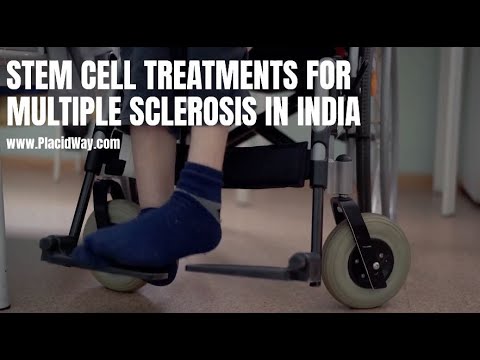


-Package-in-India-by-Dr.-Pravin-Patel.jpg)

.png)
.png)
.png)
.png)


Share this listing