


The Complete Guide to Mini-Gastric Bypass Surgery: Insights from a Live Testimonial with Dr. Islam Abdelkhalek
Are you struggling with severe obesity and weight-related health conditions that diet and exercise alone cannot resolve? A live testimonial of a mini-gastric bypass performed by the esteemed Dr. Islam Abdelkhalek offers profound insights into this life-changing medical intervention. This revolutionary bariatric surgery in Egypt is transforming lives by providing a highly effective, safe, and sustainable path to substantial weight loss.
For individuals facing the daunting physical and emotional burdens of excess weight, understanding the real-world impact of bariatric surgery is crucial. Watching a live patient experience demystifies the surgical process and highlights the unparalleled expertise of leading surgeons. Dive into this comprehensive guide to understand how the laparoscopic mini-gastric bypass procedure works, what recovery entails, and why countless international patients are choosing Egypt for their medical journey.
Video Chapters & Quick Navigation
Understanding the Mini-Gastric Bypass Procedure
The mini-gastric bypass (MGB) represents a significant evolution in the field of bariatric surgery. Designed to be a less invasive alternative to the traditional Roux-en-Y gastric bypass, this procedure combines the principles of restriction and malabsorption to achieve rapid and sustained weight loss. By altering the anatomy of the digestive tract, surgeons can effectively reset a patient's metabolic baseline.
During the procedure, the surgeon creates a narrow, tube-like pouch from the upper part of the stomach. This restrictive component ensures that the patient feels full after consuming only a small amount of food. Simultaneously, a portion of the small intestine is bypassed, creating a malabsorptive effect that reduces the number of calories and nutrients the body absorbs. This dual-action mechanism makes the mini-gastric bypass incredibly powerful for patients suffering from severe obesity.
Unlike the traditional bypass, which requires two separate connections (anastomoses) in the intestines, the mini-gastric bypass requires only one. This streamlined approach significantly reduces operating time and minimizes the risk of intraoperative complications. As discussed at in the video, this translates to less time under anesthesia and a much faster recovery timeline for the patient.
The Unmatched Expertise of Dr. Islam Abdelkhalek
When considering any form of life-altering surgery, the skill and experience of the operating physician are paramount. Dr. Islam Abdelkhalek has established himself as a premier bariatric surgeon, recognized internationally for his precision, high success rates, and compassionate patient care. His approach to weight loss surgery goes far beyond the operating table; he emphasizes comprehensive, holistic care that addresses both the physical and psychological aspects of obesity.
Dr. Abdelkhalek utilizes advanced laparoscopic techniques to perform the mini-gastric bypass. This minimally invasive approach relies on small incisions, specialized surgical instruments, and high-definition cameras to navigate the abdominal cavity with microscopic precision. Because the abdominal wall muscles are not severed, patients experience drastically reduced post-operative pain, minimal scarring, and a much lower risk of incisional hernias.
Patients who travel to Egypt for bariatric surgery under Dr. Abdelkhalek's care often highlight his meticulous pre-operative planning and rigorous follow-up protocols. His dedication to patient safety is evident in every step of the process, ensuring that each individual is physiologically and mentally prepared for the drastic lifestyle changes that accompany a mini-gastric bypass.
Decoding the Live Testimonial: A Journey of Transformation
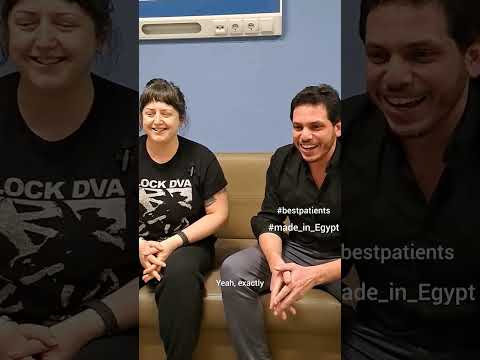
Medical statistics and anatomical explanations are important, but nothing resonates quite like the raw, unfiltered experience of a real patient. In the live testimonial video, we witness firsthand the emotional and physical transformation that follows a successful mini-gastric bypass. At , the patient opens up about the exhausting reality of living with severe obesity prior to the intervention.
Many bariatric patients share a common history of failed diet attempts, debilitating joint pain, and profound social anxiety related to their weight. The testimonial highlights the psychological burden of obesity—a chronic disease that is often misunderstood by society as a simple lack of willpower. Hearing the patient articulate their pre-surgery struggles validates the experiences of thousands of viewers who are quietly fighting the same battle.
The turning point of the video occurs at , where the patient discusses their immediate post-operative experience. Contrary to common fears regarding surgical agony, the patient emphasizes the surprisingly manageable level of discomfort and the rapid return to mobility. This testament to Dr. Abdelkhalek's surgical finesse provides immense comfort to prospective patients who may be hesitating due to fear of the operation itself.
The Hidden Magic: Hormonal and Metabolic Shifts
While the physical restriction of the stomach pouch is obvious, the true magic of the mini-gastric bypass lies in its profound impact on the body's endocrinology. Obesity fundamentally alters how the brain and gut communicate, often creating a state of chronic hormonal imbalance that drives insatiable hunger and promotes fat storage. Bariatric surgery forcefully interrupts this vicious cycle.
By bypassing a portion of the stomach and the upper intestine, the surgery dramatically reduces the production of ghrelin, commonly known as the "hunger hormone." Patients routinely report a complete loss of physical appetite in the months following surgery. Simultaneously, the rapid delivery of food to the lower intestine stimulates the massive release of GLP-1 and PYY—hormones that signal profound satiety and satisfaction to the brain.
Furthermore, these hormonal shifts occur almost immediately after surgery, often before significant weight loss has even begun. This rapid metabolic reset is the primary reason why patients with metabolic syndrome see such rapid improvements in their overall health markers. The surgery doesn't just force you to eat less; it fundamentally rewires your biological drive to consume calories.
Bariatric Surgery Comparison
| Feature | Mini-Gastric Bypass | Traditional Roux-en-Y | Gastric Sleeve |
|---|---|---|---|
| Surgical Connections | One anastomosis | Two anastomoses | None (stomach removal only) |
| Operating Time | Shorter (approx. 1-1.5 hours) | Longer (approx. 2-3 hours) | Short (approx. 1 hour) |
| Malabsorption Level | Moderate to High | High | None |
| Reversibility | Potentially reversible | Very difficult to reverse | Irreversible |
A Step-by-Step Guide to the Surgical Procedure
Understanding the technical aspects of the surgery can alleviate much of the anxiety associated with going under the knife. The laparoscopic mini-gastric bypass procedure begins with the patient under general anesthesia. Dr. Abdelkhalek makes four to five small incisions, roughly the size of a keyhole, in the abdomen. Carbon dioxide gas is then introduced to inflate the abdominal cavity, creating a spacious working environment for the surgical instruments.
The first major step involves sectioning the stomach. Using specialized surgical staplers, Dr. Abdelkhalek separates the upper portion of the stomach from the lower portion, creating a long, narrow tube or pouch. This new pouch will serve as the patient's primary stomach, holding roughly one to two ounces of food. The larger, bypassed portion of the stomach remains in the body to continue producing essential digestive juices, though it will no longer process solid food.
The final crucial step involves the intestines. The surgeon measures a specific length of the small intestine—typically between 150 to 200 centimeters—and brings a loop of it up to connect directly to the newly formed stomach pouch. This single connection point bypasses a significant portion of the digestive tract, ensuring that fewer calories and fats are absorbed into the bloodstream. Once the connection is verified to be secure and leak-free, the instruments are removed, and the small incisions are meticulously sutured closed.
Resolving Severe Comorbidities: Beyond Weight Loss
While shedding excess pounds is the most visible outcome of a mini-gastric bypass, the resolution of life-threatening comorbidities is arguably the most important medical benefit. Severe obesity rarely exists in a vacuum; it brings a cascade of secondary health conditions that severely degrade a patient's quality of life and lifespan. At in the testimonial, the discussion pivots to these remarkable health improvements.
Type 2 Diabetes is perhaps the most heavily impacted condition. Due to the dramatic hormonal changes and rapid weight loss, the vast majority of mini-gastric bypass patients experience a complete remission of their Type 2 Diabetes, often leaving the hospital without the need for insulin or oral diabetic medications. The surgery restores cellular insulin sensitivity almost overnight, making it one of the most effective anti-diabetic interventions known to modern medicine.
Additionally, the mechanical relief provided by massive weight loss cannot be overstated. Patients suffering from obstructive sleep apnea often find they no longer need their CPAP machines, as the fat deposits constricting their airways melt away. Debilitating joint pain in the knees, hips, and lower back resolves, allowing patients to return to an active, pain-free lifestyle. High blood pressure normalizes, drastically reducing the patient's risk of heart attack and stroke.
The Comprehensive Recovery Timeline and Post-Op Diet
The success of a mini-gastric bypass relies entirely on the patient's strict adherence to the post-operative recovery protocols. Surgery provides the tool, but the patient must master how to use it. The immediate gastric bypass recovery period focuses heavily on allowing the surgical connections to heal without stretching or tearing. This requires a highly structured, phased dietary progression.
Phase 1: Clear Liquids (Days 1 to 7)
Immediately following surgery, the stomach is swollen and highly sensitive. Patients consume only clear liquids such as water, non-acidic broths, sugar-free gelatin, and diluted, non-citrus juices. Hydration is the absolute priority during this phase, requiring patients to take tiny, frequent sips throughout the day to prevent dehydration.
Phase 2: Full Liquids and Protein (Weeks 2 to 3)
As the stomach begins to heal, thicker liquids are introduced. This phase is critical for establishing protein intake, which is essential for wound healing and preserving lean muscle mass during rapid weight loss. Patients rely heavily on high-quality, low-sugar protein shakes, skim milk, and thin, blended soups.
Phase 3: Pureed and Soft Foods (Weeks 4 to 6)
Patients transition to foods that have been blended to a baby-food consistency. Scrambled eggs, pureed fish, cottage cheese, and mashed soft vegetables become dietary staples. During this phase, patients must learn the vital habit of chewing their food excessively and eating incredibly slowly to avoid causing painful blockages in the new pouch.
Phase 4: Stabilization and Solid Foods (Month 2 and Beyond)
Patients gradually reintroduce solid foods into their daily routine. However, the diet is forever changed. Meals must be protein-forward, low in simple carbohydrates, and completely devoid of high-sugar items to prevent "dumping syndrome"—a highly uncomfortable condition characterized by nausea, sweating, and rapid heart rate caused by sugar rushing into the bypassed intestine.
Medical Tourism: Why Choose Egypt for Bariatric Surgery?
The global landscape of healthcare is shifting dramatically, and Egypt has emerged as a premier destination for affordable bariatric surgery. For patients residing in the United States, the United Kingdom, or Canada, weight loss surgery is frequently categorized as an elective procedure, resulting in astronomical out-of-pocket costs or agonizing, multi-year waitlists through public health systems.
Traveling to Egypt to receive care from specialists like Dr. Islam Abdelkhalek completely changes this paradigm. Patients gain immediate access to state-of-the-art medical facilities equipped with the latest surgical technologies. The hospitals catering to international patients maintain stringent global accreditation standards, ensuring safety, hygiene, and exceptional post-operative nursing care.
Financially, the difference is staggering. A procedure that might cost upwards of $25,000 in North America can often be secured in Egypt for a fraction of that price—even when factoring in round-trip airfare and luxury hotel accommodations. Medical tourism facilitators, such as PlacidWay, streamline the entire process, handling medical record transfers, scheduling, airport transfers, and providing comprehensive on-the-ground support so the patient can focus entirely on healing.
Long-Term Maintenance and Nutritional Requirements
A mini-gastric bypass is a lifelong commitment to a new way of living. Because a significant portion of the small intestine is bypassed, the body's natural ability to absorb certain vitamins and minerals is permanently diminished. Without rigorous, daily supplementation, patients risk developing severe nutritional deficiencies over time.
- Bariatric Multivitamins: High-potency, easily absorbable multivitamins specifically formulated for bariatric patients are non-negotiable.
- Calcium Citrate and Vitamin D: Essential for preventing bone density loss and osteoporosis, as calcium absorption in the upper intestine is bypassed.
- Vitamin B12: Often administered via sublingual tablets or injections, as the stomach no longer produces enough intrinsic factor to absorb B12 effectively.
- Iron Supplements: Particularly crucial for menstruating women to prevent profound anemia and chronic fatigue.
Beyond supplementation, maintaining the spectacular weight loss results requires behavioral adaptation. At , the patient offers poignant advice for future patients: surgery is not magic, it is a tool. Patients must engage in regular physical exercise, prioritize psychological health, and continuously monitor their relationship with food to prevent weight regain in the years following the procedure.
Preparing for Your Bariatric Journey
The road to the operating room begins weeks before the actual surgical date. Preparation is critical for ensuring a safe procedure and an optimal outcome. Patients undergo a battery of pre-operative tests, including comprehensive blood work, cardiac clearance, pulmonary evaluations, and psychological screenings to confirm their readiness for the drastic lifestyle changes ahead.
One of the most vital preparatory steps is the pre-operative liver-shrinking diet. For two to four weeks prior to surgery, patients are placed on a strict, high-protein, ultra-low-carbohydrate liquid diet. Severe obesity naturally causes a fatty, enlarged liver, which sits directly over the stomach. This pre-op diet forces the body to burn glycogen stores in the liver, drastically reducing its size and making it much safer for the surgeon to navigate the abdominal cavity laparoscopically.
Mentally preparing for the shift is equally important. Patients must confront the reality that food can no longer serve as an emotional crutch. Building a robust support system, engaging with bariatric communities, and setting realistic expectations are all crucial components of the journey. The live testimonial of Dr. Islam Abdelkhalek's patient serves as a beacon of hope—a vivid demonstration that while the journey requires immense dedication, the reward is a completely revitalized, healthy, and active life.
Ready to Transform Your Life with Bariatric Surgery?
Take the first step toward a healthier, more active future. PlacidWay connects you with world-renowned bariatric surgeons like Dr. Islam Abdelkhalek for safe, highly effective, and affordable weight loss procedures in Egypt. Stop waiting and start living.
REQUEST YOUR FREE CONSULTATION







.png)
.png)
.png)
.png)


.png)










Share this listing