


Sculpting Resilience: Aria's Transformation with Bariatric Surgery in Mexico
For years, Aria battled severe obesity, facing a healthcare system that offered limited support and astronomical pricing. Her pivotal decision to undergo bariatric surgery in Mexico changed the trajectory of her life forever. By stepping outside her comfort zone and embracing medical tourism, she discovered a world-class healthcare environment that prioritized her well-being.
This detailed guide explores the reality of affordable weight loss surgery in Mexico, breaking down the medical, financial, and emotional resilience required. Learn how advanced surgical techniques and compassionate care abroad are helping thousands of patients reclaim their health, mobility, and confidence.
Video Chapters & Quick Navigation
The Breaking Point: Recognizing the Need for Profound Change
For many individuals struggling with severe weight issues, there is a distinct moment when the physical and emotional burden becomes entirely unsustainable. Aria reached this critical threshold after years of battling yo-yo dieting, intense joint pain, and weight-related medical conditions. Traditional weight loss methods simply were not providing the sustainable results necessary to protect her long-term health.
The psychological toll of metabolic syndrome often weighs just as heavily as the physical symptoms. Every day presented a new challenge, from navigating severe fatigue to managing the early warning signs of type 2 diabetes and hypertension. Aria knew that she needed a powerful medical intervention, prompting her to research safe weight loss surgery options for women.
As she details in the video , the realization that her local healthcare system was financially out of reach was devastating. This initial despair, however, quickly transformed into determined research, leading her to discover the thriving landscape of medical tourism.
The Hidden Struggles of Severe Obesity
Obesity is a complex, chronic disease that fundamentally alters the body's metabolic pathways. It is rarely a simple matter of lacking willpower; rather, it involves hormonal imbalances, genetic predispositions, and environmental factors. For patients like Aria, the body's natural set point becomes skewed, making substantial, natural weight loss mathematically and biologically improbable.
Furthermore, carrying excess weight places extreme mechanical stress on the skeletal system. Conditions such as osteoarthritis in the knees and hips are incredibly common among candidates seeking safe bariatric clinics in Mexico. By removing the excess weight through surgical intervention, patients can halt the progression of these degenerative joint diseases.
Why Thousands Choose Bariatric Surgery in Mexico
The concept of traveling across borders for major surgery can initially seem daunting to the uninitiated. However, Mexico has meticulously built a reputation as the global capital for bariatric excellence over the past two decades. Cities like Tijuana, Cancun, and Guadalajara host state-of-the-art medical facilities designed specifically for international patients.
The surgeons operating in these top-tier clinics are not just highly qualified; many are considered pioneers in the field of laparoscopic bariatric surgery. It is standard practice for leading Mexican bariatric surgeons to hold specialized fellowships from prestigious medical boards in the United States and Europe. They perform hundreds of these procedures annually, resulting in a level of surgical mastery that often surpasses their northern counterparts.
As highlighted at in the video, safety is the primary pillar of these premier medical institutions. The best clinics maintain rigorous Joint Commission International (JCI) accreditation, ensuring their sterilization protocols, intensive care units, and patient safety measures adhere to the strictest global standards.
The Premium Medical Tourism Experience
When booking an affordable weight loss surgery package in Tijuana Mexico, patients are not simply paying for a hospital bed. The medical tourism industry operates on a model of comprehensive care and supreme hospitality. From the moment Aria landed at the San Diego airport, she was enveloped in a highly coordinated, stress-free logistical ecosystem.
Dedicated medical concierges handle all ground transportation, escorting patients safely across the border directly to their private hospital suites. This VIP treatment eliminates the anxiety typically associated with navigating a foreign city. Patients can focus entirely on their upcoming procedure and subsequent recovery.
Understanding the Gastric Sleeve Procedure and Its Benefits
Among the various options for surgical weight loss, the Vertical Sleeve Gastrectomy (VSG), commonly known as the gastric sleeve, has emerged as the most popular choice worldwide. This procedure is structurally elegant, highly effective, and boasts a lower complication rate compared to older, more malabsorptive surgeries.
During the procedure, the surgeon utilizes advanced laparoscopic techniques to remove approximately 80% of the patient's stomach. The remaining stomach is reshaped into a narrow tube, or "sleeve," roughly the size and shape of a banana. This physical restriction fundamentally limits the volume of food a patient can consume in a single sitting.
Beyond the mechanical restriction, the true power of the gastric sleeve procedure for women and men lies in its profound metabolic changes. The section of the stomach that is surgically removed is responsible for producing ghrelin, the primary hormone that signals hunger to the brain. By excising this tissue, patients experience a dramatic, almost immediate reduction in their daily appetite, as noted by Aria at .
Comparing Gastric Sleeve and Gastric Bypass
While the gastric sleeve is ideal for many, comprehensive medical evaluations in Mexico ensure patients receive the specific surgery best suited to their anatomical needs. Patients suffering from severe, uncontrolled acid reflux or a significantly higher BMI may be advised to undergo the Roux-en-Y Gastric Bypass instead.
The gastric bypass involves creating a small stomach pouch and rerouting the intestines, which introduces a malabsorptive element to the weight loss process. Both surgeries offer excellent long-term outcomes, but the sleeve is generally preferred for its shorter operative time and preservation of the natural intestinal tract.
The Financial Reality: Cost of Weight Loss Surgery in Mexico vs. the US
The driving force behind the massive influx of medical tourists to Mexico is undoubtedly the stark contrast in healthcare costs. In the United States, bariatric surgery is often viewed as an elective procedure by insurance companies. Those who do have coverage frequently face impossible bureaucratic hurdles, mandatory waiting periods stretching for years, and exorbitant out-of-pocket deductibles.
Without insurance, the cost of a gastric sleeve in the United States can easily exceed $18,000, while a gastric bypass can soar past $25,000. These price tags make life-saving medical intervention an exclusive luxury for the wealthy. Mexico completely disrupts this paradigm by offering premium surgical care at a fraction of the cost.
| Procedure Type | Average Cost in the US | Average Cost in Mexico | Estimated Savings |
|---|---|---|---|
| Gastric Sleeve (VSG) | $16,000 - $20,000 | $4,000 - $5,500 | Up to 75% |
| Gastric Bypass | $22,000 - $28,000 | $5,500 - $7,000 | Up to 75% |
| Mini Gastric Bypass | $18,000 - $24,000 | $5,000 - $6,500 | Up to 75% |
| Bariatric Revision | $20,000 - $30,000 | $5,500 - $7,500 | Up to 70% |
The cost of gastric bypass in Mexico is drastically lower due to differences in the cost of living, reduced administrative overhead, and favorable exchange rates, not a reduction in medical quality. Furthermore, the quoted prices in Mexico are overwhelmingly "all-inclusive." These transparent medical tourism weight loss journey packages typically cover the surgeon's fees, anesthesiologist, pre-operative testing, hospital stay, hotel accommodations for recovery, and post-operative medications.
Preparing for Medical Tourism: Crucial Pre-Op Steps
Success in bariatric surgery begins long before the patient ever enters the operating room. Preparing for medical tourism requires a blend of logistical organization and strict physical discipline. Once Aria booked her procedure, she was assigned a dedicated patient coordinator who guided her through every mandatory preparatory phase.
The most critical medical requirement prior to surgery is the implementation of the pre-op liver shrinking diet. Patients who suffer from obesity typically develop a fatty liver, which becomes enlarged and visually obstructs the stomach during laparoscopic surgery. To ensure a safe surgical field and minimize complication risks, patients must strictly adhere to a high-protein, low-carbohydrate liquid diet for one to three weeks before their travel date.
Logistical Planning for a Stress-Free Journey
Beyond the dietary requirements, traveling internationally for surgery necessitates careful logistical planning. Patients must ensure their passports are valid for at least six months beyond their travel dates. Aria utilized her pre-op phase to organize her home environment, ensuring she had all necessary post-op supplies, such as specialized bariatric vitamins and protein powders, ready for her return.
It is also highly recommended to arrange for a companion to accompany you on the trip. While the nursing staff in Mexican bariatric centers is exceptional, having a trusted family member or friend provides invaluable emotional support. Many all-inclusive packages accommodate a plus-one in the hotel and hospital suite at no additional charge.
Aria’s Hospital Experience and Surgical Day
Upon arriving at the surgical center in Mexico, patients undergo an exhaustive series of pre-operative health evaluations. Aria's schedule included comprehensive blood panels, an electrocardiogram (EKG), and direct consultations with her lead surgeon, anesthesiologist, and internal medicine specialist. This rigorous testing protocol ensures that every patient is physically robust enough to undergo general anesthesia safely.
The surgical day itself is marked by profound efficiency and compassionate care. Aria recalls at how the nursing staff went out of their way to alleviate her pre-surgical anxiety. The procedure generally takes between 45 to 90 minutes, performed entirely laparoscopically through five tiny incisions in the abdomen, which dramatically reduces scarring and accelerates the healing process.
Waking up in the recovery room, patients are closely monitored by dedicated medical professionals. Pain management protocols are immediately enacted to ensure comfort. One of the most surprising aspects for many patients is how modern bariatric facilities resemble high-end boutique hotels rather than sterile, clinical environments, promoting a sense of calm and well-being.
The Bariatric Surgery Recovery Timeline in Mexico
The immediate post-operative phase requires significant resilience. The first 24 hours are critical for monitoring and ensuring the new stomach staple line is entirely secure. Patients undergo a leak test the morning after surgery, involving the ingestion of a specialized dye combined with fluoroscopy, to verify the surgical site's integrity before they are permitted to consume any liquids.
A central pillar of the immediate bariatric surgery recovery timeline in Mexico is mobility. Nurses will encourage patients to stand up and walk the hospital corridors just hours after waking from anesthesia. Walking is the most effective method for dissipating the carbon dioxide gas used to inflate the abdomen during laparoscopic surgery, which can otherwise cause severe shoulder and chest discomfort.
The Phased Nutritional Approach
Healing a newly sectioned stomach requires absolute dietary discipline. Patients must transition through four distinct dietary phases over the first six to eight weeks post-op. Rushing this process can lead to severe nausea, vomiting, or dangerous damage to the healing staple line.
- Phase 1: Clear Liquids (Days 1-7). Hydration is the sole focus. Patients consume small, constant sips of water, clear broth, and sugar-free gelatin.
- Phase 2: Full Liquids (Days 8-14). Introduction of thicker liquids that do not require chewing, such as protein shakes, strained cream soups, and Greek yogurt.
- Phase 3: Pureed Foods (Weeks 3-4). Foods blended to a baby-food consistency. Scrambled eggs, pureed fish, and mashed beans are integrated to increase protein intake.
- Phase 4: Soft Solids (Weeks 5-8). Slow reintroduction of easily chewable foods. Patients learn the vital habit of chewing each bite 20 to 30 times.
Life After Surgery: Diet, Resilience, and Long-Term Success
Returning home from Mexico marks the true beginning of the transformation journey. Surgery is merely a powerful biological tool; it is not a magical cure. Aria's bariatric surgery success story is rooted in her daily commitment to utilizing that tool effectively. She had to completely unlearn decades of emotional eating habits and fundamentally redefine her relationship with food.
Because the stomach capacity is drastically reduced, every single bite of food must be nutritionally dense. Protein becomes the absolute priority at every meal to preserve lean muscle mass during the period of rapid weight loss. Additionally, because the body absorbs fewer nutrients, patients must commit to a lifelong regimen of specialized bariatric multivitamins, calcium, iron, and B12 supplements to prevent severe deficiencies.
At , Aria discusses the psychological hurdles of rapid weight loss. Body dysmorphia is a common challenge, as the mind often takes months to catch up with the mirror's changing reflection. Finding a strong support group, either locally or online through the global bariatric community, is essential for maintaining mental resilience through weight loss stalls and the eventual reality of loose skin.
Embracing a Future of Unrestricted Movement
The most profound change patients experience is not simply aesthetic; it is functional. As the pounds melt away, the excruciating joint pain often disappears entirely. Energy levels skyrocket as sleep apnea resolves and cardiovascular health dramatically improves. Aria found herself participating in activities she hadn't attempted in over a decade, from hiking steep trails to simply crossing her legs comfortably in a chair.
Sculpting resilience is a daily practice. The decision to pursue bariatric surgery in Mexico is an investment in longevity, mobility, and sheer quality of life. By stepping past the initial fear of medical tourism, thousands of patients are writing their own success stories, armed with top-tier surgical care and a newly discovered inner strength.
Ready to Start Your Own Transformation?
Take the first step toward reclaiming your health. PlacidWay Medical Tourism connects you with board-certified bariatric surgeons and internationally accredited clinics in Mexico. Discover safe, affordable, all-inclusive weight loss packages tailored to your specific needs.
REQUEST A FREE QUOTE TODAY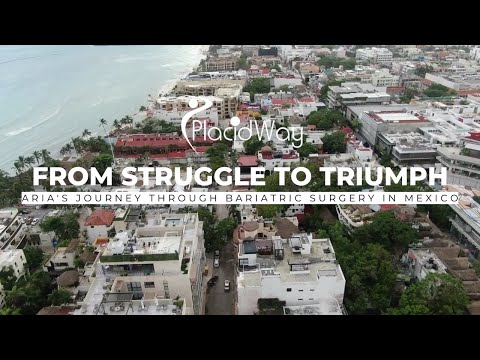



.png)

.jpg)

.jpg)








Share this listing