


Seneca Hair Transplant Clinic Overview: Advanced Hair Restoration Solutions
Experiencing progressive hair thinning can be a deeply frustrating and emotional journey, but discovering the right Seneca Hair Transplant clinic overview can be your first definitive step toward reclaiming your total confidence. For years, patients dealing with androgenetic alopecia or severe hair shedding have struggled to find permanent, natural-looking restorative procedures that do not leave massive linear scars or require agonizing recovery periods.
Today, advanced medical technology has revolutionized the industry. Why settle for outdated strip methods or unnatural pluggy results when you can access elite, minimally invasive follicular treatments guided by rigorous medical protocols? Watch this comprehensive breakdown to understand how highly specialized medical teams combine profound anatomical knowledge with the latest direct hair implantation techniques to deliver lifetime results.
Video Chapters & Quick Navigation
The modern era of cosmetic medicine has dramatically shifted how we approach male pattern baldness and female hair thinning. In the past, individuals seeking permanent hair loss solutions were subjected to highly invasive surgeries that yielded inconsistent results. Today, leading medical groups have refined follicular extraction and implantation to an art form, providing undetectable, completely natural-looking hairlines that last a lifetime.
The Evolution of Hair Restoration Methodologies
Understanding the significance of a top-tier medical facility requires looking at how hair restoration has evolved over the past few decades. Initially, the industry relied heavily on Follicular Unit Transplantation (FUT). This procedure involved excising a large strip of skin from the back of the patient's scalp. While effective in moving hair, it routinely left a massive linear scar that prevented patients from wearing their hair short.
As the video explains at , the industry eventually transitioned to Follicular Unit Extraction (FUE). Traditional FUE was a massive leap forward. Instead of removing a strip of flesh, surgeons began using micro-punches to extract individual hair follicles one by one. This eliminated the linear scar, leaving only tiny dot-like marks that fade rapidly.
However, traditional FUE still had a major flaw during the implantation phase. Surgeons would use scalpels or needles to create hundreds of tiny recipient incisions (slits) in the bald areas before forcing the extracted grafts into those holes using forceps. This two-step process often led to bleeding, scalp trauma, and a lack of precise control over the angle and direction of the newly planted hair.
Why Patients Choose Seneca Medical Group for Hair Transplants
With countless clinics opening globally, identifying a truly reliable medical institution can be overwhelming. Seneca Medical Group stands out significantly due to its strict adherence to internal medical protocols and its refusal to delegate surgical steps to uncertified technicians. Many budget clinics operate on an assembly-line model, where the actual doctor is rarely present in the operating room.
At highly reputable centers like Seneca, every single step of the direct hair implantation procedure—from the initial local anesthesia application to the very last graft placement—is performed exclusively by certified medical doctors. This physician-only protocol dramatically reduces the risk of transection (damaging the follicle during extraction) and ensures that the highest safety standards are maintained throughout the patient's surgical journey.
Unparalleled Global Standards and Training
The expertise of the medical staff is a primary driving factor for exceptional results. Surgeons operating within this medical group undergo an extensive, rigorous training program that can take up to a year to complete, regardless of their prior background in dermatology or plastic surgery. This internal training ensures that every doctor masters the complex nuances of facial symmetry, hairline design, and graft viability.
Furthermore, these clinics operate under strict international healthcare regulations. Facilities located in regions like Greece and the United Kingdom are subject to frequent audits by national health authorities, guaranteeing that sterilization protocols, emergency preparedness, and patient care standards rival those of top-tier general hospitals.
The Superiority of the Direct Hair Implantation Technique
The true cornerstone of the clinic's success, highlighted beautifully at , is the Direct FUE method. This proprietary methodology effectively eliminates the brutal recipient slit creation associated with older techniques. Instead of pre-making holes in the scalp, surgeons utilize a specialized medical tool known as an implanter pen.
The extracted hair follicle is carefully loaded into the hollow needle of the implanter pen. The surgeon then presses the pen directly into the scalp, simultaneously piercing the skin and deploying the hair follicle into the dermis in one smooth, fluid motion. This direct placement minimizes tissue trauma, significantly reduces bleeding, and drastically cuts down on the patient's overall recovery time.
Mastering Angle, Depth, and Direction
The human scalp is incredibly complex. Hair does not grow straight out of the head at a 90-degree angle; it lays flat near the temples, swirls at the crown, and angles gently downward at the hairline. Traditional forceps placement makes it incredibly difficult for surgeons to replicate these natural angles, often resulting in a harsh, artificial "doll-hair" appearance.
The implanter pen grants the surgeon absolute 360-degree control. They can precisely dictate the exact depth the follicle is placed, ensuring it has adequate blood supply to thrive. They can carefully calibrate the angle and direction of each individual hair, matching the patient's native hair growth pattern seamlessly. The result is a hairline so natural that even specialized hairdressers cannot detect the surgical intervention.
| Feature | Traditional FUE | Seneca Direct FUE |
|---|---|---|
| Incision Method | Pre-made slits using scalpels | Direct placement via Implanter Pen |
| Scalp Trauma | Moderate to High (bleeding common) | Minimal (virtually bloodless) |
| Angle Control | Limited (forceps insertion) | Absolute 360-degree precision |
| Performed By | Often delegated to technicians | 100% Certified Medical Doctors |
Comprehensive Advanced Diagnostic Systems
A high-quality hair transplant is never a one-size-fits-all procedure. The best clinics in Europe employ robust diagnostic frameworks to fully understand the underlying causes of a patient's hair loss before ever recommending surgery. This often involves the proprietary Total Care System, an overarching philosophy that treats hair loss as a holistic medical condition rather than just a cosmetic annoyance.
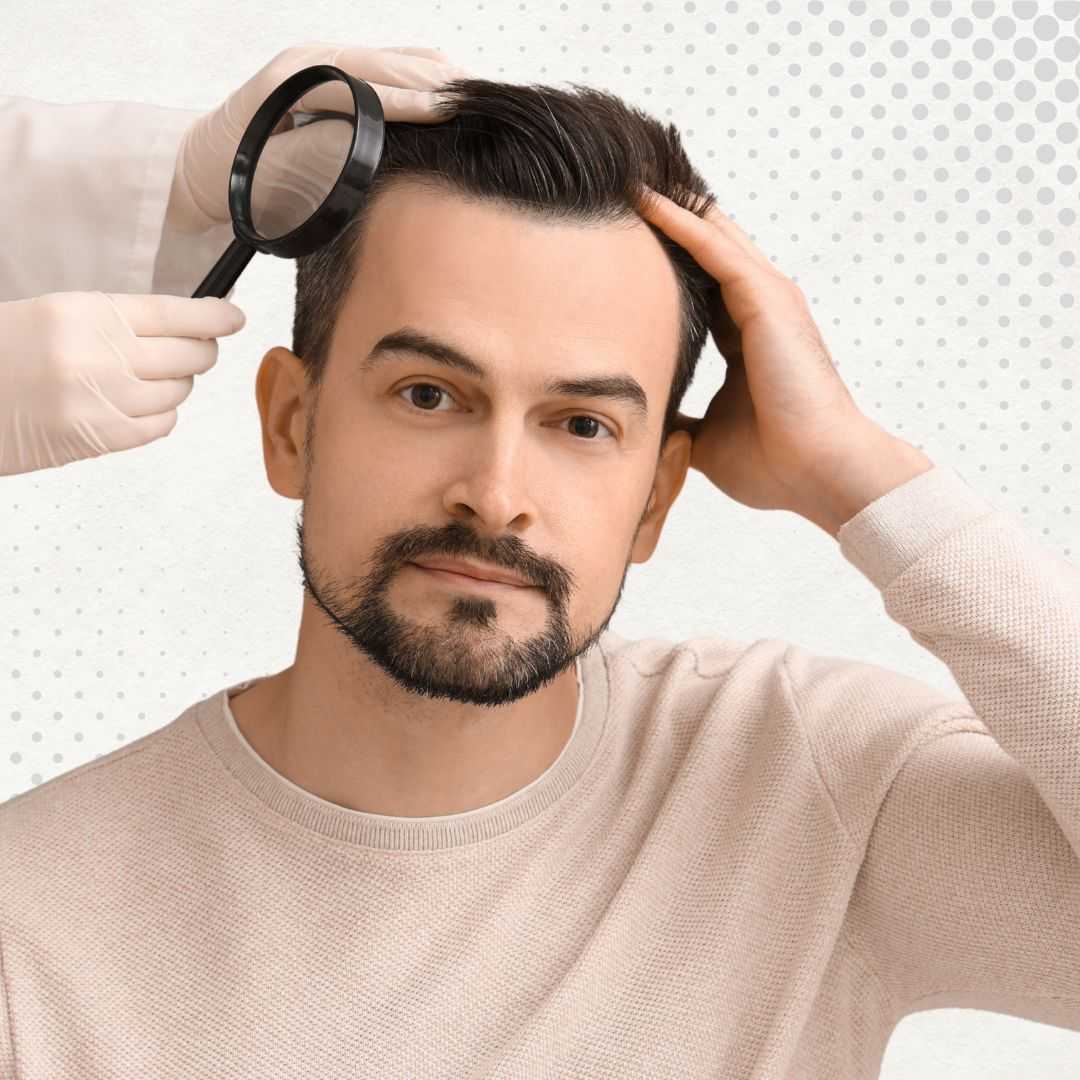
During the initial consultation, medical staff utilize advanced digital trichoscopy to magnify the scalp. This allows doctors to measure the exact density of the donor area (the back and sides of the head where hair is genetically resistant to DHT, the hormone responsible for baldness). They assess the caliber (thickness) of the individual hair shafts and calculate the precise number of viable grafts available for extraction.
Predicting Future Hair Loss Patterns
One of the biggest mistakes inexperienced clinics make is packing a hairline densely while ignoring the fact that the patient will continue to lose their native hair behind the transplanted area. Elite diagnostic protocols map out potential future hair loss trajectories.
By accurately predicting how the patient's alopecia will progress over the next decade, the surgeon can strategically design a hairline that will look age-appropriate and natural not just six months post-op, but twenty years down the line. They also ensure that enough donor hair is preserved in the "bank" should the patient require a secondary touch-up procedure later in life.
The Intricate Science of Graft Survival Rates
A hair follicle is a delicate living micro-organism. The moment it is extracted from the safe haven of the scalp, it begins to slowly die due to lack of oxygen and blood supply. The success of a permanent hair loss solution relies entirely on maximizing the graft survival rate, a metric that top clinics consistently push above 95%.
As noted at in the overview, minimizing "out-of-body time" is crucial. Once extracted, the grafts are immediately sorted by medical assistants under high-powered microscopes. They are categorized by the number of hairs they contain—single-hair grafts are reserved for the very front of the hairline for a soft look, while double and triple-hair grafts are placed mid-scalp to build dense volume.
While awaiting implantation, these precious follicles are stored in a specialized, temperature-controlled hypothermosol solution. This is the same advanced holding solution used in major organ transplants. It dramatically reduces the metabolic rate of the follicle, preventing cellular degradation and ensuring the grafts are robust and healthy when they are finally implanted into the recipient area.
Cost and Value: Affordable Hair Restoration in Europe
When researching the best hair transplant clinic in Europe, patients are frequently pleasantly surprised by the financial accessibility of world-class care. In the United States, Canada, and the United Kingdom, high-quality follicular unit extraction performed entirely by a certified surgeon can command exorbitant prices, often exceeding $15,000 to $20,000 depending on the graft count.
Medical tourism for hair restoration has exploded because clinics operating in countries like Greece can offer the exact same, if not superior, medical technology and surgical expertise at a fraction of the cost. The reduced cost of hair transplants in Greece is not a reflection of lower quality, but rather the result of favorable local economic conditions, lower overhead costs, and highly competitive healthcare pricing models.
Patients traveling for affordable hair restoration in Europe often find that comprehensive packages—which include VIP airport transfers, luxury hotel accommodations, diagnostic blood work, the surgery itself, and all post-operative medications—still total less than half the price of a standard standalone procedure in their home country. This incredible value proposition allows individuals to treat their hair restoration journey as a rejuvenating medical holiday.
The Complete Patient Journey: Surgical Day Walkthrough
Understanding what actually happens on the day of the procedure alleviates the vast majority of patient anxiety. The process is remarkably smooth, comfortable, and highly regimented to ensure maximum safety and efficiency.
- Morning Arrival & Final Consultation: The day begins with a final review of the surgical plan. The doctor uses a specialized medical marker to draw the agreed-upon hairline design on the patient's scalp, ensuring perfect facial symmetry before moving forward.
- Local Anesthesia: The clinic utilizes advanced, ultra-fine needles to administer local anesthesia to the donor area. Many modern clinics also utilize vibration devices near the injection site to distract the nerve endings, making the numbing process virtually painless.
- The Extraction Phase: The patient lies comfortably face down. The surgeon uses a micro-motor punch (typically 0.7mm to 0.9mm in diameter) to carefully score and extract the follicular units from the genetically safe donor zone at the back of the head.
- Mid-Day Break: Because the procedure can take between 6 to 8 hours, patients are provided with a nutritious lunch and a chance to stretch their legs while the medical team continues to sort and preserve the extracted grafts.
- The Implantation Phase: The patient is seated in a semi-upright, comfortable position. They can watch television, listen to music, or even nap while the surgeon meticulously implants the grafts one by one using the direct implanter pen technique.
Navigating the Post-Operative Recovery Timeline
The success of an advanced hair loss treatment relies just as much on the patient's post-operative care as it does on the surgeon's skill. Elite clinics provide comprehensive aftercare instructions and maintain continuous contact with the patient for a full twelve months post-procedure.
During the first 7 to 10 days, the newly implanted grafts are delicate. Patients are instructed to spray the recipient area regularly with an ATP-enriched saline solution to keep the follicles hydrated. Sleeping with the head elevated on a travel pillow is mandatory to reduce minor facial swelling and prevent the patient from accidentally rubbing the grafts against the bedsheets.
The "Ugly Duckling" Phase and Final Growth
Around the two-week mark, the tiny scabs surrounding the implanted hairs will wash away, leaving the scalp looking clean and newly densely packed. However, at , doctors warn patients about the "shock loss" phase. Between weeks three and eight, the actual hair shafts of the transplanted follicles will shed and fall out. This is a completely normal physiological response to surgical trauma. The critical root remains safely anchored beneath the skin.
True hair transplant recovery time requires patience. By month four, fine, baby-like hairs will begin to break through the scalp. By month six, patients will see approximately 50% to 60% of their new density, significantly transforming their appearance. The hairs will continue to thicken, mature, and darken over the next several months, with the ultimate, permanent result blooming beautifully between the 12 and 18-month mark.
Ready to Reclaim Your Natural Hairline?
Don't let progressive hair loss dictate your confidence. PlacidWay Medical Tourism connects you directly with elite, globally recognized hair restoration clinics offering advanced Direct FUE techniques at highly affordable prices. Secure your personalized diagnostic consultation today.
REQUEST YOUR FREE QUOTE



.png)
.png)
_imresizer.jpg)
.png)




Share this listing