

Are you struggling with hair loss and looking for a high-quality hair transplant in Istanbul, Turkey? Navigating a medical journey abroad requires careful planning, but understanding average treatment costs and knowing how to verify essential Ministry of Health clinic licenses will empower your decision. This guide provides everything you need to safely evaluate advanced techniques like FUE and while planning your hair restoration journey in Turkey's medical hub.
Quick Answer Summary
- Estimated Cost: Typically ranges between $2,000 and $4,500 USD, depending on the clinic's reputation, technique (FUE or), and the surgeon's expertise.
- Safety Overview: Generally safe when performed in highly regulated environments, but you must avoid unlicensed "black market" facilities by verifying credentials.
- Ideal Candidate: Men and women with stable hair loss, sufficient donor hair supply, and realistic expectations regarding coverage and density.
- Recovery Time: Initial healing takes 7 to 10 days, with noticeable hair growth beginning around 3 to 4 months, and final results visible at 12 to 18 months.
- Why Choose Istanbul, Turkey: High concentration of experienced specialists, all-inclusive medical travel packages, and strict regulatory oversight by the Turkish government.
- Important Certifications: Look for Turkish Ministry of Health (Sa?l?k Bakanl???) licensing, Turkish Medical Association (TTB) registration, and ISHRS membership.
Understanding Hair Transplant Procedures in Istanbul, Turkey
Hair restoration is a significant medical decision that involves relocating healthy hair follicles from a donor site to areas experiencing thinning or baldness. When considering a hair transplant in Istanbul, Turkey, it is important to realize that this is a precise surgical procedure requiring deep anatomical knowledge. The country has developed a robust infrastructure dedicated entirely to specialized hair restoration.
Many patients feel apprehensive about traveling abroad for medical care. This is a normal reaction when dealing with your health and appearance. Understanding how the procedure works, what specific techniques entail, and how local authorities regulate the sector can help alleviate these concerns. You are entrusting a medical team with your scalp, so having clear, factual information is your best defense against complications.
A hair transplant does not create new hair; it redistributes your existing hair. The final density depends heavily on the quality and quantity of your donor area at the back of your head.
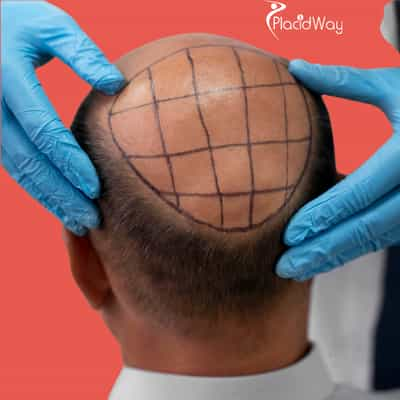
Surgeons in this region typically focus on meticulous graft extraction and strategic placement. The goal is to create a natural-looking hairline that complements your facial structure while preserving the donor area for potential future needs. By thoroughly researching the methods available, you can have more productive conversations with your prospective medical provider.
Why International Patients Choose Istanbul, Turkey for Hair Restoration
The decision to travel for medical care usually stems from a combination of accessibility, expertise, and comprehensive care. Istanbul has positioned itself as a global epicenter for hair restoration. Patients arrive with specific emotional triggers: frustration with progressive hair loss, a desire to restore self-confidence, and a need for trustworthy medical environments.
International patients typically choose this destination for several verified reasons:
- Specialized Expertise: Surgeons here perform a high volume of daily procedures, leading to refined technical skills in graft handling and hairline design.
- Advanced Technology Adoption: Clinics frequently utilize the latest tools, including sapphire blades and specialized implanter pens (Choi pens).
- Comprehensive Care Packages: Clinics often arrange structured itineraries, including airport transfers, hotel accommodations, and dedicated multilingual patient coordinators.
- Regulatory Framework: Government oversight by health ministries mandates strict hygiene and staffing protocols in licensed facilities.
- Geographic Accessibility: The city serves as a major aviation hub, easily accessible via direct flights from Europe, North America, and the Middle East.
Global Patient Demographics and Travel Trends
Medical tourism data from 2024 to 2025 indicates a continued, steady flow of outbound patients seeking hair restoration services abroad. Understanding who is traveling can provide valuable context for your own journey. The majority of individuals traveling for this specific treatment fall between the ages of 30 and 50, a period when androgenetic alopecia (pattern baldness) becomes most prominent and stabilizes.
Patients originate predominantly from countries with higher domestic healthcare costs or long waiting times for elective cosmetic procedures. Recent international healthcare travel reports highlight strong patient volume from the United Kingdom, the United States, Germany, France, and various Middle Eastern nations. These individuals often seek high clinical standards without the prohibitive pricing found in their home countries.
Primary Patient Origin Regions (2024-2025 Trends)
Based on recent international healthcare travel and medical tourism data distributions.
Motivations for these demographic groups go beyond financial considerations. Many patients actively seek clinical environments where medical teams possess extensive experience with diverse hair textures, skin types, and varying degrees of alopecia. This clinical diversity improves the provider's ability to customize hairline design based on the patient's ethnic background and age.
Age Distribution of Hair Transplant Patients (2024 Data)
Illustrating the primary age brackets for surgical intervention.
Average Cost of Hair Transplant in Istanbul, Turkey
Financial transparency is critical when planning a medical trip. The cost of a hair transplant in Istanbul, Turkey is generally lower than in North America or Western Europe. However, you should approach unusually low prices with extreme caution. Quality surgical care, sterile environments, and experienced doctors require appropriate funding.
Prices are usually presented either as a "per graft" fee or as an all-inclusive package. Packages typically cover the surgery, local anesthesia, post-operative medications, hotel accommodation, and airport transfers. It is vital to get a written, itemized quote before traveling to avoid hidden fees related to blood tests, specialized aftercare products, or extra graft requirements.
| Procedure / Package Type | Estimated Cost in Istanbul (USD) | Estimated Cost in USA/UK (USD) |
|---|---|---|
| FUE Hair Transplant (Standard) | $2,000 - $3,500 | $8,000 - $15,000 |
| Hair Transplant (Hair Transplant) | $2,500 - $4,500 | $10,000 - $18,000 |
| Revision / Corrective Surgery | $3,000 - $5,000 | $12,000 - $20,000 |
What Influences the Cost of Your Hair Restoration?
Understanding exactly what you are paying for helps you make an informed comparison between different clinic quotes. The final price tag for your hair restoration is rarely arbitrary. It is influenced by clinical, logistical, and medical factors specific to your condition.
Clinical Factors
- Number of grafts required
- Surgical technique (FUE vs.)
- Surgeon's level of involvement
- Complexity of your hair loss pattern
Logistical Factors
- Hospital or clinic facility fees
- Inclusion of luxury hotel stays
- VIP airport transfers
- Post-operative medication packages
One major distinction is the level of surgeon involvement. Clinics that offer very low prices often rely entirely on unlicensed technicians to perform the surgery, with a doctor only making a brief appearance. Higher-priced, reputable clinics ensure the licensed physician performs the critical steps, such as designing the hairline and creating the incision sites.
How to Choose a Safe Hair Transplant Clinic in Turkey
Your safety and the aesthetic outcome depend heavily on the facility you select. Unfortunately, the boom in medical travel has led to the rise of "black market" clinics operating without proper oversight. To protect yourself, you must rigorously vet any clinic you consider for a hair transplant in Istanbul, Turkey.
Do not base your decision solely on social media before-and-after photos, which can be easily edited or misleading. Instead, prioritize facilities that hold verifiable government licenses. A legal facility in Turkey must be registered with the local health authorities and meet strict clinical standards.
- Ask for the clinic's official Ministry of Health (Sa?l?k Bakanl???) license number.
- Verify if the facility is an actual hospital, a licensed day-surgery center, or a simple polyclinic.
- Inquire about emergency protocols and whether they have resuscitation equipment on-site.
- Ask if international accreditation, such as Joint Commission International (JCI), is held (though national licensing is the primary requirement).
Verifying Your Hair Transplant Surgeon's Credentials
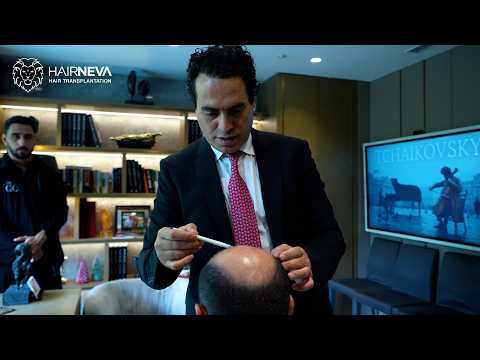
The clinic provides the environment, but the doctor performs the work. Knowing how to check a surgeon's credentials in Turkey is your most crucial task. You want a qualified physician, typically a dermatologist or a plastic surgeon, who specializes specifically in hair restoration.
A reputable doctor should be registered with the Turkish Medical Association (Türk Tabipleri Birli?i - TTB). Additionally, look for surgeons who hold memberships in recognized professional societies. Membership in the International Society of Hair Restoration Surgery (ISHRS) indicates that the doctor is engaged with global best practices and continuing medical education.
When consulting with a doctor, ask how many procedures they personally perform per day. A doctor performing 5 to 10 surgeries daily is likely delegating the vast majority of the work to technicians. Dedicated specialists typically limit themselves to 1 or 2 patients per day to ensure high-quality care.
Popular Hair Transplant Techniques Offered
Medical advancements have largely phased out older, more invasive methods like Follicular Unit Transplantation (FUT), which left a linear scar. Today, practitioners primarily utilize advanced micro-surgical techniques that offer faster healing and less visible scarring. Depending on your diagnosis, your doctor may recommend one of the following methods.
| Technique | How It Works | Best Suited For |
|---|---|---|
| FUE (Follicular Unit Extraction) | Individual follicles are extracted using a micro-punch, then implanted into pre-made incisions in the recipient area. | Patients needing large areas of coverage (high graft counts). Requires shaving the head. |
| Sapphire FUE | A variation of FUE using blades made of sapphire rather than steel, allowing for sharper, more precise V-shaped incisions. | Patients seeking potentially faster healing and higher density packing in the recipient zone. |
| (Hair Transplant) | Follicles are extracted and immediately implanted using a specialized pen (Choi Implanter), bypassing the need to pre-make incisions. | Patients who want to avoid shaving their entire head, or those needing density added to existing hair. |
The Complete Hair Transplant Process in Istanbul
Knowing what happens from the moment you land until you fly home can significantly reduce anxiety. A standard medical itinerary for a hair transplant in Istanbul, Turkey usually spans three to four days. Facilities design these timelines to ensure adequate pre-operative testing and post-operative monitoring.
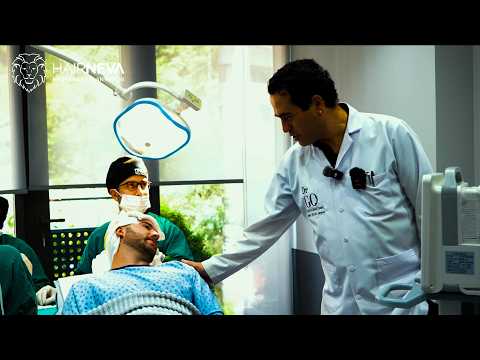
On day one, you typically arrive, settle into your accommodation, and may have your initial blood tests. Day two is almost entirely dedicated to the surgery itself. You will have a detailed consultation, hairline design session, and then the procedure, which can last anywhere from 6 to 8 hours under local anesthesia.
Day three is a rest day, allowing the initial swelling to subside and the grafts to begin securing themselves in the scalp. On day four, you will visit the clinic for your first hair wash, where nurses will demonstrate how to gently clean the recipient area without dislodging the new grafts. After this final check, most patients are cleared to fly home.
Managing Your Recovery After a Hair Transplant
The success of your procedure heavily depends on how well you adhere to post-operative instructions. The newly implanted grafts are delicate during the first two weeks. Your doctor will provide specific guidelines on how to sleep, wash your hair, and protect your scalp from the sun.
It is crucial to understand that the transplanted hair will typically fall out between weeks two and eight. This phenomenon, known as "shock loss," is a normal part of the biological hair growth cycle. The follicles remain dormant beneath the skin before generating new hair shafts.
| Timeframe | Biological Process | Patient Action Required |
|---|---|---|
| Days 1-7 | Grafts anchor into the scalp. Scabbing and mild swelling occur. | Sleep elevated. Avoid scratching. Wash hair exactly as instructed by the clinic. |
| Weeks 2-4 | Scabs fall off. "Shock loss" begins as transplanted hairs shed. | Protect scalp from direct sunlight. Resume light exercise if cleared by doctor. |
| Months 3-6 | New hair shafts begin to emerge. Hair may appear fine or thin initially. | Attend virtual follow-ups. Maintain a healthy diet to support hair growth. |
| Months 12-18 | Hair reaches full thickness and matures into final aesthetic result. | Enjoy final results. Consider maintenance therapies if recommended. |
Risks, Safety, and Complication Management
Like any surgical procedure, a hair transplant carries inherent risks. While severe complications are rare when performed in a sterile, licensed medical environment, minor issues can occur. You must be aware of these potential risks to identify them early and seek prompt medical advice.
Common temporary side effects include localized swelling of the forehead, mild bleeding, and itching as the scabs heal. More serious complications, which often arise from poor hygiene or inexperienced practitioners, include infection, severe scarring in the donor area (over-harvesting), and unnatural-looking hairlines due to improper graft placement.
Contact your healthcare provider immediately if you experience excessive bleeding, escalating pain that does not respond to medication, expanding redness around the surgical site, or a high fever in the days following your procedure.
Navigating the Turkish Healthcare System for Medical Travelers
Turkey has heavily invested in its healthcare infrastructure to support international patients. Understanding how the system is regulated can give you peace of mind. The primary regulatory body is the Ministry of Health, which sets the standards for hospital sanitation, equipment, and patient rights.
Many clinics cater specifically to medical tourists by offering in-house interpreters and multilingual patient coordinators. These professionals translate medical instructions and ensure that communication barriers do not compromise your care. Furthermore, before traveling, you should inquire whether your chosen clinic provides medical complications insurance to cover unforeseen secondary treatments.
It is also advisable to check your visa requirements and travel-health insurance coverage. While Turkey offers a straightforward e-Visa process for many nationalities, your standard domestic health insurance will likely not cover elective procedures or complications arising from them abroad.
Frequently Asked Questions About Hair Transplant in Istanbul, Turkey
Patients often have specific, practical concerns before traveling. Below are detailed answers to common inquiries based on medical guidelines and patient experiences.
Is a hair transplant in Turkey painful?
The procedure is performed under local anesthesia, so you typically will not feel pain during the surgery. You may feel slight discomfort or stinging during the initial anesthetic injections. Post-operative soreness is generally mild and manageable with prescribed pain relievers.
How many grafts will I need for full coverage?
The number of grafts required varies significantly depending on your degree of hair loss and the density of your donor area. Mild recession may require 1,500 grafts, while advanced baldness could require 3,500 to 4,500. A doctor must evaluate your scalp to provide an accurate estimate.
Are the results of a hair transplant permanent?
Transplanted hair follicles are typically taken from the back of the head, an area genetically resistant to dihydrotestosterone (DHT), the hormone that causes hair loss. While these transplanted hairs are generally long-lasting, you may continue to lose your native, non-transplanted hair over time.
Can I wear a hat after my surgery?
Your doctor will usually provide a specific, loose-fitting medical hat to wear outdoors to protect against sun and dust. You should avoid wearing tight caps, beanies, or hard hats for at least two to three weeks to prevent friction from dislodging the grafts.
How do I wash my hair after the procedure?
The clinic will teach you a specific washing technique, usually involving gently dabbing a special lotion on the scalp to soften scabs, followed by a light, non-pressurized rinse with a specialized shampoo. You must not rub or scratch the recipient area.
Is it safe to fly back home immediately after surgery?
Most clinics recommend waiting at least 24 to 48 hours post-surgery before flying. This allows the doctor to perform a final check and the first hair wash. When flying, you must be careful not to bump your head on luggage compartments.
What is over-harvesting?
Over-harvesting occurs when an inexperienced technician extracts too many grafts from the donor area, leaving it looking visibly thin or patchy. Choosing a qualified, board-certified surgeon helps mitigate this risk by ensuring careful extraction planning.
Will I need to shave my entire head?
Standard FUE typically requires shaving the entire head to facilitate easy extraction and clear visibility of the recipient area. However, the method or "unshaven FUE" may allow patients to keep their hair long, though this is usually limited to smaller graft sessions.
When can I resume exercising or going to the gym?
Light walking is usually permitted after a few days, but heavy lifting, intense cardio, and activities that cause heavy sweating should be avoided for at least three to four weeks. Sweating can increase the risk of infection, and straining can affect blood pressure in the scalp.
Why is Turkey so affordable for this procedure?
The affordability is primarily due to lower operating costs, favorable exchange rates, and a highly competitive local market. Reputable clinics use these economic advantages to offer high-quality care at a lower price point than Western countries, but extremely low prices should still be approached with caution.
Plan Your Hair Transplant Journey with PlacidWay
Navigating international healthcare options can feel overwhelming, especially when trying to verify medical licenses and compare surgical techniques. Finding a trusted provider is essential for a safe procedure and a natural-looking result.
Ready to Explore Your Options?
PlacidWay Medical Tourism can help you compare vetted providers, understand transparent treatment costs, and request personalized information from licensed clinics.
Request Information TodayDisclaimer: This information is for educational purposes only and does not replace professional medical advice. Always consult a qualified healthcare provider before making medical decisions.
References
- Hair Loss Treatments & Surgery Overview – International Society of Hair Restoration Surgery (ISHRS)
- 2024 Practice Census Results & Patient Demographics – ISHRS
- Advances in Hair Restoration and Follicular Unit Extraction – National Center for Biotechnology Information (NCBI)
- Regulations on International Health Tourism – Republic of Turkey Ministry of Health
- Medical Licensing and Physician Verification – Turkish Medical Association (TTB)
- Complications in Hair Transplantation: Prevention and Management – PubMed
- Medical Tourism Safety Guidelines – Centers for Disease Control and Prevention (CDC)





















Share this listing