


Alternative PTSD and Ibogaine Treatment in Tijuana for Veterans: Innovative Healing Approaches
Every year, thousands of military personnel return home fighting a new, invisible battle. For many, conventional psychiatric therapies and daily medications simply are not enough, leading them to seek an alternative PTSD and Ibogaine treatment in Tijuana for veterans. This innovative healing approach utilizes powerful plant medicines to bypass the profound limitations of traditional trauma care.
By stepping outside the standard clinical loop, individuals are discovering profound neurological resets. Watch to understand how highly supervised psychedelic therapy for PTSD is offering a second chance at life, providing holistic trauma healing for veterans just across the border.
Video Chapters & Quick Navigation
The Failing Paradigm of Traditional Veteran Trauma Care
For decades, the standard protocol for treating post-traumatic stress disorder in military personnel has heavily relied on a combination of talk therapy and pharmaceutical interventions. While exposure therapy and SSRIs (Selective Serotonin Reuptake Inhibitors) can provide a baseline of symptom management for some, they frequently fall short for those suffering from severe, combat-induced trauma. Many veterans find themselves trapped in a cycle of numbing medications that mask the symptoms rather than addressing the root cause of the psychological distress.
As discussed at in the presentation, the traditional psychiatric model often fails to account for "moral injury"—the deep psychological wound that occurs when a person is forced to act against their deeply held moral beliefs. This specific type of trauma is highly resistant to standard cognitive behavioral therapy. Consequently, veterans are increasingly exploring alternative PTSD treatment options to break free from the frustrating limitations of the conventional healthcare system.
The urgency for innovative healing approaches for mental health has never been higher. The distressing statistics regarding veteran suicide and severe depression highlight a systemic gap in care. By turning away from lifelong prescription dependencies, individuals are opening the door to profound holistic trauma healing for veterans.
What is Ibogaine? From Ancient Plant Medicine to Modern Therapy
To understand the sudden rise in medical tourism for Ibogaine therapy, one must first understand the medicine itself. Ibogaine is a naturally occurring psychoactive alkaloid extracted from the root bark of the Tabernanthe iboga shrub, native to West Central Africa. For centuries, indigenous cultures, particularly practitioners of the Bwiti spiritual tradition, have utilized this potent plant in ceremonial rites of passage and deep community healing.
In the modern clinical context, this compound is not used as a recreational substance but as a serious, targeted medical intervention. As highlighted at , Ibogaine produces a deeply introspective, dream-like state known as an oneirophrenic experience. This unique altered state allows the patient to view their past traumatic memories and combat experiences from a completely detached, objective perspective, stripped of the overwhelming emotional terror that usually accompanies PTSD flashbacks.
Unlike other classic psychedelics like psilocybin or LSD, Ibogaine is uniquely positioned to treat severe psychological blockages. It acts as a powerful interrupter, breaking the repetitive, intrusive thought loops that plague trauma survivors. This makes it a cornerstone of psychedelic therapy for PTSD, offering a radical shift in consciousness that traditional medications simply cannot mimic.
The Neurological Science: How Ibogaine Rewires the Traumatized Brain
The efficacy of alternative PTSD and Ibogaine treatment in Tijuana for veterans is not based merely on mystical experiences; it is grounded in profound neurobiology. Prolonged exposure to severe stress and trauma physically alters the brain's structure, particularly the amygdala (the fear center) and the prefrontal cortex (responsible for logical reasoning). Ibogaine acts as a neuro-regenerative catalyst, fundamentally resetting these damaged neural pathways.
Promoting Glial Cell Line-Derived Neurotrophic Factor (GDNF)
One of the most remarkable medical properties of Ibogaine is its ability to stimulate the release of GDNF in the brain. This specific protein promotes the survival of neurons and encourages the sprouting of new neural connections. By fostering neuroplasticity, the brain is quite literally given the biological tools to heal itself from the physical ravages of chronic stress and traumatic brain injury (TBI).
Resetting the Default Mode Network (DMN)
Trauma survivors often suffer from an overactive Default Mode Network, which is the brain system responsible for self-referential thoughts and rumination. When the DMN is hyperactive, a person feels stuck in the past, constantly reliving their trauma. Ibogaine temporarily downregulates this network, creating a period of neurological quiet. As noted at , this quiet phase allows the individual to process grief, guilt, and fear without the physiological panic response.
Addressing Co-Occurring Addiction and Substance Use Disorders
A tragic reality for many former military members is the co-occurrence of PTSD and substance use disorders. Attempting to cope with sleeplessness, hypervigilance, and emotional numbness, many turn to alcohol, prescription opioids, or illicit substances to self-medicate. Treating the trauma while ignoring the chemical dependency is a strategy doomed to fail.
This is where Ibogaine treatment in Tijuana Mexico demonstrates its most astonishing capability. Beyond processing trauma, Ibogaine is world-renowned for its ability to completely interrupt active chemical addictions. It resets the dopamine receptors in the brain, effectively eliminating acute opioid withdrawals and drastically reducing cravings for alcohol and stimulants.
For a veteran trapped in the dual diagnosis of trauma and addiction, this treatment offers a simultaneous release from both physical dependency and psychological torment. It provides a clean slate, clearing the neurological fog so that the deeper, holistic trauma healing for veterans can finally take root.
Why Tijuana, Mexico? The Strategic Advantage for Medical Tourism
Because Ibogaine remains a Schedule I substance in the United States, patients are unable to access this life-saving therapy domestically. This legal barrier has catalyzed a boom in medical tourism for Ibogaine therapy, with Tijuana, Mexico, emerging as the premier global destination for treatment. Located just minutes from the San Diego border, Tijuana offers unmatched accessibility for North American patients.
However, accessibility is only part of the appeal. Tijuana has developed a highly sophisticated medical infrastructure dedicated to alternative healing. The top-tier clinics operating in this region are not makeshift operations; they are state-of-the-art medical facilities. They employ bilingual, board-certified physicians, experienced psychologists, and compassionate nursing staff who specialize in veteran PTSD recovery options.
Patients are typically picked up directly from the San Diego airport by private, clinic-operated transport and seamlessly escorted across the border to secure, luxurious, and peaceful retreat centers. This completely removes the logistical stress from the patient, allowing them to focus entirely on their upcoming therapeutic journey.
Comprehensive Treatment Protocols and Medical Safety in Tijuana
Undergoing a psychedelic intervention of this magnitude requires rigorous medical oversight. Safety is the absolute highest priority at reputable Mexican clinics. Ibogaine can cause bradycardia (a slowing of the heart rate) and can prolong the QT interval in the heart, making pre-screening incredibly important.
- Extensive Medical Screening: Before any medicine is administered, patients undergo comprehensive blood panels, liver function tests, and a 12-lead EKG to ensure their cardiovascular system can safely handle the treatment.
- Continuous Cardiac Monitoring: During the flood dose (the main treatment phase), patients are connected to continuous heart monitors. As explained at , ACLS-certified medical doctors are present in the room for the entire duration of the acute phase.
- Intravenous (IV) Hydration and Support: Medical staff provide continuous IV fluids and electrolyte support to ensure optimal physical stability while the patient journeys through their subconscious.
The Financial Reality: Cost of Ibogaine Treatment in Mexico
When considering alternative approaches, patients frequently inquire about the financial investment. While traditional therapy and psychiatric medications might be covered by VA benefits, they often represent a lifetime of ongoing costs, copays, and lost wages due to debilitating symptoms. The cost of Ibogaine treatment in Mexico requires an out-of-pocket investment, but it is typically a one-time, comprehensive expense.
High-quality, medically supervised Ibogaine treatment packages in Tijuana generally range from $5,000 to $9,000. This fee almost always encompasses the entire experience: the medical screening, the primary flood dose, secondary booster doses, round-the-clock medical staff, psychological preparation, luxury accommodations, organic meals, and specialized integration therapy.
| Feature | Traditional VA/Psychiatric Care | Ibogaine Therapy in Tijuana |
|---|---|---|
| Duration of Treatment | Often years or lifelong | 7 to 10-day intensive retreat |
| Mechanism of Action | Symptom management / Numbing | Neurological reset / Root cause processing |
| Setting | Clinical hospital environments | Private, tranquil retreat facilities |
| Addiction Treatment | Separate, often drawn-out programs | Simultaneously interrupts withdrawals |
When weighed against the immense personal and financial toll of chronic PTSD and addiction, the value of a rapid, profound psychological intervention is clear. For many families, this medical tourism for Ibogaine therapy is an investment in saving their loved one's life.
Life After Treatment: The Crucial Role of Post-Treatment Integration
The psychedelic experience is profoundly powerful, but the true work begins after the medicine wears off. As discussed at , Ibogaine opens a remarkable "window of neuroplasticity" that lasts for several months post-treatment. During this crucial period, the brain is highly receptive to new habits, new thought patterns, and deep emotional learning.
Reputable centers for alternative PTSD and Ibogaine treatment in Tijuana for veterans heavily emphasize integration. This involves specialized post-treatment coaching, somatic therapy, meditation, and regular check-ins. Patients are encouraged to engage in healthy lifestyle changes, surround themselves with supportive veteran communities, and continue talk therapy to solidify the insights gained during their retreat.
Integration is the bridge between the profound spiritual reset achieved in Mexico and the daily reality of returning home. By taking advantage of this neuroplastic window, veterans can permanently break the chains of trauma and step into a renewed life defined by peace, presence, and purpose.
Ready to Reclaim Your Life from Trauma?
You do not have to fight this battle alone. PlacidWay Medical Tourism connects veterans with the most trusted, medically supervised alternative PTSD treatment clinics in Tijuana. Take the first step toward lasting healing and neurological restoration.
REQUEST A FREE CONSULTATION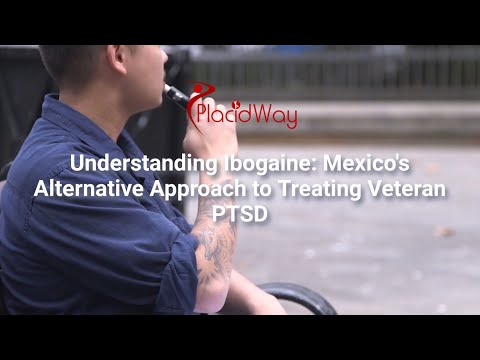








.png)
.png)
.png)















Share this listing