


Diving into the Discussion: Understanding the Ethics of Using Ibogaine Treatment for Veterans in Mexico
About this discussion: Understanding the ethics of using ibogaine treatment for veterans in Mexico has become a pivotal conversation in modern psychiatric care. Thousands of combat veterans suffering from treatment-resistant post-traumatic stress disorder (PTSD), traumatic brain injuries (TBI), and severe substance use disorders are seeking alternatives when traditional medicine falls short.
With ibogaine classified as a Schedule I substance in the United States, many are turning to medical tourism across the southern border. This complex dynamic raises profound ethical, medical, and legal questions regarding patient safety, clinical efficacy, and the desperate search for psychological healing for our nation’s heroes. We explore the deep nuances of this alternative psychiatric frontier.
Video Chapters & Quick Navigation
The Growing Crisis of Combat Trauma and Traditional Limitations
Veterans returning from active combat zones frequently carry unseen psychological wounds that traditional psychiatric infrastructure struggles to treat. Standard protocols rely heavily on daily doses of SSRIs, anti-anxiety medications, and sleep aids. While these medications manage baseline symptoms, they rarely address the deep-seated neurological trauma.
This reliance on polypharmacy often leaves individuals feeling emotionally blunted or detached from their civilian lives. As highlighted at in our discussion, many veterans find that exposure therapy and standard cognitive behavioral approaches fail to penetrate the profound dissociation caused by severe PTSD.
The concept of "moral injury" is a central factor in treating veteran PTSD with alternative medicine. Moral injury occurs when a soldier is forced to witness or participate in events that transgress their deeply held moral beliefs. Conventional antidepressants are ill-equipped to heal this profound spiritual and psychological rupture.
Consequently, an increasing number of former service members are seeking radical alternatives. The desperation to reclaim their lives, save their families, and escape the statistics of veteran suicide drives them outside the traditional healthcare system. This urgent search leads directly to the doors of unregulated international clinics.
Decoding the Medicine: What is Ibogaine and How Does it Work?
To fully grasp the ethical considerations of psychedelic therapy, one must understand the substance itself. Ibogaine is a naturally occurring psychoactive alkaloid extracted from the root bark of the Tabernanthe iboga shrub, native to West Central Africa. It has been used for centuries in indigenous Bwiti spiritual initiation ceremonies.
In modern clinical contexts, ibogaine is primarily known for its remarkable ability to interrupt severe substance use disorders, particularly opioid dependency. However, its application for traumatic brain injury veteran treatments abroad has gained massive traction. The substance acts uniquely on the brain's neurochemistry compared to other classic psychedelics.
When administered, ibogaine promotes the expression of Glial cell line-derived neurotrophic factor (GDNF). As mentioned at , this protein is highly involved in the survival, repair, and growth of new neurons. This neuroplasticity is theorized to physically repair pathways damaged by physical blasts and chronic stress.
Furthermore, ibogaine places the user in a profound oneirophrenic, or dream-like, state for up to twelve hours. During this intense psychological phase, veterans report reviewing their traumatic memories objectively, detached from the severe emotional pain usually associated with those memories. This allows for rapid processing of combat-related trauma that might otherwise take decades in traditional talk therapy.
| Treatment Modality | Primary Mechanism | Typical Duration | Neurological Impact |
|---|---|---|---|
| Standard SSRIs | Serotonin reuptake inhibition | Daily, ongoing | Symptom management, mood stabilization |
| Ibogaine Therapy | Receptor reset, GDNF release | 1-2 macro sessions | Neuroplasticity, structural repair |
The Rise of Medical Tourism: Why Veterans Travel to Mexico
Despite its documented clinical potential, ibogaine remains a Schedule I controlled substance in the United States. The DEA categorizes it alongside heroin and LSD, claiming it has no accepted medical use and a high potential for abuse. This legal barrier effectively halts widespread domestic clinical trials and eliminates accessibility for the average patient.
As a result, a thriving industry of medical tourism for psychedelic therapy has emerged just across the border. Mexico exists in a unique legal gray area regarding ibogaine. The substance is not scheduled or explicitly illegal, allowing private clinics to operate openly, particularly in regions like Baja California and Quintana Roo.
Veterans frequently pool resources, rely on specialized non-profit grants, or take out loans to cover the cost of ibogaine clinics in Mexico for addiction and trauma. These packages typically range from $5,000 to $12,000. For many, this price tag is viewed as a necessary investment for a lifesaving intervention.
However, the rapid expansion of this border-town industry creates a wild west of medical oversight. While some facilities are world-class hospitals with advanced emergency equipment, others operate out of converted residential homes with minimal medical staff. This severe disparity in quality forms the crux of the ethical debate.
Deep Dive: The Core Ethical Dilemmas in Treatment Abroad
Understanding the ethics of using ibogaine treatment for veterans in Mexico requires examining the vulnerability of the patient population. Combat veterans suffering from severe suicidality and treatment-resistant trauma are inherently desperate. This desperation can severely compromise the principle of informed consent.
When individuals are fighting for their lives, they may overlook critical medical risks or fail to thoroughly vet a clinic's credentials. Providers operating in unregulated markets bear a massive ethical burden to ensure their marketing does not exploit this vulnerability. Promising a "magic cure" for PTSD is both scientifically inaccurate and ethically indefensaible, as detailed at .
Another major ethical pillar is the financial accessibility of these treatments. Currently, access to psychological healing for combat veterans via psychedelics is restricted to those who can afford international travel and out-of-pocket medical fees. This creates an inequitable landscape where life-saving care is a privilege rather than a right for those who served.
Furthermore, we must address the ethics of the providers themselves. Without a centralized regulatory body in Mexico enforcing standard operating procedures, accountability is practically non-existent. If an adverse medical event occurs, legal recourse for the patient or their surviving family is heavily limited across international borders.
- Informed Consent: Ensuring patients fully comprehend the severe cardiovascular risks before administration.
- Financial Predation: Preventing clinics from overcharging desperate populations seeking a last-resort cure.
- Efficacy Claims: Maintaining honest communication that ibogaine is a catalyst for healing, not a standalone cure.
- Accountability: The moral obligation of foreign clinics to implement emergency medical protocols despite local deregulation.
Navigating Cardiovascular Risks and Medical Safety Protocols
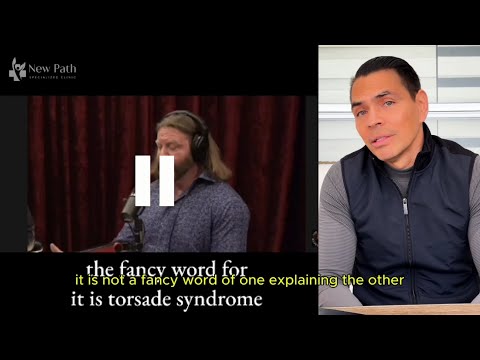
The conversation surrounding the safety of ibogaine is predominantly centered on its profound cardiovascular effects. Ibogaine is known to cause bradycardia (a significant slowing of the heart rate) and can prolong the QT interval on an electrocardiogram. If not carefully managed, QT prolongation can lead to fatal cardiac arrhythmias.
Because of these inherent dangers, administering ibogaine in a non-medical setting is incredibly reckless. Top-tier clinics in Mexico mitigate these risks through rigorous pre-screening. Patients must undergo comprehensive blood panels, liver function tests, and stress EKGs before they are even considered eligible for treatment.
During the actual administration, ethical clinics mandate continuous continuous cardiac monitoring telemetry. As noted at , it is absolutely essential that Advanced Cardiovascular Life Support (ACLS) certified medical doctors are present in the room for the duration of the 12-hour journey.
Veterans seeking these services must demand transparency regarding emergency protocols. They should specifically ask if the facility possesses a fully stocked crash cart, intravenous anti-arrhythmic medications, and an established evacuation route to a major local hospital in case of a critical emergency.
| Safety Protocol Requirement | Why It Matters for Veterans |
|---|---|
| Comprehensive Pre-EKG | Identifies preexisting long-QT syndrome to prevent fatal arrhythmias during the session. |
| Continuous Telemetry | Allows medical staff to monitor real-time heart rate fluctuations and intervene instantly. |
| ACLS Certified Staff | Ensures personnel are legally and medically trained to handle advanced cardiac emergencies. |
The Crucial Role of Integration and Psychological Aftercare
The physiological detox and psychological breakthroughs that occur in Mexico represent only the very beginning of the healing process. Ibogaine opens a window of profound neuroplasticity that lasts for several months post-treatment. How a veteran navigates this window determines the long-term success of the intervention.
Ethical clinics understand that returning a newly sensitized veteran to the same chaotic civilian environment without support is a recipe for relapse. This phase, known as "integration," requires professional psychological aftercare. Integration therapy helps veterans process the intense visions and insights gained during the treatment.
Unfortunately, because the treatment occurs abroad, many clinics fail to provide robust follow-up care. As discussed at , veterans often return to the United States feeling emotionally raw and spiritually open, only to find their local VA doctors cannot legally or functionally discuss their psychedelic experience.
To bridge this gap, independent psychedelic integration coaches and specialized non-profit networks have emerged. These professionals guide veterans in applying the lessons learned from the medicine into their daily routines, rebuilding fractured relationships, and maintaining sobriety from alcohol or opiates.
Cultural Roots: Respecting the Indigenous Origins of Iboga
Another crucial layer of understanding the ethics of using ibogaine treatment for veterans in Mexico involves acknowledging where the medicine comes from. Tabernanthe iboga has been the central sacrament of the Bwiti spiritual tradition in Gabon and Cameroon for hundreds of years. It is a sacred tool for ancestral connection and community healing.
The sudden explosion of western demand for ibogaine treatments has led to severe overharvesting and poaching of the wild iboga plant in West Africa. This creates an ecological and cultural crisis, stripping indigenous communities of their sacred sacrament to fuel the medical tourism industry in North America.
Ethical practitioners and clinics must commit to sustainable sourcing. Many are shifting towards semi-synthetic ibogaine, which is derived from the abundant Voacanga africana tree. This scientific advancement provides the exact same healing alkaloid without destroying the highly protected wild iboga populations.
Furthermore, honoring the traditions of the Bwiti requires western clinics to operate with profound reverence rather than purely clinical detachment. While medical safety is paramount, integrating ceremonial respect acknowledges the deep spiritual magnitude of the healing process that veterans undergo.
The Future of Alternative Veteran Care and Policy Reform
The paradigm of mental health treatment for combat veterans is slowly but inevitably shifting. Groundbreaking studies at institutions like Stanford University are beginning to document the clinical efficacy of synthesized ibogaine compounds for treating severe traumatic brain injuries. These studies provide the empirical data necessary to challenge the current Schedule I status.
Veterans themselves are leading the charge for policy reform. Advocacy groups composed of former Navy SEALs, Rangers, and Marines are lobbying Capitol Hill to mandate federal funding for domestic psychedelic research. They argue passionately that those who risked their lives for their country deserve the right to try every available avenue for healing.
Until federal rescheduling occurs, medical tourism will remain a critical, albeit complicated, lifeline. The ongoing challenge is to elevate the standard of care across all Mexican clinics. This means pushing for voluntary accreditation programs, standardized medical protocols, and transparent clinical outcome tracking.
The journey toward psychological healing for combat veterans utilizing alternative medicine is fraught with risks, but the potential rewards are undeniably life-saving. By maintaining a rigorous ethical lens, emphasizing stringent medical oversight, and honoring the medicine's origins, we can better protect the brave men and women seeking peace after the storm of war.
Seeking Safe, Alternative Treatment Options?
Navigating the landscape of international medical care requires expert guidance and rigorous safety standards. PlacidWay connects patients with fully vetted, highly accredited clinics globally, ensuring you receive world-class care with absolute transparency. Explore your options safely today.
GET A FREE QUOTE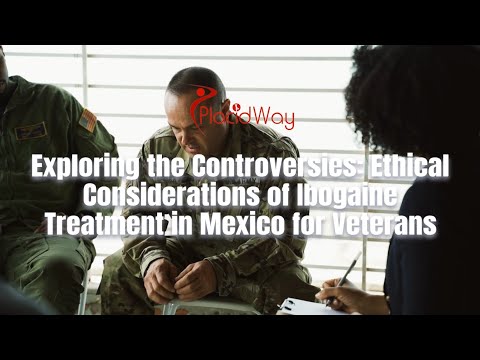



.png)
.png)
.png)








Share this listing