


Hanif Patel's Transformative Journey: Stem Cell Therapy for Motor Neuron Disease in Mumbai, India
Receiving a devastating neurological diagnosis often leaves patients and their families feeling helpless, but Hanif Patel’s experience with stem cell therapy for Motor Neuron Disease in Mumbai, India, offers a profound ray of hope. Motor Neuron Disease (MND), including variants like ALS, progressively robs individuals of their mobility, speech, and independence. Conventional medicine currently offers limited solutions, primarily focusing on symptom management rather than halting the disease's progression.
However, the landscape of neuroregenerative medicine is rapidly evolving, and international destinations are leading the charge. In this deeply moving video testimonial, Hanif shares his personal battle with MND and his subsequent journey to India for advanced regenerative treatment. By exploring cutting-edge stem cell protocols, affordable medical tourism, and world-class healthcare facilities in Mumbai, patients around the globe are discovering new pathways to reclaim their quality of life and fight back against progressive neurological conditions.
Video Chapters & Quick Navigation
Understanding the Complexity of Motor Neuron Disease
Motor Neuron Disease represents a group of progressive neurological disorders that destroy motor neurons, the vital cells that control essential voluntary muscle activity. This includes actions we often take for granted, such as speaking, walking, breathing, and swallowing. When these specific nerve cells deteriorate, the muscles they control weaken and eventually waste away.
The most common form of MND is Amyotrophic Lateral Sclerosis (ALS), a condition that rapidly compromises a patient's physical abilities. The traditional prognosis for these neurodegenerative conditions is incredibly grim, leaving patients with rapid declines in functionality. Patients initially experience subtle symptoms like muscle twitching, a weakened grip, or slightly slurred speech, which soon cascade into severe physical limitations.
Standard pharmaceutical interventions, such as Riluzole or Edaravone, are traditionally prescribed by western neurologists to slow the disease's progression. However, these medications typically only extend a patient's life by a few months and do not repair the damaged neural pathways. This severe limitation in conventional medicine is exactly what drives patients to seek alternative, highly advanced neuroregenerative treatments for motor neuron disease.
Hanif Patel's Initial Struggles and MND Diagnosis
Every patient's journey with MND begins with a profound sense of confusion and fear, and Hanif Patel’s story is no exception. At in the video, Hanif vividly describes the early onset of his symptoms, noting that it began with unexplainable fatigue and persistent muscle twitching in his upper limbs. What he initially dismissed as simple exhaustion quickly evolved into a terrifying loss of motor control.
The diagnostic process for Motor Neuron Disease is notoriously exhaustive, often involving a process of elimination through electromyography (EMG), nerve conduction studies, and comprehensive MRI scans. Hanif details the emotional toll of moving from specialist to specialist, only to be met with a diagnosis that offered little hope and a severely limited timeline. This emotional burden is a common thread among MND patients globally.
Faced with the reality of his declining health and the inadequacy of standard treatments in his home country, Hanif and his family refused to accept defeat. They began an aggressive search for alternative medical interventions. This exhaustive research led them to the promising field of regenerative medicine and ultimately to highly specialized clinics offering affordable stem cell therapy for ALS in Mumbai.
The Science Behind Stem Cell Therapy for Motor Neuron Disease
To appreciate Hanif’s incredible recovery, it is crucial to understand exactly how stem cell therapy addresses neurodegenerative conditions. Stem cells act as the body's raw materials—cells from which all other cells with specialized functions are generated. In the context of MND, Mesenchymal Stem Cells (MSCs) are primarily utilized due to their unique immunomodulatory and neurotrophic properties.
Neuroprotection and Repair
When administered into the central nervous system, MSCs do not necessarily replace dead neurons. Instead, they operate as biological repair mechanisms. They release powerful neurotrophic factors, such as Brain-Derived Neurotrophic Factor (BDNF) and Glial Cell Line-Derived Neurotrophic Factor (GDNF).
These specialized proteins actively protect existing, healthy motor neurons from further toxic damage. By creating a nurturing microenvironment within the spinal cord and brain, stem cells effectively slow down the rampant cell death associated with Motor Neuron Disease.
Immunomodulation and Anti-Inflammatory Action
Recent scientific literature highlights that chronic neuroinflammation plays a massive role in the rapid progression of MND. Stem cells possess a remarkable ability to modulate the immune system. Once introduced into the patient's body, they actively suppress the overactive, damaging immune responses that contribute to neural degradation.
This potent anti-inflammatory action gives the nervous system a desperately needed reprieve. As Hanif explains at , this reduction in internal inflammation was one of the first internal shifts he felt, paving the way for the physical improvements that soon followed.
Why Mumbai is a Global Hub for Regenerative Medicine
India has rapidly transformed into a global sanctuary for advanced medical treatments, particularly in the realm of neurology and regenerative medicine. For patients like Hanif, choosing to undergo stem cell therapy in Mumbai was not just about the cost—it was about accessing world-class medical expertise that is heavily regulated and scientifically advanced.
The city of Mumbai boasts a vast network of JCI (Joint Commission International) accredited hospitals. These facilities maintain sterilization, safety, and operational protocols that mirror or exceed those found in the United States and the United Kingdom. Leading Indian neurosurgeons and regenerative specialists frequently hold advanced fellowships from top-tier Western medical institutions.
Furthermore, the regulatory environment in India has allowed for the safe, ethical, and clinical application of adult stem cell therapies for untreatable conditions under strict medical supervision. This allows patients to access life-altering treatments years before they might clear the bureaucratic hurdles of the FDA in the United States, giving MND patients the one thing they don't have: time.
The Step-by-Step Stem Cell Treatment Protocol in India
Understanding the exact medical procedure demystifies the process for prospective medical tourists. Hanif’s treatment was highly customized, reflecting the meticulous nature of advanced neuroregenerative treatments for motor neuron disease.
- Comprehensive Neurological Evaluation: Upon arrival in Mumbai, patients undergo strict clinical assessments. This includes updated MRI scans, blood panels, and neurological mapping to determine the exact progression of the MND.
- Stem Cell Harvesting and Processing: Depending on the specific clinic's protocol, adult stem cells are harvested either from the patient's own bone marrow (autologous) or sourced ethically from Wharton's Jelly in umbilical cords. These cells are then processed in highly advanced, GMP-certified laboratories.
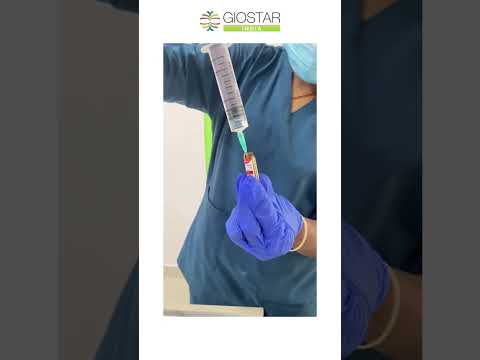
- Targeted Administration: To ensure maximum efficacy, the stem cells are typically administered via an intrathecal injection (directly into the spinal canal). This allows the neuroregenerative cells to bypass the blood-brain barrier and flow directly into the cerebral spinal fluid.
- Intensive Rehabilitation: The therapy does not end with the injection. As Hanif notes around , clinics in Mumbai pair stem cell therapy with rigorous, daily physiotherapy and occupational therapy to stimulate neuroplasticity and re-train the muscles.
Post-Treatment Recovery: Hanif's Remarkable Results
The core of this compelling testimonial lies in the tangible, undeniable results Hanif experienced following his treatment. Motor Neuron Disease is known for its relentless downward trajectory, making any stabilization or improvement a massive medical victory.
At in the video, Hanif happily demonstrates his improved motor functions. Prior to the trip to Mumbai, he was rapidly losing his ability to walk unassisted and struggled with basic fine motor skills like holding a utensil. Within months of his intrathecal stem cell administration, the progression of the disease practically halted.
More importantly, Hanif experienced a noticeable return of stamina and a reduction in muscle fasciculations (twitching). While stem cell therapy is not classified as an outright cure for MND, Hanif's enhanced quality of life, regained independence, and renewed optimism stand as a testament to the power of regenerative medicine.
Global Cost Comparison for Stem Cell Therapy
Financial constraints are often the biggest barrier for patients seeking advanced medical care. One of the primary reasons medical tourism for stem cells in Mumbai has skyrocketed is the drastic difference in pricing compared to Western countries, without sacrificing medical quality.
The high costs in the US and Europe are driven by massive administrative overhead, insurance premiums, and high hospital fees. In contrast, India offers transparent, all-inclusive medical packages that cater directly to international patients.
| Country / Region | Average Cost (USD) | Inclusions |
|---|---|---|
| United States | $25,000 - $45,000 | Treatment only. Excludes hospitalization and comprehensive physical therapy. |
| Europe (Germany/Swiss) | $20,000 - $35,000 | Treatment and partial physical therapy. High travel living expenses. |
| Mumbai, India | $6,500 - $12,000 | All-inclusive: Stem cell treatment, extensive neuro-rehab, hospital stay, and airport transfers. |
The Crucial Role of Multi-Disciplinary Care
A major takeaway from Hanif Patel's testimonial is that receiving stem cell therapy is not a passive process. The highest success rates for affordable MND treatment options abroad are found in clinics that utilize a multi-disciplinary approach. It is the synergy between cellular repair and physical conditioning that yields results.
In Mumbai, patient protocols include specialized neuro-physiotherapy, occupational therapy, and speech therapy. Dietitians craft specific nutritional plans to support cellular growth, while counselors provide essential mental health support to help patients process the trauma of living with a chronic illness.
This holistic approach ensures that as the newly introduced stem cells begin their work of protecting and repairing the nervous system, the patient's physical body is being trained to maximize those neurological gains. Hanif's success was heavily reliant on his dedication to the post-treatment physical therapy regimen designed by his Indian medical team.
Planning Your Medical Journey with Confidence
Traveling halfway across the world for complex medical treatment can feel incredibly daunting, especially for someone dealing with the physical limitations of Motor Neuron Disease. Navigating foreign medical systems, securing medical visas, and organizing specialized transport require meticulous planning.
This is where specialized medical tourism facilitators become invaluable. They bridge the gap between international patients and top-tier hospitals in Mumbai. By providing dedicated case managers, patients can seamlessly transfer their medical records, arrange virtual consultations with leading neurosurgeons, and secure comprehensive treatment quotes before ever booking a flight.
Hanif's journey, which culminated in a renewed lease on life, was made possible through expert coordination. At , he expresses his immense gratitude to the medical staff and the seamless logistical support that allowed him to focus entirely on his health and recovery, rather than the stress of travel.
A Future Defined by Possibility, Not Limitations
The narrative surrounding Motor Neuron Disease is historically one of despair, but advances in regenerative medicine are rapidly changing that script. Hanif Patel's testimonial serves as a vital beacon of hope for thousands of patients worldwide who refuse to surrender to their diagnosis.
By leveraging the exceptional medical infrastructure and affordable healthcare solutions available in Mumbai, India, patients can access neuroregenerative therapies that offer genuine stabilization and symptom reversal. The combination of state-of-the-art stem cell protocols, dedicated multi-disciplinary care, and compassionate medical professionals creates an environment where true healing can begin.
While the medical community continues to research the full potential of stem cells, the real-world improvements seen in patients like Hanif cannot be ignored. His story proves that with determination, the right medical partnerships, and access to advanced cellular therapies, patients with MND can profoundly alter the course of their disease and embrace a brighter, more independent future.
Ready to Explore Stem Cell Therapy for MND?
Take the first step toward reclaiming your life. PlacidWay connects you with globally accredited, top-tier regenerative medicine centers in Mumbai, India. Let us help you navigate your journey with affordable, all-inclusive medical packages tailored to your specific needs.
GET A FREE MEDICAL CONSULTATION


.png)

.png)
.png)
.png)
.png)



-(4).png)
-(6).png)










Share this listing