


Defying the Odds: Ranjeet Reddy's Journey to Overcome Limb-Girdle Muscular Dystrophy
About this story: A diagnosis of Limb-Girdle Muscular Dystrophy (LGMD) often feels like a definitive, unchangeable sentence, characterized by progressive muscle weakness and an inevitable loss of mobility. For years, patients facing this rare genetic disorder have been told to simply manage their decline. However, the narrative is rapidly changing thanks to groundbreaking global medical advancements. Ranjeet Reddy’s remarkable journey stands as a powerful testament to human resilience and modern science. By exploring advanced stem cell therapy for muscular dystrophy and refusing to accept the limitations of conventional medicine, he is redefining what is possible for LGMD patients worldwide.
Video Chapters & Quick Navigation
- Understanding Limb-Girdle Muscular Dystrophy
- The Onset of Progressive Muscle Weakness
- Limitations of Conventional MD Treatments
- Stem Cell Therapy for Muscular Degeneration
- Traveling Abroad for Rare Disease Treatment
- The Comprehensive Clinical Protocol
- Rehabilitation and Intensive Physiotherapy
- Navigating Treatment Costs and Logistics
- Future Genetic Advancements in MD
- Building a Global Support Community
Understanding Limb-Girdle Muscular Dystrophy: The Biological Reality
Limb-Girdle Muscular Dystrophy is not a single disease, but rather a diverse group of rare genetic disorders that primarily cause wasting and weakness in the muscles around the shoulders and hips. For patients facing this diagnosis, the scientific reality can seem incredibly overwhelming. The condition directly targets the proximal muscles, making everyday tasks like raising arms above the head, climbing stairs, or even rising from a seated position progressively more difficult.
At , the discussion highlights how the genetic mutations responsible for LGMD interfere with the production of crucial muscle proteins. These proteins, such as sarcoglycans and dystroglycans, are vital for maintaining the structural integrity of muscle fibers during contraction and relaxation. When these proteins are defective or absent, routine movement essentially damages the muscle tissue.
Over time, the body's natural repair mechanisms become exhausted, leading to muscle tissue being permanently replaced by fat and connective scar tissue. Because LGMD can be inherited in both autosomal dominant and autosomal recessive patterns, its progression, severity, and age of onset vary wildly from patient to patient, making customized treatment strategies absolutely essential.
The Diagnostic Journey for LGMD Patients
Getting a definitive diagnosis for Limb-Girdle Muscular Dystrophy is famously difficult, often requiring years of visiting various specialists. Because the early symptoms mimic other neuromuscular disorders, patients are frequently misdiagnosed in the beginning stages. Neurologists typically begin with basic reflex testing and a review of family medical history.
If muscular dystrophy is suspected, doctors will order a blood test to measure creatine kinase (CK) levels. Elevated CK is a hallmark sign that muscle is actively breaking down and leaking enzymes into the bloodstream. From there, electromyography (EMG) is used to measure the electrical activity of the muscles, distinguishing between nerve-related issues and primary muscle diseases.
The final and most crucial steps in the diagnostic process are muscle biopsies and advanced genetic testing. A muscle biopsy allows pathologists to examine the cellular structure and look for specific missing proteins under a microscope. However, targeted genetic sequencing is now the gold standard, as it can pinpoint the exact gene mutation, which is critical for identifying potential candidates for future gene therapies and highly specialized clinical trials.
The Onset of Progressive Muscle Weakness in Ranjeet’s Life
For Ranjeet Reddy, the onset of Limb-Girdle Muscular Dystrophy did not arrive with a sudden, catastrophic event. Instead, it crept in slowly, presenting as subtle physical inconveniences that were easy to dismiss as simple fatigue or overexertion. He began noticing an unusual heaviness in his legs when navigating staircases and a strange, aching fatigue in his shoulders when lifting common objects.
As mentioned at , these minor inconveniences soon escalated into profound functional limitations. Ranjeet found himself adopting a waddling gait to compensate for the weakness in his pelvic girdle. The psychological toll of these physical changes was immense, as he grappled with the realization that his body was fundamentally changing against his will.
The transition from complete independence to requiring physical assistance is one of the most harrowing aspects of progressive muscle weakness. Ranjeet had to constantly adapt his environment, modifying his home and changing his daily routines to mitigate the risk of severe falls. Despite the emotional burden, he maintained an unwavering determination to seek out solutions rather than succumb to despair.
The Psychological Impact of Chronic Degeneration
The emotional landscape of navigating a degenerative neuromuscular disease is incredibly complex and heavily under-discussed. Patients like Ranjeet experience a continuous cycle of grief with every new physical limitation they encounter. The loss of mobility directly threatens a person’s sense of autonomy, career aspirations, and social identity.
Anxiety about the future is a constant companion for those with LGMD. Questions about eventual wheelchair dependency, the potential need for respiratory assistance, and the financial burden of long-term care weigh heavily on the minds of patients and their families. This chronic stress can exacerbate physical symptoms, creating a challenging feedback loop that requires comprehensive psychological support.
However, many patients channel this anxiety into fierce advocacy and relentless research. Ranjeet’s refusal to accept a purely palliative approach transformed his fear into actionable motivation. By actively participating in online forums, connecting with global medical experts, and meticulously researching clinical trials, he reclaimed a sense of agency over his health trajectory.
The Limitations of Conventional MD Treatments
In standard medical practice across the United States and Europe, the primary protocol for Limb-Girdle Muscular Dystrophy focuses heavily on symptom management rather than disease reversal. This palliative approach aims to maintain the patient's current quality of life for as long as possible, but it does fundamentally nothing to stop the underlying genetic destruction of muscle cells.
Conventional care relies on a multidisciplinary team to manage the various complications of the disease. Cardiologists monitor the heart for life-threatening arrhythmias or cardiomyopathy, while pulmonologists track respiratory function, as the muscles required for breathing inevitably weaken. Physical and occupational therapists work to prevent painful joint contractures and provide necessary mobility aids like braces and customized wheelchairs.
Pharmacological interventions in conventional medicine are also highly limited. Corticosteroids are sometimes prescribed to temporarily boost muscle strength and delay functional decline. However, as noted at , long-term steroid use comes with severe side effects, including severe weight gain, osteoporosis, and immunosuppression, leaving patients trapped in a difficult medical trade-off.
Why Patients Reject the "Wait and See" Approach
The standard neurological advice to "go home and prepare for the worst" is increasingly unacceptable to the modern, empowered patient. With access to global medical databases and international patient communities, individuals with rare diseases are acutely aware that medical innovation moves much faster outside the confines of heavily bureaucratic healthcare systems.
Patients are frustrated by the agonizingly slow pace of FDA or EMA approvals for novel therapies. While promising treatments sit in phase one or phase two clinical trials for over a decade, patients with degenerative diseases are actively losing muscle mass they will never naturally regain. Time is a luxury that LGMD patients simply do not possess.
This stark reality is what drives individuals like Ranjeet Reddy to look beyond their domestic borders. They are seeking out advanced therapies, regenerative medicine, and customized cellular treatments in jurisdictions that offer legal, safe, and regulated access to innovative treatments long before they become standard care in the West.
Breakthroughs in Stem Cell Therapy for Muscular Degeneration
Regenerative medicine, particularly stem cell therapy for muscular dystrophy, represents a paradigm shift in how we approach incurable neuromuscular conditions. Unlike conventional medications that only mask symptoms, stem cells possess the unique biological ability to target the root cause of the degeneration at a cellular level. They offer the unprecedented potential to repair damaged tissue and modulate the immune system.
The mechanism behind this therapy is incredibly sophisticated. As detailed at , when Mesenchymal Stem Cells (MSCs) are introduced into the patient's body, they utilize a process called "homing" to actively seek out areas of high inflammation and tissue damage. Once they reach the deteriorating muscle tissue, they begin to exert profound paracrine effects, secreting growth factors that stimulate the body's natural healing responses.
Furthermore, MSCs have powerful anti-inflammatory properties that can slow down the aggressive autoimmune-like destruction of muscle fibers. While stem cell therapy is not yet a complete genetic cure for LGMD, clinical evidence strongly suggests it can halt disease progression, improve muscle mass, and significantly enhance a patient's overall energy levels and functional independence.
Understanding Mesenchymal Stem Cells (MSCs)
Mesenchymal Stem Cells are multipotent adult stem cells typically harvested from umbilical cord tissue, bone marrow, or adipose (fat) tissue. For treating muscular dystrophy, umbilical cord-derived MSCs are often preferred because they are immunologically naive, meaning they do not provoke a rejection response from the patient's immune system, eliminating the need for harsh immunosuppressive drugs.
These specialized cells act like microscopic cellular factories. They secrete exosomes, cytokines, and essential growth factors directly into the deteriorating muscular microenvironment. This biological payload promotes angiogenesis—the creation of new blood vessels—which drastically improves oxygen and nutrient delivery to starving muscle cells.
Additionally, MSCs have the unique capacity to differentiate into various cell types, including osteoblasts, chondrocytes, and myocytes (muscle cells). While the primary benefit in LGMD treatment comes from their supportive, anti-inflammatory nature, their ability to potentially engraft and replace dead muscle tissue remains a highly exciting frontier in global regenerative medicine.
Traveling Abroad for Advanced Rare Disease Treatment
The journey to find an effective treatment for Limb-Girdle Muscular Dystrophy frequently transforms patients into medical tourists. Because advanced stem cell protocols are tightly restricted or entirely unavailable in regions like the United States and the United Kingdom, traveling abroad is no longer seen as a luxury, but a medical necessity. Destinations in Asia, Latin America, and Eastern Europe have emerged as global hubs for cutting-edge regenerative medicine.
However, navigating the complex world of medical tourism requires immense caution and diligent research. At , the narrative stresses the importance of selecting internationally accredited medical facilities. High-quality clinics operate under strict ISO standards, utilize state-of-the-art Good Manufacturing Practice (GMP) laboratories for cell culturing, and employ highly experienced, board-certified specialists.
Organizations like PlacidWay play a critical role in this ecosystem by bridging the gap between desperate patients and highly vetted international medical centers. They help facilitate the transfer of medical records, coordinate virtual consultations with foreign doctors, and arrange the complex logistics of international travel for patients with severe mobility impairments.
Evaluating International Medical Facilities
When Ranjeet was researching his options abroad, he applied a rigorous vetting process to potential clinics. He refused to be swayed by flashy marketing, focusing instead on hard scientific data and clinical transparency. The most reputable stem cell clinics openly publish their treatment protocols, detailing exactly how their cells are harvested, expanded, and tested for viability and sterility.
A crucial factor in evaluating a foreign facility is examining their pre-treatment screening process. Legitimate medical centers do not accept every patient who applies. They require comprehensive blood work, recent MRI scans, and genetic reports to ensure the patient is a viable candidate for the specific therapy being offered. A clinic that guarantees a "miracle cure" without seeing a medical file is an immediate red flag.
Patient testimonials and verified case studies are also vital tools. Speaking directly with former patients who have undergone the exact same procedure for LGMD provides invaluable insights into the reality of the treatment, the standard of care provided by the nursing staff, and the long-term efficacy of the regenerative protocols.
The Comprehensive Clinical Protocol: What to Expect
The reality of undergoing advanced stem cell therapy abroad is a highly structured, scientifically rigorous process. It is not a brief outpatient visit, but a comprehensive medical protocol that typically spans several weeks. Upon arriving at the international clinic, patients like Ranjeet undergo a battery of exhaustive baseline tests to measure current muscle strength, respiratory capacity, and cardiovascular health.
The actual administration of the stem cells is a meticulously calibrated event. Depending on the specific clinic's protocol, the MSCs may be administered via intravenous (IV) infusion, allowing the cells to circulate systemically, or through targeted intramuscular injections directly into the most severely affected muscle groups. Often, a combination of both delivery methods is utilized to maximize therapeutic efficacy, as discussed at .
Throughout the treatment period, patients are closely monitored by a multidisciplinary team. They receive supportive therapies alongside the stem cell administration, including hyperbaric oxygen therapy, ozone therapy, and specialized nutritional IV drips. These adjuvant treatments are designed to optimize the patient's internal environment, ensuring the newly introduced stem cells have the absolute best chance of survival and engraftment.
The Immediate Post-Treatment Phase
Immediately following the stem cell infusions, patients are required to rest and allow their bodies to begin the complex process of cellular integration. While some patients report feeling an immediate surge in energy, the true structural repair happens on a microscopic level over the course of several months.
Mild, temporary side effects are common and generally well-tolerated. These can include a low-grade fever, mild fatigue, or slight soreness at the injection sites. The medical staff manages these symptoms with standard anti-inflammatory protocols, ensuring the patient remains entirely comfortable during their stay.
Before returning to their home country, patients receive a highly detailed post-care plan. This comprehensive document outlines the necessary nutritional supplements, restricted activities, and a specific timeline for follow-up bloodwork. Maintaining open lines of communication with the international medical team through telemedicine is a critical component of ensuring long-term treatment success.
Ranjeet's Remarkable Recovery and Intensive Physiotherapy
Stem cell therapy is a powerful biological catalyst, but it is not a standalone magic bullet. To truly harness the regenerative power of the new cells, patients must engage in aggressive, highly specialized physical rehabilitation. Ranjeet’s post-treatment phase was characterized by an intense commitment to retraining his body and maximizing the functional gains provided by the therapy.
As highlighted at , Ranjeet’s daily routine shifted to incorporate targeted physiotherapy designed specifically for neuromuscular disorders. Traditional resistance training can actually damage compromised muscles, so his therapists focused heavily on aquatic therapy. The buoyancy of the water allowed him to execute full ranges of motion without the punishing strain of gravity, gently rebuilding his core and pelvic strength.
The results of his dedication, combined with the regenerative therapy, were nothing short of astounding. Over the course of several months, Ranjeet experienced a documented halt in his disease progression. More impressively, he began to regain functional abilities he thought were lost forever. The heavy, aching fatigue diminished, his gait stabilized, and he reclaimed the independence that LGMD had so aggressively tried to steal.
The Crucial Role of Nutritional Support
Rebuilding atrophied muscle tissue requires immense cellular energy and specific building blocks. Recognizing this, Ranjeet adopted an aggressive, anti-inflammatory nutritional protocol. A diet rich in high-quality bioavailable proteins, essential fatty acids, and powerful antioxidants creates the ideal biological environment for muscle repair.
Specific supplements also play a pivotal role in post-treatment care for muscular dystrophy. Coenzyme Q10 (CoQ10) is frequently recommended to support mitochondrial function and improve cellular energy production. High doses of Vitamin D, Omega-3 fatty acids, and specialized amino acid complexes are utilized to reduce systemic inflammation and promote lean muscle synthesis.
Furthermore, maintaining an optimal body weight is absolutely critical for individuals with LGMD. Any excess weight places unnecessary biomechanical stress on already weakened hip and knee joints. Working closely with a clinical nutritionist ensures that the patient receives adequate calories for cellular healing without compromising their mobility through unwanted weight gain.
Navigating the Costs and Logistics of Innovative Treatments
One of the most daunting aspects of pursuing advanced treatments abroad is navigating the financial realities. Because these cutting-edge therapies are often considered "experimental" by Western regulatory bodies, they are rarely covered by traditional health insurance providers or national healthcare systems like the NHS or Medicare. Patients must bear the full brunt of the financial burden out-of-pocket.
However, the global medical tourism market offers a vast spectrum of pricing. By traveling to regions with a lower cost of living and more streamlined medical regulations, patients can access world-class regenerative medicine at a fraction of what it might theoretically cost in the US. Comprehensive packages often bundle the therapy, luxury hospital accommodations, airport transfers, and specialized medical translators into a single, predictable price.
| Medical Destination | Average Stem Cell Protocol Cost | Inclusions |
|---|---|---|
| United States (If Available/Clinical Trials) | $40,000 - $100,000+ | Therapy only. Excludes facility fees, specialized testing, and physical therapy. |
| Latin America (e.g., Mexico, Colombia) | $15,000 - $25,000 | Comprehensive stem cell therapy, pre-op testing, hyperbaric oxygen, local transfers. |
| Asia (e.g., Thailand, India) | $12,000 - $22,000 | Multi-day hospital stay, intensive physiotherapy, advanced cellular infusions, meals. |
Funding Your Medical Journey
Faced with significant out-of-pocket expenses, many patients turn to creative financial strategies to fund their medical journeys. Crowdfunding platforms like GoFundMe have become essential tools for rare disease patients. By sharing authentic, compelling stories like Ranjeet's, patients can mobilize their community networks to raise crucial treatment funds.
Additionally, some specialized medical facilitation companies offer partnerships with medical financing firms. These firms provide low-interest medical loans tailored specifically for healthcare travel, allowing patients to spread the cost of their treatment over several years. Selling non-essential assets or utilizing home equity lines of credit are also common methods used by determined families.
While the financial stress is undeniably real, patients who successfully fund their treatments view it not as a loss of capital, but as the ultimate investment. Reclaiming mobility, avoiding catastrophic future medical care costs, and securing years of improved quality of life carry a value that simply cannot be quantified on a balance sheet.
The Future of Muscular Dystrophy Research: Gene Therapy and Beyond
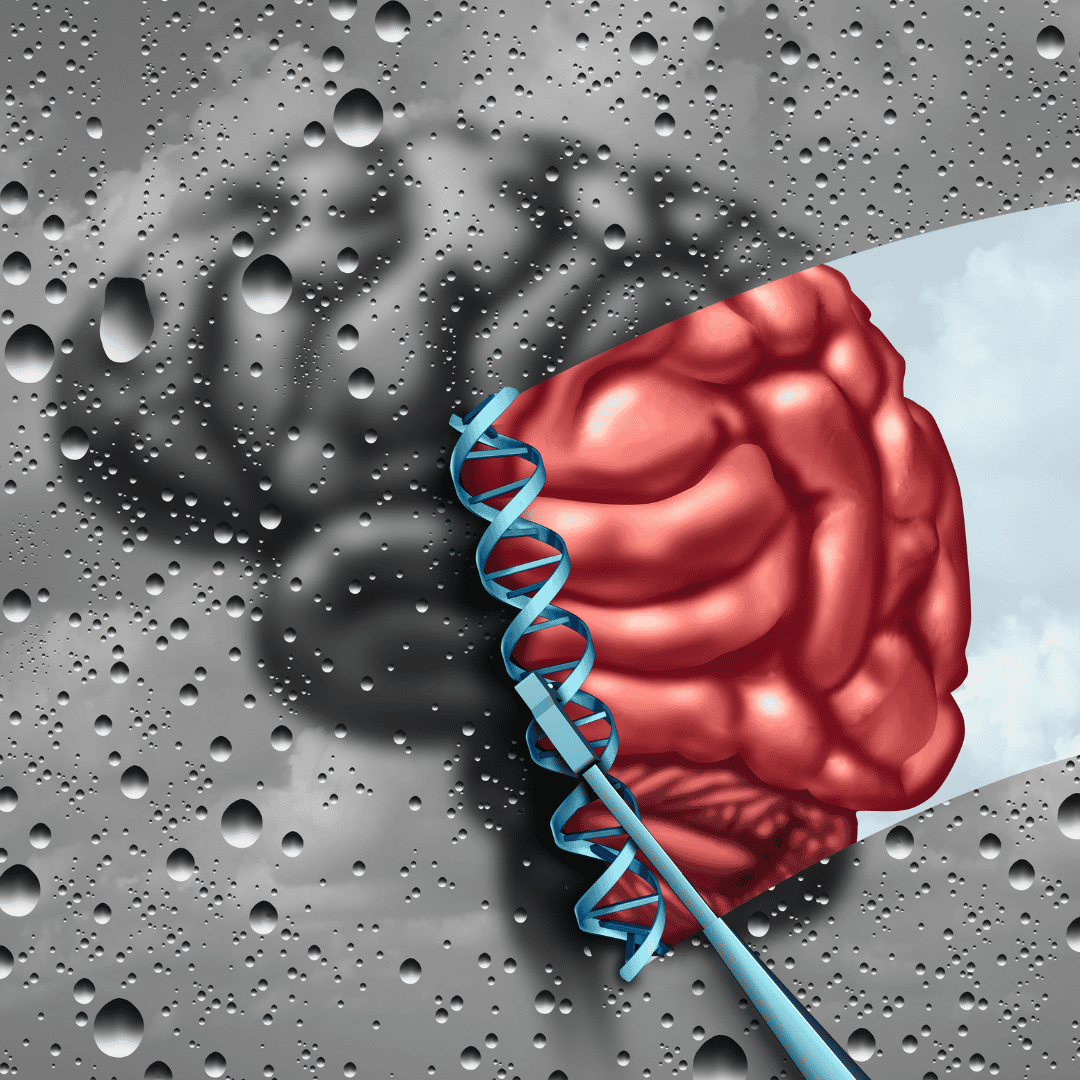
While stem cell therapy is providing incredible, tangible relief for patients right now, the global scientific community is simultaneously racing toward definitive genetic cures. The future of treating Limb-Girdle Muscular Dystrophy lies in correcting the root biological error using revolutionary technologies like CRISPR-Cas9 and targeted gene replacement therapies.
As noted at , scientists are developing adeno-associated virus (AAV) vectors. These harmless viruses are engineered to carry a correct, healthy copy of the defective LGMD gene directly into the patient's muscle cells. Once inside, the new gene begins producing the missing proteins, fundamentally halting the disease process at its genetic source.
The most exciting medical frontier is the potential combination of these technologies. In the near future, patients may receive targeted gene therapy to correct the underlying mutation, followed by high-dose stem cell therapy to rapidly regenerate the muscle tissue that was lost prior to the genetic intervention. This dual-pronged approach represents the absolute pinnacle of personalized regenerative medicine.
Why Early Intervention is Critical
Regardless of whether a patient pursues stem cell treatments today or waits for future gene therapies, early intervention remains the most critical factor for success. Muscular dystrophy causes irreversible scarring (fibrosis) in the muscle tissue. Once muscle fibers are completely replaced by fat and scar tissue, they are exceptionally difficult to regenerate, even with the most advanced therapies.
Therefore, acting swiftly upon receiving an LGMD diagnosis is vital. By undergoing regenerative therapies early in the disease progression, patients can preserve their existing muscle architecture, maintain their functional baseline, and ensure their bodies remain viable candidates for upcoming genetic breakthroughs.
Ranjeet’s story is a profound reminder that complacency is the enemy of rare diseases. By aggressively researching his options and acting decisively, he protected his mobility. His proactive approach serves as a blueprint for newly diagnosed patients who refuse to let the disease dictate the terms of their future.
Building a Global Support Community for Rare Diseases
Overcoming a severe diagnosis like Limb-Girdle Muscular Dystrophy is not a journey meant to be traveled alone. Ranjeet’s success was heavily bolstered by the connections he made within the global rare disease community. Patient advocacy groups, online forums, and dedicated non-profit organizations provide an invaluable lifeline of shared knowledge and emotional support.
These communities serve as massive decentralized databases of patient experiences. When doctors cannot provide answers about experimental treatments, patients turn to each other to share clinic recommendations, discuss the realities of traveling abroad with mobility issues, and exchange specialized physical therapy routines that actually yield results.
By sharing his personal story of defying the odds, Ranjeet Reddy has transformed his private medical victory into a beacon of hope for thousands. He proves that while LGMD may alter the trajectory of a person's life, it does not have to be the end of their story. Empowered by modern science, global medical access, and unyielding determination, patients worldwide are rewriting their futures.
Ready to Explore Advanced Treatment Options?
Don't let Limb-Girdle Muscular Dystrophy dictate your future. Discover world-class stem cell clinics and cutting-edge regenerative therapies available globally. Let PlacidWay guide you toward reputable, accredited medical centers tailored to your unique condition.
REQUEST FREE TREATMENT INFO
.png)
.png)
.png)
.png)
-(6).png)
-(4).png)
.png)








Share this listing