
The New Era of Diabetes Care in Japan: Technology, Treatments, and Transformation
Welcome to the new era of diabetes care, where advanced technology and breakthrough medications are fundamentally transforming patient outcomes worldwide. For decades, managing blood sugar meant relying on painful finger pricks, rigid eating schedules, and constant anxiety over fluctuating numbers.
Today, modern endocrinology offers unprecedented freedom, precision, and hope. In this comprehensive guide of Stem Cell Treatment in Japan, we explore how cutting-edge continuous glucose monitoring systems, automated insulin delivery systems, and innovative GLP-1 therapies are revolutionizing metabolic health. Watch to discover how highly specialized medical approaches are shifting the focus from mere symptom management to actual disease remission.
Video Chapters & Quick Navigation
The landscape of metabolic disease management has shifted dramatically over the past five years. Patients who once felt completely overwhelmed by the daily demands of their condition are now finding empowerment through data-driven insights and targeted pharmacological therapies. This transformation represents a monumental leap forward in global healthcare.
Understanding this new era of diabetes care is essential for anyone touched by the condition, whether you are a patient, a caregiver, or a medical professional. By integrating cutting-edge devices with novel therapeutics, endocrinologists are rewriting the rules of what is possible for patient longevity and quality of life.
The Paradigm Shift in Metabolic Health
Historically, the medical community viewed diabetes primarily as an inevitable, progressive decline. The standard approach was largely reactive, focusing on mitigating damage only after blood sugar levels had already spiked. As our specialist explains, this outdated model forced patients to play a never-ending game of catch-up with their own bodies.
Today, advanced endocrinology treatments prioritize a proactive and highly personalized approach. Instead of waiting for complications like neuropathy or retinopathy to develop, modern medicine seeks to intercept metabolic dysfunction at its earliest stages. This proactive stance is the cornerstone of the new era of diabetes care.
Moving Beyond the A1C Metric
For decades, the Hemoglobin A1C test was the absolute gold standard for measuring diabetes control. While A1C remains an important diagnostic tool, it only provides a generalized three-month average of blood glucose. It completely fails to capture the dangerous daily fluctuations—the extreme highs and debilitating lows—that cause immense physical and mental stress.
Specialists now emphasize "Time in Range" (TIR) as a far more accurate predictor of long-term health. TIR measures the exact percentage of the day a patient's blood sugar remains within a healthy, target parameter. Achieving a high TIR significantly reduces the risk of cardiovascular events and microvascular complications.
The Rise of Continuous Glucose Monitoring Systems
Nothing has democratized diabetes management quite like the widespread adoption of continuous glucose monitoring systems. These remarkable biometric wearables have essentially turned the human body into a readable dashboard. By providing real-time physiological data, they eliminate the frustrating guesswork that traditionally plagued diabetes care.
Patients no longer need to prick their fingers six to ten times a day just to know where they stand. Instead, a small, discreet sensor sits just beneath the skin, measuring interstitial fluid glucose levels every few minutes. This constant stream of data is then beamed directly to a smartphone or dedicated receiver.
Predictive Alerts and Safety Nets
One of the most profound benefits of continuous glucose monitoring systems is their predictive capability. Modern algorithms do not just tell you what your blood sugar is at this exact moment; they predict where it will be in thirty minutes. If a dangerous hypoglycemic event is imminent, the device will trigger an audible alarm, allowing the patient to intervene before an emergency occurs.
This predictive safety net provides immeasurable psychological relief, particularly during the night. The fear of "dead in bed" syndrome—a terrifying reality for many insulin-dependent individuals—is vastly reduced. Parents of children with Type 1 diabetes can finally sleep through the night, trusting the technology to alert them if needed.
Behavioral Modifications Through Data
Beyond safety, CGMs are unparalleled behavioral modification tools. When patients can visually see a sharp graphical spike immediately after eating a specific food, it creates an instant feedback loop. They learn exactly how their unique metabolism responds to different carbohydrates, stress levels, and exercise routines.
This granular insight is critical for managing type 2 diabetes effectively. It empowers patients to make micro-adjustments to their daily habits, creating sustainable lifestyle changes rather than relying on restrictive, generalized diet plans that are destined to fail.
The GLP-1 Receptor Agonist Revolution
While technology has transformed monitoring, pharmacology has seen an equally seismic shift with the introduction of GLP-1 receptor agonists. These groundbreaking medications are fundamentally altering the trajectory of metabolic disease. They are not merely blood sugar lowering agents; they are comprehensive metabolic reset switches.
Medications in this class, such as Semaglutide and Tirzepatide, mimic naturally occurring incretin hormones in the body. By stimulating these specific receptors, they address multiple pathways of diabetes pathophysiology simultaneously, offering a multifaceted defense against the disease.
Mechanism of Action: Beyond the Pancreas
GLP-1 medications work brilliantly by enhancing insulin secretion only when glucose levels are elevated, thereby minimizing the risk of dangerous hypoglycemia. Simultaneously, they suppress glucagon—the hormone responsible for signaling the liver to release stored sugar into the bloodstream.
However, their most widely discussed mechanism occurs in the gut and the brain. These medications dramatically slow gastric emptying, causing patients to feel fuller for much longer periods. In the brain, they target the appetite regulation centers, quieting the constant "food noise" and intense cravings that often derail dietary efforts.
Cardiometabolic Benefits and Weight Loss
The utilization of GLP-1 receptor agonists for weight loss has dominated medical headlines, and for good reason. Significant weight reduction directly attacks the root cause of insulin resistance in Type 2 diabetics. By shedding visceral fat, the body's natural insulin sensitivity is restored, often leading to a complete remission of the disease.
Furthermore, extensive clinical trials have proven that these therapies offer profound cardiovascular protection. They significantly reduce the risk of major adverse cardiovascular events, such as heart attacks and strokes, which remain the leading cause of mortality among diabetic patients.
Automated Insulin Delivery: The Artificial Pancreas Explained
For individuals who are entirely insulin-dependent, the holy grail of diabetes management has always been the "artificial pancreas." Thanks to rapid advancements in medical algorithms and micro-pump technology, automated insulin delivery systems are now a commercially available reality. This represents a monumental leap in daily care.
These systems work by creating a closed-loop communication circuit between a continuous glucose monitor and an insulin pump. The CGM reads the blood sugar levels and sends that data to the pump's internal computer algorithm every five minutes.
Algorithmic Precision and Micro-Bolusing
Based on the incoming data stream, the automated algorithm makes real-time, micro-adjustments to the patient's basal (background) insulin delivery. If the system detects that blood sugar is trending downward, it will automatically suspend insulin delivery to prevent a crash. Conversely, if levels are rising, it will deploy tiny correction boluses to bring the glucose back into the target range.
This dynamic, physiological responsiveness mimics the function of a healthy, biological pancreas far better than static daily injections ever could. It virtually eliminates the need for complex mathematical carb-to-insulin ratios that patients traditionally had to calculate manually before every single meal.
Lifting the Cognitive Burden
The true value of automated insulin delivery systems extends far beyond physical health metrics. Diabetes is notoriously recognized as a relentless, 24/7 cognitive burden. Patients make an estimated 180 extra health-related decisions every single day just to stay alive.
By offloading the vast majority of these micro-decisions to a highly intelligent algorithm, patients experience a profound reduction in diabetes distress and burnout. They can finally focus on their careers, their families, and their hobbies, rather than being constantly tethered to their disease.
Personalized Nutrition and Lifestyle Medicine
Even with the most advanced biotechnology and pharmaceutical interventions available, foundational lifestyle factors remain an irreplaceable pillar of metabolic health. However, the new era of diabetes care has entirely discarded the outdated, one-size-fits-all dietary guidelines of the past. Precision nutrition is the new standard.
Medical professionals now understand that two people can eat the exact same meal and experience vastly different glycemic responses. Factors such as individual gut microbiome composition, genetics, sleep quality, and chronic stress levels all play massive roles in how carbohydrates are metabolized.
Reversing Prediabetes with Lifestyle Changes
For the millions of individuals currently hovering in the prediabetic range, proactive lifestyle medicine is critical. Reversing prediabetes with lifestyle changes is entirely possible when patients are equipped with the right data and behavioral strategies. The focus has shifted from restrictive calorie counting to optimizing macronutrient timing and improving metabolic flexibility.
Integrating simple habits, such as taking a brief ten-minute walk immediately after meals, can drastically blunt glucose spikes by shuttling sugar directly into the muscle cells without requiring large amounts of insulin. Similarly, prioritizing resistance training builds lean muscle mass, which serves as a highly efficient metabolic sink for circulating blood glucose.
The Role of Sleep and Stress Management
Endocrinologists are increasingly prescribing sleep and stress management protocols alongside traditional medications. Chronic sleep deprivation elevates cortisol levels, which directly induces severe, temporary insulin resistance. Even a few nights of poor sleep can make managing type 2 diabetes effectively almost impossible, regardless of strict dietary adherence.
Mindfulness practices, optimizing circadian rhythms, and prioritizing deep restorative sleep are now viewed as legitimate medical interventions. Treating the whole patient—rather than just chasing blood sugar numbers—is the defining characteristic of modern metabolic healthcare.
Overcoming Barriers: Global Access to Advanced Care
While the technological and pharmacological advancements in diabetes care are truly miraculous, they highlight a growing crisis: accessibility and cost. In many Western nations, the out-of-pocket expenses for continuous glucose monitors, advanced insulin pumps, and monthly GLP-1 prescriptions are financially crippling for the average patient.
The high cost of maintaining optimal metabolic health has forced many individuals to ration their insulin or skip doses of life-saving medications. This stark reality has fueled a massive surge in medical tourism, as patients desperately seek affordable diabetes care options abroad without sacrificing quality.
The Rise of Medical Tourism for Endocrinology
Patients are increasingly discovering that world-class metabolic clinics exist in countries like Mexico, Turkey, Thailand, and Costa Rica. These internationally accredited facilities offer comprehensive diabetes checkups, detailed endocrinologist consultations, and access to premium medications at a fraction of US or European prices.
A comprehensive metabolic package abroad often includes advanced blood panels, cardiovascular screenings, personalized nutrition plans, and a multi-month supply of necessary medications. These all-inclusive programs provide an incredible opportunity for patients to reset their health in a supportive, high-quality medical environment.
Empowering Patients Through Choice
Navigating the global healthcare landscape can seem daunting, but specialized medical tourism facilitators act as crucial bridges to care. They vet clinics for safety, verify the credentials of international endocrinologists, and handle the complex logistics of medical travel.
By stepping outside their domestic healthcare systems, patients are no longer held hostage by exorbitant pricing models. They can finally access the cutting-edge therapies required to thrive in this new era of diabetes care. Securing advanced endocrinology treatments is no longer a privilege reserved for the wealthy; it is becoming a global reality for proactive patients everywhere.
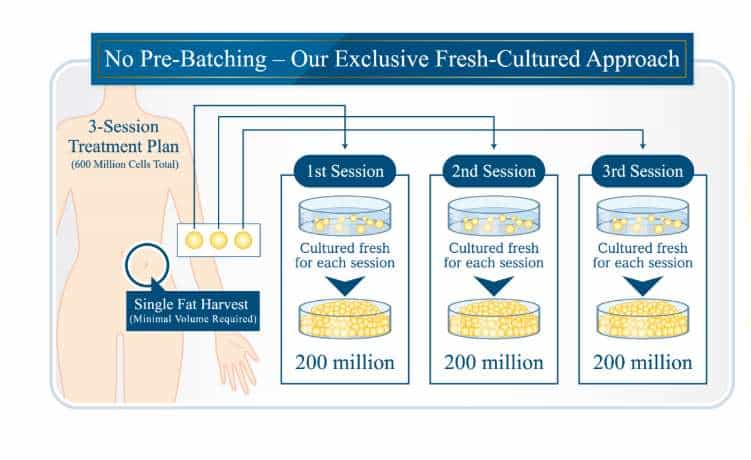
Stem Cell Gallery at Cell Grand Clinic




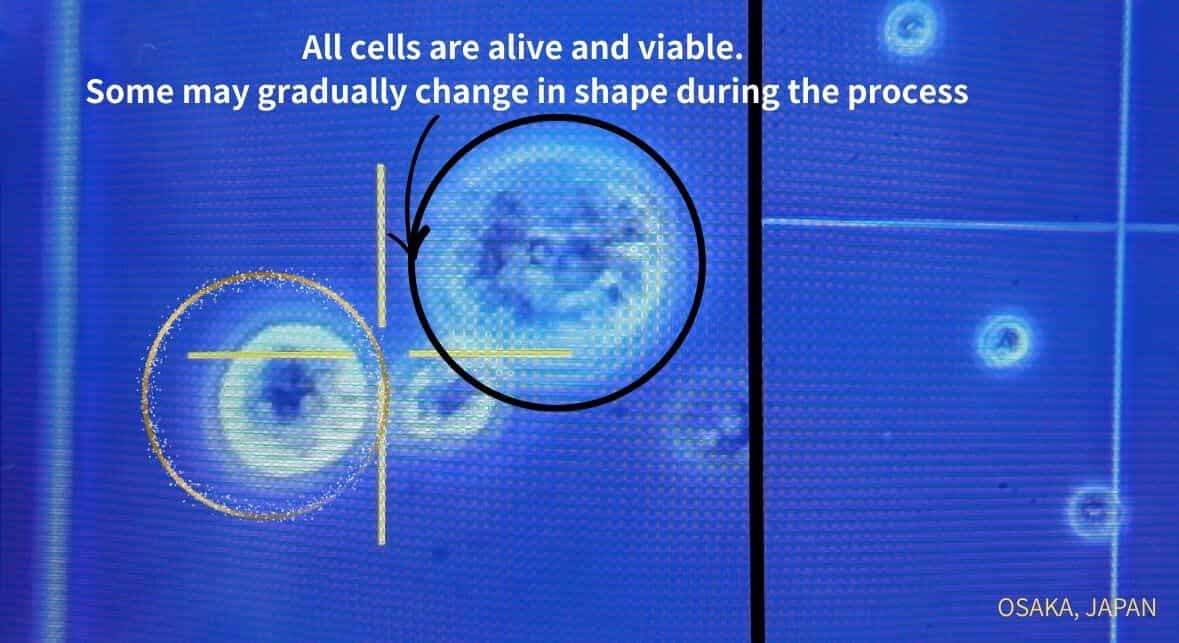
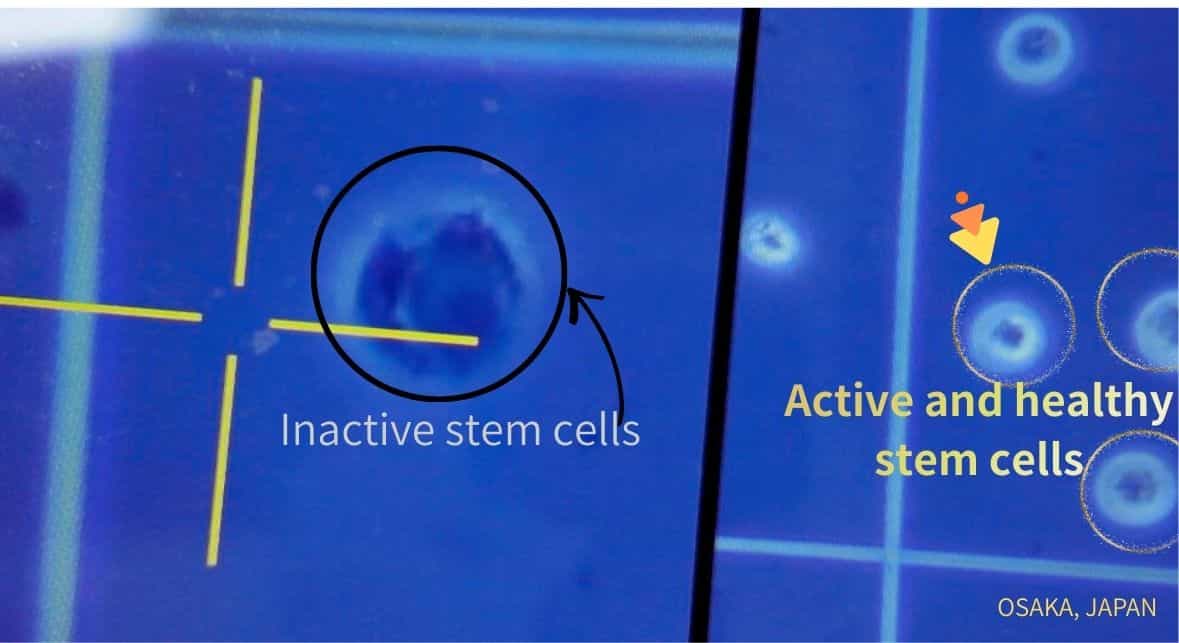
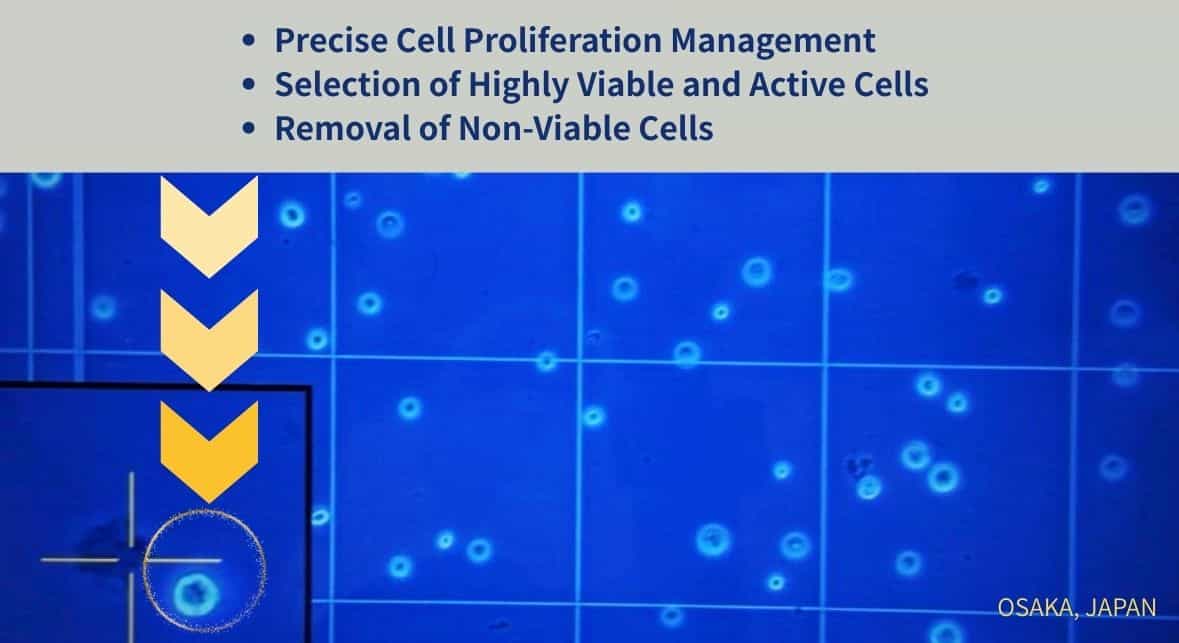
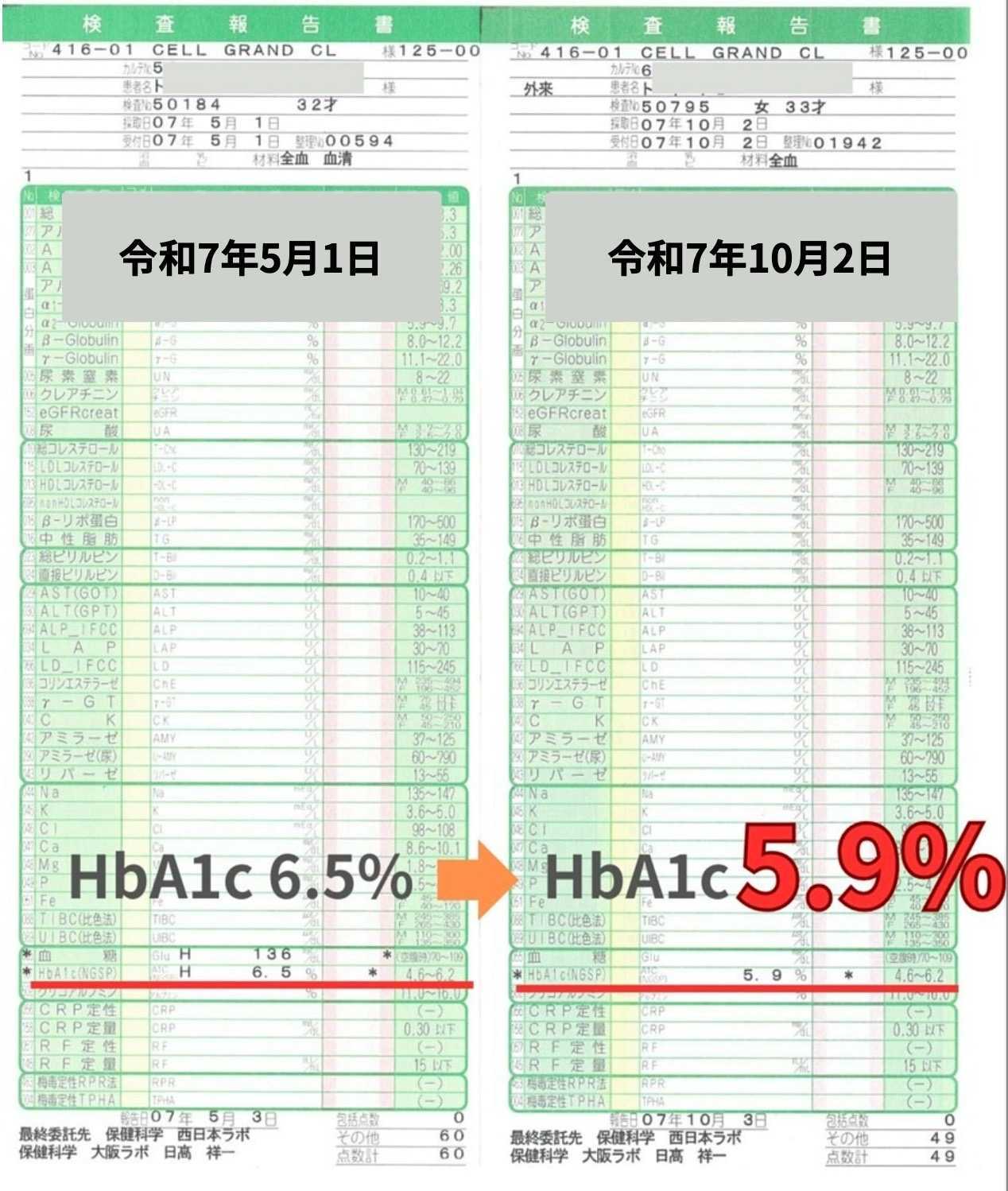
Diabetes DM Cases
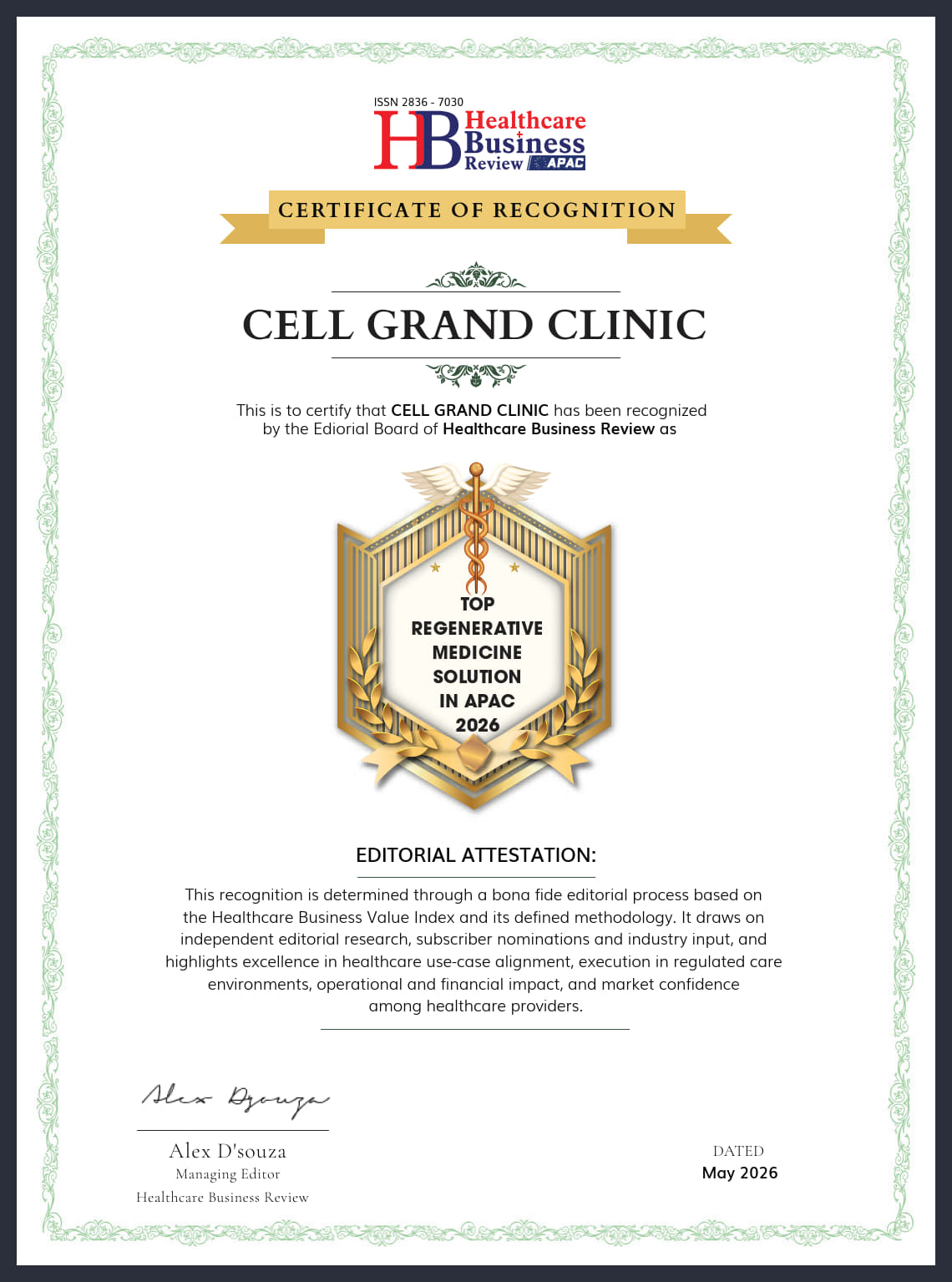
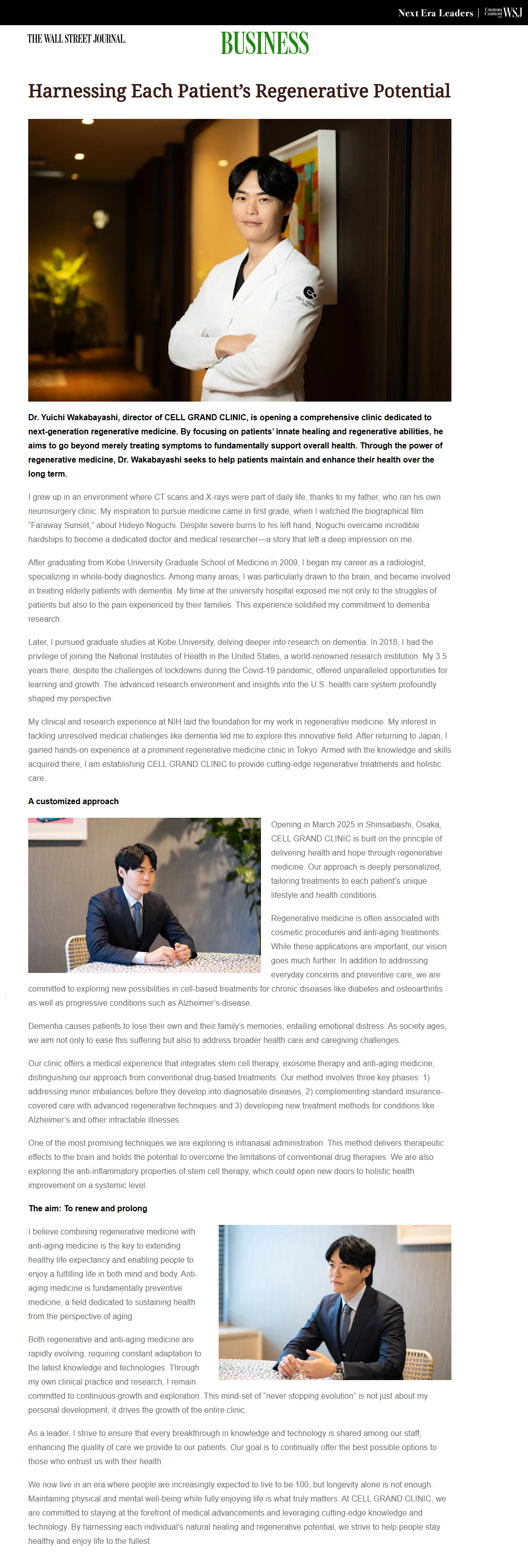
Cell Grand Clinic has earned international recognition for its leadership in regenerative medicine and commitment to advancing patient-centered care. The clinic's founder, Dr. Yuichi Wakabayashi, was featured in the Business section of The Wall Street Journal, highlighting his pioneering work and innovative vision in the field of regenerative medicine.
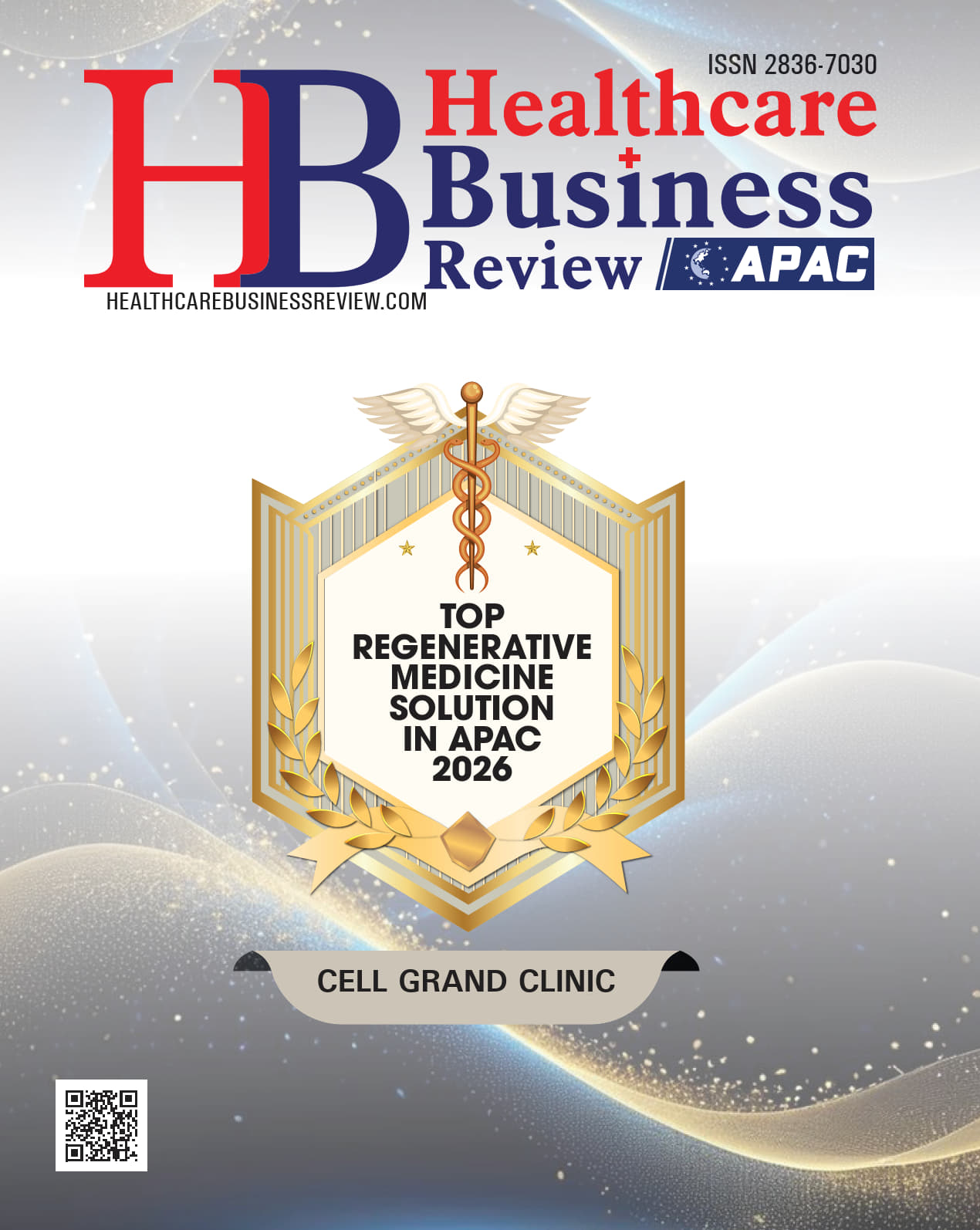
Further demonstrating its dedication to clinical excellence, the clinic's leadership holds the prestigious American Board of Regenerative Medicine Certificate, reinforcing its reputation as an Advanced Stem Cell Clinic in Japan. Adding to these achievements, Cell Grand Clinic was recognized by Healthcare Business Review APAC as a Top Regenerative Medicine Solution in APAC for 2026, reflecting its growing influence and excellence in delivering cutting-edge regenerative healthcare solutions.
Recognized by Healthcare Business Review APAC as a Top Regenerative Medicine Solution in APAC (2026).
The Wall Street Journal Feature Dr. Yuichi Wakabayashi
Peer-Reviewed Publication
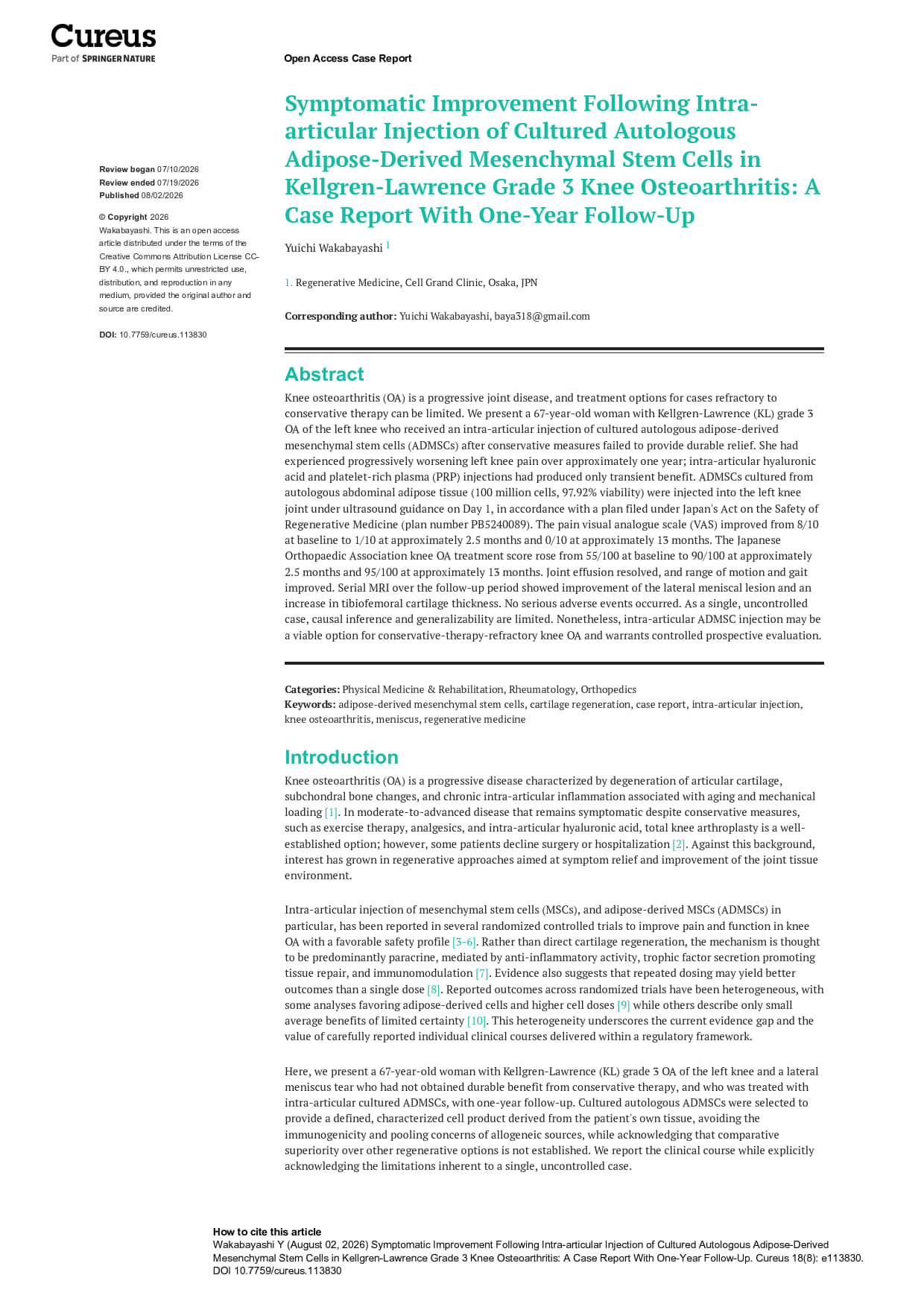
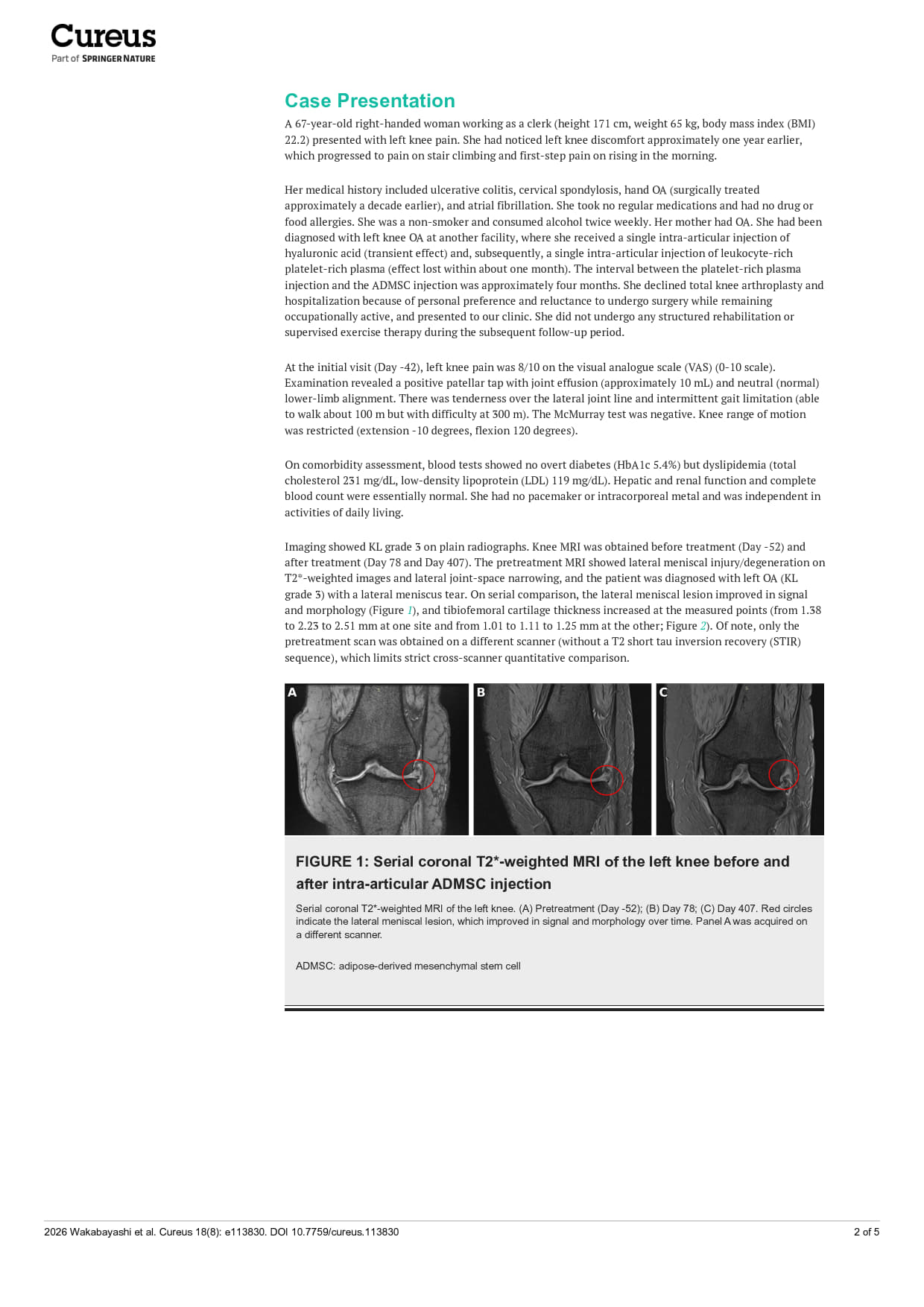
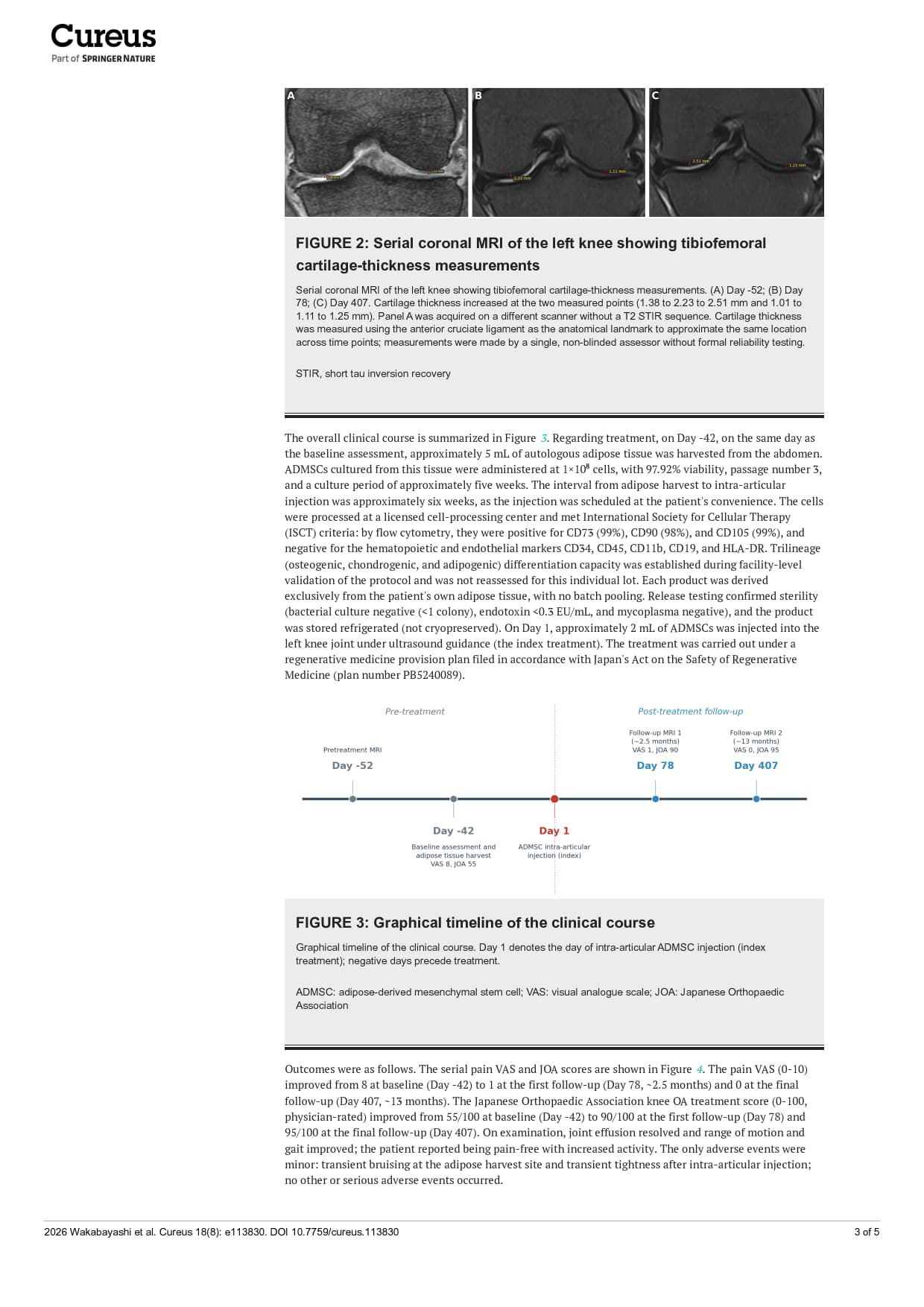
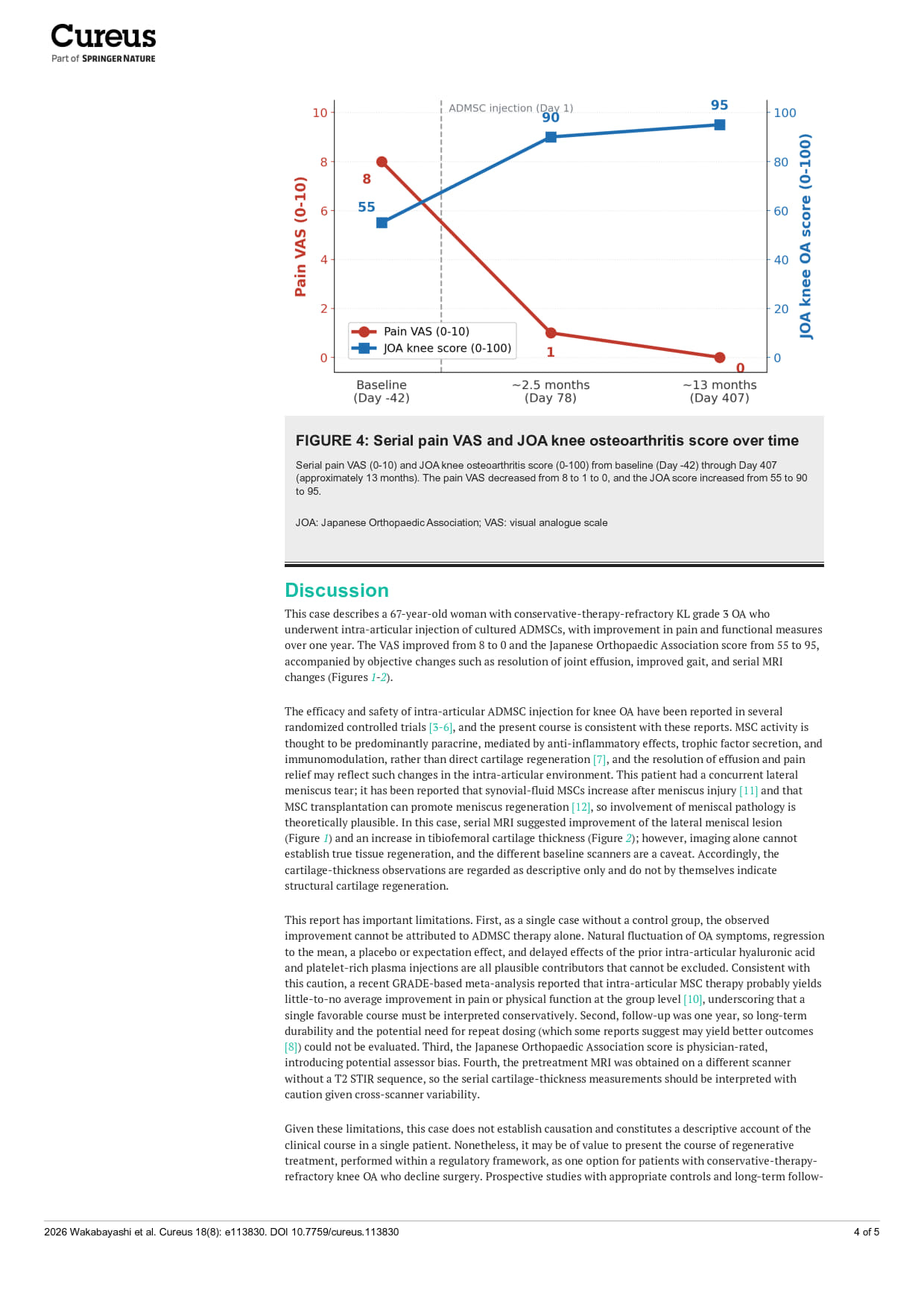
Reflecting this commitment to transparency, Dr. Wakabayashi’s one-year outcome report on adipose-derived stem cell therapy for knee osteoarthritis was published in the peer-reviewed medical journal Cureus in 2026 (DOI: 10.7759/cureus.113830), adding independently verifiable clinical documentation to the clinic’s growing body of research.
Symptomatic Improvement Following Intra-articular Injection of Cultured Autologous Adipose-Derived Mesenchymal Stem Cells in Kellgren-Lawrence Grade 3 Knee Osteoarthritis: A Case Report With One-Year Follow-Up
 Page 1
 Page 2
 Page 3
 Page 4
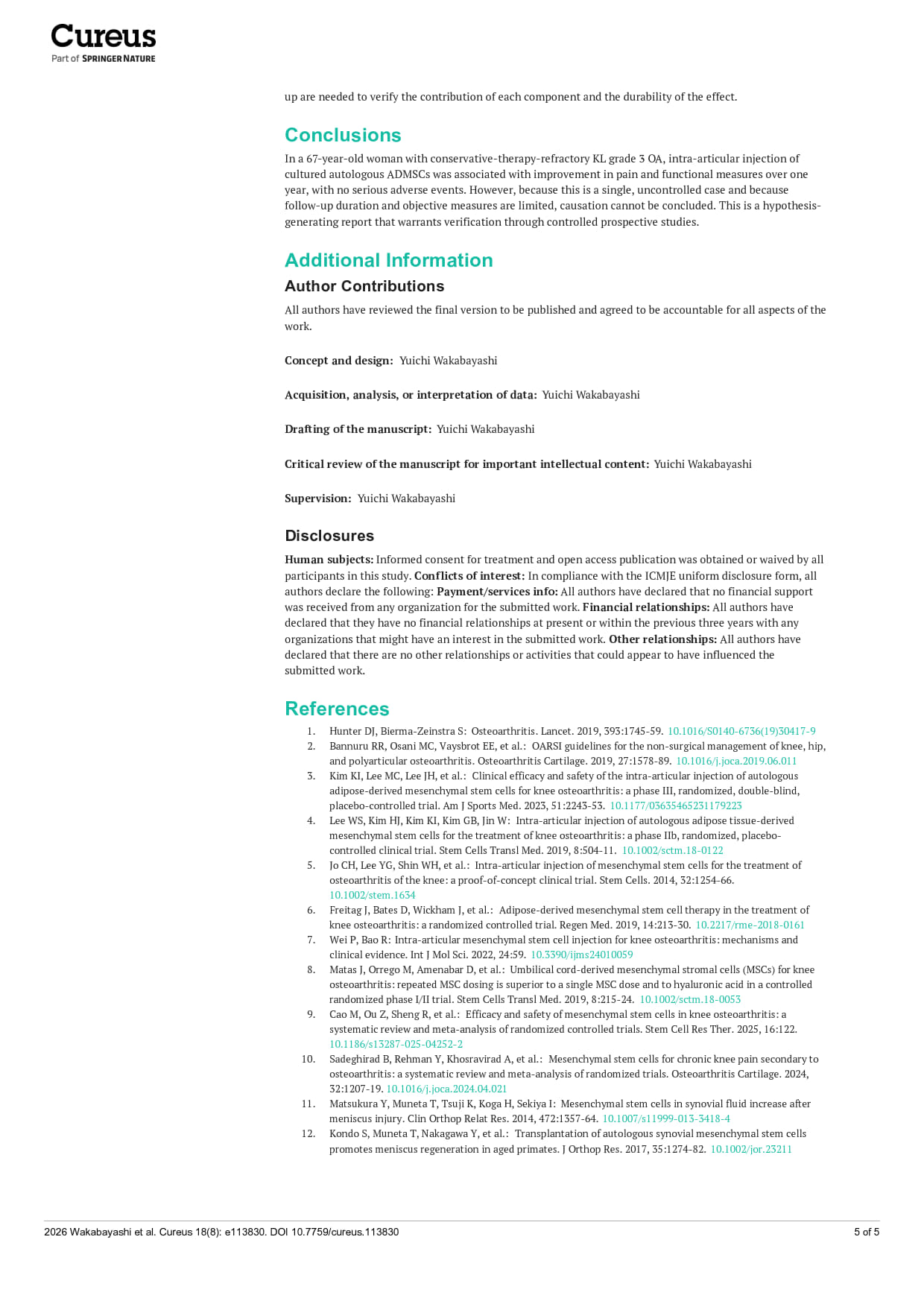 Page 5
Author: Yuichi Wakabayashi
Affiliation: Regenerative Medicine, Cell Grand Clinic, Osaka, Japan
Journal: Cureus
Year: 2026
Volume/Issue: 18(8)
Article: e113830
DOI: 10.7759/cureus.113830
Take Control of Your Metabolic Health Today
Are exorbitant healthcare costs preventing you from accessing the latest diabetes technologies and medications? PlacidWay Medical Tourism connects you with world-renowned endocrinology centers globally, offering state-of-the-art, affordable diabetes care options. Let us help you find the personalized treatment you deserve.
REQUEST FREE CONSULTATION


















.png)






.png)
.png)
.png)








Share this listing