


Parkinson's Disease Treatment in Mexico: A Holistic Awakening with Dr. Carlos Silva and Ibogaine Therapy
For millions worldwide, a Parkinson’s disease diagnosis feels like a definitive, unyielding sentence to progressive decline. Traditional allopathic medicine has long relied on dopamine replacement therapies that merely manage symptoms while often introducing debilitating side effects over time. However, a groundbreaking paradigm shift is occurring just across the border. Progressive patients are now discovering transformative Parkinson's Disease Treatment in Mexico. In this deeply insightful discussion, we explore the revolutionary work of Dr. Carlos Silva at the New Path clinic. By integrating profound holistic practices with the neuro-regenerative potential of Ibogaine therapy, Dr. Silva is offering patients not just symptom management, but a genuine opportunity to reclaim their neurological health, independence, and overall quality of life.
Video Chapters & Quick Navigation
The Complexities of Living with Parkinson's Disease
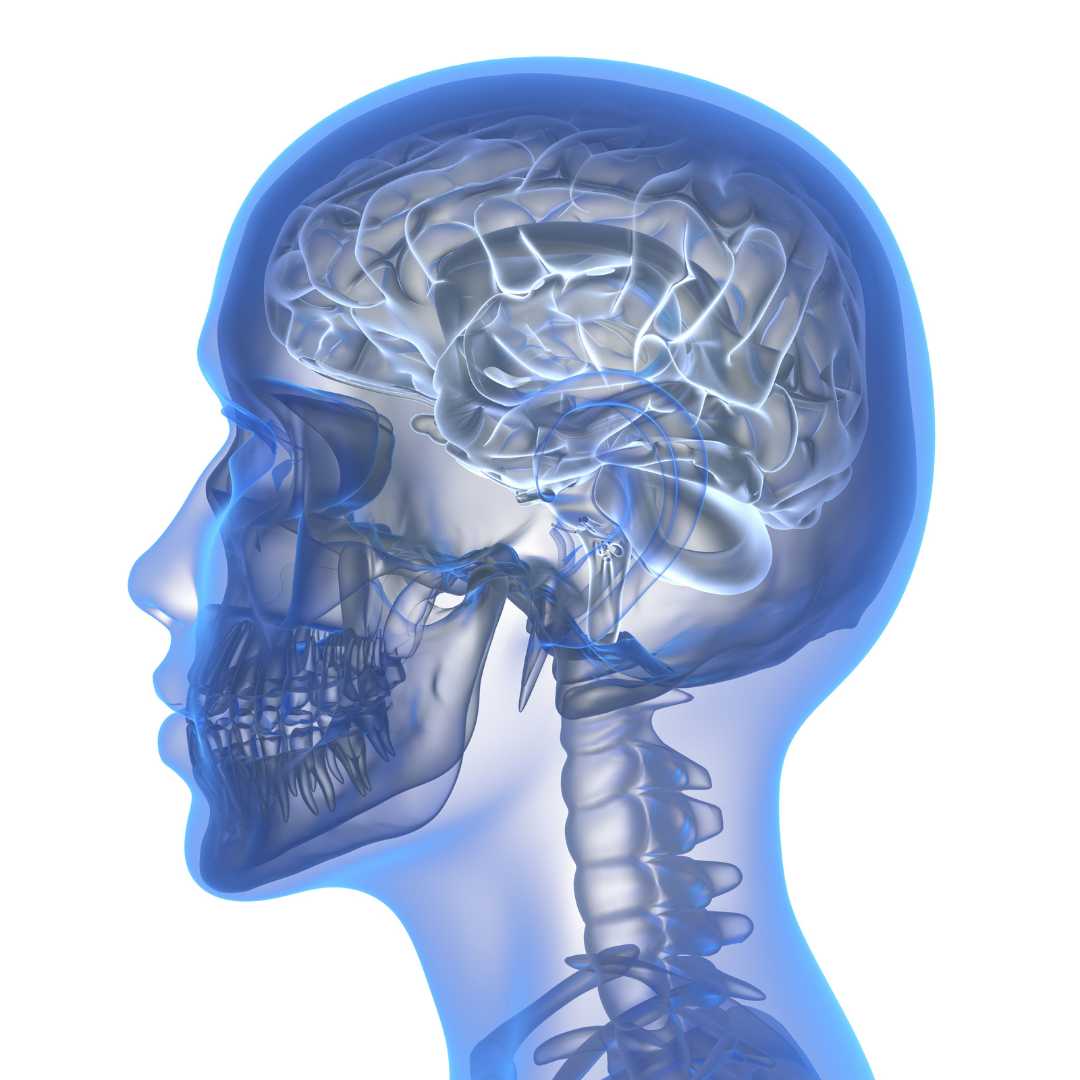
Parkinson's disease is a deeply complex, progressive neurodegenerative disorder that primarily affects the motor system. It occurs when nerve cells, or neurons, in an area of the brain known as the substantia nigra become impaired or die. Normally, these neurons are responsible for producing dopamine, a vital chemical messenger that transmits signals to the parts of the brain controlling smooth, purposeful muscle movement. When dopamine levels drop significantly, the hallmark motor symptoms of Parkinson's begin to manifest.
Patients typically first notice subtle signs, such as a slight tremor in one hand, which is often dismissed as minor fatigue or stress . Over time, these symptoms escalate into severe muscle rigidity, bradykinesia (slowness of movement), and postural instability. Simple daily tasks—like buttoning a shirt, tying shoelaces, or walking steadily across a room—transform into monumental challenges that drain the patient's physical and emotional energy.
However, the devastation of Parkinson's disease extends far beyond motor impairment. Non-motor symptoms often precede the physical tremors by years and can be equally, if not more, debilitating. These include severe sleep disturbances, chronic fatigue, gastrointestinal issues, and profound mood disorders such as depression and anxiety. The all-encompassing nature of this disease dictates that any effective treatment protocol must address the entire spectrum of symptoms, rather than isolating the physical manifestations.
The Limitations of Standard Allopathic Treatments
For decades, the global standard of care for Parkinson's disease has been pharmacological intervention, most notably the administration of Levodopa combined with Carbidopa. While these medications can provide a miraculous, temporary restoration of motor function during the early stages of the disease, they are fundamentally imperfect. They act as a band-aid, replacing the missing dopamine without halting the underlying death of the dopaminergic neurons .
As the disease progresses, patients inevitably experience the dreaded "wearing-off" phenomenon. The therapeutic window of the medication shortens, leading to unpredictable fluctuations in mobility known as "on-off" periods. Furthermore, prolonged use of synthetic dopamine often induces levodopa-induced dyskinesia—involuntary, erratic, and sometimes violent writhing movements that can be as distressing as the Parkinson's symptoms themselves.
When medications fail, Western medicine often turns to highly invasive surgical procedures like Deep Brain Stimulation (DBS). While DBS can be effective for certain patients, it involves implanting electrodes deep within the brain, carrying significant risks of infection, stroke, and cognitive decline. This harsh reality has sparked a massive global movement of patients seeking alternative Parkinson's treatments abroad, looking for solutions that promote genuine neurological healing rather than mere symptom suppression.
The Rise of Medical Tourism: Why Seek Parkinson's Disease Treatment in Mexico?
In recent years, Mexico has emerged as a premier global destination for advanced, alternative medical treatments. The country has carefully cultivated a healthcare environment that bridges the gap between rigorous scientific oversight and progressive therapeutic freedom. This unique regulatory landscape allows highly qualified medical professionals to utilize breakthrough therapies—such as plant-based neurological treatments and advanced stem cell protocols—that remain entangled in decades-long bureaucratic approval processes in the United States and Europe.
World-Class Facilities and Accessibility
Choosing to pursue Parkinson's disease treatment in Mexico does not mean compromising on the quality of care. The top-tier clinics catering to international patients feature state-of-the-art medical technology, pristine clinical environments, and stringent sterilization protocols. Many of these facilities rival or exceed the standards of luxury private hospitals in North America.
Furthermore, the geographic proximity of Mexico makes it incredibly accessible for North American patients. Major international airports facilitate direct, short flights, minimizing the physical toll of travel on patients who already suffer from mobility issues and chronic fatigue. Upon arrival, specialized clinics often provide end-to-end concierge services, including private transportation and specialized accommodations, ensuring a stress-free medical journey.
Financial Feasibility of Advanced Care
The exorbitant cost of chronic neurological care in the West is a massive burden on families. Even with premium insurance, the out-of-pocket expenses for continuous specialist visits, escalating medication dosages, and potential surgical interventions can lead to financial ruin. Medical tourism in Mexico offers these groundbreaking holistic therapies at a fraction of the cost, making true healing accessible to a much broader demographic.
Dr. Carlos Silva: Pioneering Holistic Neurological Care
At the forefront of this medical revolution is Dr. Carlos Silva, a visionary physician who has dedicated his career to redefining how we approach neurodegenerative diseases. Dr. Silva’s background is rooted in rigorous traditional medical training, giving him a profound understanding of human anatomy, pharmacology, and conventional neurological protocols. However, his extensive clinical experience revealed the glaring inadequacies of merely prescribing pills to mask progressive diseases .
Dr. Silva recognized that true healing requires a radical shift in perspective. He transitioned into the realm of integrative and holistic medicine, seeking to treat the patient as a complete ecosystem rather than a collection of isolated, failing parts. His philosophy centers on the belief that the body possesses an innate, powerful capacity for self-repair, provided it is given the correct biological tools, neurological stimuli, and a supportive environment.
His approach is deeply personalized. Dr. Silva does not utilize a one-size-fits-all protocol. Instead, he conducts exhaustive pre-treatment evaluations to understand each patient's unique physiological baseline, toxic load, nutritional deficiencies, and psychological state. This comprehensive mapping allows him to curate highly specific treatment plans that maximize safety and therapeutic efficacy, setting a new global standard for alternative Parkinson's care.
The New Path Clinic: A Sanctuary for Deep Healing
The environment in which healing takes place is just as critical as the medical intervention itself. The New Path clinic in Mexico is intentionally designed to shatter the cold, clinical, and anxiety-inducing atmosphere typical of conventional hospitals. From the moment a patient walks through the doors, they are enveloped in an atmosphere of tranquility, compassion, and deep respect.
- Immersive Nature Integration: The facility incorporates natural light, calming acoustics, and access to serene outdoor spaces, recognizing the scientifically proven benefits of nature on the central nervous system.
- Round-the-Clock Specialized Nursing: Patients are monitored 24/7 by a team of highly trained nurses who specialize in neurological care and plant medicine integration, ensuring absolute medical safety.
- Psychological Safe Spaces: Dedicated areas are designed for emotional processing, meditation, and psychological counseling, supporting the deep mental shifts that occur during holistic therapy.
This sanctuary-like environment is particularly crucial for patients undergoing powerful alternative therapies. Neurodegenerative diseases thrive on stress and elevated cortisol levels. By removing the patient from their stressful daily routines and placing them in a meticulously curated healing oasis, New Path primes the parasympathetic nervous system for maximum receptivity to treatment.
Understanding Ibogaine Therapy for Neurodegenerative Diseases
The centerpiece of Dr. Carlos Silva's innovative protocol at New Path is the clinical application of Ibogaine. Extracted from the root bark of the Tabernanthe iboga shrub native to West Africa, Ibogaine is a powerful psychoactive alkaloid with a rich history of traditional use. While it gained global recognition in the late 20th century as a rapid interrupter of severe opioid addiction, modern neurological research has unveiled its astonishing potential for treating neurodegenerative conditions like Parkinson's disease .
The Science of Neuroplasticity and GDNF
The magic of Ibogaine lies in its profound interaction with the brain's receptor systems. Unlike traditional medications that simply flood the brain with synthetic dopamine, Ibogaine acts as an intense neurological reset. Clinical studies and extensive patient reports indicate that Ibogaine administration stimulates the rapid expression of Glial cell line-derived neurotrophic factor (GDNF) and Brain-derived neurotrophic factor (BDNF).
These neurotrophic factors are essentially "miracle-gro" for the brain. They promote neuroplasticity, which is the brain's ability to reorganize itself by forming new neural connections. More importantly, GDNF has been shown to protect surviving dopaminergic neurons in the substantia nigra and even stimulate the sprouting of new nerve terminals. This means Ibogaine has the potential to address the root physical degradation caused by Parkinson's, rather than just masking the tremors.
Resetting the Dopamine Receptors
Furthermore, Ibogaine is known to highly regulate the dopamine system. After years of battling Parkinson's and utilizing heavy synthetic medications, a patient's dopamine receptors often become desensitized and dysfunctional. Ibogaine therapy helps to clear these receptor pathways, bringing the brain back to a state of homeostasis. Patients frequently report a significant reduction in tremors, improved gait, and a clearing of the persistent "brain fog" associated with the disease.
The Holistic Approach: Integrating Mind, Body, and Spirit
While Ibogaine is a profound catalyst for neurological regeneration, Dr. Silva emphasizes that it is not a standalone "magic bullet." True, lasting recovery requires a comprehensive holistic approach that addresses the entirety of the patient's lifestyle, diet, and emotional well-being . At New Path, the administration of plant medicine is heavily supported by a multi-disciplinary framework.
Nutritional rehabilitation plays a massive role in this protocol. Neuroinflammation is a primary driver of Parkinson's disease progression. The clinic implements strict, anti-inflammatory dietary protocols tailored to each patient. By eliminating processed sugars, gluten, and artificial toxins, and flooding the body with high-density antioxidants, healthy fats, and targeted supplements, the body's inflammatory markers are drastically reduced. This dietary shift creates the optimal biological environment for the neurotrophic factors stimulated by Ibogaine to do their reparative work.
Additionally, physical therapies tailored to neurological rehabilitation are integrated daily. This includes specialized mobility exercises, yoga, and stretching routines designed to combat rigidity and improve balance. Beyond the physical, the psychological aspect of chronic illness is addressed through intensive counseling, mindfulness training, and sound therapy. Patients are guided to release the deep-seated emotional trauma and chronic stress that often exacerbate physical symptoms.
Comparing Traditional vs. Holistic Parkinson's Care
To fully grasp the paradigm shift offered by Dr. Silva at the New Path clinic, it is helpful to directly contrast standard allopathic care with the holistic Ibogaine protocol. The table below outlines the core differences in philosophy, application, and long-term goals.
| Treatment Aspect | Traditional Allopathic Care | Holistic Ibogaine Protocol (New Path) |
|---|---|---|
| Primary Goal | Symptom suppression and management. | Neurological reset, receptor healing, and holistic balance. |
| Medication Strategy | Daily lifelong reliance on synthetic dopamine (Levodopa). | Targeted, short-term plant medicine application to promote neuroplasticity. |
| Side Effects | High risk of dyskinesia, "on-off" fluctuations, and toxicity. | Intense transient psychoactive experience; requires strict cardiac screening. |
| Focus on Nutrition | Minimal; generally limited to timing meals around medication. | Extensive; utilizing anti-inflammatory diets to stop neuroinflammation. |
| Psychological Care | Often treated separately with pharmaceutical antidepressants. | Deeply integrated into the treatment through counseling and integration therapy. |
The Importance of Rigorous Medical Screening
It is imperative to understand that Ibogaine is a highly potent medicine that demands the utmost respect and rigorous medical supervision. It is not suitable for everyone, which is why Dr. Silva's protocols at New Path are considered industry-leading . The primary physiological concern with Ibogaine administration is its effect on the cardiovascular system, specifically its potential to prolong the QT interval in the heart.
Before any patient is approved for treatment at the New Path clinic, they must undergo extensive cardiac testing, including multi-day ECG/EKG monitoring, comprehensive metabolic panels, and liver function tests. Dr. Silva’s medical team meticulously reviews the patient's entire pharmaceutical history, as many common medications (including certain antidepressants and heart medications) are strictly contraindicated with Ibogaine and require a carefully managed tapering process prior to arrival.
During the actual administration of the "flood dose" of Ibogaine, patients are connected to advanced cardiac monitors. Advanced Life Support (ALS) trained medical staff remain at the bedside throughout the entire journey, which can last up to 24 hours. This uncompromising dedication to patient safety is what separates premier medical tourism facilities in Mexico from unregulated underground operations.
The Aftercare and Integration Phase
The days following the Ibogaine treatment are often described by patients as a rebirth. The immediate withdrawal of neurological symptoms and the profound mental clarity achieved during the psychedelic journey leave the brain in a highly plastic, moldable state. However, the work does not end when the medicine wears off. In fact, Dr. Silva stresses that the integration phase is where the long-term success of the treatment is solidified.
At New Path, patients engage in intensive integration therapy. This involves working with specialized therapists to process the profound psychological insights gained during the treatment. Because Parkinson's disease strips away a patient's independence, the sudden return of motor function and mental clarity can be overwhelming. Integration therapy helps patients rebuild their identity, set new life goals, and develop daily mindfulness practices to sustain their healing.
Furthermore, patients leave the clinic with a comprehensive, personalized roadmap for their continued recovery. This includes ongoing dietary guidelines, physical therapy routines, and supplement regimens designed to continuously support dopamine production and neurological health. The team at New Path maintains regular follow-up consultations to monitor progress, adjust protocols, and provide unwavering support as the patient navigates their renewed life.
Ready to Explore Holistic Parkinson's Treatment?
You do not have to accept a steady decline. Discover how Dr. Carlos Silva and the groundbreaking Ibogaine therapies at New Path in Mexico can help you reclaim your neurological health and independence. Take the first step toward true holistic healing today.
REQUEST FREE INFORMATION
.png)
.png)


Share this listing