
Parkinson's Disease Treatment in Mexico with Dr. Carlos Silva and Ibogaine Therapy
Parkinson's disease is a progressive neurological condition that can affect movement, independence, emotional well-being, and everyday quality of life. Conventional treatment commonly focuses on managing symptoms with medications and, for selected patients, procedures such as Deep Brain Stimulation. Some patients also explore integrative and alternative approaches when researching their treatment options.
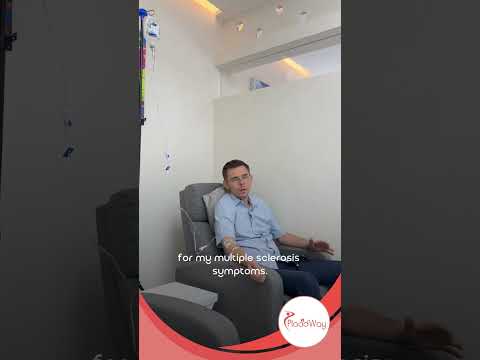
In this video, Dr. Carlos Silva discusses Parkinson's disease treatment in Mexico at New Path, including the clinic's use of medically supervised Ibogaine therapy together with nutritional support, physical rehabilitation, psychological care, mindfulness, and other holistic practices.
The discussion explores Parkinson's symptoms, limitations associated with conventional symptom-management approaches, medical tourism in Mexico, Ibogaine's proposed neurological mechanisms, patient screening, cardiac monitoring, supportive therapies, and the importance of aftercare and integration.
Video Chapters & Quick Navigation
Understanding Parkinson's Disease and Its Symptoms
Parkinson's disease is a complex, progressive neurodegenerative disorder that primarily affects movement. It develops when nerve cells, or neurons, in an area of the brain called the substantia nigra become impaired or die. These neurons normally produce dopamine, a chemical messenger involved in communication between areas of the brain that control smooth and purposeful movement.
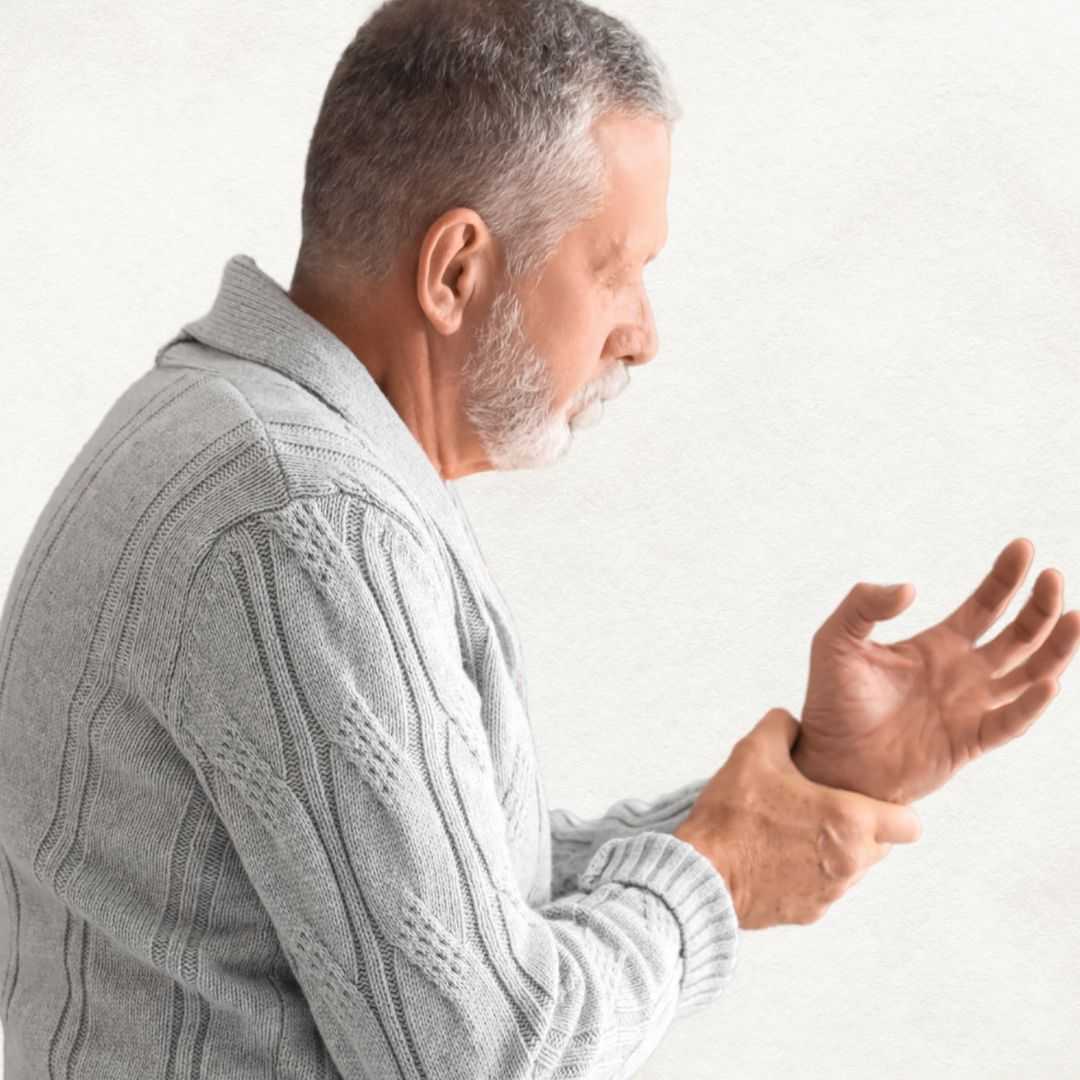
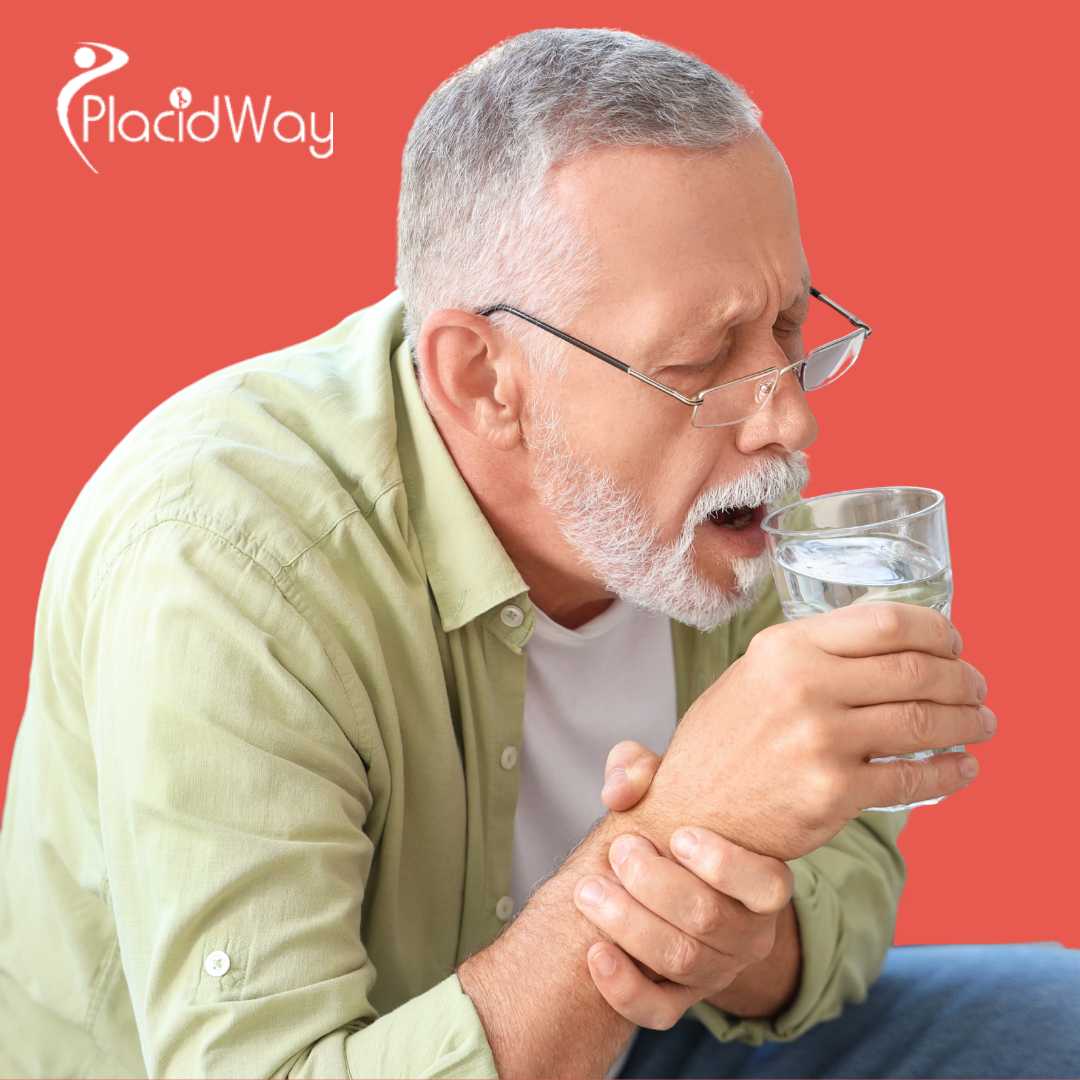
As dopamine-producing neurons are lost and dopamine levels decline, characteristic motor symptoms of Parkinson's disease can develop. Early signs may include a subtle tremor in one hand. As the condition progresses, patients may experience muscle rigidity, bradykinesia or slowness of movement, and problems with posture and balance.
Activities that were once simple, including buttoning clothing, tying shoelaces, standing, or walking steadily, may gradually become more difficult and require significantly more physical and emotional effort.
Parkinson's disease can also involve important non-motor symptoms. These may include sleep disturbances, fatigue, gastrointestinal problems, depression, and anxiety. Because Parkinson's can affect multiple aspects of a patient's health and daily life, comprehensive care may need to consider both motor and non-motor symptoms.
Conventional Parkinson's Disease Treatment and Its Limitations
Conventional Parkinson's disease treatment frequently includes medications intended to improve dopamine-related function. One widely used approach is Levodopa combined with Carbidopa. These medications can provide meaningful symptom relief and improvements in motor function, particularly during earlier stages of the condition.
Medication does not, however, eliminate the underlying neurodegenerative process. As Parkinson's progresses, some patients experience a shortening of the period during which medication controls symptoms. This is commonly associated with fluctuating mobility and so-called "on-off" periods.
Long-term Levodopa treatment may also be associated with dyskinesia, which involves involuntary movements. The severity and timing of these effects vary between patients and should be discussed with a qualified neurological specialist.
For appropriately selected patients whose symptoms are not adequately controlled with medication, Deep Brain Stimulation, or DBS, may be considered. DBS involves surgically implanting electrodes in specific areas of the brain. As with other surgical procedures, it requires individualized assessment of potential benefits and risks.
These challenges lead some patients and families to investigate additional Parkinson's treatment approaches abroad, including integrative programs that combine conventional medical supervision with complementary therapies.
Why Patients Explore Parkinson's Disease Treatment in Mexico
Mexico has become a destination for international patients seeking medical and integrative treatment options that may not be available in the same form in their home countries. Some clinics provide plant-based therapies and other treatment approaches alongside medical evaluation and supportive care.
Patients considering alternative Parkinson's disease treatment in Mexico should carefully evaluate the clinic, physician, screening protocol, medical monitoring, treatment philosophy, and aftercare program before making a decision.
Medical Facilities and Accessibility
Medical tourism clinics serving international patients in Mexico may provide clinical environments equipped for treatment, monitoring, and patient support. For North American patients, Mexico is also geographically accessible, which can reduce long-distance international travel.
Major airports and border access can make travel more manageable for patients dealing with mobility limitations or fatigue. Some specialized clinics may also coordinate transportation and accommodation as part of the medical travel experience.
Cost Considerations for Parkinson's Treatment Abroad
The ongoing cost of neurological care can place a substantial financial burden on patients and families. Specialist appointments, medications, long-term management, rehabilitation, and possible surgical procedures can contribute to overall treatment expenses.
Some patients investigate medical treatment in Mexico because alternative or integrative programs may be offered at different price points than comparable private medical services in the United States or Europe. Patients should request a detailed treatment quote and confirm exactly which medical, accommodation, transportation, testing, and aftercare services are included before traveling.
Dr. Carlos Silva and His Integrative Approach to Parkinson's Care
Dr. Carlos Silva works with patients seeking integrative approaches to neurological and neurodegenerative conditions at New Path in Mexico. His medical background includes conventional medical training and an understanding of anatomy, pharmacology, and traditional treatment protocols.
His approach combines conventional medical assessment with integrative and holistic care. Rather than looking only at individual symptoms, the treatment philosophy considers the patient's broader physical, nutritional, and psychological condition.
Treatment planning is personalized rather than based on a single protocol for every patient. Pre-treatment evaluation may consider the patient's physiological condition, medication history, nutritional status, psychological health, and other factors that may influence treatment safety.
The purpose of this evaluation is to determine whether the proposed treatment is appropriate for the individual patient and to develop a plan that places medical screening and supervision at the center of the treatment process.
New Path Clinic in Mexico: Treatment Environment and Patient Support
New Path is designed to provide patients with a calm and supportive environment during treatment. The clinic's approach places attention on both medical supervision and the patient's physical and emotional experience.
- Nature-focused environment: The facility incorporates natural light, calming surroundings, and access to outdoor areas intended to create a less stressful treatment experience.
- Round-the-clock nursing support: Patients undergoing treatment are monitored by nursing staff, with medical observation forming an important part of the clinic's approach.
- Psychological and emotional support: Areas and services are available for counseling, meditation, emotional processing, and psychological support during the treatment experience.
A calm environment can be particularly important for patients undergoing intensive treatments. New Path combines this setting with medical monitoring, counseling, and supportive therapies intended to address the patient's physical and emotional needs throughout the program.
Understanding Ibogaine Therapy for Parkinson's Disease
Ibogaine is a psychoactive alkaloid derived from the root bark of the Tabernanthe iboga shrub native to West Africa. It has a history of traditional use and later became known internationally for its use in programs addressing substance dependence.
At New Path, Ibogaine is incorporated into an integrative treatment approach for patients with neurological conditions, including Parkinson's disease. Because Ibogaine is a potent psychoactive substance with important cardiovascular and medication-related risks, treatment requires careful medical screening and monitoring.
Ibogaine, Neuroplasticity, GDNF, and BDNF
Interest in Ibogaine for neurological conditions partly relates to research examining its interaction with neurotransmitter systems and neurotrophic factors. These include Glial cell line-derived neurotrophic factor, or GDNF, and Brain-derived neurotrophic factor, or BDNF.
Neurotrophic factors are involved in the maintenance, survival, and function of nerve cells. Neuroplasticity refers to the brain's ability to reorganize neural connections in response to experience, injury, and other influences.
GDNF has been studied for its relationship with dopaminergic neurons, including neurons associated with Parkinson's disease. Research into these mechanisms is scientifically important; however, proposed biological mechanisms should not be interpreted as proof that Ibogaine can reverse, cure, or regenerate neurological damage caused by Parkinson's disease.
Ibogaine and the Dopamine System
Ibogaine interacts with multiple receptor and neurotransmitter systems, including pathways related to dopamine. This interaction is one reason researchers and integrative treatment providers have explored its possible relevance to neurological conditions.
Patients with Parkinson's disease often have complex medication histories and changes in dopamine signaling associated with both the disease and long-term treatment. Any use of Ibogaine in this population therefore requires individualized medical assessment, medication review, and careful monitoring.
Individual experiences and symptom responses can vary considerably. Ibogaine should not be presented as a guaranteed method for reducing tremors, improving gait, restoring dopamine receptors, or reversing Parkinson's disease.
Holistic Parkinson's Care at New Path: Mind, Body, and Supportive Therapies
Ibogaine is not treated at New Path as a standalone solution. Dr. Silva's approach combines medical treatment with nutritional support, physical activity, counseling, mindfulness, and other supportive therapies.
The goal of this broader approach is to consider multiple aspects of the patient's health and daily functioning rather than focusing exclusively on one symptom or one intervention.
Nutritional Support
Nutrition plays an important role in the clinic's integrative protocol. The program emphasizes an anti-inflammatory dietary approach and may reduce processed sugars, gluten, artificial ingredients, and other foods identified by the treatment team as unsuitable for the individual patient.
Nutritional plans may incorporate antioxidant-rich foods, healthy fats, and targeted supplements. Dietary recommendations should be individualized because Parkinson's medications, digestive symptoms, nutritional needs, and other medical conditions can affect what is appropriate for each patient.
Physical and Mobility Support
Physical therapies are also incorporated into the broader program. These can include mobility exercises, yoga, stretching, and activities intended to support flexibility, balance, and movement.
Psychological and Emotional Support
Living with a chronic neurological condition can also affect emotional health. Counseling, mindfulness training, emotional processing, and sound therapy are included in the clinic's holistic approach to help patients address stress and the psychological impact of chronic illness.
Comparing Conventional Parkinson's Care with New Path's Holistic Ibogaine Program
Conventional Parkinson's treatment and the holistic program described by New Path use different treatment strategies. The comparison below summarizes these approaches without suggesting that one option is appropriate for every patient.
| Treatment Aspect | Conventional Parkinson's Care | Holistic Ibogaine Program at New Path |
|---|---|---|
| Primary Approach | Management of Parkinson's symptoms using established medications and neurological interventions. | An integrative program combining medically supervised Ibogaine with nutritional, physical, and psychological support. |
| Medication Strategy | Long-term medication management may include Levodopa and other therapies intended to improve dopamine-related function. | A supervised plant-medicine intervention incorporated into a broader integrative treatment program. |
| Risks and Side Effects | Long-term Levodopa treatment can be associated with dyskinesia and fluctuations between "on" and "off" periods. | Ibogaine can produce an intense psychoactive experience and requires cardiovascular screening, medication review, and medical monitoring. |
| Nutrition | Nutrition may form part of overall Parkinson's management, including medication timing and individual dietary needs. | Nutrition is incorporated into the broader treatment program through an individualized anti-inflammatory dietary approach. |
| Psychological Support | Depression, anxiety, and other psychological symptoms may be managed as part of neurological or mental-health care. | Counseling, mindfulness, emotional processing, and integration therapy are included within the holistic program. |
Ibogaine Safety and Medical Screening at New Path
Ibogaine is a potent psychoactive substance and is not suitable for every patient. Medical screening is therefore an important part of the treatment process at New Path. One of the primary concerns associated with Ibogaine administration is its potential effect on cardiac electrical activity, including prolongation of the QT interval.
Before treatment, patients undergo medical evaluation that can include cardiac testing, ECG/EKG monitoring, comprehensive metabolic testing, liver-function testing, and review of their medical history.
The medical team also reviews the patient's complete medication history because certain medications, including some antidepressants and heart medications, may be incompatible with Ibogaine treatment. When medication changes are medically necessary, they should be managed by appropriately qualified healthcare professionals rather than attempted independently by the patient.
During administration of the Ibogaine "flood dose," patients are connected to cardiac monitoring equipment. Advanced Life Support-trained medical personnel remain available during the treatment experience, which can last up to 24 hours.
Careful patient selection, cardiovascular assessment, medication review, clinical supervision, and monitoring are especially important because the safety profile of Ibogaine differs substantially from that of routine outpatient Parkinson's medication.
Aftercare and Integration Following Ibogaine Treatment
The treatment process at New Path continues after the immediate Ibogaine experience. The clinic places emphasis on an integration period intended to help patients process their experience and establish supportive routines for daily life.
Patients may participate in integration therapy with specialized therapists, including counseling focused on emotional processing, psychological insights, coping with chronic illness, and adapting to changes in physical or emotional well-being.
Mindfulness practices and personal goal-setting may also form part of the integration process. Because Parkinson's disease can significantly affect independence and identity, psychological support may be particularly important for patients and their families.
Patients can also leave the clinic with individualized recommendations related to diet, physical therapy routines, supplements, and other aspects of continued care. Follow-up consultations may be used to monitor progress, review the patient's experience, and make appropriate adjustments to the ongoing support plan.
Parkinson's disease is a progressive neurological condition, and responses to any treatment approach can vary. Patients should continue appropriate neurological care and discuss ongoing treatment, medications, rehabilitation, and follow-up needs with qualified healthcare professionals.
Key Points About Parkinson's Disease Treatment at New Path in Mexico
- Parkinson's disease affects both movement and non-motor aspects of health, including sleep, fatigue, digestion, mood, and emotional well-being.
- Conventional treatment commonly includes medications such as Levodopa and Carbidopa, while selected patients may also be evaluated for Deep Brain Stimulation.
- Dr. Carlos Silva's program at New Path combines medical evaluation with Ibogaine, nutrition, physical therapies, counseling, mindfulness, and other integrative approaches.
- Ibogaine is a potent psychoactive substance and requires careful cardiovascular screening, medication review, medical supervision, and monitoring.
- The treatment discussion includes possible relationships between Ibogaine, dopamine signaling, neuroplasticity, GDNF, and BDNF, while these mechanisms should not be interpreted as proof of a cure or guaranteed neurological recovery.
- New Path's program also includes aftercare and integration intended to support patients following the immediate treatment experience.
Explore Parkinson's Disease Treatment at New Path in Mexico
Learn more about Dr. Carlos Silva's integrative approach to Parkinson's disease treatment, including medically supervised Ibogaine therapy, medical screening, nutritional support, physical rehabilitation, psychological care, and aftercare at New Path in Mexico.
Request information to discuss eligibility, medical screening requirements, treatment planning, and the next steps with the provider.
REQUEST FREE INFORMATION















Share this listing