


Robotic Spine Surgery in Turkey: Overcoming Spinal Stenosis and Slipped Discs with Precision Technology
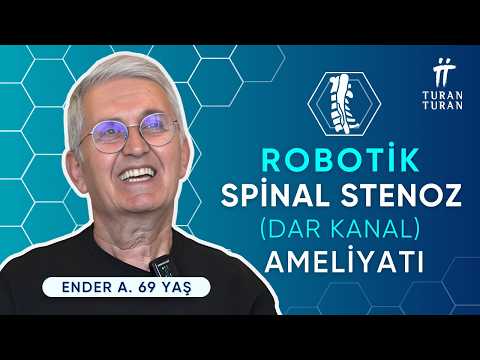
For many aging adults, the simple act of walking to the grocery store or climbing a flight of stairs becomes a grueling battle against chronic pain. Ender A., a 69-year-old patient from Bandirma, found himself trapped in this reality for over half a decade. Suffering from a combination of spinal stenosis (narrowing of the spinal canal) and a slipped disc (spondylolisthesis), his quality of life had dwindled to the point where he couldn't even carry a 2kg shopping bag. The fear of traditional "manual" surgery, with its risks of nerve damage and long recovery times, kept him hesitant—until he discovered the revolutionary world of robotic spine surgery in Turkey.
In this featured video, we go behind the scenes at the Turan & Turan Health Group in Bursa to witness how Mazor X robotic technology is transforming orthopedic outcomes. From the initial struggle to the triumphant moment Ender walks pain-free just 48 hours after his procedure, this guide explores why Turkey has become a global sanctuary for advanced spinal care and minimally invasive surgical solutions.
Video Chapters & Detailed Navigation
The Biology of Pain: Understanding Spinal Stenosis and Slipped Discs
Spinal stenosis is a condition often associated with the natural aging process, though it can be exacerbated by injury or genetic factors. It occurs when the spaces within your spine narrow, which puts pressure on the nerves that travel through the spine. As seen in the animation at [01:02], this narrowing most commonly happens in the lower back (lumbar spine) and the neck.
For Ender, the stenosis was compounded by a "slipped disc" or spondylolisthesis. This is where one of the vertebrae slides forward over the bone below it. This "double hit" of conditions meant that his spinal canal was not just narrowed by bone spurs, but also physically kinked by the shifting vertebrae. This creates a "pinched nerve" effect that radiates pain from the lower back down through the legs, a sensation Ender describes as debilitating.
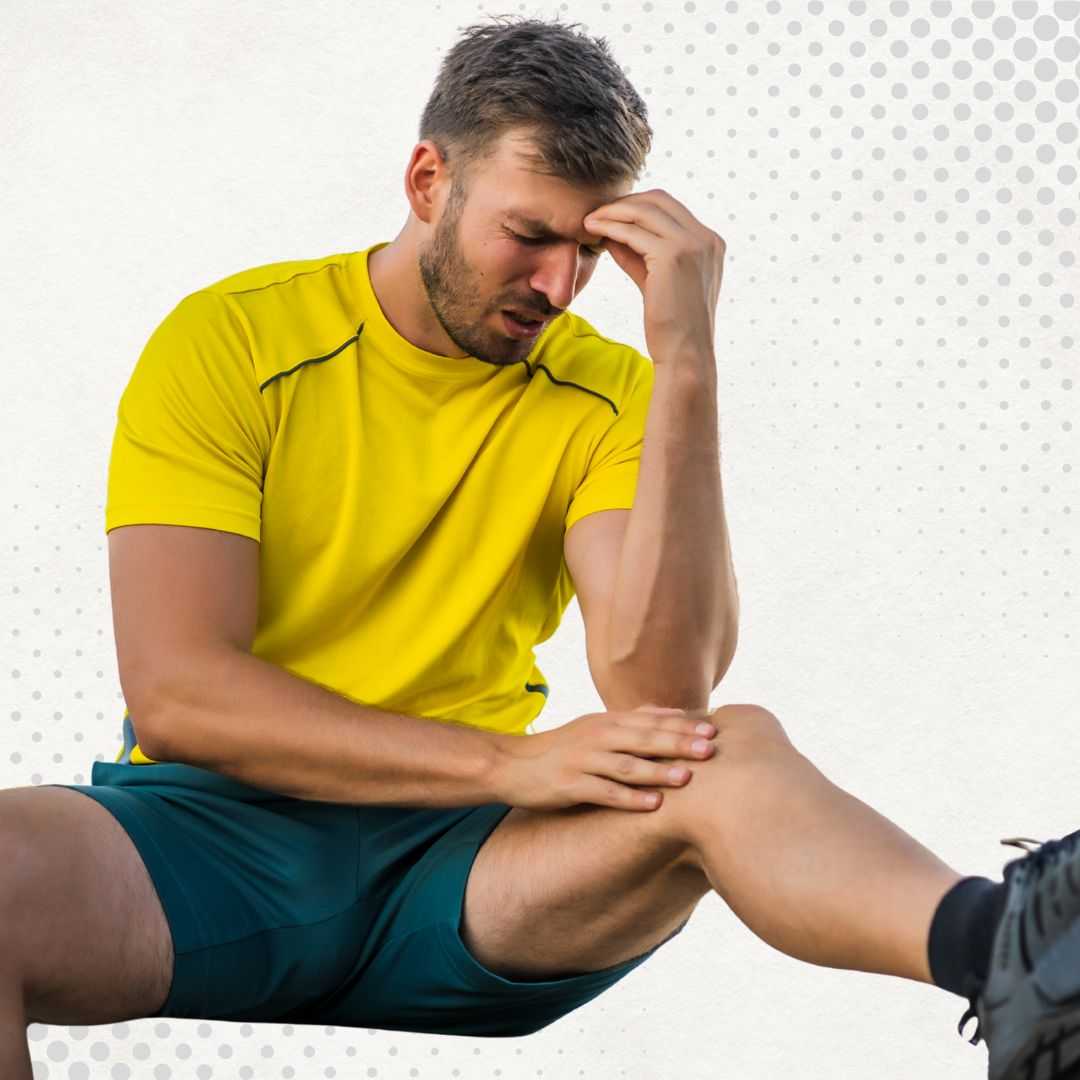
Common Symptoms of Lumbar Spinal Stenosis
Many patients mistake the early signs of stenosis for general "old age" fatigue. However, the symptoms are quite specific. In the video at [01:27], a checklist of common indicators is presented:
| Symptom | Description |
|---|---|
| Neurogenic Claudication | Cramping or pain in the legs when standing for long periods or walking. |
| Radiculopathy | Numbness, tingling, or "pins and needles" in the feet and calves [02:07]. |
| Loss of Motor Function | Weakness in the legs that can lead to "foot drop" or balance issues. |
| Relief through Flexion | Pain that decreases when leaning forward (often called the "shopping cart sign"). |
The Accuracy Gap: Why Manual Spine Surgery Carries Risk
The primary reason Ender waited five years to seek surgery was fear. Traditional spinal fusion or decompression surgery relies entirely on the surgeon's freehand accuracy. While experienced surgeons are highly skilled, the human margin for error is non-zero. At [00:11], the video highlights a startling comparison of accuracy rates between robotic and manual methods.
In manual surgery, especially in the thoracic (back) region, accuracy can be as low as 49% to 50% for screw placement. In the lumbar (waist) region, this improves to about 68%. However, even a 1-millimeter deviation can result in a screw touching a sensitive nerve, leading to permanent neurological damage or the need for revision surgery. Ender explains at [03:25] that knowing a robot could ensure perfect angles was the deciding factor in his journey.
The Mazor X Revolution: How Robotic Spine Surgery Works
The technology used at Turan & Turan is the Mazor X Stealth Edition. This isn't a robot that performs the surgery independently; rather, it is a sophisticated GPS system for the surgeon. The process begins with a detailed 3D blueprint of the patient's spine, created via advanced imaging before the first incision is even made [03:24].
Key Advantages of Robotic Assistance
As outlined at [03:36], the robotic system offers several life-changing benefits:
- Personalized Surgical Planning: Every screw and implant is pre-planned to the exact anatomy of the patient.
- 98-100% Accuracy: The robotic arm guides the surgeon to the exact entry point and angle, virtually eliminating the risk of nerve impingement.
- Reduced Radiation: Because the path is pre-mapped, fewer intraoperative X-rays (fluoroscopy) are needed, protecting both the patient and the medical team.
- Minimally Invasive: Smaller incisions mean less muscle damage, less blood loss, and a significantly faster recovery.
Ender’s Personal Journey: Five Years of Suffering Ended in Hours
Ender's wife, Tulay, speaks emotionally in the video about how her husband's condition affected their entire life [01:52]. Ender was a man who loved to walk 7 to 8 kilometers a day and handled all the home maintenance. Gradually, the stenosis stole that from him. He reached a point where he had to stop and rest every 2-3 steps when climbing stairs [02:15].
After researching options online and receiving recommendations from friends, they found Dr. Yunus Uysal at Turan & Turan Health Group. Dr. Uysal is one of the leading experts in robotic spine surgery in Turkey, known for his patient-centric approach and high success rates with complex spinal reconstructions.
The 48-Hour Miracle: Post-Operative Results
The most impactful part of the video occurs at [03:59], where we see Ender just two days after his surgery. In traditional spinal surgery, a 69-year-old might still be bedridden and on heavy narcotics. Instead, Ender is seen:
- Walking through the hospital corridors with only light assistance [04:23].
- Successfully navigating stairs—the very thing that used to leave him breathless and in agony [04:30].
- Expressing that he feels "no pain" and has regained sensation in his legs that had been numb for years [04:13].
Why International Patients Choose Turkey for Robotic Spine Care
Turkey has emerged as a top-tier destination for medical tourism, particularly in orthopedics. Hospitals like Turan & Turan Health Group invest in the latest global technologies like the Mazor X and NAVIO systems before many hospitals in Europe or the Middle East.
Affordability and Quality: The cost of robotic spine surgery in Turkey is often 50% to 70% lower than in the United States or the UK. This isn't due to lower quality, but rather lower operational costs and a favorable exchange rate. Patients receive VIP treatment, including language translators, airport transfers, and luxury accommodation, all bundled into a transparent package price.
Expertise: Surgeons like Dr. Yunus Uysal undergo rigorous international training. The high volume of cases handled by these centers means the surgical teams are incredibly proficient in complex robotic procedures.
Ready to Restore Your Mobility in Turkey?
PlacidWay Medical Tourism connects you with top-rated orthopedic centers in Turkey, offering world-class robotic spine surgery at unbeatable prices. Let us help you walk pain-free again.
GET A FREE QUOTEView Full Video Transcript
[00:00] He said I had a slipped disc and spinal narrowing. He said my back wouldn't get better and could only be fixed with surgery.
[00:07] I know he used to rest after climbing just two or three steps.
[00:11] He said when you do manual screw placement, if the angle shifts even slightly, it could hit a nerve and cause other problems.
[00:19] With robotic surgery, by programming the robot, the risks of the surgery are reduced much further.
[00:27] He used to do all the home repairs and maintenance, then he started being unable to do anything.
[00:32] Because of that, I want to have the surgery as soon as possible. Turan & Turan Health Group.
[00:42] My name is Ender A., born in 1956, 69 years old. I live in Bandirma. My back pain started 5 or 6 years ago.
[00:54] I went to the state hospital in Bandirma. After the MRI, they said surgery was necessary for spinal stenosis and a slipped disc.
[01:05] I didn't have the courage then. Two years ago, I went to a private hospital in Istanbul. They said the same thing.
[01:17] I postponed it again because the pain wasn't this bad yet. But in the last month and a half, the pain increased. My feet became numb.
[01:34] It affects my life a lot. For example, when grocery shopping, I can't even carry a 2 or 3kg bag. My wife has to carry them.
[01:52] I am Tulay, Ender's wife. It started affecting everything. He used to do all the repairs, and now he can't do anything.
[02:05] After walking for 15-20 minutes, my feet get numb. That's why I want the surgery quickly.
[02:15] He has to rest after two or three steps. I couldn't keep up with his long walks before, now he can't walk at all.
[02:32] I heard about robotic surgery and started researching it. Then we found Turan & Turan hospital.
[02:44] We researched on the internet and social media. Friends recommended this hospital. We saw they were pioneers in Turkey for robotic spine surgery.
[03:07] We saw their successful surgeries. They told us Dr. Yunus Uysal was very successful. That's how we decided.
[03:14] I chose robotic surgery because the risk is lower. Dr. Yunus explained everything using the planning screens.
[03:24] He showed us how manual placement can be risky if the angle is wrong. With the robot, it's programmed for precision.
[03:48] I want to walk again. I used to walk 7-8 kilometers every day. I haven't been able to do that for 5-6 years.
[03:59] Robotic Spinal Stenosis: 2 Days After Surgery. It went very well. I was comfortable, no anxiety.
[04:13] I haven't felt any pain so far. If I said I did, it would be a lie. No pain at all.
[04:20] The day after surgery, I stood up. On the second day, I walked to the elevators twice. Today, the doctor said I can use stairs.
[04:40] It met my expectations. Before surgery, I had numbness from the knee down and constant pain in my calves. That pain is gone now.
[04:56] The service is superb. The doctors and all the staff, from cleaning to nurses, are very kind and smiling.
[05:07] Don't be afraid of surgery. You will get rid of your pain. I wasn't afraid, and I'm glad I did it. It's better than living with constant pain.


.png)
.png)









Share this listing