


Dr. Carlos Winder from Cellstime Clinique introduces the transformative potential of regenerative medicine for patients diagnosed with diabetes mellitus. For generations, individuals suffering from elevated blood glucose levels have been bound to a lifelong regimen of symptom management, dietary restrictions, and daily pharmaceutical interventions. This relentless cycle often fails to address the underlying cellular damage occurring within the pancreas.
Today, advanced mesenchymal stem cell therapy for diabetes is changing the landscape of endocrinology. Why remain entirely dependent on external symptom management when modern science offers targeted cellular repair? Watch to discover how innovative regenerative treatments are designed to restore damaged tissues, improve insulin reserves, and significantly enhance your overall quality of life at one of Mexico's premier medical facilities.
Video Chapters & Quick Navigation
- The Global Epidemic
- Decoding Type 1 Autoimmunity
- Understanding Type 2 Dynamics
- Comparing the Conditions
- Limitations of Traditional Care
- Mesenchymal Stem Cells (MSCs)
- Mechanisms of Tissue Repair
- Transformative Clinical Outcomes
- The Personalized Evaluation
- Why Choose Mexico?
- Maximizing Treatment Benefits
The Global Epidemic of Diabetes Mellitus
Diabetes is no longer just a common metabolic disorder; it has rapidly evolved into one of the most pressing global health crises of the modern era. Millions of individuals worldwide are currently navigating the complex reality of living with compromised pancreatic function. The burden of this disease extends far beyond daily insulin injections and strict dietary monitoring.
The Silent Progression of High Blood Sugar
As Dr. Carlos Winder precisely outlines at [00:10] in his presentation, diabetes mellitus—whether categorized as Type 1 or Type 2—is fundamentally characterized by chronically elevated levels of glucose circulating within the bloodstream. Glucose is intended to be the primary energy source for your body's cells, but it requires a biochemical key to gain entry. That vital key is the hormone insulin, which is synthesized and secreted by the pancreas.
When the pancreas fails to produce adequate insulin, or when the body's cells simply refuse to respond to the insulin that is present, glucose becomes trapped in the circulatory system. This is a highly destructive scenario. The trapped glucose essentially acts as a toxic agent over time, damaging delicate blood vessels, inflaming tissues, and severely compromising nerve endings across the entire human body.
How Systemic Damage Occurs Over Time
The long-term effects of unmanaged elevated blood glucose are devastating to overall health. Patients frequently develop peripheral neuropathy, which manifests as a painful tingling or complete numbness in the extremities. Retinopathy can lead to progressive vision loss, while nephropathy slowly degrades the vital filtering capacity of the kidneys.
Traditional medicine has long struggled to reverse this systemic damage once it begins. This stark reality underscores exactly why innovative approaches, such as targeted regenerative medicine and cellular therapy, are becoming so critical for patients who want to halt the progression of their disease rather than merely surviving its symptoms.
Decoding Type 1 Diabetes: The Autoimmune Challenge
To fully understand the potential of regenerative therapies, we must first clearly differentiate the distinct pathologies that cause diabetes. Type 1 diabetes is a fundamentally different biological crisis than its Type 2 counterpart. It is not caused by lifestyle choices, diet, or a lack of exercise.
Pancreatic Beta Cell Destruction
Beginning at [00:18], Dr. Winder elaborates that Type 1 diabetes is strictly an autoimmune condition. In a tragic biological error, the body's own immune system misidentifies the vital, insulin-producing beta cells located within the pancreas as dangerous foreign invaders. The immune system launches a relentless, targeted attack on these specific cells until they are entirely eradicated.
The immediate result of this cellular destruction is a complete and total lack of endogenous insulin reserves. Because the body has zero capacity to produce insulin naturally, the essential glucose circulating in the blood cannot penetrate the cellular walls to provide energy. This triggers a cascade of severe metabolic emergencies if not immediately addressed with exogenous insulin therapy.
The Impact on Pediatric Patients
Due to its genetic and autoimmune nature, Type 1 diabetes is most frequently diagnosed in pediatric patients and young adults. This early onset means that children are forced to endure a lifetime of continuous glucose monitoring, daily multiple insulin injections, and intense medical scrutiny.
The emotional and physical toll on families is immense. The urgent need to find a therapy that can modulate this aggressive autoimmune response and potentially restore some degree of beta-cell function is what makes advanced mesenchymal stem cell therapy for autoimmune diseases such a profound area of ongoing medical research.
Understanding Type 2 Diabetes: A Multifactorial Condition
While Type 1 involves a complete lack of insulin production, Type 2 diabetes presents an entirely different set of metabolic challenges. It is by far the most prevalent form of the disease, accounting for the vast majority of global diagnoses.
The Role of Environmental Factors
At [00:31], the discussion shifts to Type 2 diabetes, which Dr. Winder categorizes as a "multifactorial" condition. This implies that the disease is triggered by a complex interplay between an individual's genetic predispositions and distinct environmental factors. Chronic stress, sedentary lifestyles, poor nutritional habits, and obesity all play massive roles in the development of this condition.
These environmental triggers place an immense physiological burden on the metabolic system. Over time, the body's cells become increasingly resistant to the signals provided by insulin. The key no longer fits smoothly into the cellular lock, forcing the pancreas to work significantly harder to produce even more insulin just to maintain baseline functionality.
The Progression of Insulin Resistance
This state of profound insulin resistance is the hallmark of Type 2 diabetes. For years, the pancreas may successfully compensate by pumping out massive amounts of insulin. However, this hyperactive state is completely unsustainable. Eventually, the overworked beta cells begin to degrade and die off.
This leads to the exhaustion of insulin reserves. Once the pancreas can no longer keep up with the overwhelming demand, blood glucose levels begin to rise uncontrollably. Because this degradation process takes decades to unfold, Type 2 diabetes is predominantly observed in adult populations, though rising childhood obesity rates are tragically shifting this demographic reality.
Comprehensive Comparison: Type 1 vs. Type 2 Diabetes
To fully grasp how targeted regenerative treatments interact with the body, it is highly beneficial to review the distinct functional differences between the two primary forms of this metabolic disorder. The approach to cellular repair varies significantly based on the underlying pathology.
| Clinical Feature | Type 1 Diabetes | Type 2 Diabetes |
|---|---|---|
| Primary Cause | Autoimmune destruction of beta cells | Insulin resistance & beta cell exhaustion |
| Typical Onset Age | Pediatric (Children and young adults) | Adults (Though increasingly seen in youths) |
| Insulin Production | Zero to minimal production | High initially, then progressively declines |
| Regenerative Goal | Halt autoimmunity and regenerate cells | Reduce resistance and restore tissue health |
The Limitations of Conventional Diabetes Management
For decades, individuals diagnosed with diabetes have been told that their condition is a lifelong sentence of strict symptom management. Traditional endocrinology relies heavily on external interventions to artificially manipulate blood sugar levels. While undeniably life-saving, these traditional treatments deliberately do not address the root cause of the disease.
The Endless Cycle of Symptom Management
When a patient injects exogenous insulin or takes oral glycemic medications like metformin, they are simply treating the visible symptoms of a failing organ system. The underlying cellular damage—the relentless autoimmune attack in Type 1, or the grinding cellular exhaustion in Type 2—continues largely unabated.
This relentless cycle of temporary, synthetic fixes leaves patients highly vulnerable to the severe long-term complications mentioned earlier. The body becomes a chemical battleground where patients are forced to constantly calculate dosages, monitor diets, and react to dangerous blood sugar spikes and crashes. There is no true healing occurring at the cellular level.
Why Pharmaceuticals Fall Short of a Cure
Pharmaceutical interventions are designed to manage decay, not to promote regeneration. They cannot instruct the pancreas to grow new, healthy beta cells. They cannot fundamentally reset a hyperactive immune system that has gone rogue.
This glaring gap in modern medical efficacy is precisely what makes the introduction of cellular therapies so profoundly important. By shifting the focus from mere symptom suppression to actual targeted tissue repair, regenerative medicine offers a profound paradigm shift for patients who have exhausted traditional avenues of care.
Introduction to Mesenchymal Stem Cells (MSCs)
The dawn of advanced regenerative medicine has brought forth a powerful new tool in the fight against metabolic disorders. At [00:50], Dr. Winder formally introduces the clinical utilization of mesenchymal stem cells (MSCs) for treating both Type 1 and Type 2 diabetes. But what exactly are these extraordinary biological agents?
What Makes Mesenchymal Stem Cells Unique?
Mesenchymal stem cells are highly specialized, multipotent adult stem cells. Unlike embryonic stem cells, which carry complex ethical considerations and medical unpredictability, MSCs are derived from ethical adult or perinatal tissues. They possess the unique, extraordinary ability to self-renew and to differentiate into a wide variety of specialized cell types found throughout the human body.
Beyond their ability to physically transform into new tissue, MSCs act as intelligent cellular managers. When infused into the body, they actively seek out areas of high inflammation and profound tissue damage. Once they arrive at these damaged sites, they begin secreting a potent cocktail of growth factors, cytokines, and protective exosomes that instruct the body's native cells to begin the healing process.
The Sourcing of High-Quality Stem Cells
Not all stem cells are created equal. Top-tier regenerative clinics source their MSCs from highly vital tissues, most commonly the Wharton's Jelly found within donated human umbilical cords. These perinatal tissues yield extremely robust, naive stem cells that have not been subjected to decades of aging, environmental toxins, or systemic disease.
Because these cells are completely immune-privileged, they do not require blood type matching and rarely trigger rejection responses in the patient. This makes high-viability umbilical cord MSCs the premier choice for tackling complex systemic diseases like diabetes mellitus.
The Mechanisms of Stem Cell Therapy for Diabetes
The application of these powerful cells is not a matter of guesswork; it is grounded in complex, peer-reviewed biological science. At [00:55], the core objective of the therapy is clearly defined: restoring damaged tissues. How exactly do MSCs accomplish this remarkable feat within a diabetic patient?
Targeted Homing to Inflamed Tissues
When millions of highly active mesenchymal stem cells are introduced into the patient's bloodstream, they do not float aimlessly. They utilize a process called "homing." Much like a biological GPS system, the MSCs detect the specific chemical distress signals being emitted by the damaged and inflamed pancreas.
They migrate directly to these highly compromised areas. Once localized within the pancreatic tissue, they anchor themselves and begin the arduous process of cellular orchestration, dramatically altering the microenvironment of the diseased organ.
Powerful Immunomodulatory Effects
For Type 1 diabetics, the most crucial action of MSCs is their immunomodulatory capacity. The stem cells actively communicate with the patient's aggressive immune system. They secrete specific proteins that essentially command the hyperactive T-cells to power down, effectively halting the autoimmune attack on the pancreas.
By suppressing this chronic, destructive inflammation, the stem cells create a safe, protected environment where the surviving pancreatic beta cells can finally rest, recover, and potentially begin to proliferate once again without the constant threat of immediate immune destruction.
Cellular Regeneration and Angiogenesis
Simultaneously, the MSCs stimulate the process of angiogenesis—the creation of fresh, healthy new blood vessels. Improved vascularization ensures that the damaged pancreatic tissue receives a massive influx of vital oxygen and nutrients required for cellular rebuilding.
Furthermore, the growth factors secreted by the MSCs stimulate the patient's own native stem cells to wake up and begin repairing the degraded islets of Langerhans, directly addressing the core deficit of the disease.
Clinical Outcomes and Improved Quality of Life
The science of cellular repair is fascinating, but what patients truly care about are the tangible, real-world results. Dr. Winder highlights a critical point at [01:05]: the ultimate medical goal is to drastically improve the patient's overall quality of life by enhancing insulin reserves and naturally decreasing blood glucose levels.
Reducing Dependency on External Insulin
As the regenerative therapy takes hold and the pancreatic tissue slowly begins to heal, many patients experience a marked improvement in their endogenous insulin production. For patients suffering from Type 2 diabetes, this cellular restoration can dramatically reduce their cellular insulin resistance.
Clinically, this often translates to a significantly decreased reliance on external pharmaceutical interventions. Under careful medical supervision, many successful patients are able to safely lower their daily doses of synthetic insulin or reduce their dependence on heavy oral medications. This reduction in pharmaceutical load is a massive victory for liver and kidney health.
Stabilizing Long-Term Blood Glucose Levels
Beyond reducing medication, the restoration of natural pancreatic function leads to far more stable and predictable daily blood glucose levels. Patients report experiencing fewer severe hypoglycemic crashes and a marked reduction in dangerous post-meal glucose spikes.
This newfound glycemic stability grants patients a profound sense of freedom. They report increased daily energy, improved cognitive clarity, faster healing of minor wounds, and a deep psychological relief knowing that they are actively reducing their risk of suffering from long-term diabetic complications.
The Importance of a Personalized Medical Evaluation
It is vital to understand that advanced regenerative medicine is not a one-size-fits-all magic bullet. At [01:15], the video firmly stresses the absolute necessity of a comprehensive medical evaluation prior to the administration of any cellular therapy. Ethical clinics prioritize patient safety and clinical efficacy above all else.
Tailoring the Regenerative Approach
Every patient's metabolic landscape is entirely unique. The duration of the disease, the extent of the existing pancreatic damage, current medication loads, and underlying genetic factors all drastically influence how the body will respond to an influx of mesenchymal stem cells.
Specialists at leading facilities like Cellstime Clinique conduct extensive blood work panels, comprehensive organ function tests, and detailed patient history reviews. This rigorous evaluation ensures that the medical team can calculate the exact cellular dosage, determine the most effective delivery method (such as intravenous infusion versus localized targeted delivery), and establish realistic clinical expectations for the individual patient.
Biomarkers and Patient Candidacy
During this evaluation phase, doctors closely analyze critical biomarkers such as HbA1c, fasting glucose, and crucial C-peptide levels (which indicate the remaining natural insulin production). For Type 1 diabetics, checking the status of specific autoantibodies is also standard practice.
This data-driven approach guarantees that only scientifically viable candidates proceed with the treatment, ensuring the highest possible probability of achieving a successful, life-altering medical outcome.
Why International Patients Choose Mexico for Regenerative Medicine
The incredible advancements detailed by Dr. Winder are drawing thousands of patients across borders every year. Mexico has rapidly solidified its position as a premier global hub for highly advanced medical tourism, specifically within the complex field of regenerative cellular medicine.
Advanced Regulatory Frameworks
The primary reason patients seek affordable stem cell treatment for diabetes type 2 in Mexico is due to the progressive, science-backed regulatory framework established by the Mexican health authorities (COFEPRIS). In countries like the United States and Canada, strict FDA regulations heavily restrict the vital laboratory expansion of stem cells.
In Mexico, state-of-the-art laboratories are legally permitted to cultivate and safely expand mesenchymal stem cells to reach optimal, highly therapeutic numbers (often yielding tens or hundreds of millions of vital cells per dose). This critical expansion process drastically enhances the clinical efficacy of the treatment, providing a level of comprehensive cellular power that is simply unavailable in many Western nations.
World-Class Medical Expertise at Cellstime Clinique
Clinics such as Cellstime Clinique operate at the very vanguard of global health standards. The facilities rival, and often exceed, the technological capabilities of premium hospitals found in North America and Europe.
The medical teams are frequently comprised of highly specialized, internationally board-certified physicians, immunologists, and laboratory technicians. Patients traveling to Mexico are not compromising on quality; they are actively seeking out superior, legally sanctioned biological protocols delivered at highly competitive and accessible price points.
Maximizing the Benefits of Your Regenerative Treatment
Choosing to undergo mesenchymal stem cell therapy is a profound investment in your long-term health, but the infusion of cells is only the beginning of the restorative journey. To truly maximize the regenerative potential of this cutting-edge medical science, patients must be willing to actively participate in their own ongoing cellular recovery.
Committing to Long-Term Metabolic Health
Stem cells are incredibly powerful biological tools, but they cannot outwork an actively toxic lifestyle. Following the successful application of the therapy, patients are heavily encouraged to adopt sustainable, anti-inflammatory lifestyle changes.
Engaging in regular cardiovascular exercise, prioritizing deep restorative sleep, and aggressively managing daily stress hormones are all critical components of a successful post-treatment protocol. A healthy, low-stress physical environment allows the newly introduced stem cells to thrive and perform their necessary repair work without interruption.
Nutritional Support for Cellular Healing
Dietary vigilance remains essential. Adopting a nutrient-dense, low-glycemic nutritional protocol ensures that the healing pancreas is not immediately overwhelmed by massive sugar influxes.
By providing the body with high-quality proteins, essential fatty acids, and vital micronutrients, patients create the optimal internal ecosystem for sustained, long-term cellular regeneration, effectively paving the way toward a dramatically healthier and more vibrant metabolic future.
Ready to Transform Your Health at Cellstime Clinique?
Take the first step toward restoring your metabolic health with advanced regenerative medicine. Connect with top-tier specialists to evaluate your candidacy for personalized stem cell therapy.
GET A FREE QUOTE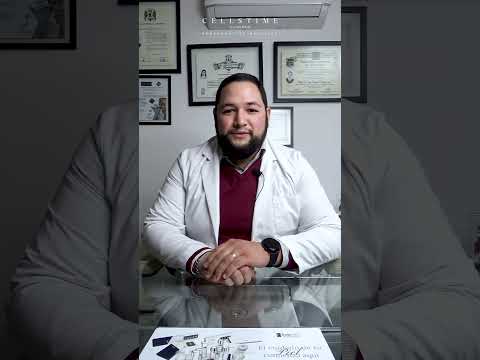


















Share this listing