


Welcome to the ultimate medical resource and the complete guide to the HPV vaccine and cervical cancer prevention. Human Papillomavirus (HPV) is one of the most common viral infections globally, but thanks to modern immunology, it is also one of the most preventable.
For decades, physicians have battled the devastating effects of aggressive cervical and oropharyngeal malignancies. Today, advanced preventative treatments are revolutionizing how we protect future generations. Watch to discover expert insights from Dr. Ladan Caferi on achieving lifelong immunity, understanding ideal dosing schedules, and contributing to the global eradication of preventable cancers.
Video Chapters & Quick Navigation
- The Hidden Dangers of HPV
- Link to Cervical Cancer
- 9-Valent Vaccine Technology
- Optimal Age for Vaccination
- Deciphering Dosing Schedules
- Why Boys Need the Vaccine
- WHO Eradication Targets
- Adult Catch-Up Guidelines
- Addressing Vaccine Hesitancy
- Affordable Preventative Care
- The Biology of Transmission
- Diagnosing HPV Infections
- Global Survival Rates
- Evolution of Vaccines
- Preparing Children for Shots
The Hidden Dangers of the Human Papillomavirus Infection
Human Papillomavirus, commonly known as HPV, is the most widespread sexually transmitted infection on a global scale. There are over 200 distinct strains of this resilient virus, with varying degrees of severity and long-term health implications. While many strains are relatively harmless and resolve without any medical intervention, others pose severe, life-threatening oncological risks.
High-risk strains of the virus are particularly insidious because they almost never present immediate physical symptoms. Patients can carry these malignant strains for decades without ever realizing they have been infected. This silent progression allows the virus to continuously alter cellular DNA over time, eventually leading to precancerous lesions and fully developed malignancies.
As clearly noted by medical professionals at [00:00], understanding the true nature of this virus is the critical first step in effective preventative healthcare. Low-risk strains typically manifest as genital warts or benign localized skin lesions. However, the high-risk variants are the primary biological catalysts for severe cellular mutations that necessitate aggressive, life-altering medical treatments if left unchecked.
The Direct Link Between HPV and Cervical Cancer
Cervical cancer remains one of the leading causes of cancer-related mortality among women worldwide, despite massive advancements in modern gynecology. Yet, as highlighted in the professional medical analysis at [00:24], it is also highly preventable through proactive clinical interventions. The overwhelming majority of cervical cancer cases are directly linked to persistent, chronic infections with high-risk HPV strains, specifically types 16 and 18.
When the virus successfully infects the epithelial cells of the cervix, it can aggressively disrupt the normal cellular replication cycle. This disruption causes rapid, uncontrolled cellular division that the body's natural immune system cannot properly regulate. Over years or even decades, these abnormal cell structures accumulate, harden, and form invasive malignant tumors.
The introduction of the preventative HPV vaccine has completely revolutionized the modern approach to gynecological oncology. By preventing the initial viral infection from ever occurring, the vaccine effectively eliminates the biological root cause of cervical dysplasia. This mechanism makes the human papillomavirus shot the single most powerful tool available in the global fight against cervical malignancies.
Understanding the 9-Valent HPV Vaccine Technology
Medical science is constantly evolving to offer broader, more comprehensive protection against mutating viral pathogens. The most significant leap forward in recent immunological history is the development of the highly advanced 9-valent HPV vaccine. As mentioned during the clinical overview at [01:10], this comprehensive formulation protects against nine distinct and dangerous strains of the virus.
Earlier iterations of the vaccine primarily targeted four core strains, offering substantial but undeniably limited coverage for patients. The 9-valent version brilliantly extends this immunological protection to include five additional high-risk strains (31, 33, 45, 52, and 58). These specific strains are scientifically responsible for a massively significant percentage of cervical, vaginal, and vulvar cancers documented globally.
This remarkable vaccine utilizes virus-like particles (VLPs) rather than utilizing live or weakened viral genetic material. Because of this structural design, it is biologically impossible for a patient to contract an HPV infection from the immunization itself. Instead, the VLPs safely and effectively trigger a robust immune response, equipping the human body with the necessary biological memory to neutralize the actual virus upon future exposure.
Optimal Age and Timing for HPV Immunization
Precise timing is a fundamental factor in maximizing the long-term efficacy of the human papillomavirus vaccine series. Healthcare providers universally agree that the vaccine achieves its absolute highest rate of success when administered well before an individual becomes sexually active. This proactive timeline ensures that the adolescent immune system has built maximum defensive antibodies prior to any potential viral exposure.
According to the expert guidance clearly provided at [00:36], the ideal window for initiating this vital vaccination begins during early adolescence. Global medical guidelines strongly recommend scheduling the very first dose at age 11 or 12 to ensure maximum preventative coverage. However, the vaccine is clinically approved to be safely administered to children as young as nine years old, granting parents valuable flexibility for preventative care planning.
Administering the vaccine during this early adolescent phase yields an incredibly potent and durable immune response. Rigorous clinical studies have consistently demonstrated that preteens naturally produce a much higher concentration of protective antibodies compared to older teenagers and adults. This robust, youthful immunological reaction is precisely why younger patients require fewer overall doses to achieve lifelong viral protection.
Deciphering the HPV Vaccine Dosing Schedule
Navigating the specific, age-based dosing requirements for the HPV vaccine can sometimes feel overwhelming for dedicated parents and patients alike. The mandated schedule is strictly dictated by the exact age at which the patient receives their very first preventative dose. Strictly adhering to these established medical guidelines ensures that patients acquire the exact amount of biological reinforcement necessary for optimal, long-lasting immunity.
For adolescent children who officially begin the vaccination series before their 15th birthday, a streamlined two-dose schedule is clinically required. The second essential dose is typically administered between six to twelve months after the initial injection. This highly efficient timeline is clearly outlined by medical professionals around [00:45], emphasizing the profound physiological benefits of early medical intervention.
Conversely, older individuals who receive their initial dose on or immediately after their 15th birthday must complete a comprehensive three-dose series. Under this specific protocol, the second dose is administered one to two months after the first, followed tightly by a third dose at the six-month mark. This extended and intensive schedule is biologically necessary to properly stimulate mature immune systems into generating adequate, permanent antibodies.
The Critical Importance of Vaccinating Boys
A dangerous and remarkably persistent cultural misconception is that the HPV vaccine is solely intended to protect young women. In stark reality, the human papillomavirus aggressively affects all genders and can cause exceptionally severe health complications in men. At [01:21], the absolute vital importance of proactively vaccinating both male and female children is explicitly and forcefully stressed.
Men are highly susceptible to developing several life-threatening HPV-related malignancies, including aggressive oropharyngeal (throat), anal, and penile cancers. In recent years, the clinical incidence rates of HPV-driven throat cancers in adult men have surged dramatically across the globe. Vaccinating young boys is a direct, medically necessary measure to shield them from these devastating, life-altering oncological diagnoses later in their adult lives.
Furthermore, immunizing males plays an indispensable role in establishing comprehensive herd immunity across the broader human population. When boys are universally immunized, the overall transmission rates of the virus plummet significantly within the community. This collective, gender-neutral approach to public health is utterly essential for drastically reducing the viral load and protecting vulnerable individuals who cannot receive the vaccine.
World Health Organization Targets for Eradication
The entire global medical community has officially united behind a highly ambitious but scientifically achievable goal: the total and permanent eradication of cervical cancer. The World Health Organization (WHO) has meticulously outlined a strategic medical framework uniquely designed to eliminate this disease within a single generation. At [00:50], the fundamental pillars of this massive global health initiative are brought into sharp, urgent focus.
The WHO's aggressive eradication strategy is heavily built upon the "90-70-90" targets, which must be systematically met by every participating country. The very first target strictly mandates that 90% of all young girls be fully and properly vaccinated against HPV by the age of 15. The second crucial requirement dictates that 70% of women must undergo high-performance, medical-grade cervical screenings by age 35, and then once again by age 45.
The final, vital pillar demands that 90% of all women identified with precancerous cervical disease receive immediate, high-quality, and effective clinical treatment. Successfully achieving these three interconnected goals requires a massive, coordinated effort between international governments, healthcare providers, and informed parents. If successfully implemented, cervical cancer will transition from being a leading global killer to a remarkably rare, historical medical anomaly.
Adult Catch-Up Vaccination Guidelines
While early adolescence remains the undisputed prime window for initial immunization, millions of adults unfortunately missed the critical opportunity to receive the vaccine in their youth. Fortunately, clinical health guidelines have been thoughtfully updated to effectively accommodate older, previously unvaccinated demographics. The FDA has officially approved the safe use of the powerful 9-valent HPV vaccine for individuals up to 45 years of age.
Adults actively considering the preventative vaccine should immediately engage in shared clinical decision-making sessions with their primary care physicians. Important risk factors to seriously consider include relationship status, potential future exposure to new viral strains, and the patient's overall baseline immunological health. Even if an adult has previously contracted a specific strain of HPV, the advanced vaccine can still offer incredibly robust protection against the remaining high-risk strains included in the medical formulation.
It is medically important to deeply understand that the vaccine is strictly prophylactic in nature, not an active therapeutic cure. It categorically cannot treat existing HPV infections or magically clear active cellular dysplasias that have already formed. However, offering the comprehensive vaccine to adults serves as a tremendously important secondary line of defense against dangerous future viral encounters.
Addressing Vaccine Hesitancy and Safety Profiles
Despite the overwhelming, peer-reviewed scientific consensus regarding the vaccine's incredible efficacy, some parents remain hesitant due to rampant online misinformation. It is absolutely imperative to rely solely on verified, clinical data and global health authorities when making heavy decisions about preventative family care. The documented safety profile of the human papillomavirus vaccine is among the strongest, most heavily researched of any modern immunization available today.
Extensive clinical trials and well over a decade of continuous real-world monitoring have definitively proven the vaccine to be exceptionally safe for patients. The most commonly reported side effects are entirely localized and highly temporary, such as mild arm pain, slight redness, or minor swelling directly at the injection site. Systemic bodily reactions, such as mild fevers or momentary dizziness, are remarkably rare and typically resolve entirely within a few hours without any need for medical intervention.
Irrational fears falsely linking the vaccine to long-term autoimmune conditions or permanent fertility issues have been rigorously investigated by top scientists and definitively debunked. In factual reality, by actively preventing the aggressive, highly invasive treatments required for cervical cancer—such as total hysterectomies or targeted pelvic radiation—the vaccine actively preserves and powerfully protects a woman's future reproductive capabilities.
- Exceptional Safety Record: Over 15 years of continuous monitoring confirms Gardasil 9 is incredibly safe and effective.
- Fertility Preservation: By preventing cancer, the vaccine directly saves reproductive organs from surgical removal or radiation damage.
- No Live Virus: The VLP technology ensures it is biologically impossible to contract the virus from the immunization itself.
Navigating the Financial Aspect of Preventative Health
Unrestricted access to high-quality preventative medical care should be a universal human right, yet the high retail cost of advanced vaccines can be a massive barrier for some families. Navigating the modern healthcare system to successfully secure affordable immunizations requires deep knowledge of available medical networks and global resources. Many forward-thinking public health initiatives and international medical organizations work tirelessly around the clock to aggressively subsidize these critical, life-saving treatments.
For dedicated families traveling abroad or seeking innovative medical tourism options, specialized healthcare networks provide incredible access to premium preventative treatments at a fraction of the domestic cost. Securing highly affordable healthcare does not mean compromising on the strict quality or safety of the medical products utilized. Top-tier international clinics utilizing globally recognized, name-brand formulations like Gardasil 9 ensure that traveling patients receive the exact same level of premium immunological protection.
Proactive, preventative healthcare investments ultimately yield massive financial and emotional savings over the course of a lifetime. The relatively small upfront cost of a complete preventative vaccine series is mathematically insignificant when directly compared to the astronomical, crippling expenses associated with advanced cancer treatments, complex surgeries, and drastically prolonged hospital stays.
The Biology of Human Papillomavirus Transmission
Understanding exactly how this ubiquitous and stealthy virus easily spreads is absolutely essential for building comprehensive, effective preventative health strategies. The Human Papillomavirus is an incredibly resilient biological pathogen that transmits primarily through intimate, direct skin-to-skin contact. Unlike many other common sexually transmitted infections, the exchange of bodily fluids is fundamentally not required for this specific virus to pass successfully from one host to another.
Because the microscopic virus aggressively lives right on the surface of the skin and mucosal membranes, traditional barrier methods do not offer absolute, foolproof protection. Condoms can certainly and significantly reduce the immediate risk of viral transmission, but they simply cannot completely cover all potentially infected dermal areas of the groin and pelvic region. This localized, unavoidable exposure gap highlights exactly why internal immunological protection via vaccination is undeniably necessary.
The opportunistic virus often enters the new body through microscopic tears or virtually invisible abrasions in the skin during intimate contact. Once safely inside the basal layer of the human epithelium, the virus essentially hijacks the host's normal cellular machinery to silently replicate itself. By ensuring patients are fully vaccinated prior to any potential exposure, the immune system is perfectly primed to intercept and completely destroy the virus before it can ever infiltrate these vulnerable, deep cellular layers.
Diagnosing and Monitoring HPV Infections
While there is currently no approved, routine blood test to determine an individual's overall systemic "HPV status," highly targeted gynecological screenings exist specifically for actively monitoring cervical health. The traditional Pap smear has been the absolute gold standard of care for decades, brilliantly designed to detect microscopic cellular abnormalities caused by the hidden virus. When these abnormal, mutating cells are identified early enough, highly localized outpatient procedures can safely and completely remove them.
In advanced modern clinical practice, the standard Pap smear is now frequently combined with highly sensitive, advanced HPV DNA testing protocols. This incredibly specific genetic test quickly identifies the exact biological footprint of the high-risk viral strains secretly hiding within the cervical tissue. If a patient unexpectedly tests positive for the dangerous strains 16 or 18, healthcare providers can immediately implement a much more rigorous, proactive monitoring schedule, easily anticipating potential precancerous developments.
Unfortunately, there are currently absolutely no approved, routine medical screening protocols for detecting early HPV-related cancers in men, such as insidious penile or deep oropharyngeal malignancies. This incredibly stark, dangerous disparity in available diagnostic tools underscores the urgent, critical necessity of the human papillomavirus vaccine for young boys. Without highly routine screening options, chemical prevention via the vaccine remains the sole, definitive medical strategy for aggressively safeguarding male health against these stealthy viruses.
Global Disparities in Cervical Cancer Survival Rates
The vastly unequal geographical distribution of cervical cancer mortality is a truly tragic reflection of severe global healthcare inequalities. In wealthy, highly developed nations heavily armed with robust screening programs and widespread vaccination access, cervical cancer incidence rates have plummeted dramatically. However, in low and middle-income developing countries, this entirely preventable disease continues to ruthlessly decimate female populations at an alarming, heartbreaking rate.
Without easy access to modern early detection methods or heavily subsidized preventative immunizations, women in impoverished developing regions are often diagnosed only when the vicious cancer has finally reached an advanced, entirely incurable stage. The stark lack of modern oncological infrastructure means that basic palliative care is frequently the only actual medical option available to these suffering patients. This terrifying, stark reality drives the massive urgency behind international medical tourism and global healthcare outreach programs.
By actively bridging the medical gap through highly accessible, international medical options, desperate patients from incredibly diverse socio-economic backgrounds can finally secure life-saving preventative treatments. Advanced healthcare networks play a truly pivotal role in democratizing global access to vital preventative medicines like the 9-valent HPV vaccine. Every single vaccination successfully administered is a definitive, unyielding step toward finally closing the health equity gap and fiercely protecting vulnerable populations worldwide.
The Evolution of Vaccine Technology and Future Innovations
The incredibly arduous scientific journey that eventually culminated in the successful creation of the highly effective HPV vaccine is a massive testament to the sheer brilliance of modern immunology. Dedicated researchers spent decades meticulously studying the highly unique protein structures of the papillomavirus just to find a completely safe way to artificially stimulate human immunity. The monumental, historic breakthrough discovery of self-assembling virus-like particles (VLPs) permanently changed the upward trajectory of preventative medicine forever.
Currently, the incredibly comprehensive 9-valent formulation represents the absolute pinnacle of this specific medical technology, but rigorous clinical research does not simply stop here. Brilliant scientists are continually and aggressively monitoring emerging viral strains globally and deeply assessing the potential ongoing need for even broader vaccine coverage in the future. Future iterations of the powerful vaccine may eventually encompass additional, newly mutated strains, further slamming shut the biological window of opportunity for oncological developments.
Additionally, forward-thinking researchers are now eagerly exploring complex therapeutic vaccines specifically designed to aggressively treat active, already existing HPV infections in older patients. While the current, widely available prophylactic vaccines are strictly preventative by design, a functional therapeutic counterpart would offer incredible hope to millions of adult patients already suffering from chronic, high-risk viral loads. Until those highly advanced treatments become an accessible clinical reality, preventative immunization easily remains the undisputed, heavyweight champion of cervical cancer elimination.
How Parents Can Prepare Their Children for Vaccination
Routine medical appointments can undeniably be a huge source of severe anxiety for young adolescents, making solid parental support utterly crucial during the standard vaccination process. Open, entirely honest, and age-appropriate communication is the absolute most effective way to drastically alleviate clinical fears. Parents should carefully and clearly explain the critical purpose of the medical visit, heavily focusing on the highly positive concept of building a strong, invisible, healthy shield against future illnesses.
On the highly anticipated day of the clinical appointment, ensuring the anxious child is extremely well-hydrated and has recently eaten a highly nutritious meal can significantly reduce the potential risk of vasovagal syncope (fainting). This extremely common physical reaction is frequently seen among sensitive teenagers receiving virtually any type of medical injection, completely and totally unrelated to the vaccine's actual biological contents. Having the adolescent safely sit or lie down for exactly 15 minutes post-injection is a highly standard, comforting medical precaution to guarantee their absolute safety and physical comfort.
Empowering children with deep, factual knowledge about their own healthcare effectively fosters lifelong, highly positive medical habits. When educated parents confidently and passionately advocate for the vital HPV vaccine, exactly as strongly urged at [01:31], they are directly granting their vulnerable children a literal lifetime of guaranteed protection against absolutely devastating, fatal cancers.
Take Control of Your Preventative Healthcare Today
PlacidWay Medical Tourism connects you with top-rated medical facilities and globally trained specialists for affordable, high-quality preventative treatments. Let us handle the details while you focus on securing lifelong health for you and your family.
GET A FREE QUOTE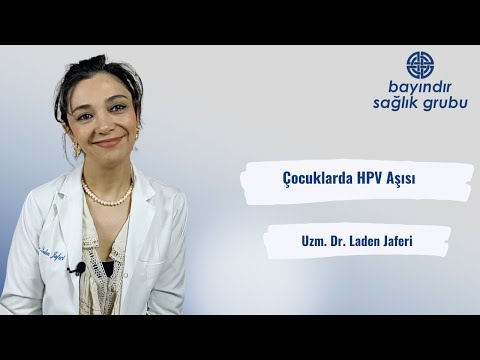




















Share this listing