

The landscape of global oncology is rapidly shifting, leading many international patients to explore advanced immunotherapy and NK cell protocols in Istanbul. For decades, patients in the United States and the United Kingdom faced agonizing choices between exorbitant healthcare costs and restrictive public health guidelines. As we move into 2026, Turkey has firmly established itself as a premier destination for precision oncology, blending cutting-edge biotechnology with highly accessible medical care. International medical travelers are increasingly realizing that bypassing their local healthcare barriers does not mean compromising on clinical excellence.
Istanbul’s medical infrastructure has seen monumental investments, attracting top-tier oncologists who have trained at some of the world's most prestigious institutions. These specialists utilize state-of-the-art facilities to administer targeted biological therapies that stimulate the patient's own immune system to fight malignant cells. Consequently, finding a world-class Clinic in Istanbul that adheres to stringent international safety standards has never been easier. This evolution is giving immense hope to families seeking life-extending therapies that are either financially out of reach or bogged down by bureaucratic delays in their home countries.
Turkey ranks among the top 10 medical tourism destinations globally, largely due to its rapid adoption of JCI-accredited facilities and advanced oncological research.
- Unmatched Accessibility: Patients can bypass long waiting lists commonly found in the NHS.
- Technological Parity: Clinics utilize the exact same flow cytometry and genomic sequencing equipment found in top US hospitals.
- Specialized Expertise: Multidisciplinary tumor boards oversee every international patient's case.
- Holistic Support: Comprehensive care packages often include nutritional and psychological oncology support.
Understanding How NK Cell Therapy for Cancer Works in Turkey
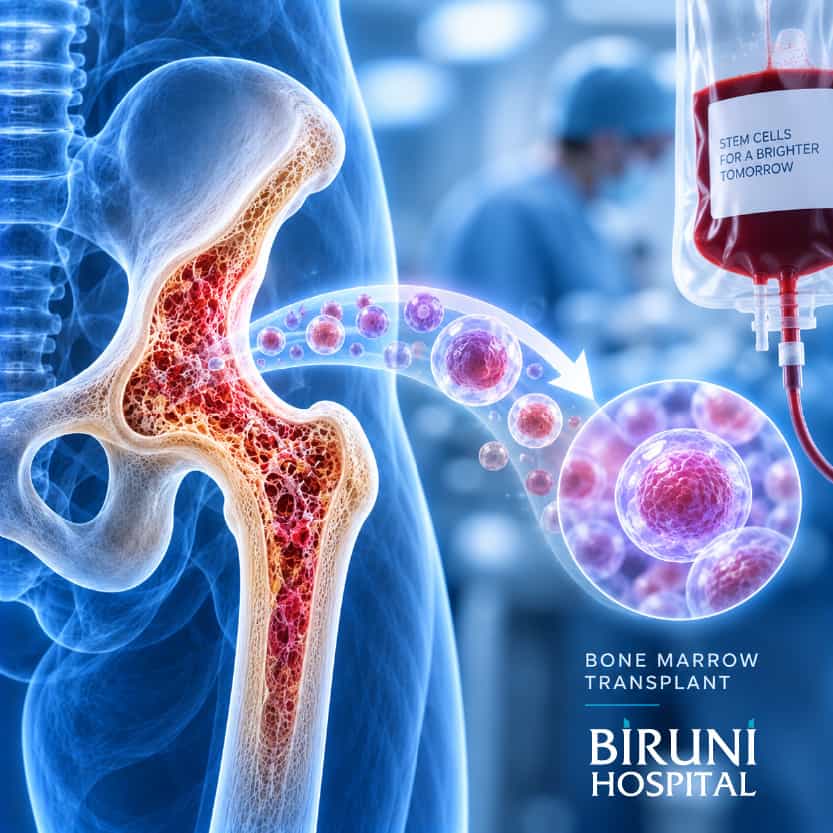
Natural Killer (NK) cell therapy represents one of the most promising frontiers in modern immunology, and understanding its mechanism is crucial for prospective patients. These specialized white blood cells are naturally designed to identify and eliminate abnormal cells, including malignancies, without requiring prior sensitization. In a clinical setting, experts extract these cells from the patient’s blood, cultivate and multiply them in highly sterile laboratory environments, and then reintroduce them into the bloodstream. This significantly amplifies the body's natural defense mechanisms, generally allowing for a more aggressive attack against solid tumors and certain blood cancers.
Medical professionals in Turkey employ strict protocols to ensure the viability and potency of the expanded NK cells before readministration. While these biological treatments are profoundly innovative, they are typically integrated with other modalities like checkpoint inhibitors or localized radiation to maximize efficacy. It is essential to note that while most patients experience a strengthened immune response, individual biological reactions can vary widely. Therefore, comprehensive genetic and molecular profiling is conducted beforehand to determine if a patient is a suitable candidate for these specialized cancer treatments in Turkey.
NK cells act as the immune system's first responders, uniquely capable of identifying tumor cells that attempt to hide by downregulating major histocompatibility complex (MHC) class I molecules.
- Cellular Extraction: A specialized apheresis machine safely collects white blood cells from the patient.
- Laboratory Expansion: Cells are isolated and multiplied exponentially over a two to three-week period.
- Activation Phase: Specific cytokines are introduced to supercharge the cancer-killing properties of the NK cells.
- Intravenous Infusion: The enhanced cells are carefully reintroduced into the patient under strict medical supervision.
Why US and UK Patients Choose Istanbul for Oncology Treatments
The primary driver pushing patients across borders is the stark reality of healthcare economics and systemic inefficiencies in their home nations. In the United States, even patients with premium health insurance frequently face crippling out-of-pocket expenses for novel biologics and targeted therapies. Meanwhile, in the United Kingdom, stringent guidelines by regulatory bodies often mean that certain advanced immunotherapies are simply unavailable on the public health system until late-stage trials conclude. By choosing to travel for medical tourism in Turkey, these patients regain control over their treatment timelines and access life-saving interventions when time is of the essence.
Istanbul offers a unique synthesis of European medical standards and Eastern hospitality, creating a deeply patient-centric healing environment. The leading medical centers boast robust international departments designed specifically to cater to the logistical, linguistic, and emotional needs of foreign visitors. Furthermore, securing treatment at an internationally accredited Clinic ensures that clinical protocols mirror those endorsed by major global health organizations. This seamless integration of high-end clinical practice and compassionate care makes the city a sanctuary for those battling complex oncological conditions.
Studies indicate that medical tourists from North America and Europe can save between 50% to 70% on complex oncological procedures by seeking care in accredited Turkish facilities.
- Avoidance of prolonged and potentially dangerous waiting periods for specialized care.
- Access to next-generation immunotherapies that may still be restricted or highly costly at home.
- Highly personalized care plans developed by internationally trained, English-speaking oncologists.
- The ability to combine rigorous medical treatment with a comforting and supportive environment.
Affordable Immunotherapy and NK Cell Therapy Cost in Istanbul
Understanding the financial aspect of long-term cancer care is vital, and the transparency of pricing in Turkey is a major relief for overwhelmed families. The sheer disparity in medical billing between Western nations and Turkey allows patients to fund entire comprehensive treatment protocols for a fraction of the domestic price. The generally include diagnostic testing, hospital fees, and the biological agents themselves. Because overhead costs, malpractice insurance, and administrative bloat are substantially lower in Turkey, clinics can pass these massive savings directly to the patient.
When evaluating your options, it is highly recommended to request a deeply itemized financial breakdown before committing to any international travel. The following table illustrates realistic market ranges for these procedures, though individual costs will fluctuate based on the specific genomic requirements of the tumor. Please note that while the therapies are cost-effective, patients must still budget for extended stays and potential follow-up visits. Always consult directly with your medical facilitator to secure precise, up-to-date quotations.
| Procedure Name | Average Cost in Istanbul | Cost Comparison (US / UK) |
|---|---|---|
| Advanced NK Cell Therapy Protocol | $15,000 - $25,000 | US: $100,000+ / UK: £75,000+ |
| Dendritic Cell Vaccine Therapy | $12,000 - $20,000 | US: $80,000+ / UK: £60,000+ |
| Monoclonal Antibodies (per cycle) | $2,500 - $5,000 | US: $12,000+ / UK: £8,000+ |
| Comprehensive Genomic Tumor Profiling | $1,500 - $3,000 | US: $6,000+ / UK: £4,500+ |
The cost savings achieved by medical tourists in Turkey are largely due to the lower cost of living and favorable exchange rates, not a reduction in medical quality or technological standards.
Comprehensive Cancer Diagnostic and Immunotherapy Protocols in Istanbul
Before any biological agents are administered, patients undergo a rigorously detailed diagnostic phase to map the precise molecular nature of their malignancy. Precision medicine dictates that immunotherapy is not a one-size-fits-all solution; its success depends entirely on identifying specific biomarkers within the tumor. Medical centers in Turkey utilize advanced PET-CT imaging alongside next-generation sequencing (NGS) to analyze the genetic mutations driving the cancer's growth. This ensures that the chosen immunotherapy clinics in Istanbul only proceed with treatments that have a statistically viable chance of generating a positive immune response.
Once the molecular footprint is clearly understood, the oncology team crafts a highly individualized, multi-phase therapeutic strategy. This strategy generally outlines the exact sequence of cell extraction, laboratory cultivation, and the precise timing of intravenous infusions. To maintain peak safety and efficacy, these protocols are strictly monitored by a collaborative board of immunologists, oncologists, and pathologists. Most patients experience a highly organized and communicative diagnostic period, setting clear clinical expectations before the active therapy begins.
Always bring high-resolution copies of your previous biopsy reports and imaging scans on a digital drive, as this can significantly expedite your diagnostic phase upon arrival.
- Biomarker Testing: Assessment of PD-L1 expression and Microsatellite Instability (MSI).
- Liquid Biopsies: Non-invasive blood tests to detect circulating tumor DNA.
- Flow Cytometry: Precise counting and sorting of immune cell populations.
- Tumor Board Review: Collaborative evaluation by a panel of specialized oncology experts.
The Patient Journey for Advanced Immunotherapy in Turkey
Embarking on a cross-continental journey for medical care can feel daunting, but the patient experience in Turkey is meticulously structured to alleviate anxiety. The process begins long before you board a flight, starting with an initial telemedicine consultation where specialists review your medical history and preliminary scans. Once deemed a preliminary candidate for cancer treatment in Turkey, you are assigned a dedicated patient coordinator who manages your clinical itinerary and logistics. This structured approach generally allows patients to focus entirely on their mental and physical well-being rather than administrative burdens.
Upon arriving in the country, patients are warmly greeted and immediately integrated into the clinic's workflow, beginning with in-person diagnostics and baseline blood panels. The middle phase of the journey involves the actual cell extraction and subsequent waiting period, during which patients typically rest in comfortable outpatient settings. Finally, the re-infusion phase occurs under close clinical observation, followed by a stabilization period to monitor for any immediate adverse reactions. This end-to-end framework guarantees that international travelers receive a continuum of care that feels both highly professional and deeply compassionate.
Many specialized oncology centers in Turkey feature dedicated international patient lounges equipped with multilingual staff, prayer rooms, and dietary-specific catering.
- Step 1: Remote case evaluation and preliminary protocol design via telemedicine.
- Step 2: Arrival, clinical intake, and comprehensive onsite diagnostic confirmation.
- Step 3: Execution of the biological treatment protocol, including apheresis and infusion.
- Step 4: Post-treatment observation, local recovery, and eventual medical clearance to fly home.
Safety and Efficacy of NK Cell Protocols in Istanbul Clinics
When exploring cellular therapies, understanding the balance between potential medical benefits and inherent biological risks is of paramount importance. Immunotherapy and NK cell treatments are typically safe when administered in highly regulated, JCI-accredited medical facilities equipped with intensive care units. However, because these therapies hyper-stimulate the immune system, there is always a risk that the body may inadvertently attack its own healthy tissues. Oncologists in Turkey enforce strict contraindications; for instance, individuals with severe pre-existing autoimmune disorders are generally excluded from these specific protocols to prevent life-threatening exacerbations.
While global clinical data increasingly supports the efficacy of immune-based oncology, transparent medical practitioners will never guarantee absolute remission or cure. Most patients experience manageable side effects, such as low-grade fevers, fatigue, or localized inflammation at the injection site. Serious adverse events, like cytokine release syndrome (CRS), are rare in standard NK cell therapy compared to CAR-T therapy, but clinics remain vigilantly prepared for all medical emergencies. Trustworthy institutions prioritize honest risk disclosure, ensuring you are fully informed before signing any consent forms.
Medical outcomes cannot be guaranteed. Immunotherapy protocols carry inherent risks including autoimmune reactions and inflammatory responses. Thoroughly discuss all potential side effects and strict contraindications with a certified oncologist prior to traveling.
- Treatments are strictly contraindicated for patients with active, severe autoimmune diseases (e.g., Lupus, Rheumatoid Arthritis).
- Pregnant or nursing women are universally excluded from advanced biological and cellular protocols.
- Patients with severe organ dysfunction (liver or kidney failure) may not tolerate the metabolic load of the therapy.
- Close monitoring is mandatory to immediately manage rare complications like severe inflammatory responses.
Top Types of Cancers Treated with Immunotherapy in Turkey
The remarkable versatility of immune-modulating treatments has expanded their application across a diverse spectrum of malignant diseases. Historically, these therapies were primarily utilized for late-stage melanomas, but ongoing research has vastly broadened their clinical utility. Today, highly specialized oncologists deploy these protocols against various challenging solid tumors that have demonstrated resistance to traditional chemotherapy and radiation. Evaluating your specific histology with a medical professional is the only way to determine if your cancer is highly responsive to advanced oncology treatments in Turkey.
The success of these interventions often correlates with the "mutational burden" of the tumor—cancers with higher mutation rates tend to be more easily recognized by the activated immune cells. Consequently, cancers related to environmental exposures, such as smoking-induced lung cancers or UV-induced skin cancers, frequently show robust responses. Furthermore, recent advancements have shown promising developments in treating certain gastrointestinal and genitourinary cancers. A comprehensive genomic analysis remains the gold standard for predicting therapeutic success across these varying cancer types.
- Malignant Melanoma: Historically the most responsive skin cancer to immune checkpoint inhibitors.
- Non-Small Cell Lung Cancer (NSCLC): Highly treated with biologicals, especially when PD-L1 markers are present.
- Renal Cell Carcinoma: Advanced kidney cancers frequently show positive stabilization with immune therapy.
- Triple-Negative Breast Cancer: Specific subsets may benefit from combined immunotherapy and chemotherapy protocols.
Comparing Immunotherapy and NK Cell Protocols in Istanbul vs the UK and USA
A critical analysis of cross-border healthcare reveals significant logistical and regulatory differences between Western medical systems and Turkey's private healthcare sector. In the United States, obtaining approval for novel cellular therapies often requires navigating a labyrinth of insurance pre-authorizations, which frequently results in frustrating denials. In the UK, the National Institute for Health and Care Excellence (NICE) strictly regulates which therapies the NHS can fund, meaning many promising but costly immunotherapies are heavily restricted. Conversely, Turkey’s private sector operates with remarkable agility, allowing immediate out-of-pocket access to globally approved and scientifically validated biological treatments.
Furthermore, the pace of care delivery forms a stark contrast that deeply impacts patient prognosis. US and UK patients routinely endure weeks or months of waiting for initial specialist consultations and diagnostic imaging. By choosing to pursue their medical tourism journey in Istanbul, patients can often schedule their initial consultations within days and commence treatment protocols shortly after arrival. This rapid deployment of medical intervention is frequently cited as a crucial factor in managing aggressive, fast-growing malignancies.
Turkey’s Ministry of Health maintains exceptionally stringent oversight on all private medical facilities, ensuring that the accelerated pace of care never compromises rigorous clinical safety standards.
- Wait Times: Days in Turkey versus weeks or months in the US/UK public and private networks.
- Accessibility: Direct access to therapies in Turkey compared to strict insurance or national health board rationing.
- Cost Structure: Transparent, bundled pricing in Istanbul versus unpredictable, itemized billing in North America.
- Care Model: Highly personalized, concierge-style medical attention typical of Turkish international hospitals.
Preparing for Your Medical Tourism Trip for Oncology in Istanbul
Thorough preparation is the cornerstone of a successful and stress-free medical journey, especially when traveling with a complex health condition. Your primary focus should be on compiling a comprehensive physical and digital dossier of your entire medical history. This must include recent pathology reports, surgical notes, blood panels, and high-resolution imaging files (MRI, CT, PET scans) translated into English if necessary. Providing your chosen Clinic with this detailed information beforehand allows the tumor board to formulate an accurate preliminary strategy, saving invaluable time upon your arrival.
Beyond medical documentation, practical travel logistics require careful attention and early planning. Ensure your passport is valid for at least six months beyond your intended stay and secure the appropriate medical visa required by the Turkish government. It is also crucial to mentally prepare for the journey; dealing with a cancer diagnosis is emotionally taxing, and traveling abroad adds a layer of complexity. We highly recommend traveling with a supportive companion who can assist with daily tasks, provide emotional grounding, and help track medical instructions during consultations.
Consult with your primary care physician at home before booking flights to ensure you are physically fit to handle the rigors of international air travel.
- Organize all medical records chronologically in a secure, easily accessible digital format.
- Verify international banking limits to ensure smooth payment for your medical procedures.
- Pack comfortable, loose-fitting clothing suitable for clinical environments and prolonged rest.
- Establish an emergency communication plan with family members back in your home country.
Recovery and Follow-Up Care After Immunotherapy in Turkey
The post-treatment phase is a critical component of your overall oncological strategy, requiring diligent observation and lifestyle management. Most immunotherapy and NK cell infusions are performed on an outpatient basis, allowing you to return to your local accommodation shortly after the procedure. However, medical teams typically require patients to remain in the city for one to two weeks post-infusion to closely monitor for delayed immunological reactions. During this period, you will attend regular check-ups to assess your vital signs, conduct follow-up blood work, and ensure your body is responding appropriately to the biological agents.
Once you are medically cleared to return home, the continuity of your care seamlessly transitions to a collaborative global model. Your specialists in Turkey will provide comprehensive discharge summaries and will coordinate directly with your local oncologist to establish a long-term monitoring plan. Follow-up consultations are routinely conducted via secure telemedicine platforms, allowing the Turkish medical team to review new scans and lab results remotely. This structured, ongoing relationship ensures that you remain fully supported throughout your prolonged recovery and ongoing cancer management.
- Immediate post-infusion observation in the clinic to monitor for acute allergic or inflammatory responses.
- A mandatory local stay in Istanbul for several days to a week for short-term clinical monitoring.
- Strict adherence to prescribed supportive medications and recommended dietary guidelines.
- Scheduled remote telemedicine check-ins at 30, 60, and 90-day intervals post-treatment.
Real Success Stories of Immunotherapy and NK Cell Protocols in Istanbul
Hearing from individuals who have successfully navigated this journey can provide immense comfort and practical insight to prospective patients. While every cancer diagnosis is unique, the shared experiences of international medical tourists highlight the high standards of care provided in Turkey. These narratives frequently emphasize the deep compassion of the medical staff, the efficiency of the clinical protocols, and the relief of accessing affordable treatments. Please remember that these are individual accounts; most patients experience varying degrees of response, and clinical outcomes differ significantly based on personal pathology.
Below are summaries of experiences from international patients who pursued advanced oncological therapies in the region. They reflect the diverse range of cases managed by these highly specialized multidisciplinary teams. Their journeys underscore the importance of thorough research, timely intervention, and the courage to seek medical solutions beyond borders.
David's Journey (USA) - Advanced Lung Cancer
Facing exorbitant out-of-pocket costs for targeted biologics in the US, David traveled to Istanbul. After a tailored dendritic cell and immunotherapy protocol, his post-treatment scans showed significant tumor stabilization, and he praised the clinic's transparent pricing and exceptional communication.
Sarah's Experience (UK) - Melanoma
Unable to access specific novel immunotherapies swiftly through the NHS, Sarah opted for private care in Turkey. She highlighted the rapid two-day turnaround from consultation to treatment commencement, noting the state-of-the-art facilities rivaled top London hospitals.
Michael's Story (Canada) - Renal Cell Carcinoma
Michael sought NK cell therapy to complement his traditional treatments. He reported that the international patient coordinators made his month-long stay stress-free, allowing him to focus entirely on his health and recovery without logistical worries.
Elena's Account (USA) - Breast Cancer
Seeking an integrative approach, Elena underwent a combination of localized treatments and immunotherapy. She felt deeply supported by the multidisciplinary tumor board, which thoroughly explained the strict contraindications and realistically managed her clinical expectations.
How PlacidWay Assists Your Immunotherapy Medical Tourism Journey in Istanbul
Navigating the complex world of international oncology requires a trusted partner to guide you through the intricate clinical and logistical pathways. PlacidWay acts as a crucial bridge, connecting medically vulnerable patients with globally recognized, accredited healthcare institutions that meet stringent quality standards. We understand that organizing specialized cancer care from thousands of miles away is overwhelming, which is why our platform is designed to simplify the entire discovery and connection process.
Our goal is to empower you with transparent information, direct access to specialized medical professionals, and the confidence to make informed healthcare decisions. By utilizing our extensive network, you can bypass the confusion of independent research and directly engage with facilities equipped to handle advanced biological protocols.
- Providing direct access to a curated network of highly vetted, internationally accredited oncology centers.
- Facilitating secure, initial telemedicine consultations with specialized immunologists and oncologists.
- Assisting in the secure transfer and translation of your complex medical records and imaging files.
- Offering detailed, transparent comparative cost estimates from multiple high-tier medical facilities.
- Assigning dedicated patient advocates to help streamline communication between you and the foreign clinical team.
Frequently Asked Questions About Immunotherapy and NK Cell Protocols in Istanbul
When considering such a significant medical and geographical leap, patients naturally have a multitude of detailed questions regarding the logistics, safety, and specifics of the treatments. It is entirely normal to feel apprehensive about receiving complex cellular therapies in a foreign country. Gathering accurate, straightforward information is the first critical step in building the confidence required to pursue these advanced medical options.
Below, we have compiled the most common inquiries from international patients exploring oncological care in this region. If your specific concerns are not addressed here, we highly encourage you to reach out directly for a personalized consultation regarding your unique medical circumstances.
Is immunotherapy in Istanbul safe for international patients?
Yes, treatments are generally safe when performed in internationally accredited facilities. Clinics typically adhere to strict global oncology standards and protocols to ensure high levels of patient safety.
How much does NK cell therapy cost in Turkey compared to the US?
NK cell therapy in Turkey typically ranges from $15,000 to $25,000, which is significantly lower than in the US. In the United States, similar advanced protocols can easily exceed $100,000 due to high healthcare overheads.
Do I need a medical visa to receive cancer treatment in Istanbul?
Most international patients will require a medical visa to undergo treatment in Turkey. The process is generally straightforward, and many medical tourism facilitators assist with expediting these applications.
How long do I need to stay in Istanbul for my immunotherapy protocol?
The length of stay varies depending on your personalized protocol, but most patients remain in the country for two to four weeks. This allows sufficient time for initial diagnostics, the treatment administration, and preliminary follow-up.
Can I continue my current chemotherapy while receiving NK cell therapy?
This depends entirely on your specific cancer type and the recommendations of your oncologist. Generally, multidisciplinary tumor boards will design a cohesive plan that safely integrates or sequences your therapies.
Will there be a language barrier at the oncology clinics in Istanbul?
Most major medical centers in Istanbul employ bilingual medical staff and provide dedicated translation services for international patients. You will typically have a personal coordinator to ensure clear communication at all times.
What types of cancer respond best to these advanced protocols?
Immunotherapy is typically most effective for solid tumors like melanoma, lung cancer, and renal cell carcinoma. However, comprehensive genomic testing is required to determine if your specific tumor expresses the necessary markers.
Are there side effects associated with NK cell therapies?
While generally well-tolerated, side effects can include fatigue, fever, and mild flu-like symptoms as the immune system activates. Severe autoimmune reactions are rare but require strict monitoring by a qualified medical team.
How is post-treatment follow-up managed once I return home?
Post-treatment care is typically managed through secure telemedicine consultations and collaboration with your local oncologist. The Istanbul medical team will continuously review your local scan results and blood work to monitor progress.
Does PlacidWay guarantee the success of my cancer treatment?
No, PlacidWay is a medical tourism facilitator and cannot guarantee any medical outcomes or results. We assist in connecting you with accredited facilities, but all medical decisions and prognoses are strictly between you and your healthcare provider.
Ready to explore advanced, affordable immunotherapy options in Istanbul? Contact PlacidWay today for a comprehensive consultation and personalized medical tourism assistance.
References
- National Cancer Institute. "Immunotherapy to Treat Cancer." https://www.cancer.gov/about-cancer/treatment/types/immunotherapy
- Cancer Research UK. "What is immunotherapy?" https://www.cancerresearchuk.org/about-cancer/treatment/immunotherapy/what-is-immunotherapy
- World Health Organization. "Cancer Fact Sheet." https://www.who.int/news-room/fact-sheets/detail/cancer
.png)


.png)
.png)
.png)
.png)
.png)
.png)








Share this listing