


Advanced Cancer Screening and Early Diagnosis: A Lifesaving Necessity in Modern Oncology
Early detection is the cornerstone of effective cancer treatment, transforming a potentially terminal diagnosis into a manageable or curable condition. In this detailed session, Assoc. Prof. Dr. Ece Esin from Bay?nd?r Sö?ütözü Hospital explains how understanding your body's cellular changes can save your life. By recognizing the most common cancer types and adhering to modern screening protocols, patients can take proactive steps toward long-term health and wellness.
Video Chapters & Quick Navigation
Understanding Cellular Growth and the Origins of Cancer
Cancer is fundamentally a disease of the cells, which are the basic building blocks of the human body. Every organ—whether it be the liver, heart, or brain—is composed of specialized cells that follow a strict cycle of birth, function, and death. This process is controlled by genetic instructions that ensure our bodies remain in balance.
As Assoc. Prof. Dr. Ece Esin explains at [00:36], cancer occurs when these cells "escape" their normal regulatory mechanisms. Due to genetic mutations—some inherited and some acquired throughout life from environmental factors—cells begin to divide uncontrollably.
These cells become immortal in a sense, refusing to undergo apoptosis (programmed cell death). This cluster of abnormal cells eventually forms a tumor. When these cells originate from our own tissue, our immune system often fails to recognize them as a threat until they have grown significantly.
The Critical Importance of Early Diagnosis in Oncology
The time it takes for a single cancer cell to grow into a visible or symptomatic tumor varies greatly depending on the organ. Some tumors develop in days, while others take months or years. Understanding this "window of opportunity" is why screening is so vital [01:42].
Early diagnosis means finding the cancer before it has spread to lymph nodes or distant organs (metastasis). At an early stage, the treatment is often less invasive, requires lower doses of medication, and has a significantly higher success rate. For many cancers, finding it early can lead to a 90% survival rate or higher.
Common Cancers in Men and Women
In Turkey, statistics gathered by KETEM (Cancer Early Diagnosis, Screening, and Training Centers) highlight specific trends. Identifying these common risks allows for targeted screening efforts.
| Category | Most Common Cancer Types |
|---|---|
| Women | Breast, Lung, Cervical, Colorectal, Ovarian |
| Men | Lung, Prostate, Colorectal, Bladder, Stomach |
Strategies for Early Breast Cancer Detection
Breast cancer remains the most frequently diagnosed cancer among women globally and in Turkey. However, it is also one of the cancers most responsive to screening. Dr. Esin notes that 1 in 7 or 8 women will encounter this disease in their lifetime [04:12].
The Role of Mammography: This low-dose X-ray of the breast can identify tumors long before they are felt by hand. Modern digital mammography has reduced radiation exposure while increasing diagnostic accuracy. After the age of 40, an annual mammogram is recommended for all women.
Self-Examination Protocols: Women are encouraged to perform monthly self-exams starting at age 20 [06:07]. By familiarizing themselves with the normal feel of breast tissue, women can quickly identify lumps, changes in skin texture, or nipple discharge. Early detection through self-exams often prevents the need for extensive surgery or aggressive chemotherapy.
Lung Cancer Screening and the Impact of Smoking
Lung cancer is the leading cause of cancer-related deaths in men and the second in women. The primary risk factor is tobacco use, which accounts for approximately 90-95% of all cases [07:05]. Quitting smoking at any age immediately begins to reduce the risk.
For long-term smokers or those at high risk, standard X-rays are often insufficient for early detection. The medical community now recommends Low-Dose Computed Tomography (LDCT) for screening [08:08]. This technology provides detailed cross-sectional images of the lungs, allowing doctors to find tiny nodules that would otherwise go unnoticed.
By detecting lung cancer in its earliest stages, surgical intervention can be performed with curative intent, rather than just managing symptoms in advanced stages. Dr. Esin emphasizes that while Turkey is still developing national guidelines for LDCT through KETEM, major hospitals like Bay?nd?r already offer these proactive screenings for high-risk patients.
Colorectal Cancer: From Prevention to Diagnosis
Colorectal cancer ranks third in frequency for both men and women. It is unique because it often begins as a benign growth called a polyp, which can take years to become cancerous [09:15].
The Fecal Occult Blood Test (FOBT): This is a simple, non-invasive starting point. It detects microscopic amounts of blood in the stool that may indicate the presence of polyps or early-stage tumors. It is easily accessible through primary care physicians and health centers.
Colonoscopy—The Gold Standard: While some may find the prospect of a colonoscopy intimidating, it is the only screening method that is also therapeutic [10:38]. During a colonoscopy, a camera is used to examine the entire colon. If a polyp is found, the doctor can often remove it right then and there, effectively preventing cancer before it even starts.
Cervical Cancer Screening and the Power of Vaccination
Cervical cancer is largely preventable because its primary cause is well-understood: the Human Papillomavirus (HPV). This virus is transmitted through skin-to-skin contact, usually sexually [13:12].
HPV Vaccination: Modern science has provided a vaccine that can prevent the most dangerous strains of HPV. Ideally administered starting at age 11 for both boys and girls, the vaccine provides lifelong protection against the viruses that cause cervical, penile, and anal cancers [15:08].
Smear and HPV Tests: Regular screenings through Pap smears or HPV DNA tests are essential for sexually active women. These tests identify abnormal cell changes in the cervix early enough to be treated with simple procedures that prevent full-blown cancer from developing.
Upper GI Health: Stomach Cancer and Endoscopy
Stomach and esophageal cancers are particularly prevalent in certain regions, including parts of Turkey like Eastern and Southeastern Anatolia [16:02]. Factors like diet, genetics, and the presence of H. pylori bacteria contribute to these risks.
Endoscopic Evaluation: Upper endoscopy involves inserting a flexible camera through the mouth to inspect the stomach lining. Like colonoscopy, it can identify small ulcers or lesions that may be precursors to cancer. Early intervention can lead to excellent survival rates without the need for total gastrectomy (removal of the stomach).
Building a Proactive Health Management Plan
Taking charge of your oncological health requires a partnership with specialized medical teams. Hospitals in Turkey, like Bay?nd?r Sö?ütözü, offer comprehensive "check-up" packages that integrate all the aforementioned screenings into a streamlined process.
Being proactive means understanding your family history, maintaining a healthy lifestyle, and—most importantly—not letting fear prevent you from getting tested. As Dr. Esin concludes, medical professionals fear late-stage cancer more than the tests themselves. By utilizing advanced screening technology, we can turn the tide against this disease [17:21].
Oncology Services in Turkey
Turkey has become a leading destination for oncology due to its investment in high-end medical technology, such as PET-CT scans, robotic surgery, and advanced radiotherapy like CyberKnife and TrueBeam. Patients from around the world choose Turkey for screening and treatment because of the combination of Western-standard medical expertise and highly competitive pricing.
Take Charge of Your Health Today
Early detection saves lives. PlacidWay Medical Tourism connects you with top-rated hospitals in Turkey, offering advanced cancer screening and preventive care at world-class standards. Let us help you schedule your comprehensive check-up with ease and confidence.
GET A FREE QUOTE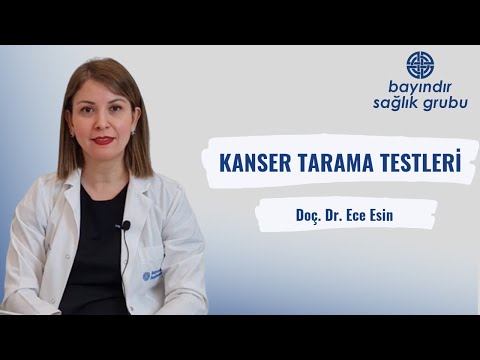

.png)





.png)
.png)
.png)




.png)








Share this listing