
If you live in Germany and are considering lung cancer immunotherapy in Turkey, the key question is whether the proposed treatment fits your exact cancer subtype, stage and biomarkers. You also need to verify the Turkish facility's authorization, the oncologist's credentials, the plan for immune-related complications, the handover to your German team and a detailed written cost breakdown before travel.
Quick Summary: Lung Cancer Immunotherapy in Turkey
- Who may be suitable: patients whose cancer type, stage, pathology, molecular profile and overall health support evidence-based immunotherapy. PD-L1 can matter in NSCLC, but it is not the only factor.
- Cost: no reliable national all-in USD price is publicly available. Request an itemized quote for the drug, infusion, oncology fees, testing, imaging, supportive care and possible complication costs.
- Hospital verification: confirm a Turkish Ministry of Health International Health Tourism Authorization Certificate. Hospitals and medical centers are also subject to TÜSKA accreditation requirements, with a transition deadline for existing facilities through 31 December 2026.
- Doctor verification: confirm a qualified medical-oncology specialist and ask for documented credentials, lung-cancer experience and a clear immune-toxicity management pathway.
- Recovery and travel: immunotherapy has no single surgery-like recovery period. Your oncology team should decide when you are medically fit to fly.
- Main caution: do not interrupt effective German treatment for an unverified offer. Get the exact drug, indication and clinical rationale in writing and arrange German follow-up before leaving.
What Lung Cancer Immunotherapy in Turkey Means for German Patients
For a German patient, lung cancer immunotherapy in Turkey should mean receiving an evidence-based immune checkpoint treatment within a documented oncology plan—not receiving an undefined “immune boosting” therapy. Immune checkpoint inhibitors help remove inhibitory signals that cancer cells can use to reduce an immune response. Depending on the lung-cancer setting, these medicines may be used alone or with chemotherapy, radiotherapy or surgery-related treatment strategies.
The current German S3 lung cancer guideline, Version 5 in 2026, reflects how individualized modern lung-cancer treatment has become. Decisions can differ substantially between non-small-cell lung cancer (NSCLC) and small-cell lung cancer (SCLC), and within NSCLC according to stage, histology, PD-L1 expression and actionable molecular alterations. This is why a treatment name alone is never enough to judge whether an overseas plan is appropriate.
Who May Be Eligible for Lung Cancer Immunotherapy in Turkey?
Eligibility is determined by the biology and extent of your cancer, not by nationality or willingness to travel. A medical oncologist should review the original pathology, imaging and prior treatments before deciding whether an immune checkpoint inhibitor is suitable. In NSCLC, this usually includes confirming histologic subtype, stage and clinically relevant biomarkers before systemic treatment is selected.
PD-L1 is a protein that can be measured on tumor cells and may help predict benefit from some checkpoint inhibitors. However, a high or low PD-L1 result does not independently create a treatment plan. Actionable genetic alterations, previous treatment, performance status, autoimmune disease, organ transplantation, active infections, organ function and other medical conditions can affect the risk-benefit assessment.
| Information to review | Why it matters | What you should bring from Germany |
|---|---|---|
| Pathology diagnosis | Confirms NSCLC or SCLC and the tumor subtype. | Pathology report; slides or blocks if a second review is requested. |
| Cancer stage | Determines whether treatment is curative-intent, perioperative, consolidation or advanced-disease therapy. | CT/PET-CT and brain imaging reports plus DICOM files where available. |
| PD-L1 result | Can influence checkpoint-inhibitor selection in several NSCLC settings. | Full laboratory/pathology report including assay information if reported. |
| Molecular testing | Actionable driver alterations may shift treatment toward targeted therapy rather than an immunotherapy-first approach. | Existing NGS or molecular panel results and specimen details. |
| Medical history | Autoimmune disease, transplant history, lung disease and organ function can change safety considerations. | Medication list, allergies, comorbidities, previous cancer treatments and recent blood tests. |
Turkey vs Germany for Lung Cancer Immunotherapy
Germany and Turkey both have specialist oncology services, but the patient pathway is different when you cross a national healthcare system. In Germany, your treatment may be delivered within a familiar S3-guideline and statutory or private insurance framework. In Turkey, a German medical traveler must additionally verify the international-health-tourism authorization, financial terms, language support, drug availability and cross-border follow-up plan.
Travel should be based on a clear clinical or practical reason, such as a specialist second opinion or a defined access issue. Cost alone is not a sufficient medical reason, and Turkish treatment should not be assumed to be cheaper than German care.
| Decision factor | Germany | Turkey as a medical traveler | Question to resolve |
|---|---|---|---|
| Clinical standard | Current German S3 lung-cancer guidance supports biomarker- and stage-specific decisions. | Ask the Turkish oncologist to document the evidence and indication supporting the exact regimen. | Would my German tumor board consider the same strategy reasonable? |
| Regulation | German professional and healthcare regulation applies. | Verify Ministry of Health international-health-tourism authorization and applicable TÜSKA accreditation status. | Can the hospital provide current documents? |
| Medicine verification | German/EU authorization and local availability govern routine use. | Confirm the exact drug, Turkish authorization/SmPC information and hospital availability through T?TCK-regulated channels. | Is this exact medicine authorized and available for my intended use? |
| Payment | GKV/PKV coverage depends on indication and insurance rules. | Planned private international care may require self-payment unless written coverage is confirmed. | What will my insurer confirm in writing before travel? |
| Continuity | Your existing oncology team and records are usually in one healthcare system. | You need a formal handover between Turkish and German teams. | Who manages delayed side effects after I return? |
Lung Cancer Immunotherapy Cost in Turkey for German Patients
There is no single verified national all-inclusive USD price that can responsibly represent lung cancer immunotherapy in Turkey. The total can vary with the exact drug and regimen, body-size or fixed-dose rules where applicable, treatment duration, diagnostic work-up, imaging, laboratory monitoring, hospital charges, supportive treatment and whether a complication requires admission. Any exact “one price” without those details can be misleading.
Turkey's May 2025 international health-tourism regulation strengthens cost transparency: international-health-tourism services are subject to the applicable Ministry pricing framework, and health facilities must provide invoices with detailed breakdowns and unit prices. Patients may also request itemized information about medicines, consumables, laboratory tests and imaging. Use that legal transparency as part of your provider-vetting process.
| Quote component | What the written USD quote should specify | Common cost uncertainty |
|---|---|---|
| Immunotherapy medicine | Generic name, brand if relevant, each administration charge, and whether medicine cost is included. | Regimen, number of administrations and treatment changes. |
| Oncology and infusion services | Medical-oncology consultation, infusion unit, nursing, pharmacy preparation and monitoring. | Hospital billing structure and observation needs. |
| Pathology and biomarkers | Second pathology review, PD-L1, molecular testing or NGS only if clinically required. | Whether German results are accepted or repeat testing is needed. |
| Imaging and laboratory tests | Blood tests, CT/PET-CT/MRI when required, and response assessment schedule. | Frequency depends on disease and treatment plan. |
| Complication care | Emergency assessment, inpatient admission and specialist consultation policy. | Immune-related toxicity can create unplanned costs. |
| Non-medical costs | Interpreter, airport transfer, hotel, companion expenses, flight changes and return travel. | Length of stay and need for repeat visits. |
How to Choose a Hospital for Lung Cancer Immunotherapy in Turkey
The first hospital credential to verify is Turkish government authorization for international health tourism. Under the Regulation on International Health Tourism and Tourist's Health published on 9 May 2025, a healthcare facility providing international health-tourism services must hold an International Health Tourism Authorization Certificate. This is more relevant than relying on marketing badges or hotel-style package presentation.
The same regulation introduced TÜSKA accreditation requirements for hospitals and medical centers. Existing authorized facilities were given a transition period until 31 December 2026 for the specified accreditation obligation. Because this article is current as of August 2026, ask the hospital for both its authorization certificate and its present TÜSKA accreditation status rather than assuming every facility has already completed the transition.
| Hospital trust signal | What to verify | Why it matters for immunotherapy |
|---|---|---|
| International Health Tourism Authorization Certificate | Current certificate and facility identity from the Ministry of Health framework. | Shows the facility is authorized to provide international health-tourism services. |
| TÜSKA accreditation status | Current certificate/status and, during the 2026 transition, how the facility is meeting the deadline. | Provides a national healthcare-quality accreditation signal. |
| Medical oncology service | Dedicated oncology team, infusion unit and pharmacy processes. | Checkpoint inhibitors need oncology prescribing, monitoring and toxicity management. |
| Emergency and inpatient capability | 24/7 emergency plan, ICU or formal transfer route, pulmonology and other specialist access. | Severe immune-related adverse events can require urgent multidisciplinary treatment. |
| Foreign-language unit | German or high-quality English interpretation and translated medical documents. | Consent, adverse-event instructions and medication details must be understood accurately. |
| Detailed quote and invoice | Itemized medical and non-medical charges rather than a vague package total. | Lets you understand what is included and plan for unexpected care. |
How German Patients Can Verify a Turkish Medical Oncologist
Your treating doctor should be a physician qualified to practice medical oncology within the Turkish healthcare system, with specific experience in lung cancer and checkpoint-inhibitor toxicity. A polished biography or society logo is useful background, but it is not a substitute for official professional credentials and hospital verification.
Ask the hospital for the doctor's full name, medical specialty, current position and professional credentials. Then ask about lung-cancer case experience, multidisciplinary tumor-board review, interpretation of PD-L1 and molecular results, and who manages serious immune-related complications.
- Confirm specialty: the physician responsible for systemic treatment should have appropriate medical-oncology expertise.
- Confirm hospital appointment: verify that the doctor currently practices at the facility named in your quote.
- Ask about lung-cancer volume: request the doctor's approximate annual lung-cancer caseload and checkpoint-inhibitor experience; treat unverified marketing numbers cautiously.
- Ask how treatment is selected: your plan should reference pathology, stage, biomarkers, previous therapy and comorbidities.
- Ask about toxicity coverage: identify the emergency contact, after-hours pathway and specialists available if an immune-related adverse event develops.
- Ask who communicates with Germany: arrange a named clinician or coordinator who can send treatment records to your German oncology team.
What Happens Before, During and After Immunotherapy in Turkey?
A safe cross-border pathway starts before the first infusion. The Turkish team should review your diagnosis and determine whether additional pathology, biomarker testing or imaging is clinically necessary. You should receive a written treatment plan describing the drug, treatment intent, expected schedule, monitoring and conditions that would cause treatment to be delayed, changed or stopped.
On treatment days, the oncology team typically reassesses symptoms and laboratory results before administering therapy. Monitoring continues between administrations because immune-related side effects may affect organs outside the lung. Your discharge information should tell you exactly whom to call in Turkey, which symptoms need urgent assessment, and what your German doctors need to know after you return.
| Timeframe | Biological or clinical process | Patient sensation | Activity level | Action required |
|---|---|---|---|---|
| Before each treatment | Clinical review checks whether treatment remains appropriate and whether toxicity is developing. | You may feel well or report new fatigue, cough, bowel, skin or hormonal symptoms. | Individual. | Report every new symptom; do not hide problems to avoid a treatment delay. |
| Infusion day and early period | Medicine is administered and acute reactions are monitored according to the regimen. | Some patients feel little change; others experience fatigue or other treatment-related symptoms. | Light activity may be possible if you feel well and the team agrees. | Follow written hydration, monitoring and contact instructions; avoid making your own medication changes. |
| Between treatment visits | Immune activation continues and adverse events can emerge between appointments. | Symptoms vary widely and may involve the lungs, bowel, skin, liver, glands or other organs. | Based on symptoms, disease burden and medical advice. | Keep the drug name and oncology emergency contacts with you; report new symptoms promptly. |
| After returning to Germany | Response monitoring and surveillance for delayed toxicity continue. | You may feel recovered from travel yet still need clinical monitoring. | Your German oncology team should advise. | Provide the complete Turkish treatment summary and maintain planned oncology follow-up. |
Risks of Lung Cancer Immunotherapy and When to Get Urgent Help
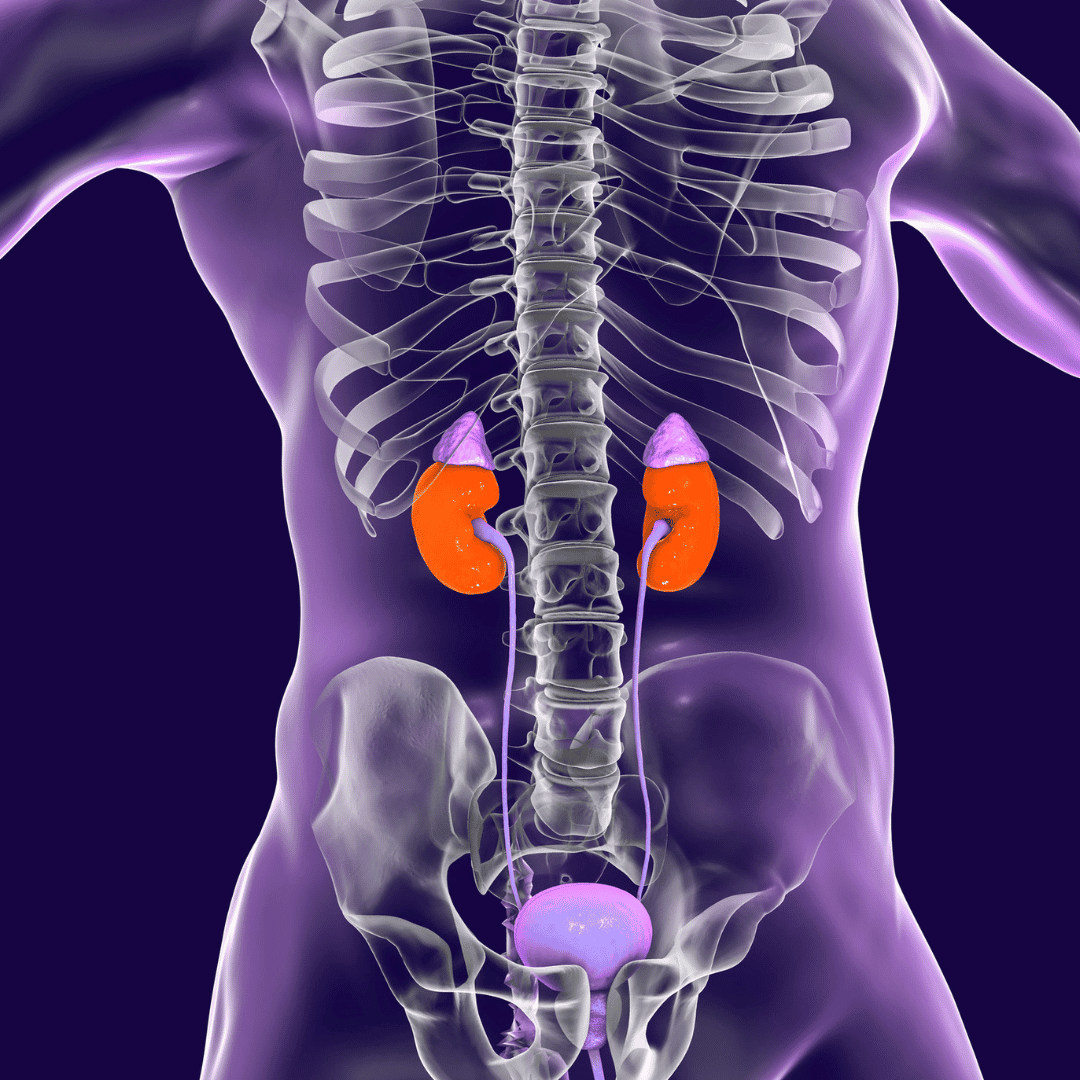
Checkpoint inhibitors can cause the immune system to inflame normal tissues as well as attack cancer. These immune-related adverse events can involve the lungs, bowel, liver, thyroid and other hormone-producing glands, skin, kidneys, heart, nervous system and other organs. Some reactions are mild, but others can become serious or life-threatening if assessment is delayed.
For a lung-cancer patient, new breathlessness or a worsening cough is especially important because it can have several causes, including infection, cancer progression, pulmonary embolism or immune-related pneumonitis. Do not self-diagnose the cause. Contact your oncology team promptly and use emergency services when your written plan advises or symptoms are severe.
| Possible problem | Symptoms that deserve prompt attention | Why you should not wait |
|---|---|---|
| Lung inflammation (pneumonitis) | New or worsening shortness of breath, significant cough, chest symptoms or reduced exercise tolerance. | Lung inflammation may worsen and symptoms overlap with other urgent conditions. |
| Bowel inflammation (colitis) | Persistent or severe diarrhea, abdominal pain, black or bloody stools. | Fluid loss and severe intestinal inflammation may require treatment. |
| Liver inflammation (hepatitis) | Yellow skin or eyes, dark urine, marked nausea, abdominal pain or unexplained bruising. | Liver injury may initially be detected only through laboratory changes. |
| Hormone-gland inflammation | Severe fatigue, unusual weakness, persistent headache, major temperature intolerance or other new endocrine symptoms. | Hormonal problems can require specific testing and replacement treatment. |
| Neurologic, cardiac or kidney inflammation | Confusion, seizure, new weakness or numbness, chest pain, fainting, palpitations, markedly reduced urine or blood in urine. | These less common complications can be serious and need urgent specialist assessment. |
German Patient Demographics and Travel Context for Treatment in Turkey
Current public data can describe lung-cancer burden in Germany and general German travel to Turkey, but it does not provide a reliable age-and-sex profile of German patients specifically traveling to Turkey for lung-cancer immunotherapy. That Germany-to-Turkey immunotherapy traveler demographic is information not available in the official sources reviewed for this guide, so it would be misleading to invent one.
Germany nevertheless has a substantial lung-cancer burden. Destatis reported 26,465 male and 18,716 female lung-cancer deaths in 2024. These figures describe mortality, not immunotherapy eligibility and not medical-tourism demand. Separately, TurkStat reported 6,193,259 German arrivals in 2023, 6,620,612 in 2024 and 6,745,190 in 2025. Those are all-purpose arrivals, not healthcare travelers, but they show established travel volume between Germany and Turkey.
Line Graph: German Arrivals to Turkey, 2023–2025
General arrivals only; not medical-tourism or immunotherapy patient counts. Source: TurkStat, Türkiye in Statistics 2025.
Histogram: Distribution of the Three Annual German-Arrival Volumes
Histogram of three annual observations (2023–2025). This visual is travel context only and must not be interpreted as a medical-tourism distribution.
Travel Planning from Germany to Turkey During Lung Cancer Treatment
German citizens currently do not need a visa for stays in Turkey of up to 90 days within a 180-day period, according to the German Federal Foreign Office on 11 August 2026. Entry requirements can change, so recheck them shortly before travel. More importantly for a cancer patient, confirm that your treatment schedule, medical fitness and emergency plan are appropriate before booking non-refundable flights.
The Federal Foreign Office advises adequate travel-health insurance and notes that standards may differ outside major centers. It also recommends agreeing treatment costs in advance and using detailed invoices—important safeguards for an immunotherapy traveler.
| When | Medical task | Travel/financial task |
|---|---|---|
| Before committing | Obtain German records, Turkish specialist review and written clinical rationale. | Verify facility authorization, insurer position and itemized USD quote. |
| Before flying | Ask your oncologist whether you are fit to travel and whether oxygen or special assistance is needed. | Check current entry/security advice, insurance and flexible travel arrangements. |
| During treatment | Keep drug name, treatment date, emergency contacts and medical summary with you. | Keep receipts and detailed invoices; maintain access to emergency funds. |
| Before returning to Germany | Collect discharge summary, pathology/biomarker reports, imaging, laboratory results, exact medicine and adverse-event record. | Confirm German follow-up appointment and avoid travel if your treating team considers you medically unstable. |
Records German patients should carry to Turkey
- Pathology report and requested pathology material.
- PD-L1 and molecular/NGS results.
- CT, PET-CT or MRI reports and DICOM imaging files where available.
- Complete cancer-treatment history with dates and doses as documented by your treating team.
- Current medicines, allergies and important comorbidities.
- German oncologist contact information and insurer correspondence.
Frequently Asked Questions About Lung Cancer Immunotherapy in Turkey
Is lung cancer immunotherapy available in Turkey for German patients?
Turkey has medical-oncology services that can provide systemic cancer treatment, including checkpoint-inhibitor therapy when clinically and regulatorily appropriate. Availability of a particular medicine or indication should be confirmed directly with an authorized hospital. German patients should submit pathology, staging and biomarker records for specialist review before assuming they are eligible.
How much does lung cancer immunotherapy cost in Turkey?
A reliable national all-in USD price is not available from the official sources reviewed for this guide. Cost depends on the medicine, regimen, diagnostics, monitoring and treatment duration. Ask for a written itemized quote showing drug, infusion, physician, testing, imaging and potential complication charges before making a financial commitment.
Will German statutory health insurance pay for immunotherapy in Turkey?
Do not assume planned private treatment in Turkey is automatically covered. Germany has a social-security agreement with Turkey, but planned overseas treatment follows specific insurance rules. The Federal Ministry of Health notes that coverage outside the EU/EWR may occur exceptionally in narrow circumstances. Obtain written confirmation from your Krankenkasse before booking.
What tests are needed before immunotherapy for non-small-cell lung cancer?
Your oncologist generally needs confirmed pathology and staging, plus biomarker information relevant to systemic treatment selection. PD-L1 testing is important in many NSCLC settings, and molecular testing can identify actionable alterations that change the preferred strategy. The exact panel depends on your tumor type, stage, tissue availability and prior treatment.
Does a high PD-L1 score mean immunotherapy will definitely work?
No. PD-L1 can help guide checkpoint-inhibitor treatment in several lung-cancer settings, but it does not guarantee a response. Treatment choice also depends on histology, stage, molecular alterations, performance status, previous therapy and medical conditions. Ask your oncologist to explain what your PD-L1 result changes—and what it does not.
How can I verify a hospital in Turkey for cancer immunotherapy?
Confirm that the facility holds the Turkish Ministry of Health International Health Tourism Authorization Certificate. Also ask for its current TÜSKA accreditation status, particularly during the 2026 transition period. Verify the medical-oncology service, emergency capability, foreign-language support, detailed billing process and the named physician responsible for your treatment.
Can I fly back to Germany immediately after an immunotherapy infusion?
There is no universal safe waiting period after an infusion. Your ability to fly depends on your lung function, oxygen requirements, disease burden, recent reactions, blood results and general condition. Ask the treating oncologist for individualized fit-to-fly advice and avoid travel when new or worsening symptoms require assessment.
What is the biggest safety risk after returning from Turkey?
One important cross-border risk is fragmented follow-up. Immune-related adverse events can occur during treatment and may also require attention after you return. Your German team should receive the exact drug, treatment dates, laboratory and imaging results, adverse-event history and Turkish oncology contact so symptoms can be assessed with full context.
Should I stop my treatment in Germany before getting a Turkish second opinion?
Do not stop, delay or replace prescribed cancer treatment on your own. A Turkish second opinion can review your records without automatically changing your current plan. Any treatment change should be discussed with qualified oncology professionals who understand your diagnosis, prior response, risks and timing, especially when interruption could affect disease control.
Do German citizens need a visa to travel to Turkey for cancer treatment?
As of 11 August 2026, the German Federal Foreign Office states that German citizens do not need a visa for stays of up to 90 days within a 180-day period. Entry rules can change. Check the current official travel advice before departure and prioritize medical fitness over the permitted length of stay.
Compare Lung Cancer Treatment Options with Clear Questions
PlacidWay can help you compare providers, understand what a treatment quote includes, organize questions for hospitals and request information about treatment options. For a serious diagnosis such as lung cancer, use any comparison service as one part of your due diligence—not as a replacement for advice from qualified oncology professionals who have reviewed your medical records.
Disclaimer
Disclaimer: This information is for educational purposes only and does not replace professional medical advice. Always consult a qualified healthcare provider before making medical decisions.
References
- S3 Guideline: Prevention, Diagnosis, Therapy and Follow-up of Lung Cancer, Version 5 (2026) – German Guideline Program in Oncology
- Organ-Related Inflammation and Immunotherapy – U.S. National Cancer Institute
- Regulation on International Health Tourism and Tourist's Health, 9 May 2025 – Republic of Türkiye Ministry of Health
- KÜB/KT Medicine Information List – Turkish Medicines and Medical Devices Agency (T?TCK)
- Health Insurance Coverage Abroad – German Federal Ministry of Health
- Turkey: Travel and Safety Information – German Federal Foreign Office
- Türkiye in Statistics 2025 – Turkish Statistical Institute (TurkStat)
- Cancer Mortality by Sex, Including Lung Cancer Deaths in 2024 – German Federal Statistical Office (Destatis)



















Share this listing