


Why Choose Turkey for Immunotherapy?
Advanced cancer immunotherapy in Turkey for German patients offers a unique combination of world-class medical technology, internationally accredited oncology facilities, and highly affordable treatment costs compared to Germany. Patients benefit from immediate access to groundbreaking drugs (like PD-1 inhibitors and CAR T-cell therapy) with zero waiting times, comprehensive German-language support, and personalized care plans. By choosing Turkey, German medical tourists can save up to 40-50% on out-of-pocket cancer treatment expenses while receiving care that meets stringent European and global healthcare standards.
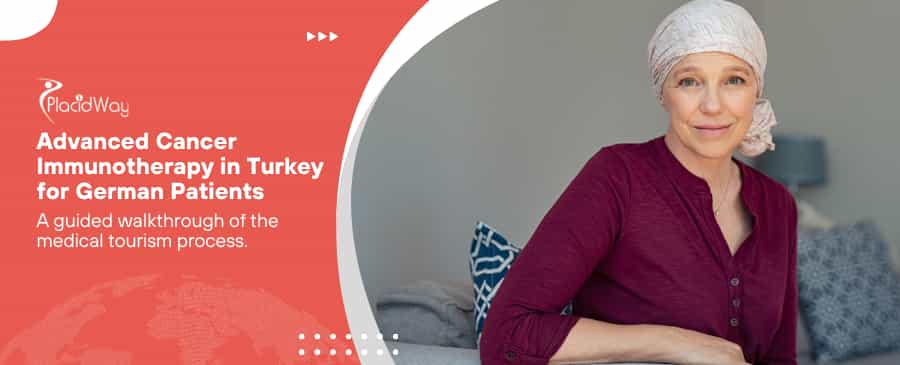
Hearing a cancer diagnosis is one of the most challenging moments in a person's life. However, modern medicine has made incredible leaps forward. One of the most exciting and effective new treatments is advanced cancer immunotherapy. This treatment uses your body's own immune system to fight cancer cells. For many people, it offers hope when traditional treatments like chemotherapy or radiation are not enough.
In recent years, an increasing number of German patients have started looking beyond their borders for the best possible medical care. While Germany has a strong healthcare system, high out-of-pocket costs for unapproved or newly released immunotherapy drugs, along with long waiting times for certain specialized consultations, can be frustrating. This is where Turkey steps in as a leading destination for medical tourism, specifically in the field of oncology.
Finding advanced cancer immunotherapy in Turkey for German patients has never been easier. Turkey has invested billions in its healthcare infrastructure, creating state-of-the-art hospitals that rival the best in Europe and the United States. With highly trained medical teams, cutting-edge technology, and a deep understanding of international patient needs, Turkey provides a safe, highly effective, and affordable alternative for German citizens seeking life-saving cancer treatments.
Quick Facts: Immunotherapy in Turkey
- Average Flight Time (Germany to Turkey)
- Approximately 2.5 to 3.5 hours, making it highly accessible for patients requiring short travel times.
- Cost Savings
- German patients can save between 30% and 50% on advanced immunotherapy cycles compared to private healthcare costs in Germany.
- Common Therapies Offered
- Immune checkpoint inhibitors, targeted antibodies, cancer vaccines, and CAR T-cell therapy.
- Language Support
- Almost all major Turkish hospitals provide dedicated, native-speaking German translators and patient coordinators.
- Hospital Accreditation
- Top oncology centers in Turkey hold prestigious JCI (Joint Commission International) and European medical accreditations.
What is Advanced Cancer Immunotherapy?
To understand why so many people are seeking this treatment, it is important to know how it works. Unlike traditional chemotherapy, which uses strong chemicals to kill fast-growing cells (both healthy and cancerous), immunotherapy takes a smarter approach. It uses biological substances to restore, boost, or train the body's own immune system to target cancer cells specifically.
How Immunotherapy Works Against Cancer Cells
Your immune system is designed to detect and destroy abnormal cells. However, cancer cells are very tricky. They often find ways to hide from the immune system or put the brakes on immune cells so they cannot attack. Advanced cancer immunotherapy works by unmasking these cancer cells. It removes the "brakes" from the immune system, allowing your white blood cells to recognize the cancer as a threat and destroy it. Because it is highly targeted, the side effects are often different and sometimes more manageable than those of standard chemotherapy.
Types of Immunotherapy Available in Turkey
Turkish oncology centers are equipped with the latest pharmacological treatments. Some of the most common types of advanced cancer immunotherapy offered to German patients include:
- Immune Checkpoint Inhibitors: These drugs block proteins that stop the immune system from attacking cancer cells. PD-1 and CTLA-4 inhibitors are very common and highly successful in treating melanoma and lung cancer.
- Monoclonal Antibodies: These are lab-made molecules designed to serve as substitute antibodies. They can restore, enhance, or mimic the immune system's attack on cancer cells.
- T-Cell Transfer Therapy (CAR T-cell Therapy): A highly advanced treatment where a patient's own immune cells are taken, changed in a lab to better fight cancer, and put back into the body.
- Cancer Vaccines: Unlike vaccines that prevent disease, these vaccines are given to people who already have cancer to help their immune system fight the existing tumors.
Why German Patients Are Choosing Turkey for Oncology Treatment
Germany is known for its excellent healthcare system, so you might wonder why a German patient would travel abroad for cancer treatment. The answer lies in a combination of speed, cost, access to new drugs, and a highly patient-centered approach to medical tourism.
Fast Access to Groundbreaking Treatments
In the fight against cancer, time is everything. In Germany, waiting for approval from public health insurance panels for off-label or newly developed immunotherapy drugs can take weeks or even months. Furthermore, scheduling appointments with top specialists can involve long wait lists. Turkish hospitals operate differently. Because many cater heavily to international patients, they have streamlined the process. A German patient can often send their medical records, have a virtual consultation, and fly to Turkey to begin treatment within a matter of days.
Cost-Effectiveness Without Compromising Quality
Immunotherapy is notoriously expensive. A single cycle of checkpoint inhibitors can cost thousands of euros. If a German patient's statutory health insurance (Gesetzliche Krankenversicherung) refuses to cover a specific, cutting-edge therapy because it is too new, the patient must pay out-of-pocket. Turkey offers the exact same FDA and EMA-approved medications produced by the same global pharmaceutical companies, but at a significantly lower cost. The overall cost of living and lower administrative costs in Turkey mean that hospital fees, doctor fees, and facility charges are much lower.
Advanced Medical Technology and Facilities
Turkey has heavily subsidized its private medical sector to attract international patients. As a result, hospitals in cities like Istanbul, Ankara, and Antalya are built like five-star hotels but are equipped with the most advanced medical technology in the world. They utilize true precision medicine, comprehensive genomic profiling, and modern imaging techniques like PET-CT and advanced MRI to monitor how well the immunotherapy is working.
Comparing Immunotherapy: Germany vs. Turkey
To help you understand the practical differences, here is a quick comparison of what a patient might experience when seeking private or out-of-pocket oncology care in both countries.
| Feature | Germany (Private/Self-Pay) | Turkey (Medical Tourism) |
|---|---|---|
| Wait Times for Specialists | Can be several weeks | Immediate (within days) |
| Treatment Costs | Very High (if not insured) | Moderate (30-50% lower) |
| Access to New Drugs | Strict approval processes | Fast access to global drugs |
| Patient Coordination | Standard hospital admin | Dedicated VIP coordinators |
| Language Support | Native German | Fluent German translators provided |
Popular Types of Cancers Treated with Immunotherapy in Turkey
Immunotherapy is not for everyone. Its success depends greatly on the type of cancer, the genetic makeup of the tumor, and how advanced the disease is. Turkish oncology experts use genomic testing to see if a patient's tumor has the right markers to respond to immunotherapy. Here are the most successfully treated cancers:
Lung Cancer (NSCLC)
Non-Small Cell Lung Cancer is one of the biggest success stories for immunotherapy. Many German patients with advanced lung cancer travel to Turkey to receive PD-1/PD-L1 inhibitors. These drugs have been shown to significantly extend life expectancy and improve the quality of life compared to standard chemotherapy alone.
Melanoma and Skin Cancers
Advanced melanoma used to have a very poor outlook. Today, thanks to immune checkpoint inhibitors, many patients achieve long-term remission. Turkey's top skin cancer specialists have extensive experience combining different immunotherapies to fight aggressive melanomas.
Breast Cancer
Specifically for Triple-Negative Breast Cancer (TNBC), which is famously hard to treat, combining immunotherapy with chemotherapy has shown great promise. High-quality oncology centers in Turkey regularly offer these combination therapies to international patients.
Gastrointestinal and Kidney Cancers
Cancers of the stomach, liver, and kidneys are also increasingly treated with biological therapies. By boosting the immune response, oncologists in Turkey can help patients manage tumors that are otherwise resistant to traditional radiation and surgery.
The Patient Journey: From Germany to Turkey
Traveling abroad for cancer care might sound overwhelming, but the medical tourism industry in Turkey is designed to make it as stress-free as possible. Here is what the typical journey looks like for a German patient.
1. Initial Consultation and Telemedicine
Before you even buy a plane ticket, you will connect with medical experts online. You provide your medical records, biopsy results, and PET scans (translated to English or Turkish, though many hospitals accept German files). A multidisciplinary tumor board will review your case and provide a detailed treatment plan, including expected costs and duration of stay.
2. Travel and Accommodation Arrangements
Once you agree to the plan, the hospital's international patient department takes over. They often arrange VIP airport transfers and help you book partnered hotels or furnished apartments near the hospital. Because flight times from cities like Frankfurt, Munich, or Berlin to Istanbul are so short (roughly 3 hours), travel exhaustion is kept to a minimum.
3. Treatment Phase and Monitoring
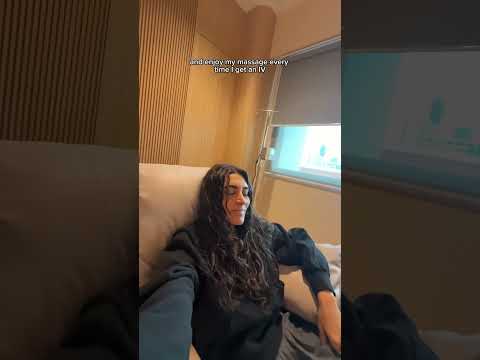
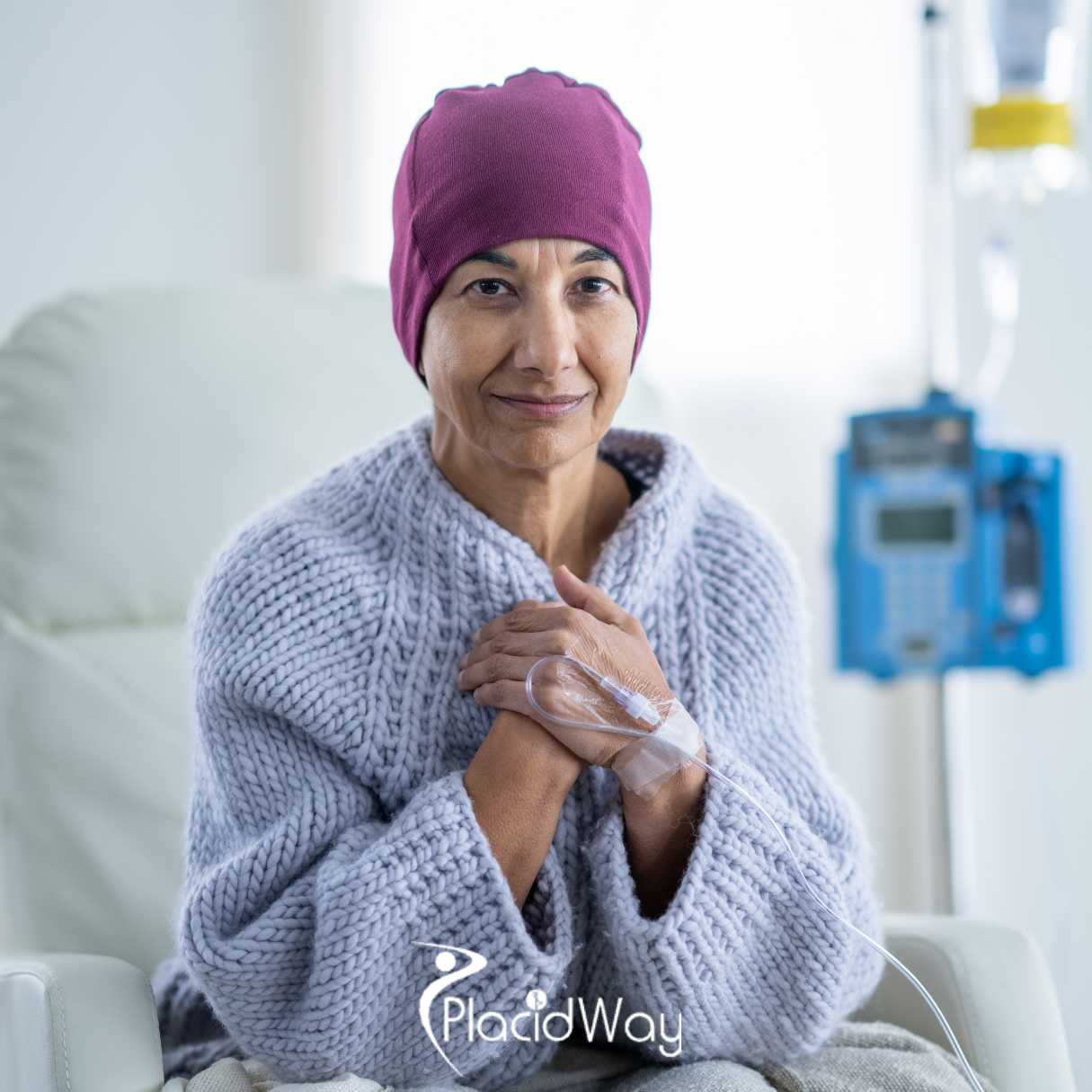
Upon arrival, you will have face-to-face consultations and fresh blood work or imaging to confirm the plan. Immunotherapy is usually given via an IV drip in a comfortable outpatient suite. Depending on the drug, a session can last from 30 minutes to a few hours. You are closely monitored for any immune-related side effects. A typical cycle might require you to stay in Turkey for a few weeks, or you might fly in and out every 2 to 3 weeks.
4. Follow-up Care Back in Germany
Continuity of care is vital. Turkish hospitals provide all medical reports, discharge summaries, and imaging disks translated into German or English. They coordinate with your local Hausarzt (family doctor) or local oncologist in Germany so that your blood work and routine scans can be done at home, saving you from unnecessary travel.
Financial Aspects: Understanding the Cost of Immunotherapy in Turkey
For German patients paying out-of-pocket, the financial aspect is a major factor. The cost of advanced cancer immunotherapy in Turkey is significantly more affordable.
Factors Influencing the Final Price
The total price depends on the exact brand of the immunotherapy drug (e.g., Keytruda, Opdivo, Yervoy), the dosage required (which depends on body weight), and the frequency of the cycles. It also includes the hospital's infusion fees, doctor consultations, and necessary PET-CT or MRI scans. Despite all these factors, patients typically find that the overall medical bill is roughly half of what it would be in a private German clinic.
Payment Options and Insurance
While standard German public health insurance (GKV) generally does not cover non-emergency treatment outside the EU, some private insurances (PKV) may reimburse parts of the treatment if pre-approved. Most patients self-fund their medical travel. Turkish hospitals are very transparent with their billing, offering package deals that prevent hidden costs.
Language and Cultural Support for German Speakers
Communication is crucial when dealing with complex medical issues like oncology. Turkish hospitals understand this perfectly. They employ huge teams of international patient coordinators. From the moment you arrive, a native-level German-speaking guide will be by your side. They translate medical terms during consultations, help with hospital paperwork, and ensure you feel completely understood. You will never feel lost in translation.
Safety and Success Rates in Turkish Oncology Wards
Are the treatments safe? Absolutely. Turkish hospitals that cater to international patients hold accreditations from the Joint Commission International (JCI), the gold standard in global healthcare quality. The immunotherapy medications used are strictly regulated and identical to those used in Germany, sourced from the exact same international pharmaceutical brands. Furthermore, many Turkish oncologists have completed fellowships in Europe or the United States, bringing back the latest scientific knowledge to their home country.
Frequently Asked Questions (FAQs)
1. Is immunotherapy in Turkey safe for German patients?
Yes, it is highly safe. The top oncology centers in Turkey follow the same stringent international medical protocols as German hospitals. They use original, FDA and EMA-approved immunotherapy drugs and hold international accreditations such as JCI, ensuring maximum patient safety and care quality.
2. How much does cancer immunotherapy cost in Turkey compared to Germany?
While prices vary based on the specific drug and dosage, German patients can expect to save between 30% and 50% on their overall treatment costs in Turkey compared to out-of-pocket private care in Germany, without any drop in medical quality.
3. What types of cancer can be treated with immunotherapy?
Immunotherapy is highly effective for several cancers, including advanced melanoma, non-small cell lung cancer (NSCLC), certain types of breast cancer (like TNBC), kidney cancer, and gastrointestinal cancers. A genomic test is usually required to ensure the tumor will respond to the treatment.
4. How long do I need to stay in Turkey for treatment?
The length of stay depends on your specific treatment protocol. Some patients stay for 2-3 weeks for initial tests, first infusions, and observation. Afterwards, they may fly back to Germany and return to Turkey for 2-3 days every few weeks for subsequent treatment cycles.
5. Will there be a language barrier during my treatment?
No. Recognizing the high volume of German medical tourists, top Turkish hospitals employ fluent German-speaking translators and patient coordinators who accompany you to all doctor visits and assist with medical paperwork.
6. Can I combine immunotherapy with chemotherapy?
Yes. Depending on your diagnosis, Turkish oncologists frequently use combination therapies. Immunotherapy is often combined with chemotherapy, targeted therapy, or radiation to increase the chances of successfully destroying the cancer cells.
7. Are Turkish oncology facilities internationally accredited?
Yes, many of the medical facilities providing advanced cancer care in Turkey have JCI (Joint Commission International) accreditation. This proves they meet strict global standards for hygiene, patient safety, and medical excellence.
8. Does German health insurance cover cancer treatment in Turkey?
Standard public health insurance (GKV) usually does not cover non-emergency care outside the EU. However, if you have private health insurance (PKV), they may cover part or all of the costs. You must speak directly with your insurance provider to secure pre-approval.
9. What happens if I need follow-up care after returning to Germany?
Turkish clinics provide comprehensive medical reports translated into German. Your Turkish oncologist will work closely with your local doctors in Germany to ensure that routine blood tests, scans, and general follow-up care are seamlessly handled back home.
10. How quickly can I start my immunotherapy in Turkey?
One of the main benefits of traveling to Turkey is the lack of waiting times. Once your medical files are reviewed and a treatment plan is approved, you can typically travel and begin your immunotherapy within just a few days.
Ready to Explore Your Treatment Options?
Don't let waiting times or high out-of-pocket costs stop you from getting life-saving care. Get a free, personalized consultation for advanced cancer immunotherapy in Turkey.
Request Info TodayReferences & Medical Sources
- Mayo Clinic: Understanding Immunotherapy and How It Works
- National Cancer Institute (NCI): Immunotherapy to Treat Cancer
- Wikipedia: Cancer Immunotherapy Mechanisms and Advancements
- World Health Organization (WHO): Cancer Facts and Treatment Guidelines
- European Society for Medical Oncology (ESMO): Patient Guide on Immunotherapy
- American Cancer Society: Types of Cancer Immunotherapy
- PlacidWay: Global Medical Tourism and Healthcare Information
.png)





.png)










Share this listing