


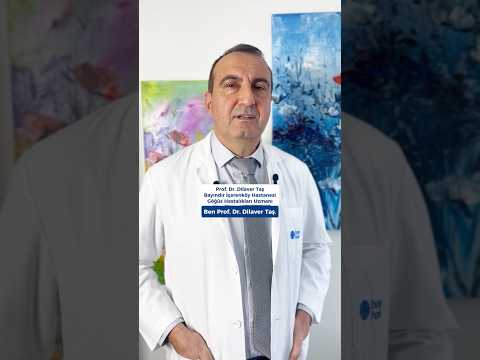
Securing highly specialized medical care for complex lung conditions requires connecting with seasoned professionals utilizing advanced medical infrastructure. If you are exploring options for advanced respiratory treatments in Turkey, you are accessing a healthcare system globally recognized for clinical excellence. World-class medical specialists, such as Prof. Dr. Dilaver Ta?, bring decades of rigorous clinical and academic expertise to the forefront of chest diseases. Whether you require chronic obstructive pulmonary disease management or interventions for severe vascular disorders, patients receive meticulously tailored therapeutic strategies.
Respiratory health is the fundamental cornerstone of overall physical well-being, directly impacting cardiovascular performance and daily stamina. Navigating the diverse spectrum of pulmonology involves understanding intricate conditions like interstitial lung diseases, pulmonary embolism, and pleural effusion. By leveraging the latest scientific advancements and evidence-based diagnostic protocols, top pulmonologists for lung health offer comprehensive relief. This detailed medical guide explores the specialized respiratory care available, highlighting the extensive professional journey of leading experts and the cutting-edge interventions designed to restore optimal lung function.
Video Chapters & Topic Navigation
- 00:00 - Professional Medical Background
- 00:24 - Academic and Scientific Research
- 00:37 - Contemporary Diagnostic Methods
- 00:43 - Managing Asthma and COPD
- 00:48 - Lung Parenchyma and Pneumonia
- 00:55 - Pulmonary Vascular Conditions
- 00:55 - Pleural Effusion Management
- 01:05 - Specialized Care in Istanbul
The Extensive Medical Background of Top Pulmonologists
Identifying a highly qualified specialist is the most critical step when dealing with complex, persistent respiratory conditions. As introduced at [00:00], Prof. Dr. Dilaver Ta? is a distinguished chest diseases specialist possessing a formidable background in modern pulmonology. His foundational medical education began at the prestigious Gülhane Military Medical Academy (GATA), graduating from the medical faculty in 1991 as noted at [00:05].
Institutions like GATA are globally recognized for their rigorous academic standards and intense clinical training environments. Medical professionals who undergo such disciplined training develop exceptional problem-solving skills and resilience under pressure. These specialized skills are absolutely crucial when managing life-threatening respiratory emergencies and executing rapid clinical decisions. Following graduation, he pursued advanced specialization in chest diseases at the Ankara GATA facility.
Specializing deeply in pulmonology demands a profound understanding of the intricate mechanics of the human respiratory system, cellular immunology, and internal medicine. Upon completing his specialized training, his career took him to the Diyarbak?r Military Hospital in 1999 [00:14]. During his four-year tenure there, he gained invaluable hands-on experience treating a diverse demographic of patients, solidifying his clinical acumen for tackling severe respiratory diseases.
Academic Contributions and Scientific Research in Pulmonology
A hallmark of a leading medical professional is their steadfast dedication to the advancement of medical science through clinical research and peer education. In 2003, his career progressed to the GATA Haydarpa?a Training Hospital in Istanbul [00:19]. Training hospitals serve as the vital epicenter for structured clinical trials and evidence-based medical research. Here, he did not merely provide exceptional patient care; he also immersed himself in extensive scientific and academic studies [00:24].
Engaging deeply in academic research allows medical professionals to stay ahead of the curve, ensuring that patients benefit from the latest therapeutic discoveries. His academic journey continued to evolve when he joined Ba?kent University Istanbul Education and Research Hospital in 2017 [00:29]. Working within a high-tier university hospital environment inherently means collaborating with multidisciplinary teams, including thoracic surgeons, oncologists, and advanced immunologists.
This collaborative approach is vital for developing holistic pulmonology and respiratory disease treatments. Academic physicians frequently publish peer-reviewed articles, contribute to comprehensive medical textbooks, and actively mentor the next generation of pulmonologists. For patients seeking specialized respiratory care in Istanbul, being treated by a physician with a robust academic background guarantees that treatment protocols are firmly rooted in the latest scientific consensus.
Contemporary Diagnostic and Treatment Methods for Lung Diseases
Modern pulmonology relies heavily on precision diagnostics to formulate highly effective, individualized treatment plans. At [00:37], the application of scientific and current diagnostic treatment methods is heavily emphasized as a core practice standard. The landscape of complex respiratory care has transformed dramatically over the last decade.
Pulmonologists now utilize state-of-the-art medical technology to accurately visualize the airways, dynamically measure lung capacity, and analyze cellular abnormalities without requiring invasive surgical procedures. These technological advancements significantly reduce patient discomfort while simultaneously providing highly accurate data regarding the exact nature of the pulmonary affliction. Accurate diagnosis is universally the first and most crucial step in managing any chronic condition.
When systematically investigating chronic coughs, severe shortness of breath, or unexplained chest pain, specialists deploy a variety of sophisticated techniques. These methods are explicitly designed to differentiate between the overlapping symptoms of various distinct lung disorders. Below is an overview of the foundational diagnostic tools utilized extensively in advanced respiratory treatments in Turkey.
| Diagnostic Procedure | Clinical Purpose | Typical Applications |
|---|---|---|
| Pulmonary Function Tests (PFTs) | Measures functional lung volume, total capacity, air flow rates, and gas exchange efficiency. | Diagnosing asthma, monitoring COPD progression, and assessing preoperative surgical risks. |
| High-Resolution CT (HRCT) | Provides highly detailed, computer-generated cross-sectional images of the lung anatomy. | Detecting early-stage interstitial lung diseases and complex lung parenchyma issues. |
| Flexible Bronchoscopy | Direct visual inspection of the lower respiratory tract utilizing a flexible fiber-optic camera. | Targeted biopsy collection, clearing dangerous mucus plugs, and locating airway blockages. |
Implementing Severe Asthma Treatment Protocols and COPD Solutions
Chronic airway diseases represent a massive portion of respiratory ailments globally, affecting millions of individuals and drastically impairing their daily quality of life. As highlighted at [00:43], managing conditions like asthma and COPD are primary, specialized areas of focus for leading chest disease specialists. Asthma is physiologically characterized by chronic inflammation and severe hyper-responsiveness of the bronchial tubes.
When asthmatic patients are exposed to environmental triggers such as airborne allergens, frigid cold air, or intense physical exertion, their airways rapidly narrow. This leads to audible wheezing, frightening chest tightness, and severe breathlessness. Modern severe asthma treatment protocols have progressively shifted towards highly personalized medicine. Specialists now utilize biologic therapies that target specific immune system pathways responsible for the underlying inflammation, drastically reducing the patient's reliance on harmful systemic corticosteroids.
Conversely, COPD is typically a slow, progressive disease largely associated with prolonged, long-term exposure to irritating gases or particulate matter, most frequently from cigarette smoke. Effective chronic obstructive pulmonary disease management requires a sustained, multi-faceted clinical approach. Interventions heavily focus on actively slowing disease progression, medically managing acute exacerbations, and vastly improving daily functional capacity through specialized bronchodilators and rigorous pulmonary rehabilitation programs.
Specialized Lung Parenchyma Disease Therapy and Pneumonia Care
The lung parenchyma consists of the essential structural tissues of the lung that are actively involved in physiological gas exchange, specifically the delicate alveoli and the respiratory bronchioles. Diseases aggressively affecting this vital tissue severely compromise the human body's ability to oxygenate blood effectively. Expertise in lung parenchyma diseases and pneumonia is explicitly mentioned at [00:48].
Pneumonia is a highly prevalent and potentially life-threatening acute infection that deeply inflames the air sacs in one or both lungs. This infection causes the sacs to rapidly fill with fluid or purulent material, severely obstructing oxygen flow. The infectious agents responsible can be bacterial, viral, or fungal in origin. This biological diversity necessitates highly accurate pathogen identification to ensure the administration of effective, targeted antibiotic or antiviral therapy.
Comprehensive and specialized lung parenchyma disease therapy goes far beyond merely treating common community-acquired infections. It involves expertly managing complex inflammatory and fibrotic conditions that permanently alter and degrade lung architecture. Prompt and aggressive clinical management by an experienced, dedicated pulmonologist is absolutely essential. This proactive care works to prevent long-term, irreversible lung scarring and ensures the highest possible restoration of normal pulmonary function.
Navigating Interstitial Lung Disease Diagnosis and Care
Interstitial lung diseases (ILD) encompass a incredibly broad group of over 200 distinct, complicated disorders characterized by progressive scarring, known as fibrosis, of the lung tissue. Mentioned alongside other severe conditions at [00:48], ILDs are notorious in the medical community for their highly complex diagnostic pathways. The permanent scarring associated with these specific diseases affects the interstitium.
The interstitium is the vital tissue and space immediately surrounding the air sacs. When scarred, it makes the lungs incredibly stiff and severely hinders the vital transfer of oxygen directly into the bloodstream. Potential causes can range widely from long-term occupational exposure to hazardous materials like industrial asbestos or silica dust, to complex autoimmune diseases such as rheumatoid arthritis or scleroderma. In many frustrating cases, the exact underlying cause remains completely unknown, resulting in a clinical diagnosis of Idiopathic Pulmonary Fibrosis (IPF).
Accurate interstitial lung disease diagnosis and care strictly require high-resolution computed tomography (HRCT) imaging and often a surgical lung biopsy to determine the specific histological pattern of the underlying fibrosis. Once the delicate lung tissue is scarred, the physical damage is generally considered irreversible. Therefore, specialized respiratory care intensely focuses on aggressively halting disease progression using novel anti-fibrotic medications and meticulously managing profound respiratory symptoms to maintain patient comfort.
Connecting With Pulmonary Embolism Treatment Specialists
The intricate pulmonary vascular system is entirely responsible for safely transporting deoxygenated blood directly from the heart to the lungs for essential oxygenation. When this delicate, high-pressure circulatory network is suddenly compromised, the physiological results can be instantaneously fatal. A specific focus on severe lung vascular diseases, including pulmonary embolism, is highlighted at [00:55].
A life-threatening pulmonary embolism occurs when a traveling blood clot, typically originating from a deep vein thrombosis (DVT) located in the lower extremities, travels rapidly through the bloodstream and abruptly lodges in one of the primary pulmonary arteries. This sudden, catastrophic blockage restricts critical blood flow, causing acute, stabbing chest pain, sudden and severe shortness of breath, and dangerously low blood oxygen saturation levels.
Immediate, aggressive intervention by skilled pulmonary embolism treatment specialists is strictly required to prevent total cardiovascular collapse and subsequent right ventricular heart failure. Standard treatment protocols generally involve the immediate, monitored administration of powerful anticoagulant medications (blood thinners) to stop existing clots from enlarging. In massive, highly unstable pulmonary embolisms, powerful thrombolytic drugs may be urgently utilized to rapidly chemically dissolve the blocking clot and restore vital blood flow.
Expert Pleural Effusion Fluid Management and Pulmonary Edema
Abnormal fluid accumulation located in and around the lungs presents severe, immediate breathing difficulties and strictly requires meticulous diagnostic differentiation by a specialist. At [00:55], the critical discussion touches upon dangerous fluid accumulation in the lungs and acute pulmonary edema. It is absolutely essential to clinically distinguish between pleural effusion and pulmonary edema to administer the correct treatment.
Pleural effusion specifically involves the abnormal, restrictive buildup of excess fluid directly in the pleural space—the incredibly thin cavity situated between the visceral pleura covering the lungs and the parietal pleura lining the interior chest wall. This external fluid physically compresses the soft lung tissue, physically preventing full, normal expansion during inhalation. Effective pleural effusion fluid management very often involves a clinical thoracentesis procedure to mechanically drain the fluid, immediately relieving severe respiratory distress.
In sharp contrast, pulmonary edema refers strictly to the dangerous accumulation of fluid directly inside the delicate alveoli (air sacs) of the lungs, severely and acutely disrupting essential gas exchange. This is most frequently cardiogenic in nature, resulting directly from severe congestive heart failure. Treating dangerous pulmonary edema involves rapidly addressing the underlying cardiac or infectious cause, administering strong diuretics to physically flush excess fluid from the body, and providing robust, high-flow oxygen support.
Addressing Diaphragm Diseases and Enhancing Breathing Mechanics
The muscular diaphragm is the absolute primary muscle responsible for human respiration. When it functionally contracts, it creates a vital negative pressure vacuum that physically pulls ambient air deep into the lungs; when it relaxes, carbon dioxide-rich air is pushed out. Diaphragm diseases, specifically mentioned at [00:55], significantly and negatively impair normal breathing mechanics and drastically reduce lung volumes.
Severe conditions such as diaphragmatic paralysis (either unilateral or bilateral) can unfortunately occur due to physical damage to the critical phrenic nerve. This nerve damage can result from accidental surgical trauma, severe viral infections, or degenerative neuromuscular disorders like ALS. Patients suffering with a paralyzed diaphragm often experience severe, debilitating shortness of breath, particularly when attempting to lie flat (orthopnea), leading directly to profound sleep disturbances and chronic, daily fatigue.
Accurately diagnosing diaphragmatic dysfunction typically involves specialized, real-time imaging techniques, including dynamic fluoroscopy or targeted ultrasound, to visually observe the muscle's actual movement. Treatment strategies depend heavily on identifying the specific underlying cause and accurately assessing the severity of the respiratory impairment. In highly select clinical scenarios, surgical interventions such as diaphragmatic plication or the surgical implantation of a modern diaphragmatic pacemaker can dramatically restore a patient's lost respiratory independence.
Accessing Specialized Respiratory Care in Istanbul
Currently rendering expert medical services at Bay?nd?r ?çerenköy Hospital, as warmly noted at [01:05], top specialists welcome domestic and international patients seeking top-tier pulmonological care. Turkish medical facilities, particularly those strategically located in major metropolitan hubs like Istanbul, are fully equipped with cutting-edge medical technology. These modern institutions strictly adhere to highly stringent international healthcare and safety standards.
The robust medical infrastructure actively supports a highly holistic and multidisciplinary approach to complex patient care. Severe respiratory conditions rarely exist in total clinical isolation; they very often intersect with underlying cardiovascular issues, complex immunological disorders, and serious oncological concerns. A premium, well-equipped hospital environment absolutely ensures that vulnerable patients have immediate, uninterrupted access to comprehensive consultative services across all necessary internal medical specialties.
For individuals actively traversing international borders for specialized medical care, securing advanced respiratory treatments in Turkey offers numerous tangible advantages. The powerful combination of highly experienced physicians, incredibly swift access to advanced diagnostic imaging, and highly personalized treatment protocols ensures superior clinical outcomes. International patients deeply benefit from tightly coordinated care pathways that seamlessly manage every single aspect of their complex medical journey.
Long-Term Pulmonary Rehabilitation and Pre-Consultation Preparation
When carefully preparing to travel internationally for specialized respiratory care in Istanbul, gathering all relevant historical medical documentation is absolutely paramount. Patients should meticulously compile their comprehensive medical history, prominently including prior imaging studies such as chest X-rays or high-resolution CT scans. Providing this extensive, detailed background allows your chosen pulmonologist to accurately assess the historical trajectory of the disease and immediately formulate a customized action plan.
The journey to achieving optimal respiratory health extends far beyond the acute, initial management of clinical symptoms; it strictly requires a sustained, dedicated commitment to comprehensive pulmonary rehabilitation. Advanced pulmonology and respiratory disease treatments actively incorporate highly structured physical rehabilitation programs. These targeted programs are specifically designed to safely enhance physical endurance, actively strengthen weakened respiratory muscles, and vastly improve overall cardiovascular fitness levels over time.
Patients suffering from chronic, debilitating conditions such as COPD or progressive interstitial lung diseases often experience a frustrating downward spiral of severe physical deconditioning due to constant breathlessness. Reversing this dangerous cycle involves highly targeted exercise training under the close, constant supervision of skilled respiratory therapists. By fully embracing a holistic, multidisciplinary approach to long-term care, patients can significantly and permanently improve their daily quality of life.
- Comprehensive Diagnostic Infrastructure: Unrestricted access to the latest pulmonary function testing, high-resolution 3D imaging, and advanced bronchoscopic evaluation tools.
- Multidisciplinary Medical Teams: Seamless collaborative care involving top-tier cardiologists, highly skilled thoracic surgeons, and dedicated pulmonary rehabilitation specialists.
- Evidence-Based Therapeutic Protocols: Customized treatment strategies firmly rooted in the most current scientific research and stringent global respiratory medicine guidelines.
- Patient-Centric Treatment Philosophy: Highly customized, flexible care plans specifically designed to address the unique physiological and lifestyle needs of every single individual patient.
Take Control of Your Respiratory Health Today
Do not let chronic lung conditions dictate your quality of life. Connect with leading chest disease specialists and explore advanced respiratory treatments in Turkey. Click below to request personalized information and start your journey toward optimal lung function.
Get Free QuoteRead Full Video Transcript
[00:00] Merhaba, ben Profesör Doktor Dilaver Ta?. Gö?üs Hastal?klar? Uzman?y?m.
[00:05] 1991 y?l?nda Gülhane Askeri T?p Akademisi T?p Fakültesi'nden mezun oldum.
[00:09] Daha sonra ayn? hastanede Ankara GATA Gö?üs Hastal?klar?'nda ihtisas?m? bitirerek...
[00:14] 1999 y?l?nda Diyarbak?r Askeri Hastanesi'ne tayin oldum ve orada dört y?l süreyle çal??t?m.
[00:19] 2003 y?l?nda ?stanbul GATA Haydarpa?a E?itim Hastanesi'nde çal??maya ba?lad?m.
[00:24] Burada hastalar?m?za verdi?imiz hizmetlerin yan? s?ra bilimsel ve akademik çal??malar yapt?m.
[00:29] 2017 y?l?nda Ba?kent Üniversitesi ?stanbul E?itim ve Ara?t?rma Hastanesi'nde çal??maya ba?lad?m.
[00:34] 2025 y?l?na kadar çal??malar?ma devam ettim.
[00:37] Hastalar?m?za gö?üs hastal?klar? alan?nda bilimsel ve güncel tan?, tedavi yöntemlerini uyguluyoruz.
[00:43] ?lgi alanlar?m aras?nda hava yolu hastal?klar?, özellikle ast?m, KOAH gelmekte.
[00:48] Bunun d???nda akci?er parankim hastal?klar?, zatürre, interstisyel akci?er hastal?klar? gibi hastal?klar mevcut.
[00:55] Akci?er damar hastal?klar?, pulmoner emboli gibi, akci?erde s?v? birikimi, akci?er ödemi, diyafram hastal?klar?...
[01:00] Hastalar?m?za tan? tedavi alan?nda verdi?imiz hizmetler aras?ndad?r.
[01:05] Bay?nd?r ?çerenköy Hastanesi'nde hizmet vermekteyim.
[01:08] Hastalar?m?z? bekliyorum. Hepinize sa?l?kl? günler diliyorum.






.png)
.png)
.png)
.png)








Share this listing