


Navigating the complexities of chronic throat infections requires precise clinical diagnostics, especially when determining the right time for a tonsillectomy in Turkey. As seasonal shifts force populations into enclosed indoor environments, the transmission rates for upper respiratory tract infections surge exponentially. While the majority of these seasonal illnesses are relatively benign and self-limiting, the hidden danger lies in misdiagnosing aggressive bacterial strains, particularly Group A Beta-hemolytic streptococcus. Failure to identify and properly treat these specific bacterial infections can lead to severe secondary autoimmune complications affecting the cardiovascular and musculoskeletal systems.
This comprehensive clinical guide dissects the critical differences between viral and bacterial throat infections, outlines the exact diagnostic criteria utilized by otolaryngology (ENT) specialists, and details the internationally recognized guidelines for surgical intervention. By understanding the pathogenesis of these infections and the systemic risks associated with chronic tonsillitis, patients can make highly informed decisions regarding their respiratory health, antibiotic usage, and long-term surgical solutions available through advanced medical facilities globally.
Video Chapters & Quick Navigation
The Epidemiological Shift: Seasonal Upper Respiratory Tract Infections
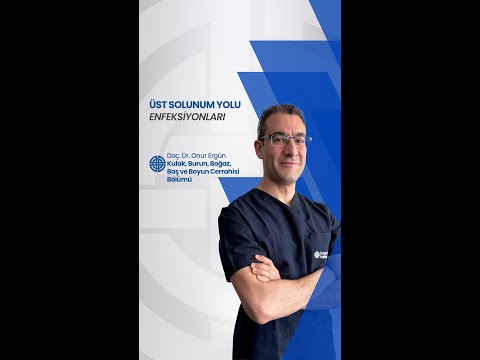
As meteorological conditions shift into autumn and winter, a corresponding spike in upper respiratory tract infections becomes statistically inevitable. [00:00] The primary driver of this epidemiological shift is not directly the cold air itself, but rather human behavioral adaptations to dropping temperatures. Populations transition from open-air environments to confined, poorly ventilated indoor spaces, drastically increasing the proximity and duration of interpersonal contact. This environmental concentration creates an ideal vector space for aerosolized pathogens.
In closed indoor environments, droplet transmission is amplified. HVAC systems without medical-grade HEPA filtration often recirculate stale air, allowing viral loads to remain suspended in the breathing zone for extended periods. Furthermore, decreased ambient humidity levels common during the colder months directly impair the mucociliary clearance system in the human nasal passages. When the mucous membranes dry out, their ability to trap and expel invading particulate matter and pathogens is compromised, lowering the primary mechanical barrier of the immune system.
This seasonal vulnerability underscores the necessity for proactive health measures in shared spaces such as schools, corporate offices, and public transportation. Understanding the mechanism of indoor transmission is the first critical step in breaking the chain of infection. Strategies focusing on optimizing indoor air quality, maintaining relative humidity above 40 percent, and adhering to strict surface hygiene protocols are foundational to mitigating these widespread seasonal outbreaks.
Decoding the Pathology: Viral vs. Bacterial Throat Infections
One of the most persistent misconceptions in general healthcare is the immediate necessity of antibiotics for any sore throat or upper respiratory discomfort. [00:17] Clinical data firmly establishes that approximately 90 percent of all upper respiratory tract infections are viral in origin. Pathogens such as rhinoviruses, coronaviruses, adenoviruses, and influenza viruses are the primary culprits. Because viruses operate by hijacking the host's cellular machinery, antibacterial pharmacology is entirely ineffective against them and provides zero clinical benefit.
The Principles of Symptomatic Management
When addressing a viral infection, the therapeutic objective shifts away from pathogen eradication and focuses entirely on symptomatic management. The human immune system possesses the inherent capability to identify, isolate, and destroy viral invaders, a process that typically spans a localized period of seven to ten days. During this acute phase, medical intervention aims to reduce host discomfort rather than shorten the physiological lifespan of the virus itself.
Standard care protocols for viral upper respiratory infections include the administration of antipyretics and analgesics to control fever and mitigate severe pharyngeal pain. Patients frequently experience profound systemic lethargy, which is a byproduct of the body redirecting massive amounts of metabolic energy toward immune cell proliferation. Aggressive hydration is strictly advised to thin mucosal secretions, preventing airway obstruction and facilitating the easier expulsion of viral shedding through coughing and nasal clearance.
The Threat of Group A Beta-Hemolytic Streptococcus
While viruses dominate the epidemiological landscape, the remaining 10 percent of upper respiratory infections present a distinct and far more hazardous clinical profile. [00:43] The most prevalent and dangerous bacterial pathogen in this category is Group A Beta-hemolytic streptococcus, commonly referred to simply as a "Beta infection." Unlike viral strains that cause localized, self-resolving discomfort, this specific bacterium has the potential to trigger catastrophic systemic damage due to a unique biological phenomenon known as molecular mimicry.
Understanding Molecular Mimicry and Autoimmunity
The danger of a Beta infection does not merely stem from the bacteria's immediate damage to the tonsillar tissue, but from the host's immune response to it. The Beta streptococcus microbe contains specific surface proteins that are structurally identical to proteins found naturally within human tissues. Specifically, these bacterial proteins mimic the molecular structure of human joint cartilage, the endothelial lining of cardiac valves, and various soft tissues throughout the body.
When the human immune system generates targeted antibodies to destroy the Beta streptococcus bacteria, these antibodies can inadvertently attack the body's own healthy tissues due to this structural similarity. This misdirected autoimmune assault is clinically diagnosed as acute rheumatic fever. The resulting inflammation can cause permanent, irreversible scarring of the heart valves (rheumatic heart disease), severe polyarthritis, and neurological complications. The sole method to prevent this secondary autoimmune disaster is the prompt administration of targeted antibiotics within the first ten days of symptom onset.
Accurate Clinical Diagnosis of Bacterial Throat Infections
Given the severe ramifications of untreated streptococcal infections and the contrasting dangers of antibiotic resistance caused by overprescribing for viral illnesses, highly accurate clinical diagnosis is paramount. [01:27] Otolaryngologists rely on specific, observable diagnostic criteria to differentiate a bacterial etiology from a standard viral presentation. The presence of overlapping symptoms often necessitates a granular, evidence-based evaluation of the patient's condition.
Key Indicators of a Bacterial Etiology
A pure bacterial infection of the tonsils and pharynx rarely presents with the classic viral triad of a runny nose, sneezing, and a generalized dry cough. Instead, bacterial infections manifest with sudden, aggressive severity. Physicians look for specific hallmarks during a physical examination to justify the immediate deployment of antibiotic therapy or further laboratory testing.
- Refractory Hyperthermia: A high fever exceeding 38°C (100.4°F) that demonstrates high resistance to standard over-the-counter antipyretic medications.
- Cervical Lymphadenopathy: The presence of significantly swollen, tender, and easily palpable lymph nodes localized in the anterior neck region.
- Tonsillar Exudate: Visible white or yellowish patches, streaks, or spots localized directly on the surface of inflamed, hypertrophic tonsils.
- Diagnostic Testing: Definitive confirmation via a rapid streptococcal antigen test or a comprehensive laboratory throat culture to isolate the specific bacterial strain.
- Epidemiological Contact: A verified history of close, unprotected physical proximity to an individual recently diagnosed with a confirmed bacterial streptococcal infection.
Chronic Tonsillitis and Indications for Tonsillectomy in Turkey
When bacterial infections become recurrent, the tonsils transform from a protective immunological barrier into a chronic reservoir for pathogenic bacteria. [02:09] At this stage, the risks associated with constant illness, potential autoimmune complications, and continuous antibiotic exposure far outweigh the minimal risks associated with surgical intervention. For patients seeking high-quality, specialized surgical care, pursuing a tonsillectomy in Turkey has become a globally recognized solution due to the country's advanced medical infrastructure and highly specialized ENT surgeons.
International Criteria for Surgical Intervention
Otolaryngologists do not recommend tonsillectomies arbitrarily. The decision to surgically remove the palatine tonsils is governed by strict, internationally accepted medical guidelines designed to ensure patient safety and long-term health optimization. Surgical intervention is definitively indicated when a patient meets specific frequency metrics for documented bacterial infections.
The primary quantitative criteria include experiencing more than seven severe throat infections in a single year. Alternatively, surgery is advised if a patient suffers from more than five infections per year over two consecutive years, or more than three infections per year spanning three consecutive years. These metrics ensure that only those with genuinely chronic, refractory conditions are subjected to surgery.
Complicating Factors Mandating Immediate Surgery
Beyond sheer frequency, certain severe complications immediately escalate the necessity for a tonsillectomy. The development of a peritonsillar abscess—a painful collection of pus forming behind the tonsil—indicates a severe breach of local tissue defenses and almost always requires surgical drainage followed by eventual tonsil removal. Additionally, if recurrent high fevers induce febrile seizures in younger patients, the source of the infection must be permanently eliminated.
Patients with documented, severe allergic reactions to multiple classes of antibiotics present a unique clinical dilemma. If medical management is impossible due to the risk of anaphylaxis, surgical removal of the tonsils becomes the only viable method to break the cycle of chronic infection. Modern surgical techniques utilized in top-tier medical facilities include coblation and thermal welding, which significantly reduce post-operative pain and accelerate the recovery timeline, allowing patients to return to normal activities swiftly.
Evidence-Based Strategies to Strengthen the Immune System
Preventative medicine remains the most effective defense against both viral and bacterial upper respiratory tract infections. [02:50] Optimizing the body's natural immunological response requires a holistic, multi-faceted approach encompassing nutrition, sleep architecture, and lifestyle modifications. A robust immune system can rapidly neutralize pathogens before they multiply to levels that trigger symptomatic disease.
Nutritional and Biological Optimization
Cellular immunity is heavily reliant on micronutrient availability. A diet rich in diverse fruits and vegetables provides necessary antioxidants, while cold-water fish deliver crucial Omega-3 fatty acids that regulate systemic inflammation. Vitamin D plays a foundational role in macrophage function and T-cell activation; therefore, routine supplementation is highly recommended, particularly during the winter months when natural ultraviolet synthesis in the skin is drastically reduced.
Sleep architecture is equally critical. During deep REM sleep cycles, the body engages in critical cellular repair and heavily synthesizes infection-fighting cytokines. Chronic sleep deprivation rapidly depreciates natural killer cell activity, leaving the host highly vulnerable to circulating viruses. Maintaining a strict, uninterrupted sleep schedule is a non-negotiable pillar of respiratory health.
- Consistent Physical Exercise: Enhances cardiovascular circulation, allowing immune cells to patrol the body more efficiently while flushing bacteria out of the lungs and airways.
- Aggressive Hydration: Maintains the viscosity of mucosal barriers, ensuring the efficient mechanical trapping and expulsion of airborne pathogens.
- Tobacco Avoidance: Smoking paralyzes the microscopic cilia in the respiratory tract, destroying the lungs' primary mechanism for clearing debris and infectious agents.
- Prophylactic Vaccination: Annual influenza vaccines provide targeted antibody blueprints, vastly reducing the severity and duration of specific viral strains.
Advanced Secondary Complications: Sinusitis and Otitis Media
While most viral infections run their course within a week, the resulting inflammation can severely compromise the structural drainage pathways of the upper respiratory system. [03:08] When nasal passages and Eustachian tubes remain swollen and blocked, fluid accumulates in the sterile cavities of the sinuses and the middle ear. This trapped, stagnant fluid creates a perfect biological incubator for opportunistic bacterial growth.
Transitioning from Viral to Bacterial Disease
Patients must remain highly vigilant if their initial cold symptoms do not improve—or begin to worsen—after the 8 to 10-day mark. The emergence of a deep, productive cough yielding thick, discolored phlegm indicates a shift towards a lower respiratory or advanced sinus issue. Severe, unyielding nasal congestion accompanied by heavy facial pressure often points to the development of secondary bacterial sinusitis, which requires targeted pharmacological intervention to resolve.
Similarly, the onset of sharp, stabbing ear pain, a noticeable feeling of aural fullness, or sudden unilateral hearing loss suggests that the infection has migrated into the middle ear chamber, resulting in acute otitis media. When a viral infection provides the groundwork for these secondary bacterial complications, the initial rule against antibiotics is reversed. Immediate consultation with an ENT specialist is required to secure a prescription for targeted antibiotics, preventing long-term structural damage to the sinus cavities or the delicate ossicles of the inner ear.
Ready to Resolve Chronic Throat Infections?
If you are suffering from recurrent bacterial throat infections and meet the criteria for surgical intervention, discover world-class ENT care. Connect with top medical specialists for a safe, affordable, and advanced tonsillectomy in Turkey.
Get Free QuoteView Full Video Transcript
[00:00] Merhabalar, ben Bay?nd?r ?çerenköy Hastanesi'nden Doç. Dr. Onur Ergün. Havalar so?udu, sonbahar geldi, ya?mur ve so?uklar ba?lad?. Art?k kapal? ortamlarda daha çok bir arada zaman geçiriyoruz ve so?uk alg?nl?klar? da bu sebepten art?? göstermi? durumda.
[00:17] Üst solunum yolu enfeksiyonlar?n?n %90'?n?n viral sebepli oldu?unu biliyoruz. Viral enfeksiyonlar söz konusu oldu?unda asl?nda bizim amac?m?z hastal???n sürecini k?saltmak de?il, bu süre boyunca ya?anacak semptomlar? tedavi etmektir. Bo?az a?r?s?, burun ak?nt?s?, ate?, halsizlik gibi semptomlar daha hafif geçirilerek, gene bir haftal?k süreç tamamland???nda hastal?k vücudun kendi ba????kl?k reaksiyonu sayesinde iyile?mi? olur.
[00:43] %10'u olu?turan bakteriyel enfeksiyonlar?n da en s?k görülen tipi A grubu Beta hemolitik streptokok enfeksiyonu, yani k?saca Beta enfeksiyonudur. Beta mikrobunun bir proteini vücudumuzdaki birtak?m yap?larla; eklem k?k?rda??yla, kalp kapakç???yla ya da yumu?ak dokularla benzerlik gösterdi?i için o proteine kar?? vücudun olu?turdu?u antikor ayn? zamanda vücudun yap?lar?na da sald?rabilmekte. Dolay?s?yla bu, vücutta bir hasara sebep olabilmektedir. Bizim için Beta enfeksiyonunun önemi budur.
[01:15] Antibiyotik vermemizin, ki ilk 10 gün içinde verilmesi gerekiyor bu reaksiyonu engellemek için, temel amac? da akut romatizmal ate? dedi?imiz bu ikincil hastal??? engellemektir.
[01:27] O halde benim ilk cevaplamam gereken soru, kar??ma gelen hastan?n viral bir enfeksiyon mu, bakteriyel bir enfeksiyon mu geçirdi?ini ay?rt etmek olmal?. Bu amaçla da hastada birtak?m semptomlar?n, durumlar?n olup olmad???na bak?yoruz. Yüksek ate? var m?? 38 derecenin üzerinde dü?meyen dirençli bir ate? var m?? Boyunda ele gelen a?r?l? bezeler var m?? Hastan?n bademciklerinde beyaz beyaz noktalanmalar var m?? Tan? konmu?, bo?az kültürü ya da h?zl? tan? testiyle gösterilmi? bir enfeksiyon var m?? Ya da bu ?ekilde enfeksiyonu olan bir ki?iyle yak?n temas öyküsü var m??
[02:02] Daha çok viral enfeksiyonlarda gördü?ümüz burun ak?nt?s?, öksürük gibi semptomlar yok mu?
[02:09] Baz? durumlarda e?er hastal?k geçirmenin ya da antibiyotiklerin riskleri ameliyat?n riskini a??yorsa bademcik ameliyat? karar? alabiliyoruz. Bunun için tan?mlanm?? baz? s?kl?klar var, ancak burada dikkate almam?z gereken enfeksiyonlar?n bakteriyel olmas? gerekiyor. Y?lda yediden fazla ya da son 2 y?lda y?lda be?ten fazla, son 3 y?lda y?lda üçten fazla enfeksiyon geçiriliyorsa, daha önceki enfeksiyonlarda boyunda apsele?me olduysa, ki?ide ate?li nöbet hikayesi söz konusuysa, antibiyotik kullanmam?za engel bir alerji durumu varsa, antibiyotik tedavisi karar?ndan ameliyat karar?na geçerek bademcik enfeksiyonlar?n?n önüne geçebiliyoruz.
[02:50] Ba????kl?k sistemini güçlü tutmak için düzenli uykuya dikkat etmek, yeterince meyve sebze, bal?k tüketmek, gerekiyorsa D vitamini almak, düzenli egzersiz yapmak, yeterince s?v? almak, sigaradan uzak durmak, grip a??s? olmak elbette bizi so?uk alg?nl?klar?ndan koruyacakt?r.
[03:08] Son olarak, so?uk alg?nl??? semptomlar?n?z?n üzerinden 8-10 gün geçmesine ra?men geçmeyen bir balgaml? öksürük, burun ak?nt?s?, burun t?kan?kl??? ya da sonradan art?? gösteren semptomlar?n?z varsa, i?itme azl??? ya da kulak a?r?s? gibi semptomlar ya?amaya ba?larsan?z, mutlaka bir KBB doktoruna görünmelisiniz. Çünkü viral enfeksiyonun bulgular? hafiflerken o zeminde geli?mi? bir bakteriyel sinüzit ya da bakteriyel orta kulak iltihab? geçiriyor olabilirsiniz ve antibiyotik tedavisine ihtiyac?n?z olabilir. Sa?l?kl? günler dileriz.








.png)
.png)
.png)
.png)








Share this listing