


Finding the right medical care for a child's heart condition is a critical journey for any family requiring specialized intervention. Today, seeking advanced pediatric cardiology in Turkey has become a leading choice for international patients requiring exceptional cardiac treatments. This comprehensive medical guide explores the extensive spectrum of pediatric heart health, spanning from early fetal development all the way through to young adulthood.
By examining cutting-edge diagnostic procedures and modern treatment modalities, we provide a thorough overview of managing complex cardiac conditions. We will analyze the most common congenital heart anomalies present at birth and the acquired heart diseases that develop during childhood. Understanding these sophisticated medical interventions highlights why top pediatric cardiologists in Turkey achieve world-class clinical outcomes for their youngest patients.
Video Chapters & Quick Navigation
- Expert Profiles in Pediatric Cardiology
- The Expansive Scope of Children's Heart Health
- Fetal Cardiology: Diagnosing Before Birth
- Understanding Congenital Heart Diseases
- Common Congenital Cardiac Anomalies
- Addressing Acquired Heart Diseases in Children
- The Global Impact of Acute Rheumatic Fever
- Advanced Diagnostic Technologies
- Minimally Invasive Interventional Cardiology
- Long-Term Cardiac Care and Adult Transition
- Medical Tourism for Heart Surgery in Turkey
Leading Expertise in Pediatric Cardiology in Turkey
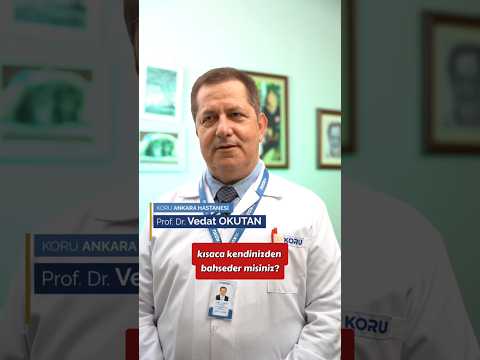
The foundation of successful cardiac outcomes relies entirely on the expertise of the attending medical professionals. As highlighted at [00:00] in the clinical overview, specialists like Prof. Dr. Vedat Okutan bring decades of dedicated experience to the field. Beginning a career in general pediatric diseases in 1993 before specializing strictly in pediatric cardiology by 2000 demonstrates the rigorous academic and clinical pathway required for this specialty.
Extensive clinical tenure is crucial when performing intricate diagnostic evaluations on delicate infant hearts. Leading medical institutions, such as Koru Hospital, aggregate these highly specialized experts to form multidisciplinary cardiac care teams. High-volume clinical centers consistently achieve superior survival rates and functional outcomes for complex pediatric cases.
When families research the best pediatric cardiologist in Turkey, they prioritize physicians with extensive historical data in successful patient management. This deep institutional knowledge ensures that every child receives a highly customized, evidence-based treatment protocol. Expert specialists are adept at navigating the unpredictable nature of pediatric cardiac emergencies.
The Expansive Scope of Children's Heart Health
Pediatric cardiology is an incredibly broad medical discipline that refuses to be confined to a single age group. As detailed at [00:18], the spectrum of care spans from the earliest stages of fetal life entirely through to young adult development. This continuous spectrum is vital because a child's cardiovascular system undergoes massive physiological changes as they grow.
The anatomical differences between a developing fetus, a transitioning newborn, and a rapidly growing adolescent demand highly specific medical approaches. Cardiologists must constantly adjust medication dosages, surgical timing, and monitoring frequencies based on the child's developmental stage. This dynamic approach guarantees that the heart can support the physical demands of childhood growth spurts.
Providing longitudinal care ensures that subtle cardiac changes are identified long before they manifest into severe clinical symptoms. A seamless healthcare journey from infancy to adulthood prevents critical gaps in medical oversight. This comprehensive lifecycle management is a hallmark of elite pediatric cardiology in Turkey.
Fetal Cardiology: Diagnosing Structural Defects Before Birth
The advent of advanced fetal echocardiography has revolutionized how congenital heart defects are managed worldwide. Specialists can now visualize the intricate structures of a baby's heart while they are still developing inside the mother's womb. This early detection capability transforms a potentially chaotic emergency delivery into a highly controlled, meticulously planned medical event.
When a severe anomaly is detected prenatally, the medical team prepares specialized neonatal intensive care units (NICU) well in advance of the birth. Immediate access to pediatric heart surgery in Turkey immediately following delivery drastically reduces infant mortality rates. Furthermore, prenatal diagnosis provides families with crucial time to understand the medical journey ahead and consult with surgical specialists.
In certain highly advanced cases, fetal cardiac interventions can actually be performed while the baby remains in utero. These groundbreaking procedures aim to alter the trajectory of heart development, preventing irreversible damage to the pulmonary or systemic circulatory systems. Fetal cardiology represents the absolute forefront of preventative pediatric medicine.
Understanding Congenital Heart Diseases in Newborns
Congenital structural anomalies represent the most significant portion of a pediatric cardiologist's daily clinical practice. According to the insights shared at [00:38], congenital heart diseases affect approximately one percent of all live newborn babies globally. This statistical reality makes cardiac anomalies the most common type of birth defect encountered by medical professionals.
These defects originate during the first eight weeks of embryonic development when the complex architecture of the heart is forming. The structural issues can range from minor septal defects, often referred to as "holes in the heart," to critical malformations involving missing valves or underdeveloped heart chambers. The severity of the defect directly dictates the urgency and complexity of the required medical intervention.
Timely diagnosis during the neonatal period is absolutely critical for long-term survival and healthy neurodevelopment. If systemic circulation is compromised, newborns can quickly develop severe hypoxia or congestive heart failure. Specialized newborn screening protocols utilizing pulse oximetry are now standard practice to catch these defects before patients are discharged from the maternity ward.
Common Congenital Cardiac Anomalies Requiring Intervention
There are numerous specific types of congenital heart defects, each requiring a highly tailored surgical or interventional strategy. Ventricular Septal Defect (VSD) and Atrial Septal Defect (ASD) are among the most frequently diagnosed structural issues. While some small defects may close spontaneously as the child grows, larger openings require meticulous surgical patching to prevent pulmonary hypertension.
More complex conditions, such as Tetralogy of Fallot or Transposition of the Great Arteries, necessitate highly advanced open-heart surgeries shortly after birth. These intricate procedures involve completely reconstructing the heart's internal anatomy to restore normal blood flow oxygenation. The availability of top-tier congenital heart disease treatment in Turkey provides international patients with access to these life-saving reconstructive surgeries.
- Ventricular Septal Defect (VSD): A hole in the wall separating the two lower chambers of the heart, leading to excess blood flow to the lungs.
- Coarctation of the Aorta: A severe narrowing of the major blood vessel carrying oxygenated blood to the body, forcing the heart to pump harder.
- Patent Ductus Arteriosus (PDA): An unclosed fetal blood vessel that requires closure via catheterization to prevent heart failure in premature infants.
Addressing Acquired Heart Diseases During Childhood
While congenital conditions dominate neonatal care, pediatric cardiologists also manage diseases that develop later in a child's life. As noted at [00:51], acquired heart diseases form a completely separate but equally vital focus group for medical specialists. These conditions generally arise from viral infections, autoimmune responses, or environmental factors impacting a previously healthy cardiovascular system.
Kawasaki disease, for instance, is a primary cause of acquired heart disease in young children that causes inflammation in the coronary arteries. If left untreated, it can lead to dangerous coronary artery aneurysms and long-term ischemic heart complications. Prompt administration of intravenous immunoglobulin (IVIG) and aspirin is required to prevent permanent arterial damage.
Infective endocarditis is another severe acquired condition where bacteria enter the bloodstream and attach to the inner lining of the heart valves. Children with pre-existing congenital heart defects are at a significantly higher risk for this infection. Proactive dental hygiene and targeted antibiotic prophylaxis before certain medical procedures are standard preventative measures managed by pediatric heart specialists.
The Global Impact of Acute Rheumatic Fever on Pediatric Health
Acute rheumatic fever remains one of the most critical health challenges in global pediatric cardiology. The transcript emphasizes that globally, it stands as the second most common heart disease following coronary artery disease. This condition originates as an untreated Group A streptococcal infection, commonly known as strep throat, which triggers an abnormal immune system response.
Instead of simply fighting the bacterial infection, the child's immune system mistakenly attacks healthy connective tissues, particularly targeting the delicate mitral and aortic heart valves. Over time, these repeated inflammatory attacks lead to rheumatic heart disease, characterized by severe valve stenosis or regurgitation. Without advanced acute rheumatic fever treatment for children, patients often face debilitating heart failure by their early adult years.
Management strategies focus heavily on secondary prevention through regular, long-term antibiotic administration to prevent recurrent streptococcal infections. In severe cases where valvular damage is extensive, patients may require complex valve repair or total valve replacement surgeries. Turkish medical centers excel in providing both conservative medical management and advanced surgical interventions for rheumatic valve disease.
| Characteristic | Congenital Heart Diseases | Acquired Heart Diseases |
|---|---|---|
| Onset Timing | Present at birth; structural anomalies developed in utero. | Develops later in childhood or adolescence. |
| Common Causes | Genetic factors, chromosomal abnormalities, maternal health. | Bacterial infections (Strep), viral illnesses, autoimmune responses. |
| Examples | VSD, ASD, Tetralogy of Fallot, Coarctation of Aorta. | Acute Rheumatic Fever, Kawasaki Disease, Endocarditis. |
| Primary Treatment | Surgical reconstruction, catheterization devices. | Antibiotics, IVIG, anti-inflammatory medications, eventual valve repair. |
Advanced Diagnostic Technologies in Modern Cardiology Centers
Accurate diagnostic imaging is the absolute cornerstone of effective pediatric cardiology. Medical facilities offering pediatric cardiology in Turkey are equipped with state-of-the-art technological infrastructures designed specifically for pediatric patients. High-resolution pediatric echocardiography utilizes sound waves to create real-time, intricate moving images of a child's beating heart.
For more complex structural evaluations, specialists employ Cardiac Magnetic Resonance Imaging (MRI) and specialized low-dose Computed Tomography (CT) scans. These advanced imaging modalities provide three-dimensional maps of the cardiovascular system, allowing surgeons to virtually plan operative pathways before making a single incision. This level of precision drastically reduces surgical time and minimizes complications during open-heart procedures.
Holter monitors and advanced electrocardiogram (ECG) telemetry are utilized to diagnose complex arrhythmias in active children. Identifying abnormal electrical pathways early ensures that radiofrequency ablation or pacemaker implantation can be scheduled proactively. The integration of artificial intelligence in analyzing pediatric ECG patterns is further elevating the diagnostic accuracy within Turkish medical hubs.
Minimally Invasive Interventional Cardiology Techniques
The landscape of pediatric cardiac treatment has shifted dramatically toward minimally invasive interventional procedures. Historically, almost all structural heart defects required major open-heart surgery utilizing a cardiopulmonary bypass machine. Today, specialized interventional cardiologists can repair a wide array of congenital defects through tiny catheters inserted via the femoral vein in the groin.
Using advanced fluoroscopy imaging, specialized devices such as septal occluders can be navigated directly into the heart to permanently seal atrial or ventricular holes. Balloon valvuloplasty techniques are frequently employed to stretch open dangerously narrowed pulmonary or aortic valves without the need for a scalpel. These innovative, minimally invasive approaches result in significantly shorter hospital stays and essentially invisible scarring for the young patient.
The psychological benefit of avoiding a massive sternotomy scar cannot be overstated for growing children and teenagers. Interventional cardiology ensures less postoperative pain and a much faster return to normal childhood activities. Turkish hospitals are internationally recognized for their proficiency in these delicate, catheter-based pediatric interventions.
Long-Term Cardiac Care and Adult Transition Programs
The remarkable success of modern pediatric heart surgery has created a rapidly growing population of adults living with complex congenital heart disease. Medical oversight does not end once the child reaches their teenage years; lifelong cardiac monitoring is an absolute necessity. Congenital structural repairs can experience wear and tear over decades, and patients may require subsequent valve replacements or electrophysiology interventions later in life.
Top-rated healthcare systems facilitate a highly structured transition program moving patients from pediatric cardiology into Adult Congenital Heart Disease (ACHD) specialty clinics. This crucial handover ensures that the patient's intricate medical history is thoroughly understood by their adult care providers. Transition programs also educate young adults on managing their own health, understanding their medications, and recognizing signs of cardiac distress.
These transition clinics also provide critical counseling on lifestyle modifications, exercise capacity, and future family planning. Female patients with corrected complex congenital defects require highly specialized obstetric cardiology care during pregnancy. Providing this continuous, specialized support ensures that survivors of childhood heart diseases lead long, fulfilling, and active lives.
Why Medical Tourists Seek Pediatric Heart Surgery in Turkey
The globalization of healthcare has positioned Turkey as a premier destination for complex pediatric medical tourism. Families facing daunting diagnoses in their home countries often seek out the advanced medical infrastructure available in Turkish cities. Joint Commission International (JCI) accredited facilities ensure that the standards of surgical care, infection control, and patient safety rival the best hospitals in Western Europe and North America.
Beyond exceptional clinical standards, the cost-effectiveness of comprehensive pediatric cardiology in Turkey is a major deciding factor for international families. Intricate open-heart surgeries and prolonged NICU stays are provided at a fraction of the cost found in United States healthcare systems, without compromising on medical technology or surgical expertise. Comprehensive international patient departments handle all logistical aspects, from medical visa assistance to specialized language translation services.
- World-Class Expertise: Access to globally recognized pediatric cardiothoracic surgeons and specialized intensive care teams.
- Advanced Infrastructure: Utilization of cutting-edge 3D cardiac mapping, specialized pediatric catheterization labs, and modern NICUs.
- Comprehensive Support: Dedicated international coordinators assisting families with travel, accommodation, and continuous medical translations.
Secure the Best Cardiac Care for Your Child Today
Connect with world-renowned specialists and state-of-the-art facilities offering advanced pediatric cardiology in Turkey. Reach out now to discuss customized treatment plans and secure a comprehensive medical evaluation.
Get Free QuoteView Full Video Transcript
[00:00] Vedat Hocam, merhaba. Bize öncelikle k?saca kendinizden bahseder misiniz?
[00:04] Merhaba, ben Profesör Doktor Vedat Okutan. 1993 y?l?nda çocuk hastal?klar?, 2000 y?l?nda da çocuk kardiyolojisi ihtisas?m? bitirdim.
[00:12] Hâlen Koru Hastanemizde çocuk kardiyolojisi uzman? olarak görev yapmaya devam ediyorum.
[00:18] Vedat Hocam, çocuk kardiyolojisinin alan?, belli ba?l? konular? nelerdir?
[00:22] Çocuk kardiyolojisi, spektrumu oldukça geni? olan bir bran?. Fetal ya?amdan yeti?kin ya?ama kadar;
[00:29] fetüsün, yenido?an bebe?in, okul öncesi, okul çocu?u ve genç eri?kinlerin kalp sa?l???yla ilgilenen bir bran?.
[00:38] Do?u?tan kalp hastal?klar?, tüm yenido?anlar?n %1'ini kapsayan en yayg?n görülen do?u?tan hastal?k grubu.
[00:47] Bizim en önemli u?ra? grubumuz bu hastal?klar. Bunun yan? s?ra;
[00:51] Edinsel hastal?klar dedi?imiz, örne?in akut romatizmal ate?ler;
[00:56] dünyada koroner kalp hastal???ndan sonra en s?k görülen ikinci kalp hastal???. Oldukça geni? bir spektruma sahibiz.











Share this listing