


Professional combat sports demand an unimaginable physical toll on the human body, often leaving athletes with lingering injuries long after retirement. For boxing legends like Marco Antonio Barrera, the years of rigorous training and intense bouts can lead to chronic pain and neurological concerns. Finding effective medical solutions to address these long-term occupational hazards has led many former champions to explore advanced medical treatments outside traditional paradigms.
One of the most promising avenues is stem cell treatment for athletes in Mexico, a rapidly growing medical field that offers cellular-level healing. This revolutionary approach focuses on utilizing the body's natural healing mechanisms to repair damaged tissues and reduce systemic inflammation. As athletes search for ways to improve their quality of life post-retirement, regenerative medicine for professional boxers is becoming a highly sought-after solution.
By leveraging cutting-edge therapies, former professionals can target the root cause of their discomfort rather than merely managing symptoms. The journey of Marco Antonio Barrera highlights the profound impact that targeted cellular therapies can have on overall well-being and cognitive health. His experience serves as a powerful testament to the restorative capabilities of modern regenerative science.
Video Chapters
The Physical and Neurological Toll of Professional Boxing
Boxing is a sport characterized by extreme physical endurance, strategic brilliance, and unfortunately, repeated physical trauma. Every time a boxer steps into the ring, they expose themselves to high-impact forces that can cause microscopic damage to brain tissues and musculoskeletal structures. Over a career spanning decades, these accumulated impacts create a compound effect that traditional medicine often struggles to address.
Combat athletes frequently experience early-onset joint degeneration, chronic pain, and early signs of cognitive decline. The repetitive head trauma associated with professional boxing is particularly concerning due to the risk of conditions like Chronic Traumatic Encephalopathy (CTE). These neurological issues manifest through memory loss, mood swings, and a general decline in executive functions.
For a long time, the medical community offered very few options for reversing or halting this type of damage. Patients were typically prescribed pain management protocols or cognitive therapies that only offered temporary relief without addressing the underlying cellular degradation. Today, the medical landscape is shifting dramatically towards proactive and restorative treatments to combat these sports-related injuries.
How Repeated Head Trauma Impacts Combat Athletes?
The human brain is incredibly resilient, but it is not designed to withstand the repeated blunt force trauma inherent in combat sports. When the head takes a severe impact, the brain rapidly accelerates and decelerates inside the skull, leading to shearing forces that damage neurons. This process triggers a chronic inflammatory response that can persist for years after the athlete has retired from the sport.
Inflammation in the brain disrupts normal neural communication and accelerates the degeneration of healthy brain cells. These physiological changes are what prompt many athletes to seek out specialized medical interventions to protect their cognitive longevity. Addressing neuroinflammation is a critical step in preventing long-term cognitive deterioration and improving mental clarity.
Understanding Regenerative Medicine for Professional Boxers
Regenerative medicine is a specialized branch of healthcare focused on repairing, replacing, or regenerating human cells, tissues, and organs to restore normal function. Unlike conventional medicine, which often relies on pharmaceuticals to mask symptoms, regenerative therapies aim to fix the root cause of the ailment. For professional boxers, this means targeting the specific areas of the body that have sustained the most wear and tear over the years.
Treatments can range from platelet-rich plasma (PRP) injections to advanced stem cell protocols designed for comprehensive healing. The core philosophy of this medical approach is to harness and amplify the body's innate healing capabilities. When specialized cells are introduced into a damaged area, they release growth factors and cytokines that stimulate rapid tissue repair.
This process is highly beneficial for athletes dealing with torn ligaments, degraded cartilage, and neurological damage. The versatility of regenerative medicine makes it a comprehensive solution for the complex, multi-faceted injuries commonly seen in combat sports. Furthermore, these treatments offer a minimally invasive alternative to major surgeries, allowing for smoother recovery periods.
The Science Behind Stem Cell Therapy for Brain Regeneration
Stem cells are undifferentiated cells that have the unique ability to develop into various specialized cell types depending on the body's needs. In the context of neurological repair, Mesenchymal Stem Cells (MSCs) are frequently utilized due to their potent anti-inflammatory and immunomodulatory properties. When administered, these cells can cross the blood-brain barrier and home in on areas of tissue damage and chronic inflammation.
Once they reach the target site, they begin secreting neurotrophic factors that support the survival and growth of neurons. This mechanism is crucial for athletes suffering from the aftereffects of repeated head trauma. The neurotrophic factors released by stem cells encourage neurogenesis, which is the biological process of generating new, functional neural pathways.
Clinical observations suggest that patients undergoing stem cell therapy for brain regeneration experience noticeable improvements in cognitive function, focus, and overall mental clarity. By reducing the chronic neuroinflammation caused by repetitive blows to the head, stem cells help restore a healthier neurological baseline. This scientific breakthrough is offering renewed hope to former boxers who previously had limited options.
The Role of Mesenchymal Stem Cells in Healing
Mesenchymal stem cells are primarily sourced from umbilical cord tissue, bone marrow, or adipose tissue, depending on the clinical protocol. Umbilical cord-derived MSCs are particularly favored in advanced clinics because they are young, robust, and possess a highly active replication rate. These cells are exceptionally effective at regulating the immune system and reducing the systemic inflammation that drives cellular decay.
When treating retired professional boxers, doctors often utilize MSCs to target both neurological and physical damage simultaneously. The cells work synergistically to repair degraded joints while also addressing the neurodegenerative effects of the sport. This dual-action healing process highlights why stem cells for head trauma recovery are becoming a cornerstone of post-career athletic rehabilitation.
Marco Antonio Barrera's Personal Experience with Stem Cells
The journey into regenerative medicine often begins with a search for better alternatives, as was the case for Marco Antonio Barrera. In his own words, the concept of regenerative treatments was entirely new to him [00:02]. Like many athletes, he was accustomed to standard medical care but was looking for something more effective to address the cumulative damage of his boxing career.
It was a personal recommendation from his wife that ultimately led him to explore the profound benefits of stem cell therapy [00:05]. Barrera specifically sought out this treatment to regenerate the damage he had sustained from years of taking relentless hits in the ring [00:08]. The bad nights and brutal fights had left a lasting physical imprint that traditional therapies were failing to resolve adequately.
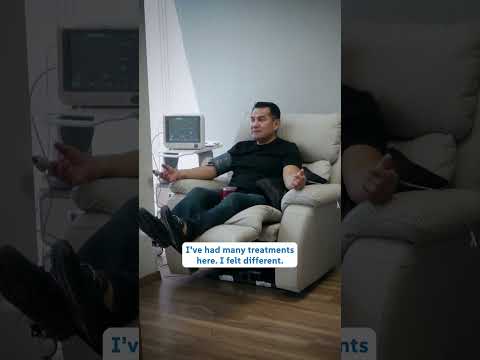
After undergoing a series of treatments over a period of time, he noted a significant shift in his physical and mental well-being. He emphasized that he genuinely felt different, experiencing a level of recovery that exceeded his initial expectations [00:12]. Medical professionals assured him from the beginning that the cellular therapy would specifically target and regenerate the trauma his head had endured [00:15].
The Marco Antonio Barrera stem cell treatment experience serves as a powerful testimonial for the clinical efficacy of these advanced protocols. His story is a prime example of how targeted cellular interventions can significantly alter the trajectory of an athlete's post-retirement health.
The Anti-Aging Benefits of Stem Cell Treatment for Former Professionals
Beyond specific injury recovery, one of the most remarkable outcomes of cellular therapy is its profound impact on the biological aging process. High-level athletes push their bodies to the absolute limit, which can accelerate cellular aging and lead to premature physical decline. Stem cell therapy combats this by replenishing the body's depleted reserve of active regenerative cells.
This influx of youthful, active cells helps to repair damaged DNA, improve cellular energy production, and restore structural tissue elasticity. For individuals approaching their senior years, the revitalizing effects can be genuinely life-changing and highly noticeable. Marco Antonio Barrera highlighted this exact phenomenon, noting that the physical changes he experienced were nothing short of impressive [00:24].
Despite being 50 years old, the treatments have made him feel significantly younger and more vibrant than his chronological age would suggest [00:30]. The anti-aging stem cell therapy benefits extend to improved energy levels, better sleep quality, and enhanced overall metabolic function. By addressing the cellular degradation that accompanies both aging and rigorous athletic wear-and-tear, patients can maintain a much higher quality of life.
Systemic Rejuvenation and Vitality Enhancements
When stem cells are administered intravenously, they circulate throughout the entire body, seeking out areas of inflammation and cellular stress. This systemic delivery method ensures that multiple organs and tissue structures benefit from the powerful regenerative signals. Patients often report an overall sense of vitality and a significant reduction in daily, lingering aches and pains.
This holistic improvement is particularly beneficial for athletes who suffer from widespread joint discomfort and generalized physical fatigue. The ability to slow down the biological clock while simultaneously repairing structural damage provides a compelling reason for former champions to invest in their cellular health.
Why Athletes Travel for Medical Tourism and Regenerative Treatments?
The globalization of modern healthcare has made it possible for patients to seek out the best medical treatments regardless of geographic borders. Medical tourism for regenerative medicine has seen a massive surge, with Mexico emerging as a premier destination for advanced stem cell therapies. The primary reason for this shift is the favorable regulatory environment that allows specialized clinics to utilize highly potent, ethically sourced stem cells.
Unlike some countries where cellular therapies are strictly limited or confined to clinical trials, Mexico offers highly accessible and regulated options. Top-tier medical facilities in Mexico are equipped with state-of-the-art laboratories and are staffed by highly experienced international medical teams. These clinics adhere to rigorous safety and quality standards, ensuring that patients receive premium care throughout their stay.
This access to superior medical technology is a major driving force behind the influx of professional sports figures seeking care abroad. Additionally, the cost of stem cell therapy for sports injuries in Mexico is often more accessible compared to the exorbitant prices found in other regions. Patients can receive world-class care, comprehensive medical evaluations, and personalized treatment plans without compromising on clinical quality.
Key Benefits of Seeking Cellular Therapy Abroad
- Advanced Cell Expansion: Clinics abroad often have the regulatory freedom to culture cells to much higher, therapeutic quantities.
- Comprehensive Care Packages: Medical tourism facilities typically provide all-inclusive experiences, from diagnostics to post-treatment follow-ups.
- Specialized Athletic Protocols: International doctors frequently specialize in custom protocols designed specifically for high-performance athletes.
- Cost Accessibility: Favorable exchange rates and distinct healthcare economic structures make treatments highly affordable.
What to Expect During a Stem Cell Therapy Session in Mexico?
Undergoing regenerative treatment is typically a straightforward, well-coordinated process designed to maximize patient comfort and treatment efficacy. The journey usually begins with an extensive medical consultation, which includes reviewing the patient's medical history, current symptoms, and previous diagnostic imaging. Based on this thorough assessment, the medical team develops a customized protocol tailored to the specific needs of the athlete.
The actual administration of the stem cells can vary depending on the specific condition being actively treated. For systemic rejuvenation and neurological support, intravenous (IV) infusions are the most common and effective delivery method. The IV allows the stem cells to enter the bloodstream directly, from where they can navigate to the brain and other areas of widespread inflammation.
For localized joint pain or specific muscular injuries, doctors may perform targeted localized injections using precision ultrasound guidance. This ensures that the regenerative cells are placed exactly where the structural tissue damage has occurred. The procedure is minimally invasive, virtually painless, and typically takes only a few hours to complete in a comfortable clinical setting.
Post-Treatment Recovery and Cellular Integration
After the stem cells have been introduced into the body, they begin the complex biological process of cellular integration and tissue repair. Patients are generally advised to engage in light activities and avoid strenuous exercise for a short period to allow the cells to settle. Adequate hydration, a nutrient-rich diet, and proper rest are highly recommended to support the body's enhanced metabolic state.
The timeline for noticeable results can vary from patient to patient depending on the severity of their initial condition. Some individuals experience immediate reductions in pain and inflammation, while others notice gradual improvements over several weeks. The ongoing regenerative effects can continue for up to a year as the body continuously remodels and repairs the targeted tissues.
Comparing Traditional Treatments vs. Regenerative Options
For decades, the standard protocol for treating sports-related injuries and neurological decline relied heavily on reactionary symptom management. Physicians frequently prescribed anti-inflammatory medications, harsh painkillers, and ongoing physical therapy to help athletes cope with their daily discomfort. While these traditional methods can provide temporary relief, they do not address the underlying cellular damage that causes the pain.
Prolonged reliance on pharmaceuticals can also lead to unwanted side effects and further compromise the body's natural healing systems. Surgical interventions, such as joint fusions or replacements, carry significant risks, require long rehabilitation periods, and do not always guarantee a return to full function. For neurological issues stemming from repeated head trauma, surgical options are virtually nonexistent, leaving patients with limited hope.
Regenerative medicine offers a profound paradigm shift by focusing on true biological healing at the microscopic level. By leveraging the power of stem cells for head trauma recovery, doctors can proactively mitigate neurodegeneration and structural decay. This proactive, curative approach is why so many athletes are transitioning away from traditional symptom management and embracing cellular medicine.
Understanding the Cost of Stem Cell Therapy for Sports Injuries
The economic advantage of seeking regenerative treatments abroad is a major factor contributing to the rise of specialized medical tourism. Facilities specializing in international care pride themselves on absolute pricing transparency, ensuring patients understand their financial commitment upfront. Patients are provided with comprehensive treatment packages that detail every aspect of their medical care, eliminating the fear of hidden fees.
| Treatment Aspect | Traditional Healthcare (US/Canada) | Regenerative Medicine in Mexico |
|---|---|---|
| Primary Medical Focus | Symptom management and temporary pain relief | Cellular repair and deep tissue regeneration |
| Treatment Methods | Pharmaceuticals, invasive orthopedic surgeries | Mesenchymal stem cells, advanced IV therapies |
| Regulatory Environment | Highly restricted cellular protocols and clinical trials | Advanced, ethically regulated cell expansion allowed |
| Overall Financial Cost | Prohibitively expensive, often entirely uninsured | Highly accessible, transparent all-inclusive packages |
Long-Term Outlook After Undergoing Regenerative Medicine for Boxers
The integration of regenerative therapies into mainstream sports medicine represents a monumental leap forward in treating complex athletic injuries. As clinical research continues to expand, the protocols for utilizing stem cells are becoming more refined, precise, and highly effective. We are moving towards an era where professional athletes will incorporate cellular treatments not just for post-career rehabilitation, but as preventative maintenance.
This proactive biological maintenance could significantly extend the longevity of an athlete's career and dramatically improve their post-retirement quality of life. The public success stories of high-profile figures like Marco Antonio Barrera are crucial in raising awareness about these advanced medical options. His willingness to speak openly about his positive experiences helps to destigmatize the pursuit of alternative medical treatments.
Ultimately, the main goal of sports medicine should be to preserve the health and structural dignity of the athletes who dedicate their lives to their craft. By addressing the root causes of physical and neurological degradation, regenerative medicine is offering former champions a chance to heal properly. The profound results seen across the globe confirm that cellular therapy is reshaping the future of sports rehabilitation.
Ready to Experience the Benefits of Regenerative Medicine?
Take the first step towards profound cellular healing, brain regeneration, and systemic anti-aging benefits. Consult with top-tier medical professionals to customize your personalized stem cell treatment plan today.
Get Free QuoteView Full Video Transcript
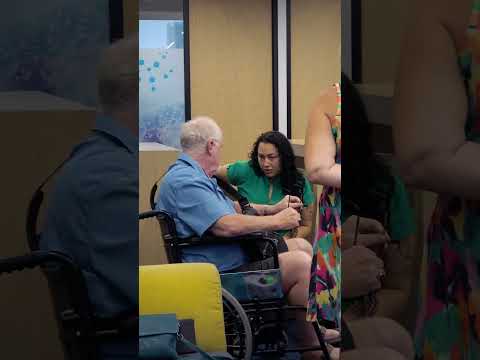
00:00 Hello, greetings from your friend Marco Antonio Barrera.
00:02 The truth is that regenerative medicine was new to me.
00:05 My wife recommended me the stem cell treatment
00:08 to regenerate some of the damage I had suffered from boxing.
00:12 I've had many treatments here. I felt different.
00:15 The doctors told me from the beginning
00:17 that this therapy would help
00:20 me regenerate some of the damage I had suffered during my time in boxing.
00:24 And the truth is that it has been an impressive change and I don't feel 50.
00:28 I am 50, I don't feel 50,
00:30 I feel younger.
.png)


.png)
.png)
.png)
.png)





-(10).png)
-(8).png)








Share this listing