


Advanced Stem Cell Therapy for Psoriasis in Mexico
If you are seeking advanced medical solutions for chronic dermatological conditions, exploring effective stem cell therapy for psoriasis in Mexico offers a promising avenue for long-term relief. For decades, patients suffering from severe autoimmune skin disorders have relied on topical treatments and systemic medications that often provide only temporary management. The landscape of modern dermatology is rapidly evolving with the integration of cutting-edge regenerative medicine. By utilizing advanced cellular therapies, specialized medical professionals can now target the root causes of immune system dysregulation rather than merely suppressing surface-level symptoms.
This innovative medical approach is becoming increasingly accessible for international patients looking for high-quality, cost-effective care. In recent years, regenerative treatments have shown immense potential in resetting abnormal immune responses associated with chronic skin conditions. In this comprehensive guide, we will analyze the insights provided by experts in the field, starting from the introduction at [00:00] where the fundamental concepts of these autoimmune challenges are addressed. Understanding the underlying mechanisms of these therapies is crucial for anyone considering alternative, science-backed treatments for stubborn dermal plaques.
Video Chapters & Quick Navigation
- Understanding Autoimmune Pathophysiology
- Recognizing Core Symptoms
- Psychological Impact of Flare-Ups
- Traditional vs. Regenerative Treatments
- Exploring Mesenchymal Stem Cells
- Science Behind Immunomodulation
- Anti-inflammatory Effects & Benefits
- The Skin Regeneration Process
- Addressing Psoriatic Arthritis
- Growing Medical Tourism Trend
Understanding Autoimmune Pathophysiology in Dermatology
Psoriasis is not merely a superficial cosmetic issue; it represents a profound and complex immune system malfunction. As highlighted in the clinical discussion at [00:06], this condition is fundamentally classified as a chronic autoimmune disease that affects multiple organs and tissues. In a healthy biological system, T-cells are deployed to protect the body against foreign invaders like viruses and bacteria. However, in individuals suffering from this specific autoimmune skin condition, these protective cells mistakenly attack healthy skin tissues.
This internal cellular confusion triggers a massive overproduction of new skin cells at an unnatural rate. While a normal skin cell lifecycle takes approximately one month from generation to natural shedding, this autoimmune cascade accelerates the process to just a few days. The dead epidermal cells do not have enough time to naturally slough off, leading to a rapid accumulation on the skin's surface. This hyperproliferation is the exact biological mechanism that results in the thick, inflamed patches characteristic of the disorder.
Furthermore, the systemic nature of this disease means that the underlying inflammation is rarely confined just to the dermal layers. The continuous release of pro-inflammatory cytokines circulates throughout the bloodstream, putting patients at a higher risk for associated comorbidities. Understanding this systemic pathophysiology is essential when evaluating advanced mesenchymal stem cell treatment for psoriasis, as regenerative therapies aim to modulate the entire immune response rather than just treating the visible epidermal manifestations.
Recognizing the Core Symptoms and Plaque Formations
Identifying the primary physical manifestations of this autoimmune disorder is the first step toward seeking appropriate medical intervention. As precisely described at [00:18], the most prominent symptoms manifest as cyclical eruptions characterized by erythematous plaques. These thick, red lesions are almost universally covered by distinctive silvery-white scales that represent the rapid buildup of dead keratinocytes. These visual indicators are key diagnostic markers for dermatologists worldwide.
The distribution of these painful plaques follows a highly specific pattern across the human body. They predominantly appear on the trunk, the scalp, and along the extensor surfaces of major joints, most notably the elbows and knees. The physical sensations accompanying these visible lesions are often intensely uncomfortable. Patients frequently report overwhelming pruritus (severe itching), burning sensations, and painful tissue edema that severely disrupts their daily quality of life.
To better understand the variance of the condition, it is vital to recognize that symptom presentation can differ significantly among individuals. The medical community categorizes these presentations into several distinct types based on visual morphology and physiological behavior:
- Plaque Psoriasis: The most prevalent form, characterized by raised, inflamed red lesions covered with silvery scales.
- Guttate Psoriasis: Often triggered by bacterial infections, presenting as small, drop-shaped lesions primarily on the torso.
- Inverse Psoriasis: Appears as smooth, red patches in skin folds, significantly worsening with friction and sweating.
- Pustular Psoriasis: A severe variant characterized by white, pus-filled blisters surrounded by highly inflamed skin.
The Physical and Psychological Impact of Psoriasis Flare-Ups
Managing severe psoriasis flare-ups with regenerative medicine requires a deep understanding of the triggers that cause sudden exacerbations. The cyclical nature of the condition means patients experience unpredictable periods of spontaneous remission followed by intense, sudden outbreaks. These aggressive flare-ups are not entirely random; they are deeply connected to the patient's physiological and psychological environment. External factors such as harsh weather conditions, acute bacterial infections, and certain pharmaceutical medications can rapidly trigger an aggressive immune response.
Among the various triggers, psychological tension plays a uniquely profound role in disease exacerbation. As explicitly noted during the clinical overview at [00:26], these debilitating symptoms are heavily exacerbated during intense periods of emotional and mental stress. When the human body is subjected to high stress levels, it releases an excessive amount of cortisol and other stress hormones. This hormonal surge aggressively stimulates the immune system, leading to a massive release of inflammatory cytokines that directly fuel the rapid proliferation of skin plaques.
The psychological burden of living with visible, chronic skin lesions creates a devastating cyclical effect for many patients. The constant presence of visible scaling and the physical discomfort of edema cause profound social anxiety, low self-esteem, and even severe clinical depression. This emotional distress inevitably generates more systemic cortisol, which in turn causes the skin condition to worsen further. Breaking this destructive cycle is a primary goal of comprehensive cellular therapy protocols.
Traditional Dermatological Treatments Versus Regenerative Approaches
For generations, the standard of care for severe skin conditions has relied heavily on symptom management rather than addressing the core biological dysfunction. Traditional dermatological interventions typically begin with aggressive topical treatments, including high-potency corticosteroids and synthetic vitamin D analogues. While these creams can temporarily reduce surface inflammation and slow skin cell turnover, their long-term application often leads to permanent skin thinning (atrophy) and diminished clinical efficacy over time. Patients find themselves trapped in a continuous loop of applying temporary fixes without achieving lasting remission.
When topical applications fail, physicians traditionally escalate to systemic immunosuppressant drugs or targeted biological injections. Medications such as methotrexate or cyclosporine forcefully suppress the entire immune system to halt the attack on the skin. Unfortunately, this broad immunosuppression leaves the patient highly vulnerable to severe opportunistic infections and potential organ toxicity. Biological therapies, while more targeted toward specific immune pathways, are exceptionally costly and frequently lose their effectiveness as the patient's body develops neutralizing antibodies against the drug.
In stark contrast, modern cellular therapies represent a paradigm shift in dermatological care. Rather than chemically suppressing the immune system, advanced regenerative medicine seeks to biologically reset it. To understand the fundamental differences between these medical philosophies, consider the following comparative analysis of treatment modalities:
| Treatment Modality | Primary Mechanism of Action | Long-Term Clinical Efficacy |
|---|---|---|
| Topical Corticosteroids | Temporarily suppresses local immune activity directly on the epidermal surface. | Low sustainability; frequent rebound flares occur upon sudden discontinuation. |
| Systemic Immunosuppressants | Broadly dampens systemic immune responses to halt rapid cellular turnover. | Moderate efficacy, but limited by high risks of organ toxicity and severe infections. |
| Mesenchymal Stem Cells | Actively immunomodulates the system, downregulating overactive T-cells natively. | High potential for sustained, long-term remission and comprehensive tissue repair. |
Exploring Mesenchymal Stem Cells for Psoriasis Treatment
The introduction of cellular therapies has revolutionized how medical professionals approach stubborn autoimmune challenges. As explicitly detailed at [00:32], mesenchymal stem cells (MSCs) demonstrate an excellent action directly at the skin level for patients suffering from severe plaque formation. These specialized adult stem cells are classified as multipotent stromal cells, meaning they possess the extraordinary biological capability to differentiate into a variety of essential cell types. Their primary function in regenerative medicine is not just to replace damaged tissue, but to orchestrate a massive healing response throughout the body.
Because of their profound therapeutic properties, MSCs are widely considered a perfect adjuvant therapy for severe dermatological patients. These cells are typically ethically sourced from the Wharton's jelly of donated human umbilical cords, which provides the most robust, youthful, and highly active stem cells available in modern medicine. Once introduced into the patient's bloodstream through an intravenous drip, these cells exhibit a unique "homing" capability. They possess specific receptors that allow them to detect inflammatory signals and migrate directly to the sites of severe tissue damage and immune conflict.
A major advantage of utilizing allogeneic (donor-derived) mesenchymal stem cells for autoimmune disorders is their inherently low immunogenicity. MSCs lack the specific surface markers (MHC Class II) that typically trigger rejection by a recipient's immune system. This makes the intravenous administration of these regenerative cells incredibly safe, negating the need for dangerous immune-matching procedures or concurrent immunosuppressive drug regimens. This exceptional safety profile is driving the surge in demand for top-rated regenerative medicine specialists in Mexico.
The Science Behind Immunomodulation in Regenerative Medicine
To truly appreciate the value of cellular therapy, one must look at the intricate microscopic interactions occurring within the immune system. As emphasized during the expert explanation at [00:43], MSCs possess the profound capacity to immunomodulate the disease entirely. Immunomodulation is vastly different from traditional immunosuppression; it involves the intelligent re-calibration and re-education of a dysfunctional immune network. Instead of blindly shutting down all immune defenses, MSCs selectively target and suppress the specific overactive components causing the autoimmune attack.
Through a sophisticated biological mechanism known as paracrine signaling, these introduced stem cells secrete a vast array of powerful exosomes, growth factors, and regulatory cytokines. These secreted molecules directly interact with the patient's aggressive Th1 and Th17 immune pathways, aggressively downregulating their destructive activity against the skin. By inhibiting the proliferation of these rogue T-cells, the primary biological driver of the rapid skin cell turnover is effectively neutralized.
Simultaneously, the cellular therapy actively promotes the generation and expansion of regulatory T-cells (Tregs) within the patient's body. Tregs are specialized immune cells responsible for maintaining tolerance and preventing autoimmune reactions. By boosting the population of these peace-keeping cells, mesenchymal stem cells help re-establish a state of long-term immune homeostasis. This profound biological rebalancing is the key to reversing psoriasis plaques with stem cell treatments and achieving lasting remission.
Potent Anti-inflammatory Effects and Systemic Benefits
Systemic inflammation is the primary catalyst driving the intense physical discomfort and dangerous comorbidities associated with severe autoimmune skin conditions. Addressing this underlying fire is crucial, which is why the excellent anti-inflammatory effect noted at [00:50] is a cornerstone of this advanced medical protocol. When mesenchymal stem cells enter the systemic circulation, they immediately begin releasing high concentrations of potent anti-inflammatory molecules, such as Interleukin-10 (IL-10) and Transforming Growth Factor-beta (TGF-beta). These cytokines work rapidly to neutralize the inflammatory agents ravaging the patient's tissues.
This profound reduction in systemic inflammation leads to rapid and highly visible clinical improvements. Patients typically observe a significant decrease in the intense erythematous redness, painful tissue edema, and severe pruritus that characterize their stubborn dermal plaques. The cooling of the inflammatory response allows the skin to transition out of its chronic defensive state, paving the way for the body to focus its energy on natural tissue repair rather than continuous combat.
Beyond the immediate visible improvements on the epidermal surface, this massive reduction in inflammatory markers provides vital systemic protection. Chronic inflammation is heavily linked to severe cardiovascular events, metabolic syndrome, and extensive joint degradation. By systematically lowering the body's overall inflammatory burden, stem cell therapy provides a holistic health benefit that standard topical creams simply cannot achieve. This comprehensive approach ensures that patients are protected from the severe internal damage typically caused by long-term autoimmune flare-ups.
The Skin Regeneration Process Through Cellular Therapy
Halting the autoimmune attack is only the first phase of holistic skin regeneration through cellular therapy. The secondary, equally vital phase involves repairing the extensive structural damage inflicted by years of chronic lesions. As highlighted in the clinical breakdown at [00:48], these advanced cellular protocols actively regenerate the skin from the inside out. Mesenchymal stem cells secrete specific growth factors that stimulate the patient's own dormant local stem cells, awakening them to begin aggressive tissue reconstruction.
These regenerative signals specifically activate local dermal fibroblasts, which are the cells directly responsible for synthesizing new structural proteins. This activation leads to a massive surge in natural collagen and elastin production within the deep dermal layers. Additionally, MSCs promote angiogenesis, which is the vital formation of fresh, healthy microscopic blood vessels. This improved localized microcirculation ensures that optimal levels of oxygen and essential nutrients are delivered precisely to the severely damaged tissue zones.
Through these combined regenerative mechanisms, the deeply scarred and thickened epidermal barrier is meticulously reconstructed. The rapid, abnormal proliferation of keratinocytes is normalized back to a healthy 28-day lifecycle. Over the weeks and months following the intravenous cellular administration, patients witness the gradual fading of stubborn, heavily scaled plaques, revealing smooth, fully restored, and functionally healthy skin.
Addressing Psoriatic Arthritis and Joint Complications
A critical aspect often overlooked in standard dermatological care is the high prevalence of associated joint complications among chronic sufferers. Up to thirty percent of individuals diagnosed with severe plaque formations eventually develop psoriatic arthritis, a debilitating condition that causes severe joint pain, stiffness, and irreversible bone degradation. Because both conditions share the identical underlying autoimmune inflammatory pathway, treating merely the skin surface leaves the patient's skeletal structure completely vulnerable to silent destruction.
The systemic application of mesenchymal stem cells offers a profound dual-action therapeutic benefit for these complex cases. The intravenously administered MSCs utilize their intelligent homing mechanisms to migrate not only to inflamed dermal tissues but also deep into the inflamed synovial fluids of the affected joints. Once anchored in the joint spaces, they release the same powerful anti-inflammatory cytokines and regenerative growth factors that heal the skin, effectively cooling the destructive inflammation attacking the cartilage.
This comprehensive, full-body regenerative approach provides patients with an opportunity for long-term remission for psoriasis patients through cellular therapy. By simultaneously addressing both the epidermal hyperproliferation and the painful joint degradation, specialized regenerative clinics offer a superior standard of care. Patients who previously required multiple harsh pharmaceutical regimens for their skin and joints can often find consolidated, holistic relief through targeted stem cell applications.
The Growing Medical Tourism Trend for Psoriasis Care in Mexico
Navigating the complex landscape of advanced medical treatments in regions like the United States and Canada often involves insurmountable regulatory hurdles and exorbitant out-of-pocket costs. Because of these intense healthcare limitations, a rapidly expanding movement of medical tourism has emerged, guiding thousands of patients toward internationally renowned healthcare hubs. As directly encouraged at [00:52], patients seeking viable alternatives are invited to contact specialized international clinics to explore their advanced regenerative options in depth.
Mexico has firmly established itself as a premier global destination for cost-effective stem cell therapy clinics abroad. The country boasts state-of-the-art medical facilities equipped with highly advanced cellular laboratories that adhere to rigorous international quality and safety standards. Board-certified regenerative medicine specialists operating in these top-tier clinics utilize precisely the same ethically sourced, high-viability umbilical cord MSCs that are used in cutting-edge global clinical trials.
Choosing to pursue these advanced treatments internationally offers profound logistical and economic advantages. Patients can access comprehensive, personalized cellular therapy protocols for a mere fraction of the cost they would encounter domestically, without ever sacrificing clinical quality or safety. The seamless integration of expert medical consultations, specialized intravenous applications, and dedicated long-term follow-up care ensures that international medical tourists receive unparalleled support throughout their entire healing journey.
Ready to Explore Advanced Regenerative Options?
Discover if you are a candidate for innovative cellular therapies. Take the first crucial step toward managing your autoimmune skin condition effectively by connecting with certified regenerative medicine specialists today.
Get Free QuoteView Full Video Transcript
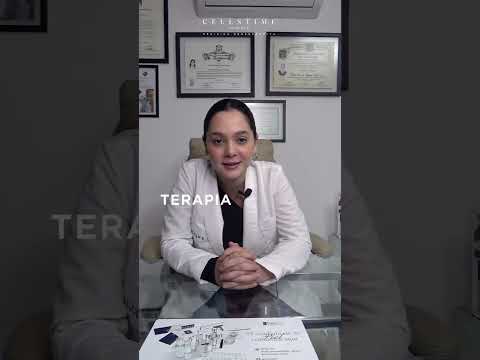
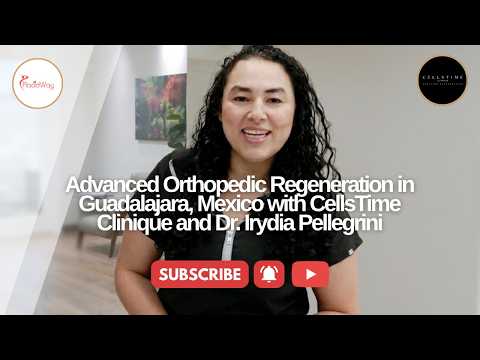
[00:00] Hola, soy la doctora Frida. Hoy les voy a hablar acerca de la psoriasis.
[00:06] La psoriasis se considera una enfermedad autoinmune caracterizada por placas eritematosas en cuero cabelludo, codos y rodillas. Además que también puede afectar muchos órganos y tejidos.
[00:18] Los principales síntomas son erupciones cíclicas predominantes en tronco, cuero cabelludo, codos y rodillas, que se pueden exacerbar en periodos de estrés. Además que pueden causar comezón y edema.
[00:32] Las células madre mesenquimales tienen una excelente acción a nivel piel en pacientes con psoriasis, porque se considera una perfecta terapia coadyuvante en este tipo de pacientes.
[00:43] No solo tienen la capacidad de inmunomodular la enfermedad, sino que aparte regenera la piel y nos aporta un excelente efecto antiinflamatorio.
[00:52] Si sufres este tipo de enfermedad y tienes más dudas acerca de nuestros tratamientos, no dudes en contactarnos.





.png)




.png)
.png)
.png)
.png)








Share this listing