
Spine Surgery in Germany by Asklepios: Improving Sitting Ability
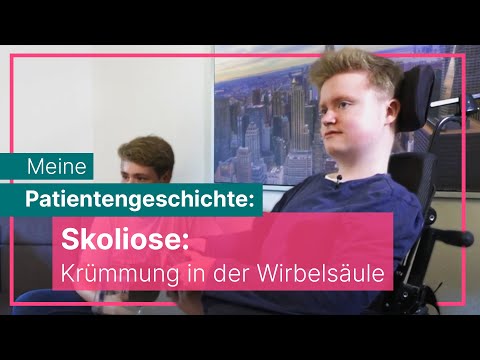
Living with a progressive neuromuscular condition presents profound physical and emotional hurdles for young individuals and their families. When muscle weakness leads to severe scoliosis and three-dimensional spinal distortion, essential daily functions such as sitting upright, breathing comfortably, and preserving personal independence become increasingly compromised. For Morden, a young patient who began experiencing severe spinal complications in childhood, the progression of his condition threatened to severely restrict his quality of life and physical mobility.
Seeking advanced medical care, Morden and his family turned to the specialized orthopedic and spinal surgery department at Asklepios Kliniken Hamburg in Germany. Through meticulous surgical correction, release of deformed vertebral segments, and precise internal fixation using screws and rods, the surgical team successfully realigned Morden's spine. This comprehensive medical narrative explores Morden's remarkable journey, the clinical complexities of neuromuscular scoliosis, the advanced biomechanical solutions provided through Spine Surgery in Hamburg Germany, and how restoring physical posture opens up transformative opportunities for personal, academic, and social independence.
Video Chapters & Quick Navigation
Morden's Early Medical History: Facing Progressive Neuromuscular Weakness
The journey toward severe spinal deformation often begins quietly during childhood. For Morden, initial symptoms emerged around ten years of age when an underlying medical condition began causing progressive muscle weakness. In healthy development, balanced muscular tension on both sides of the vertebral column provides essential dynamic stability, allowing the spine to remain upright against gravity during sitting, standing, and physical activity. However, when an underlying illness compromises muscular strength, the spinal structure loses its primary supportive scaffold.
As detailed by Morden's family at [00:00], watching a young child cope with diminishing physical strength is a deeply challenging experience. As muscles gradually weakened, the physical stress placed upon the growing spine increased exponentially. Over time, the structural alignment began to fail, converting subtle postural asymmetries into a severe, progressive spinal deviation. Without specialized medical care, progressive neuromuscular spinal collapse severely threatens a child's mobility, organ capacity, and daily functional autonomy.
Recognizing the urgency of Morden's deteriorating physical condition, his family actively pursued advanced evaluation for Spinal Deformity Surgery in Germany. They turned to Asklepios Kliniken Hamburg, a premier clinical center renowned worldwide for comprehensive reconstructive spinal procedures and multi-disciplinary pediatric orthopedic care.
Understanding Neuromuscular Scoliosis: Causes and Clinical Challenges
Neuromuscular scoliosis differs significantly from idiopathic scoliosis, which often affects adolescents without underlying systemic conditions. In neuromuscular cases, pathology stems directly from muscular dystrophy, spinal muscular atrophy, cerebral palsy, or other disorders affecting motor neurons and muscle fibers. As the trunk musculature weakens uniformly or asymmetrically, the skeletal structure succumbs to gravitational forces, creating large, sweeping spinal curves that frequently involve the pelvis.
At [00:11], the treating clinical team highlights the critical issue that Morden faced: his muscles lacked sufficient strength and were continuing to deteriorate over time. This ongoing weakening created a continuous cycle of skeletal collapse. Unlike flexible idiopathic curves, neuromuscular curves tend to progress rapidly during growth spurts and continue worsening even after skeletal maturity.
Key Physical Challenges Associated with Neuromuscular Scoliosis
- Loss of sitting balance leading to severe trunk tilting, pelvic obliquity, and head instability.
- Progressive reduction in thoracic cavity volume, leading to restrictive pulmonary impairment and compressed lung capacity.
- Gastrointestinal discomfort, reflux, and compromised abdominal organ space due to severe torso collapse.
- Increased risk of chronic skin breakdown, pressure sores, and localized tissue pain from asymmetrical weight distribution in seating systems.
- Diminished upper limb functional reach due to the constant need to use arms for postural support and body stabilization.
Preserving the ability to sit comfortably without manual support was the paramount clinical objective for Morden's clinical team. For non-ambulatory or highly compromised patients, comfortable upright sitting is the cornerstone of daily social interaction, education, communication, and basic functional independence.
The Biomechanics of 3D Deformity: Curvature and Axial Rotation
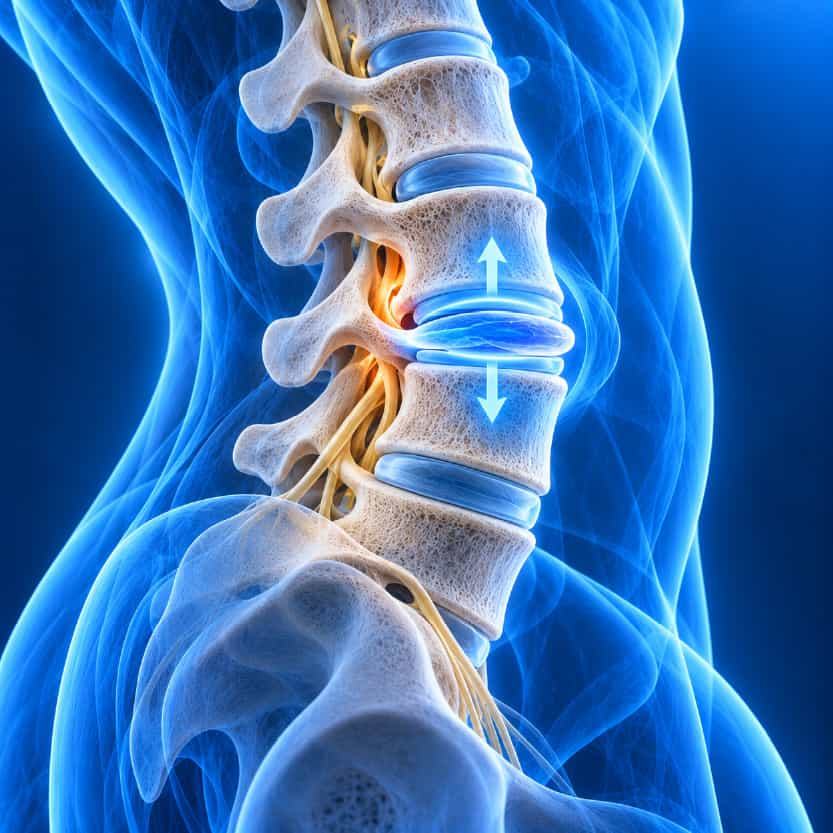
To fully grasp the complexity of Scoliosis Surgery in Hamburg Germany, one must understand that scoliosis is never a simple two-dimensional lateral curve. As explained by the specialist at [00:22], scoliosis is a complex three-dimensional deformity of the entire vertebral column. It involves coronal plane deviation, sagittal plane distortion, and axial plane rotational movement.
| Anatomical Plane | Deformity Manifestation | Clinical Impact on Patient |
|---|---|---|
| Coronal Plane | Sideways lateral curvature (C-shaped or S-shaped deviation) | Visible shoulder asymmetry, lateral trunk leaning, pelvic tilt |
| Axial Plane | Vertebral body rotation around the vertical spinal axis | Rib hump prominence, chest wall distortion, asymmetric pulmonary compression |
| Sagittal Plane | Alteration of thoracic kyphosis and lumbar lordosis | Loss of sagittal balance, forward head pitch, compromised sitting stability |
In Morden's case, as the vertebral bodies rotated, the attached rib cage rotated simultaneously, creating a pronounced rib hump and severely narrowing the internal space available for thoracic organs. As the curvature progressed beyond critical surgical thresholds, conservative treatments like custom orthotic bracing were no longer effective in halting progression. Surgical correction became necessary to prevent complete loss of seating capacity and severe cardiopulmonary compromise.
Surgical Precision at Asklepios Kliniken Hamburg
Executing successful complex spinal reconstruction requires specialized surgical skill, high-precision technology, and comprehensive perioperative care. At Asklepios Kliniken Hamburg, specialists in Spine Treatment in Germany utilize state-of-the-art intraoperative monitoring, 3D imaging navigation, and customized instrumentation protocols to achieve optimal structural realignment while safeguarding neural integrity.
At [00:55], the surgeon details the exact surgical procedure performed on Morden. To correct the severe structural deviation, the surgical team first performed a surgical release of individual vertebral segments that had become rigid and malpositioned. By releasing stiffened facet joints and surrounding soft tissues, the spine regained sufficient flexibility to allow multi-axial correction.
Following segmental release, pedicle screws were strategically implanted into the vertebral bodies above and below the deformed curve. High-strength titanium or cobalt-chromium rods were then contoured to reflect healthy physiological alignment. Using gradual maneuver techniques—including translation, direct vertebral rotation, and segmental distraction—the spine was meticulously repositioned and locked firmly into place. Bone graft material was applied along the instrumented segments to achieve permanent solid arthrodesis (spinal fusion), ensuring lifelong structural stability.
Respiratory Improvements and Postural Recovery
The immediate physical impact of undergoing high-complexity Spinal Surgery in Germany was profound for Morden. Recalling his post-operative feelings at [00:46], Morden expressed deep emotional relief and pride at having successfully navigated such a major surgical procedure. Beyond the psychological boost, the physiological benefits were immediately apparent.
Prior to surgery, Morden's collapsed chest cavity severely restricted expansion of his lungs. At [01:14], Morden notes that following surgery, his breathing became significantly easier and more balanced because both lungs were no longer compressed by the severe thoracic curvature. Straightening the spinal column restored crucial vertical height to the torso, expanding the chest wall and allowing the diaphragm and intercostal muscles to function efficiently.
Primary Post-Surgical Health Improvements Observed in Morden
- Restoration of lung volume and enhanced bilateral oxygenation, resulting in reduced fatigue and better stamina.
- Immediate correction of sitting posture, enabling comfortable, unassisted upright sitting without tilt or side-slumping.
- Visible increase in vertical height and torso elongation, restoring natural upper body proportions.
- Elimination of focal pressure points caused by rib distortion and pelvic tilting.
- Enhanced head balance and gaze control, facilitating effortless face-to-face communication and eye contact.
As described affectionately by his parent at [01:28], it felt as though "at the push of a button," Morden suddenly appeared taller, older, and more mature. Correcting the physical alignment of his spine acted as a catalyst for a transformative physical and emotional growth phase.
Academic Growth and Future Aspirations: Pursuing the Abitur
Physical health and structural alignment are closely tied to a young person's cognitive energy, academic focus, and psychological confidence. Before his reconstructive surgery, managing daily physical discomfort and seating instability required tremendous concentration, leaving less energy for schoolwork and extracurricular activities. By eliminating physical pain and restoring stable sitting comfort, Morden was able to channel his full energy toward his studies.
At [01:33], Morden proudly shares his academic progress following his recovery. Having successfully completed his secondary graduation with impressive grades, he earned admission to a vocational high school (BBS) to pursue his Abitur—the advanced secondary diploma required for university entry in Germany. His journey demonstrates how successful medical intervention provides the physical foundation necessary for ambitious academic and personal goals.
Morden's story highlights the core goal of pediatric spinal reconstruction: restoring not only structural anatomy, but also enabling young people to pursue their dreams, complete their education, and chart their own independent paths in life.
Why Patients Choose Asklepios Kliniken Hamburg for Advanced Spinal Care
Germany is universally recognized as a global leader in orthopedic surgery, spinal instrumentation, and complex neurosurgical interventions. International patients and families routinely travel to centers like Asklepios Kliniken Hamburg to access cutting-edge clinical technology and multi-disciplinary medical expertise.
Key pillars of German Orthopedic and Spinal Excellence
- Highly specialized surgical teams with extensive experience in rare, severe, and neuromuscular spinal deformities.
- Advanced intraoperative neurophysiological monitoring (IONM) to continually protect motor and sensory nerve pathways during correction maneuvers.
- Multi-disciplinary rehabilitation teams, including specialized pediatric physiotherapists, occupational therapists, and orthotic technicians.
- State-of-the-art intensive care facilities tailored for comprehensive perioperative monitoring of complex pediatric surgical patients.
- Transparent medical standards, rigorous hygiene protocols, and evidence-based clinical guidelines ensuring maximum patient safety.
At Asklepios Kliniken Hamburg, patient care spans the complete continuum—from thorough pre-operative diagnostic mapping and customized surgical planning to structured post-operative physical therapy and long-term follow-up care. This holistic medical model ensures that every patient achieves the best possible structural outcome, functional recovery, and long-term quality of life.
Restoring Hope and Independence Through Advanced Surgery
Morden's patient story stands as a inspiring testament to what can be achieved when advanced surgical innovation meets patient resilience. Facing severe neuromuscular weakness and a life-limiting three-dimensional spinal deformity, Morden and his family found the expert care they needed through Spine Surgery in Hamburg Germany at Asklepios Kliniken Hamburg.
By releasing rigid vertebral segments, straightening the curvature, and securing the alignment with high-precision screws and rods, the surgical team helped Morden regain stable seating, improved respiratory capacity, and renewed physical confidence. Today, with his spine restored and his academic goals within reach as he pursues his Abitur, Morden looks forward to a bright, independent future. His journey offers hope to families worldwide facing complex spinal conditions, demonstrating that with specialized medical care, remarkable recovery and new horizons are fully achievable.
Seeking World-Class Spine Treatment in Germany?
PlacidWay Medical Tourism connects you with premier orthopedic and spinal surgery centers for Scoliosis Surgery in Hamburg Germany like Asklepios Kliniken Hamburg. Get personalized guidance, expert medical opinions, and transparent quotes for your treatment journey.
GET A FREE QUOTEView Full Video Transcript
[00:00:00] I would like to show you from the age of 10 what it was like for him.
[00:00:03] He had a serious illness.
[00:00:11] So, there was a critical issue because
[00:00:13] his muscles were not strong enough,
[00:00:16] and the muscles were also becoming weaker.
[00:00:19] This is something that is often reported.
[00:00:22] With scoliosis, it is
[00:00:25] a three-dimensional deformity of the
[00:00:26] spine. This means that when viewed
[00:00:28] from the front or back, there is
[00:00:29] a sideways curvature of the spine,
[00:00:32] combined with a rotation
[00:00:33] around its vertical axis. In Morden's case,
[00:00:35] it was so severe due to his
[00:00:36] underlying condition that he was
[00:00:38] increasingly losing his ability to sit,
[00:00:40] and we absolutely wanted to preserve it.
[00:00:44] Hello, Morden. Nice to see you.
[00:00:46] Immediately after the operation, it was very relieving
[00:00:49] for me because I was simply proud that I
[00:00:51] had managed to get through it.
[00:00:55] In Morden's case, we corrected the spine.
[00:00:58] That means we surgically released the individual
[00:01:00] vertebral segments that had been
[00:01:02] positioned incorrectly in relation to each other,
[00:01:04] then secured them with screws and
[00:01:06] rods and fixed them in a new
[00:01:08] position, so that he could sit better
[00:01:11] in the new position than he could before.
[00:01:14] My breathing is simply good
[00:01:17] because both lungs are no longer
[00:01:20] compressed, and because
[00:01:23] they are now more balanced. So I noticed
[00:01:25] that the operation brought a lot of
[00:01:26] improvement. It was also somehow
[00:01:28] as if, at the push of a button,
[00:01:30] he suddenly became older and bigger,
[00:01:32] more mature, and now he will also
[00:01:33] go his own way.
[00:01:33] I have completed my graduation
[00:01:36] and I also want to continue
[00:01:38] going to school because I had a good
[00:01:40] report card. With my average grade,
[00:01:43] I can also attend a vocational
[00:01:45] high school, which is called a BBS,
[00:01:48] and there I can complete my Abitur.













Share this listing