
Understanding Premature Ejaculation: A Comprehensive Medical Guide to Lasting Performance
Premature ejaculation is often a silent struggle that affects more than just a man's confidence; it impacts the very core of intimate relationships and personal well-being. While many men feel isolated in this experience, medical statistics reveal a staggering reality: nearly 40% of men deal with this condition at some point in their lives. This is not a personal failure, but a complex medical condition that spans across physiological sensitivity and psychological control.
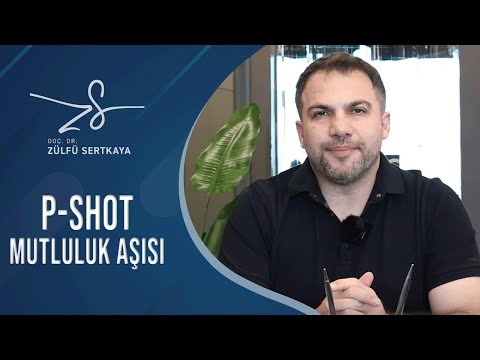
In this guide, based on the insights of urology expert Dr. Zülfü Sertkaya, we move beyond the stigma to explore the scientific classifications of premature ejaculation. By understanding the difference between lifelong and acquired types, as well as the revolutionary distinction between peripheral and central causes, patients can finally access targeted treatments that offer long-term solutions.
Video Chapters & Quick Navigation
The Modern Classification: Lifelong vs. Acquired PE
The first step in any successful medical intervention is accurate classification. In modern urology, we distinguish between patients who have always experienced rapid climax and those for whom it is a new development. This distinction is vital because the underlying triggers for each are often radically different.
Understanding Lifelong Premature Ejaculation
Lifelong premature ejaculation [00:36] refers to a condition that has been present since the very first sexual encounter. In these cases, the man has rarely, if ever, been able to delay ejaculation for more than a minute or two. Research suggests that lifelong PE often has a significant genetic or neurobiological component.
It is frequently linked to the levels of serotonin in the brain, which acts as a "braking system" for the ejaculatory reflex. When serotonin receptors are underactive or serotonin levels are low, the body reaches the point of climax far faster than is desired. For these patients, medical management is often the most effective route.
The Shift to Acquired PE
Conversely, acquired premature ejaculation [00:50] occurs in men who previously had satisfactory control. This change can be triggered by a variety of factors including prostatitis (inflammation of the prostate), thyroid dysfunction, or sudden psychological stressors like relationship changes or performance anxiety. Identifying the "trigger event" in acquired PE allows doctors to treat the root cause rather than just the symptom.
Peripheral vs. Central: The Breakthrough in Diagnosis
Dr. Sertkaya highlights a critical shift in how we view the physiology of climax [01:18]. Instead of just looking at the timing, specialists now look at *where* the signal is originating. This leads to the classification of Peripheral PE and Central PE.
The Mechanics of Peripheral PE
Peripheral premature ejaculation is primarily a matter of hardware—specifically, the sensitivity of the nerves in the penis and the glans. If the nerve endings are hypersensitive, even minimal stimulation sends an overwhelming signal to the brain, triggering the ejaculatory reflex prematurely. This is often described as "high sensitivity" and is a physical state rather than a mental one.
The Central Control Center
Central premature ejaculation [01:34] is rooted in the brain and the central nervous system. This involves the neurotransmitters, the psychological "reward" pathways, and the emotional response to intimacy. Men with central PE may have normal physical sensitivity, but their brain's ability to regulate the arousal levels and delay the climax signal is compromised.
Managing Physical Sensitivity: Peripheral PE Treatments
When the problem is peripheral, the goal of treatment is to "turn down the volume" of the sensations being sent from the penis to the brain. This is where surgical and procedural advancements have made the most significant impact [01:58].
Cryoablation and Neurectomy
These are specialized procedures designed to selectively target the overactive nerves. Cryoablation uses extreme cold to temporarily stun the nerves, while a selective dorsal neurectomy involves micro-surgery to reduce the number of nerve fibers responsible for hypersensitivity. These treatments are highly effective for men who find that topical numbing creams work, but who want a more permanent and less messy solution.
Glans Penis Fillers
An innovative approach to peripheral PE is the use of hyaluronic acid fillers in the glans (the head of the penis). By adding a thin layer of filler beneath the skin, the physical distance between the nerve endings and external stimulation is slightly increased. This acts as a biological "buffer," reducing hypersensitivity and allowing for significantly longer duration during intercourse.
The Role of the Brain: Central PE and Psychological Factors
When the diagnosis points toward central factors [02:08], the approach shifts toward neurochemistry and behavioral therapy. The brain is the ultimate conductor of the sexual experience, and if it is under stress, the results will manifest physically.
Medication Management
Pharmacological treatments like SSRIs (Selective Serotonin Reuptake Inhibitors) are frequently used to treat central PE. These medications increase the availability of serotonin in the synaptic clefts of the brain, which effectively delays the ejaculatory reflex. Additionally, anxiolytics may be prescribed if the primary driver is acute performance anxiety, helping to calm the sympathetic nervous system during intimacy.
Sexual Therapy and Behavioral Conditioning
Behavioral therapy remains a cornerstone of central PE treatment. Techniques such as the "stop-start" method or the "squeeze technique" help train the brain to recognize the "point of no return" and improve the man's conscious control over his arousal levels. When combined with professional counseling to address underlying trauma or relationship dynamics, these methods provide lasting results.
Advanced Diagnostics: Utilizing the Sensuometer
Precision medicine requires precision tools. One of the most important developments in urology is the use of the Sensuometer [02:50]. This device allows doctors to objectively measure the vibration and pressure sensitivity of the penile tissue.
Instead of relying purely on a patient's subjective report of "feeling sensitive," the Sensuometer provides a data-driven map of the patient's sensory thresholds. This is a game-changer because it confirms whether a patient truly has peripheral hypersensitivity (requiring physical intervention) or if their thresholds are normal (suggesting a central or psychological cause).
The Power of Integrated Treatment Plans
The most important takeaway from Dr. Sertkaya’s research is that premature ejaculation is rarely "just" one thing [03:22]. For many men, a peripheral physical sensitivity eventually creates a central psychological anxiety. This "vicious cycle" means that treating only the nerves or only the mind often leads to incomplete results.
An integrated approach might involve:
- Combined Surgery and Therapy: Performing a neurectomy to reduce physical sensitivity while simultaneously engaging in sexual therapy to break the habit of performance anxiety.
- Medication and Fillers: Using fillers to manage the glans' sensitivity while utilizing low-dose SSRIs to stabilize the brain's "braking" neurotransmitters.
- Comprehensive Follow-up: Regular diagnostic check-ins using feedback methods to ensure the patient is gaining confidence and control over time.
By tailoring the treatment to the specific "overlap" between central and peripheral factors, urologists can now achieve success rates that were previously impossible. The goal is not just to "last longer," but to remove the fear and frustration from the bedroom, allowing men to enjoy intimacy as a source of connection rather than a source of stress.
Ready to Restore Your Confidence?
PlacidWay Medical Tourism connects you with top-rated urology and aesthetics clinics, offering world-class treatments for premature ejaculation at unbeatable prices. Let us handle the details while you focus on your health and well-being.
GET A FREE QUOTE

























Share this listing