
Surgical Orthopedic Nerve Rehabilitation Program in China at Guangzhou Cihua Hospital
As individuals age, the intersection of orthopedic wear and tear and complex neurological signaling can lead to debilitating mobility challenges. For elderly patients suffering from severe joint degradation, muscular weakness, and nerve-related movement disorders, everyday actions like rising from a wheelchair become monumental hurdles. Traditional physical therapy and standard localized treatments sometimes fall short of addressing the deeper structural and neurological components required for meaningful recovery. This quest for advanced medical solutions leads many international patients to seek specialized centers abroad, such as Guangzhou Cihua Hospital in Guangzhou, China, known for pioneering integrative healing pathways.
At the forefront of modern medical tourism, specialized institutions combine advanced regenerative and rehabilitative disciplines to restore patient independence. In this detailed patient testimonial, we examine the remarkable journey of an elderly patient who transitioned from chronic pain and complete reliance on upper-body strength to achieving independent lower-limb movement and restored flexion. By implementing a customized Surgical Orthopedic Nerve Rehabilitation Program in Guangzhou China, medical teams at Guangzhou Cihua Hospital demonstrate how targeted interventions can transform lives, offering new hope for individuals seeking specialized orthopedic care in China and comprehensive nerve rehabilitation in China.
Video Chapters & Quick Navigation
Understanding Severe Lower Limb and Joint Deterioration in Seniors
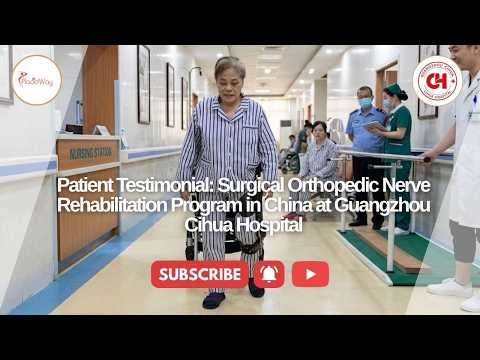
When chronic musculoskeletal degeneration sets in, patients often face a downward spiral of declining physical activity and escalating discomfort. Joint stiffness combined with compromised neuromuscular signaling creates an environment where simple motor tasks become excruciatingly difficult. Before undergoing a structured treatment regimen, the elderly patient featured in this case study experienced severe limitations in her lower limbs, lacking basic muscular strength and suffering from intense, unyielding pain.
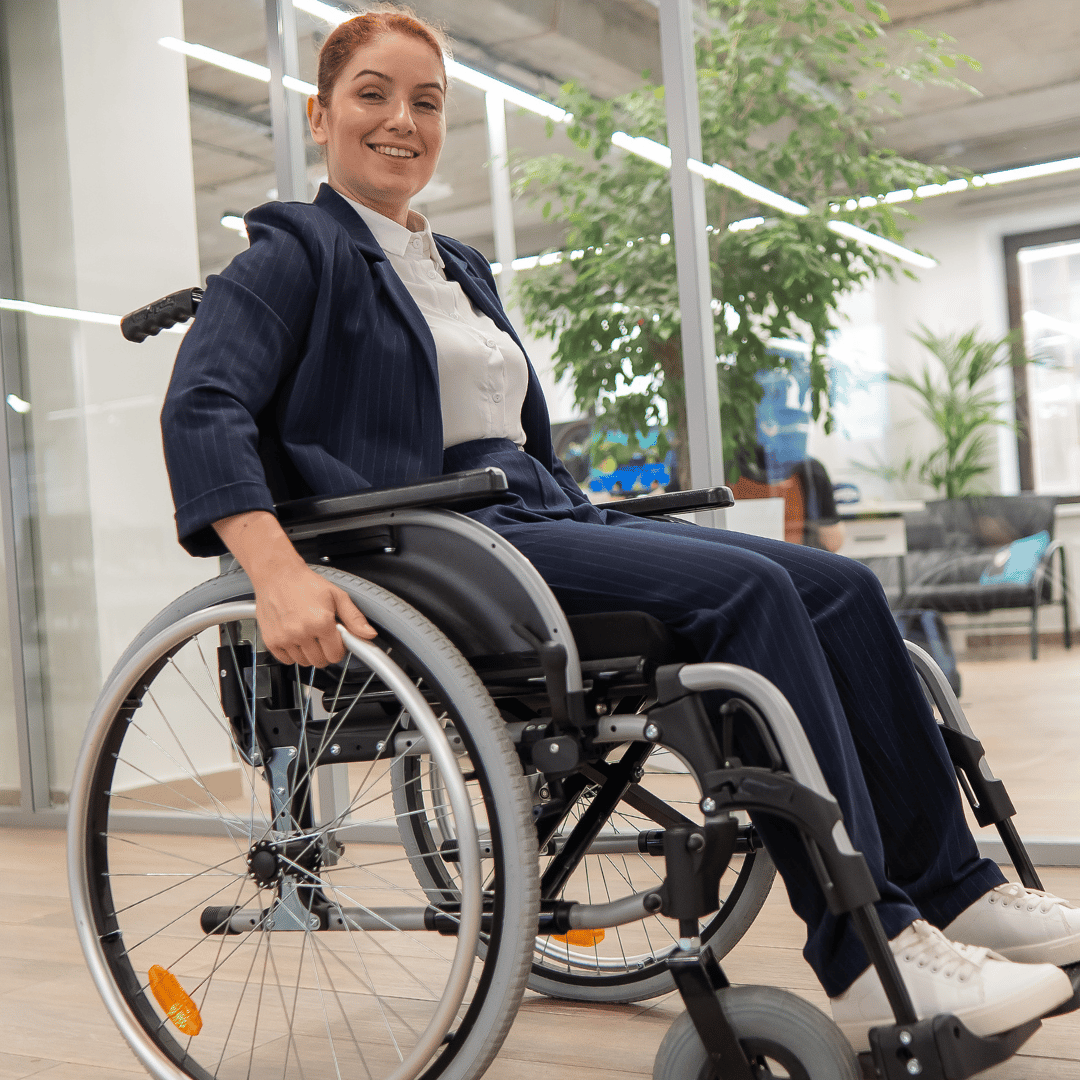
As documented in the patient's evaluation at [00:00], the initial clinical presentation highlighted profound physical distress. The patient struggled immensely just to rise from a wheelchair, underscoring how severely her quality of life had deteriorated. In geriatric care, preserving independent lower limb function is critical; once mobility is lost, secondary health complications—ranging from muscle atrophy to cardiovascular decline—can quickly manifest. Addressing these complex cases requires advanced medical methodologies that look beyond conventional physical therapy.
The Daily Agony of Impaired Leg Flexion and Extension
The mechanics of sitting and standing involve a delicate coordination between skeletal muscles, joints, and peripheral nerves. When nerve pathways fail to transmit signals efficiently or when structural joint damage causes extreme stiffness, normal physiological movement ceases. For this patient, attempting to sit back down into a wheelchair exposed deep functional deficits in her lower extremities.
As captured at [00:13], her stiff legs completely failed to achieve normal flexion and extension cycles. Because she lacked smooth control over her lower limbs, she was forced to rely excessively on her upper body strength for support. The process of sitting down was slow, painful, and required tremendous physical and emotional effort, turning a routine movement into an ordeal. This clinical reality highlights the vital need for comprehensive medical programs that target the underlying root causes of motor dysfunction.
Implementing a Specialized Surgical Orthopedic Nerve Rehabilitation Program
To overcome severe, entrenched mobility impairments, standard palliative care or generalized physical therapy is frequently insufficient. Patients require multidisciplinary clinical interventions designed to repair damaged structural tissues while simultaneously enhancing neurological signaling. This is where advanced medical centers excel through customized therapeutic protocols.
Following comprehensive clinical assessments, the medical team initiated a specialized recovery protocol. As noted at [00:35], after continuous intervention with our personalized non-surgical and surgical orthopedic nerve rehabilitation frameworks, the patient began showing signs of biological and functional recovery. This multi-pronged strategy integrates orthopedic stabilization techniques with rigorous nerve stimulation and physical reconditioning, ensuring that both structural and neural elements are fully supported throughout the healing continuum.
A Life Restored: Evaluating Post-Treatment Physical Breakthroughs
The transformation resulting from specialized clinical intervention can be nothing short of extraordinary. For elderly patients who have spent months or years confined by pain and immobility, regaining independence marks a profound turning point in their personal lives and emotional well-being.
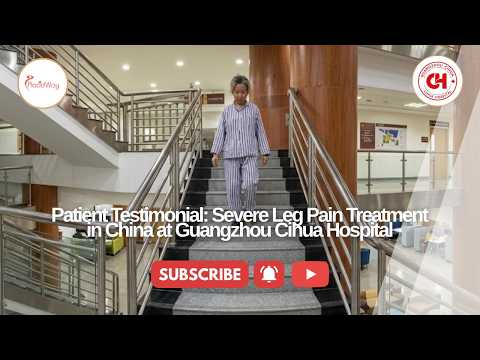
As demonstrated at [00:43], the patient achieved remarkable physical improvements following her therapy. She could now stand up from the wheelchair independently with effortless movement, completely free from the severe pain that had previously plagued her daily existence. Furthermore, the flexion and extension functions of her legs experienced extensive functional recovery, proving that targeted medical interventions can successfully reverse severe lower limb immobility and restore basic independent movement.
| Clinical Evaluation Metric | Before Treatment Status | Post-Intervention Outcome |
|---|---|---|
| Wheelchair Transitions | Severe pain; heavy reliance on upper-body strength. | Independent, smooth, and pain-free standing. |
| Lower Limb Flexion/Extension | Stiff legs failing normal range of motion. | Largely recovered mobility and joint flexibility. |
| Overall Independence | High dependence on caregivers and support devices. | Regained basic daily independent movements. |
Clinical Excellence at Guangzhou Cihua Hospital
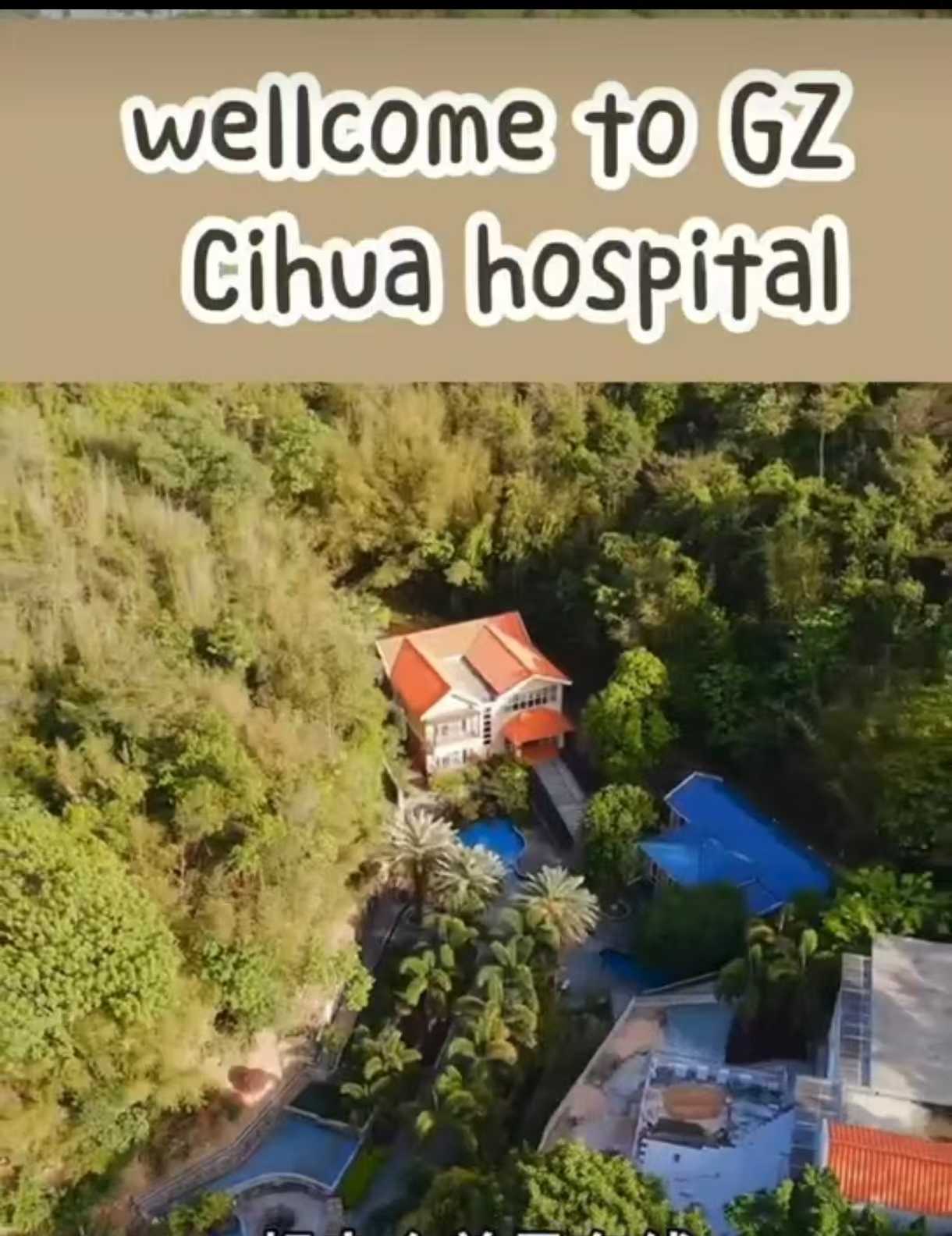
Achieving outcomes of this caliber requires an elite medical infrastructure, experienced surgical and neurological specialists, and a patient-centric philosophy. Guangzhou Cihua Hospital has established itself as a premier destination for domestic and international patients seeking advanced solutions for complex musculoskeletal and neurological disorders.
The facility integrates state-of-the-art diagnostic imaging, advanced surgical suites, and specialized rehabilitation wards under one roof. By coordinating multidisciplinary teams of orthopedic surgeons, neurologists, physical therapists, and pain management specialists, the hospital ensures that every patient receives a customized care plan tailored precisely to their unique anatomical and neurological profile. This meticulous attention to clinical detail is a primary reason why individuals travel across the globe to receive specialized orthopedic care in China.
The Crucial Role of Nerve Health in Orthopedic Recovery
A common oversight in traditional orthopedic medicine is treating joint degradation and bone friction in complete isolation from the nervous system. Joints and bones do not function in a vacuum; every muscular contraction, stabilization reflex, and movement pattern is dictated by intricate electrical and chemical signals traveling through peripheral and central nerve pathways.
When nerves become compressed, inflamed, or damaged due to chronic joint misalignment or degenerative disease, muscular control deteriorates rapidly. Comprehensive nerve rehabilitation focuses on restoring neural pathways, reducing localized nerve inflammation, and re-educating the brain-muscle axis. By addressing both the structural orthopedic damage and the accompanying neurological deficits, medical teams create an optimal physiological environment for permanent functional healing.
Advantages of a Structured Surgical Rehabilitation Framework
For patients facing advanced degenerative conditions, surgical intervention often serves as the essential cornerstone that halts further structural decline and corrects anatomical deformities. However, surgery alone is only part of the equation; the subsequent rehabilitation phase dictates the long-term success of the procedure.
Key Pillars of Advanced Rehabilitation Protocols
- Precision Anatomical Realignment: Surgical correction of joint structures relieves direct mechanical pressure on adjacent nerves and soft tissues.
- Targeted Neuromuscular Re-education: Specialized therapeutic exercises stimulate dormant nerve pathways, improving signal transmission to weak muscles.
- Comprehensive Pain Modulation: Multi-modal pain management protocols reduce reliance on pharmaceutical interventions while enhancing patient comfort.
- Progressive Functional Conditioning: Graduated physical milestones ensure safe, sustainable restoration of independence and everyday motor skills.
The Future of Global Medical Tourism and Specialized Care
As medical technologies advance and international healthcare standards harmonize, the landscape of global medical tourism continues to evolve rapidly. Patients no longer need to accept chronic pain and physical decline as inevitable consequences of aging or severe injury. Access to world-class medical hubs in Asia has opened doors to innovative therapies that were once considered experimental or out of reach.
Stories like that of this elderly patient serve as powerful beacons of hope for families navigating similar medical challenges. Through continuous dedication to research, clinical innovation, and compassionate patient care, institutions in Guangzhou continue to set new benchmarks for medical excellence. For anyone exploring advanced treatment pathways, understanding the profound benefits of integrated surgical and neurological care represents the first vital step toward reclaiming a vibrant, independent life.
Ready to Explore Advanced Orthopedic and Nerve Care?
PlacidWay Medical Tourism connects you with top-rated orthopedic rehab clinics for Surgical Rehabilitation Program in China, offering life-changing treatments at Guangzhou Cihua Hospital and other world-class facilities. Let us help you navigate your journey to recovery.
GET A FREE QUOTEView Full Video Transcript
[00:00:00] Before treatment, the elderly patient struggled to rise from the wheelchair in pain. Her legs had no strength and she suffered severe pain.
[00:00:13] When she tried to sit back into the wheelchair, her stiff legs still failed to achieve normal flexion and extension.
[00:00:20] She could not control her lower limbs smoothly and had to rely on her upper body for support. It took tremendous physical effort for her to sit down little by little slowly and painfully.
[00:00:35] After continuous intervention with our personalized non-surgical and surgical orthopedic nerve rehabilitation program, the elderly patient achieved remarkable physical improvements.
[00:00:43] She can now stand up from the wheelchair independently with effortless movement without suffering the severe pain she endured. The flexion and extension function of her legs has largely recovered.
[00:00:57] Her severely limited lower limb mobility has greatly improved and she regains basic independent movements.















Share this listing