
African Patient Journey: Leg Paralysis Rehabilitation in China
Navigating the complex aftermath of spinal or nerve trauma can be an overwhelming journey, particularly when initial surgical interventions fail to yield the desired functional recovery. For patients dealing with severe neurological deficits, bilateral limb paralysis, and loss of sensation, finding a specialized center capable of reversing long-standing damage is paramount. International medical travelers often look across borders for advanced neurological and orthopedic care, finding innovative solutions in institutions that seamlessly blend modern medical technology with time-tested traditional healing modalities.
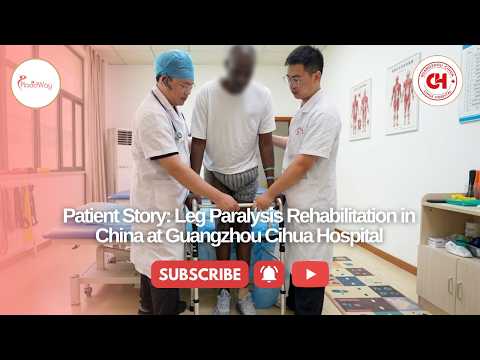
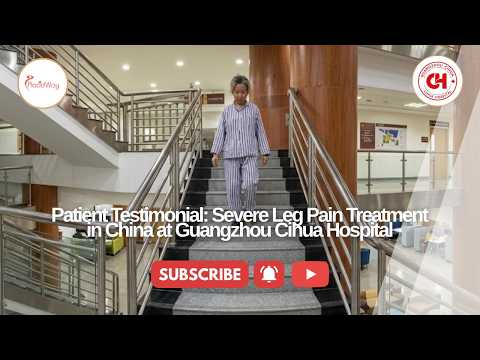
In this compelling patient story, we explore the extraordinary rehabilitation journey of an individual from Africa who experienced profound lower limb paralysis following a domestic surgery. Seeking specialized solutions abroad, he arrived at Guangzhou Cihua Hospital in Guangzhou, China, facing complete bilateral paralysis, loss of sensation, and incontinence. Through a mature four-stage nerve rehabilitation system, targeted acupuncture, meridian dredging, and continuous daily tracking, the medical team achieved remarkable functional breakthroughs in a matter of days. This case highlights the transformative impact of specialized medical programs and the pivotal role of comprehensive Leg Paralysis Rehabilitation in China for international patients seeking effective paralysis treatment in Guangzhou China, structured rehabilitation in China, targeted leg weakness treatment in China, and expert care at Guangzhou Cihua Hospital.
Video Chapters & Quick Navigation
Understanding Severe Bilateral Paralysis and Post-Surgical Complications
When nerve injuries or complex spinal conditions lead to paralysis, the physical and psychological toll on the patient is immense. Conventional surgical procedures in local regions sometimes fail to achieve complete neural restoration due to limitations in specialized postoperative infrastructure or advanced rehabilitative therapies. Consequently, patients are left with chronic sensory loss, impaired motor control, and debilitating secondary symptoms such as incontinence.
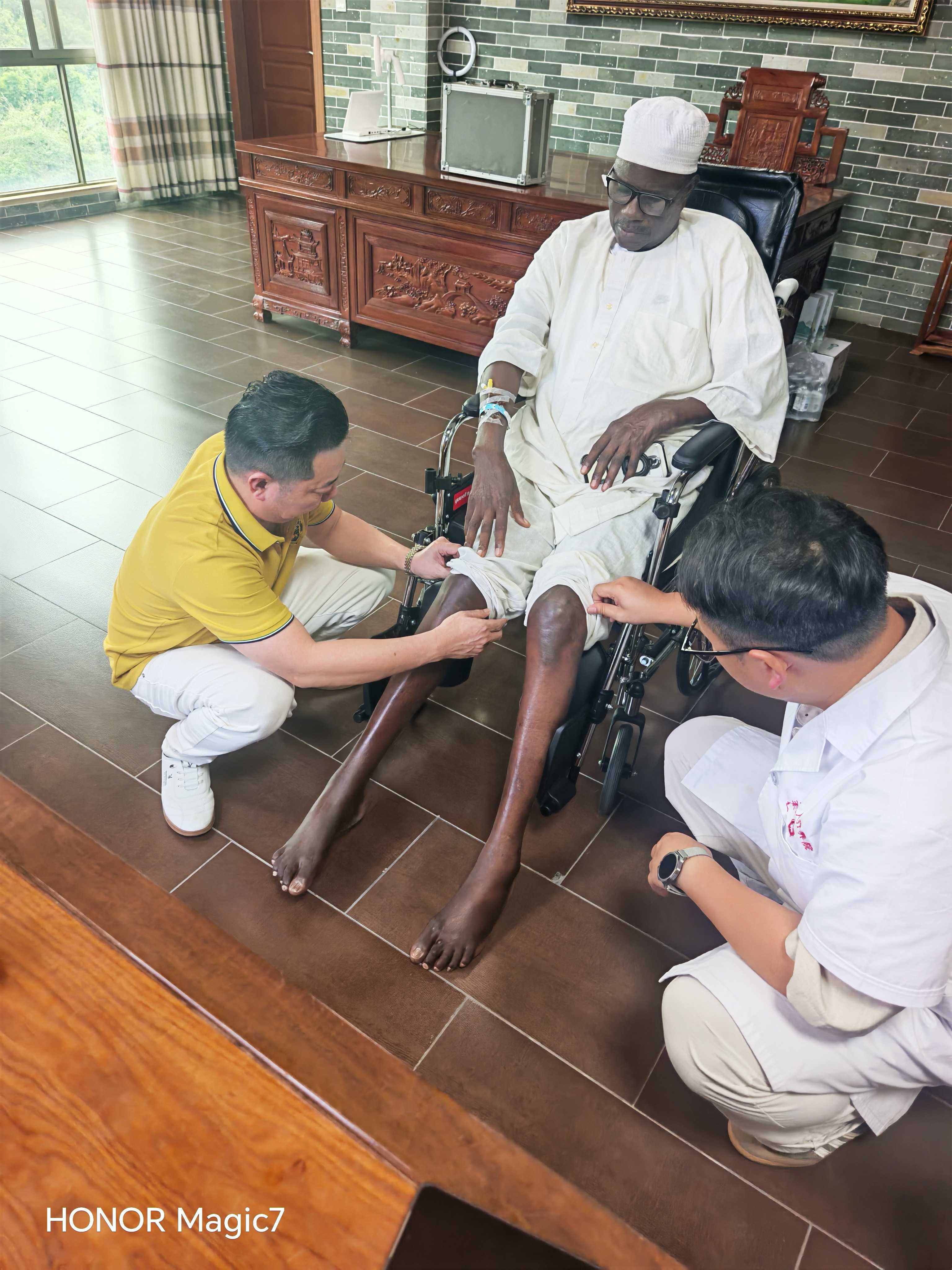
As documented in the clinical case review at [00:00], this patient presented with profound challenges following a prior surgical intervention in Africa that yielded poor results. Both of his legs were completely paralyzed, accompanied by a total lack of sensory feedback and severe autonomic complications. Faced with these daunting conditions, international medical travel became his vital pathway to recovery, guiding him to premier specialized facilities in China.
The Mature Four-Stage Nerve Rehabilitation System
Achieving meaningful recovery from complete lower limb paralysis requires a highly organized, systematic clinical framework rather than random physical exercises. At Guangzhou Cihua Hospital, medical specialists utilize a mature four-stage nerve rehabilitation system designed to target various levels of nerve injury systematically, ensuring that every phase of physiological healing is supported.
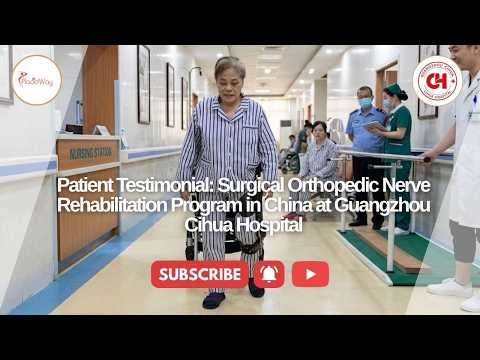
As highlighted at [00:16], the hospital provides professional rehabilitation environments tailored specifically to complex neurological cases. The multi-stage protocol integrates advanced diagnostic evaluations with customized therapeutic regimens, ensuring that structural repair, neural signal regeneration, and muscle re-education occur in a synergistic, structured sequence.
Combining Professional Muscle Activation and Traditional Therapies
One of the distinctive hallmarks of advanced rehabilitation in specialized Chinese medical centers is the harmonious integration of modern neuro-muscular science with traditional therapeutic modalities. When limbs remain paralyzed for extended periods, muscles undergo severe atrophy, meridians become blocked, and blood circulation becomes sluggish.
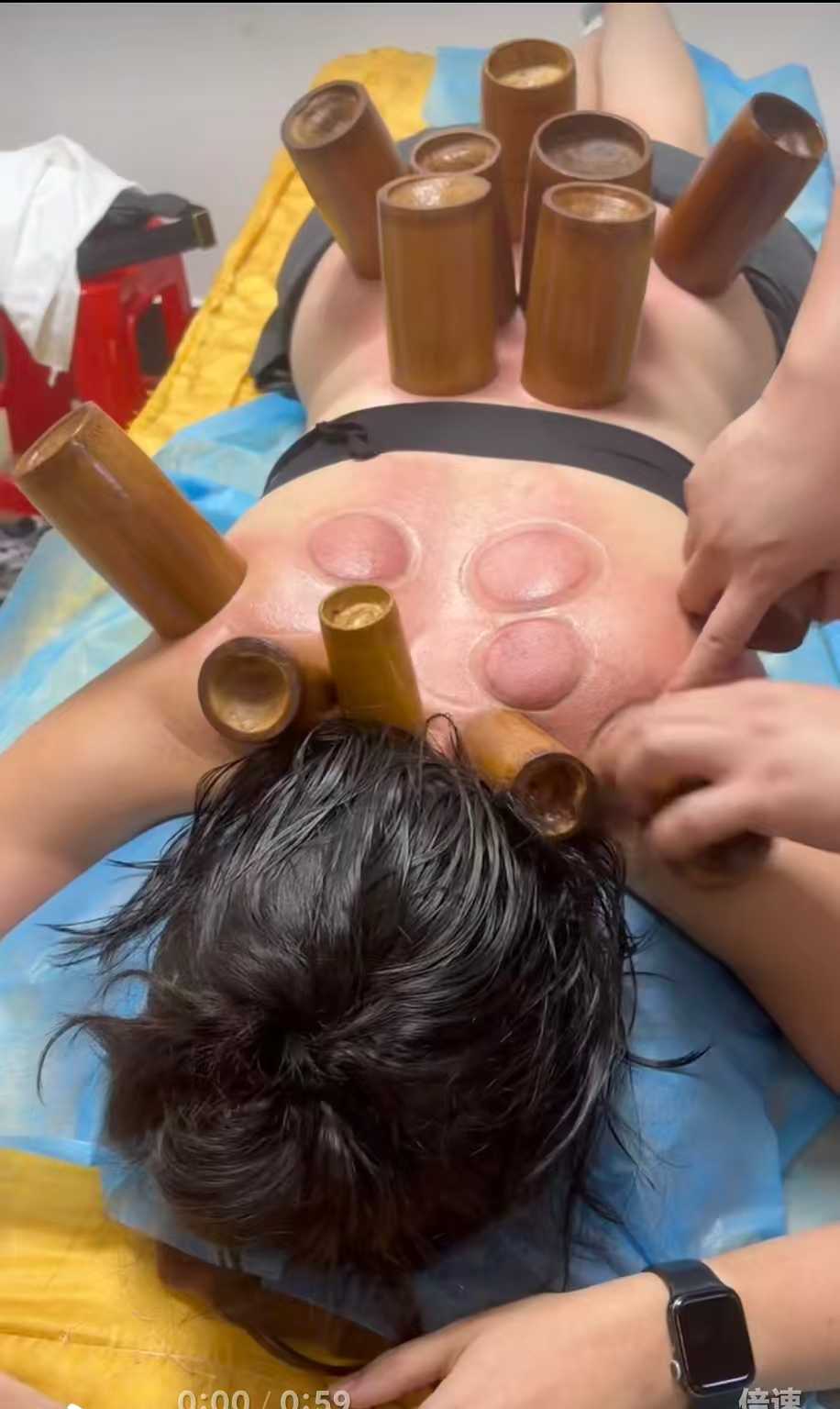
As outlined at [00:28], the clinical protocol incorporates professional muscle activation massage to dredge meridians and relax tight muscles. This physical manipulation is paired with specialized cupping therapy to improve localized blood circulation and relieve tissue stiffness. Furthermore, as detailed at [00:44], targeted acupuncture stimulates key nerve acupoints, actively repairing blood-nerve conduction channels, boosting nerve signal responses, and gradually restoring the sensory function of the lower legs.
Rapid Clinical Progress: Sensation Return on Day Two
In cases of severe neurological damage, early signs of responsiveness serve as crucial clinical indicators that dormant neural pathways are beginning to re-establish connection with the central nervous system. Witnessing early biological feedback provides both the medical team and the patient with renewed optimism.
As captured in the treatment timeline at [00:56], after just two days of intensive, specialized intervention, the patient's legs began to regain sensation and demonstrated active responses to external stimulation. This rapid turnaround underscores the potency of combining targeted neural stimulation with intensive multi-modal physical therapy during the initial phase of hospitalization.
Active Motor Control: Movement Recovery on Day Four
Following the return of basic sensory perception, the next critical hurdle in paralysis recovery is eliciting active motor movement from previously inactive muscle groups. Re-engaging the brain-muscle axis requires precise repetition, neuromuscular re-education, and continuous physical support.
As documented at [01:03], by the fourth day of treatment, the patient was able to move his legs actively as continuous nerve recovery took hold. The transition from complete flaccid paralysis to active voluntary movement marks a monumental milestone in the rehabilitation timeline, validating the effectiveness of the hospital's specialized care protocols.
Standing and Mobility Progress by Day Seven
As neurological signaling continues to strengthen, patients advance from isolated bed exercises to weight-bearing posture and assisted ambulation. This phase requires meticulous monitoring to ensure proper joint alignment and prevent secondary strain on recovering muscles.
As observed at [01:09], after only seven days of treatment, the previously paralyzed patient was able to stand and move his legs with professional assistance. The medical team's ongoing roadmap includes further improving incontinence issues and guiding the patient toward independent walking with crutches through daily progress tracking and continuous treatment adjustments.
| Treatment Milestone | Clinical Focus & Intervention | Observed Patient Outcome |
|---|---|---|
| Initial Evaluation | Comprehensive assessment of post-surgical paralysis. | Bilateral leg paralysis, zero sensation, incontinence. |
| Day 2 Milestone | Acupuncture, meridian dredging, massage. | Legs regained sensory perception and stimulus response. |
| Day 4 Milestone | Neuromuscular re-education and muscle activation. | Patient achieved active voluntary leg movement. |
| Day 7 Milestone | Weight-bearing posture and assisted mobility training. | Standing and moving with professional assistance. |
Clinical Excellence and International Support at Guangzhou Cihua Hospital
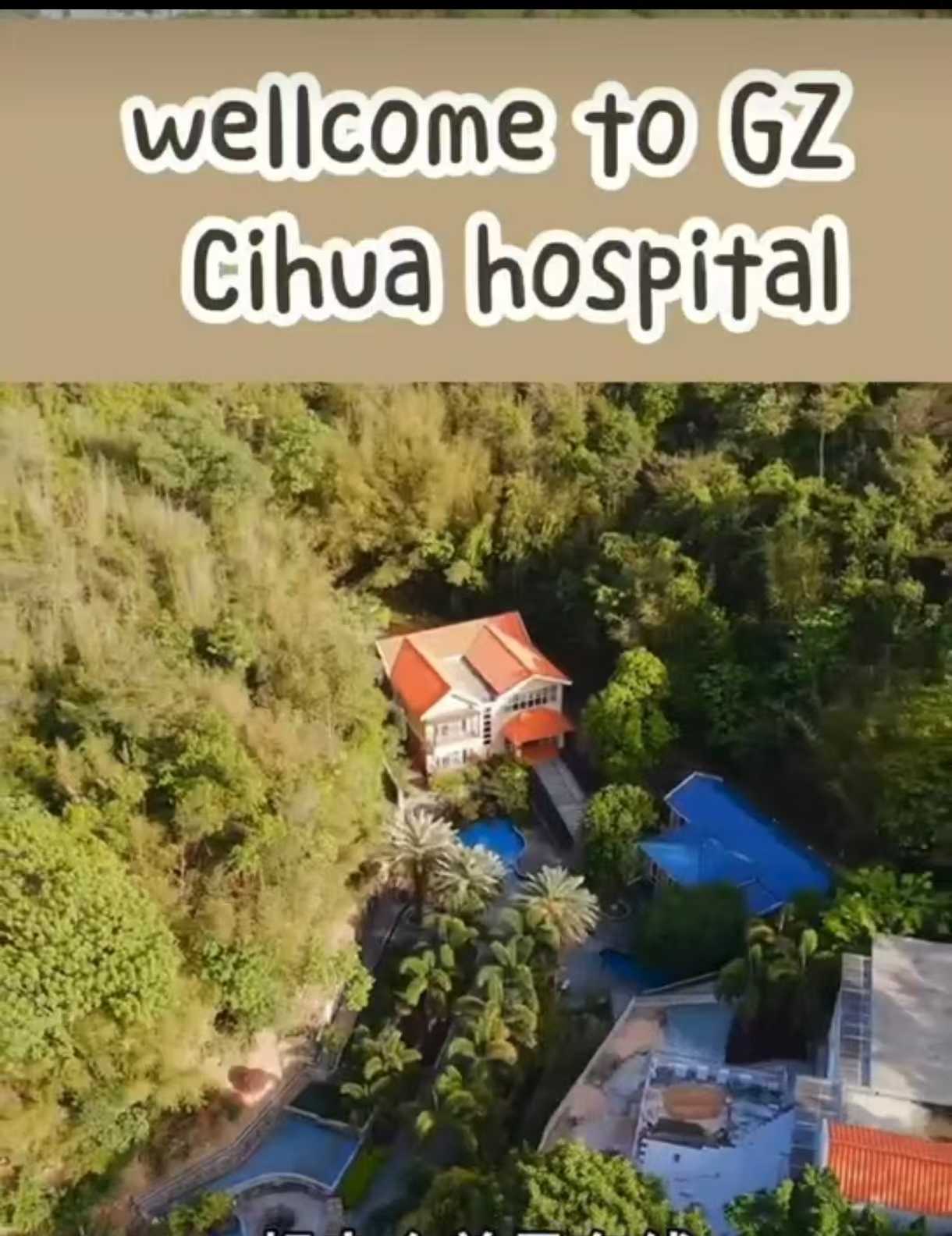
Rehabilitating complex neurological and spinal trauma requires a sophisticated medical institution equipped with advanced diagnostic tools, dedicated inpatient facilities, and multidisciplinary experts who understand the nuances of international patient care. Guangzhou Cihua Hospital has earned global recognition for its specialized clinical achievements.
By bringing together neurologists, orthopedic surgeons, traditional medicine practitioners, and specialized physical therapists under one roof, the hospital creates an immersive healing environment. Every patient's recovery trajectory is closely monitored on a daily basis, allowing clinical teams to dynamically fine-tune therapeutic interventions. This rigorous, patient-centric methodology explains why individuals from across Africa, the Middle East, and Western nations routinely travel to receive specialized neurological care in China.
The Transformative Power of Scientific Rehabilitation
For patients and families grappling with severe cervical conditions, lumbar degeneration, joint pain, or complete nerve paralysis, traditional prognoses can often feel discouraging. However, modern medical advancements prove that structured, scientific rehabilitation can unlock remarkable physiological potential even after prior surgical failures.
Core Pillars of Comprehensive Neurological Recovery
- Advanced Neural Stimulation: Targeted acupuncture and micro-current therapies reactivate dormant nerve conduction channels.
- Holistic Circulatory Enhancement: Meridian dredging, cupping, and deep tissue massage eliminate stiffness and boost oxygen delivery.
- Daily Progress Tracking: Continuous daily assessments ensure rapid adaptation of treatment protocols to maximize functional gains.
- Long-Term Independence Planning: Graduated physical milestones prepare patients for unassisted ambulation and an improved quality of life.
As demonstrated in this remarkable patient story from Africa, standard evidence-based treatment brings genuine hope for recovery where none seemed possible before. By embracing innovative multidisciplinary care, patients overcoming severe paralysis can look forward to restored dignity, enhanced mobility, and a brighter future.
Ready to Explore Advanced Neurological Rehabilitation Options?
PlacidWay Medical Tourism connects international patients with leading medical centers in China, offering life-changing Paralysis Treatment in Guangzhou China and specialized nerve rehabilitation at Guangzhou Cihua Hospital. Let us guide your personal path to recovery.
GET A FREE QUOTEView Full Video Transcript
[00:00:00] This is a real case of nerve rehabilitation after surgery. The patient is paralyzed in both legs, has no sensation and also suffers from incontinence. He had surgery in Africa but the results were really poor.
[00:00:14] Finally, he came to our hospital for rehabilitation. We provide professional rehabilitation environments. We have a mature four stage nerve rehabilitation system for personalized treatment of various nerve injuries with professional muscle activation massage.
[00:00:30] We dredge meridians, relax tight muscles, gradually weaken damage lower limb nerves and muscles and rebuild limb sensory signals. Cupping therapy improves blood circulation and relieves stiffness.
[00:00:44] Targeted acupuncture stimulates key nerve acupoint, repairs blood nerve conduction channels, boosts nerve signal response and gradually restores sensory function of the lower leg.
[00:00:56] After two days of treatment, his legs regain sensation and responded to stimulation.
[00:00:03] On the fourth day, he could move his legs actively with continuous nerve recovery.
[00:01:09] After 7 days of treatment, the paralyzed patient can stand and move his legs with assistance. We will further improve in continent and help him walk independently with crutches.
[00:01:21] We keep tracking his recovery progress every single day and adjust treatment plans carefully to restore his nerve function step by step for better long-term rehabilitation and quality of life.
[00:01:35] Cervical and lumbar diseases, joint pain and nerve paralysis can be improved by scientific rehabilitation.
[00:01:42] Standard treatment brings hope for recovery.














Share this listing