
Chinese Patient Experience: Severe Leg Pain Treatment in China
Chronic lower limb discomfort and debilitating joint degeneration present profound challenges for aging populations worldwide. When basic daily actions—such as descending a flight of stairs or walking short distances—turn into agonizing ordeals, an individual's personal independence and overall quality of life rapidly diminish. Conventional medical approaches often rely heavily on long-term pharmaceutical management or invasive joint replacements, which may not always address the underlying neurological and orthopedic root causes of persistent distress. For patients seeking holistic and advanced interventions, international medical tourism offers access to world-class clinical environments dedicated to orthopedic rehabilitation and restorative care.
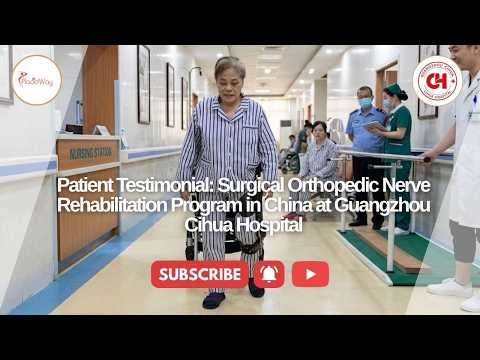
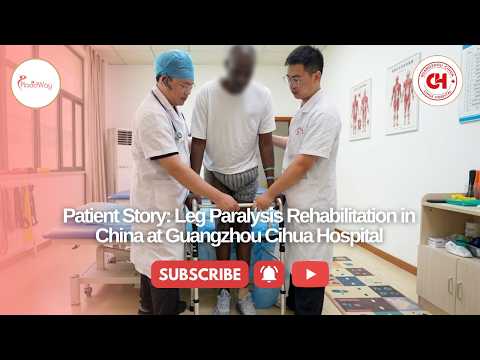
At Guangzhou Cihua Hospital in Guangzhou, China, specialized medical teams have pioneered advanced restorative protocols designed to tackle deep-seated musculoskeletal and neurological challenges. In this detailed patient testimonial, we explore the extraordinary recovery journey of an elderly lady who transitioned from severe mobility restriction and agonizing joint pain to navigating stairs independently with smooth, coordinated movements. Through targeted therapeutic protocols, Guangzhou Cihua Hospital demonstrates the profound efficacy of Non-Surgical Leg Pain Treatment in Guangzhou China, offering renewed hope for patients seeking comprehensive orthopedic care in Guangzhou.
Video Chapters & Quick Navigation
Understanding the Burden of Chronic Lower Limb Degeneration
As individuals advance in age, the cumulative wear and tear on skeletal structures frequently manifests as chronic lower extremity discomfort. Joint cartilage thinning, ligament laxity, and localized inflammation combine to create a hostile internal environment for smooth articulation. When these structural failures begin to compress or irritate adjacent peripheral nerve bundles, patients experience a complex syndrome of mechanical stiffness and radiating neurological pain.
Prior to seeking specialized international medical support, the elderly lady featured in this case study experienced severe physical limitations. As documented in the clinical evaluation at , her condition was so advanced that she required constant personal assistance just to manage basic ambulatory tasks. In geriatric care, losing the ability to move independently creates a cascading decline in psychological well-being and physical health, making prompt, effective intervention essential.
The Agony of Descending Stairs Under Severe Distress
Navigating stairs is widely recognized by physiotherapists as one of the most rigorous functional tests for lower limb strength, joint stability, and neuromuscular coordination. When descending, the quadriceps and knee joints must absorb forces several times the body's total weight while maintaining precise balance.
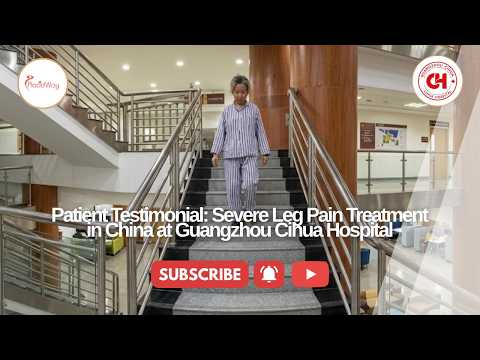
As captured at , the patient struggled downstairs with severe leg pain, highlighting the immense physical barrier that structural joint degradation imposes on daily routines. Every step forward was met with sharp discomfort, restricting her freedom and turning her home environment into a series of physical obstacles. This clinical reality underscores why patients seek advanced medical interventions that go beyond temporary pain relief.
Implementing Targeted Non-Surgical Orthopedic Nerve Rehabilitation
Traditional orthopedic management often relies on palliative measures that mask symptoms rather than restoring physiological function. In contrast, advanced orthopedic rehabilitation and restorative programs focus on repairing damaged tissues, reducing chronic inflammation, and re-educating neural pathways to restore harmonious movement.
Following comprehensive clinical diagnostics, the medical team initiated a specialized recovery plan. As noted at , after our non-surgical orthopedic nerve rehabilitation protocol, the patient demonstrated a dramatic turnaround. This multi-faceted treatment framework combines specialized physical reconditioning, micro-vascular stimulation, and targeted neural restoration techniques to revitalize both the skeletal joints and the nervous system.
Achieving Safe, Independent, and Coordinated Upward Mobility
The true measure of a successful rehabilitation program lies in the patient's restored functional capacity in real-world scenarios. Regaining the confidence and physical ability to ascend and descend stairs without assistance represents a monumental milestone in senior healthcare.
As demonstrated at , following her customized therapy sessions, the patient can now safely walk upstairs independently with smooth, highly coordinated leg movements. The hesitation and physical agony that previously defined her daily life have been replaced by fluid, effortless motion, proving that targeted non-surgical interventions can successfully reverse severe functional decline.
| Mobility Metric | Pre-Treatment Condition | Post-Rehabilitation Result |
|---|---|---|
| Stair Descent | Required assistance; severe pain with every step. | Walks downstairs independently on her own. |
| Stair Ascent | Immobile or heavily restricted; high pain levels. | Safely walks upstairs with smooth coordination. |
| Pain Status | Long-standing joint and nerve discomfort. | Disappeared completely; pain-free daily living. |
Complete Elimination of Long-Standing Joint and Nerve Pain
Chronic pain is not merely a physical sensation; it is a debilitating condition that erodes psychological resilience and restricts social engagement. For years, aging individuals often accept persistent aching as an unavoidable part of aging, failing to realize that modern medical advancements can successfully eliminate chronic discomfort.
As highlighted at , the patient regained the ability to walk downstairs entirely on her own. Crucially, as noted at , her long-standing joint and nerve pain disappeared completely. This total resolution of symptoms underscores the profound effectiveness of short-term standardized rehabilitation programs in liberating patients from chronic suffering.
Clinical Excellence at Guangzhou Cihua Hospital
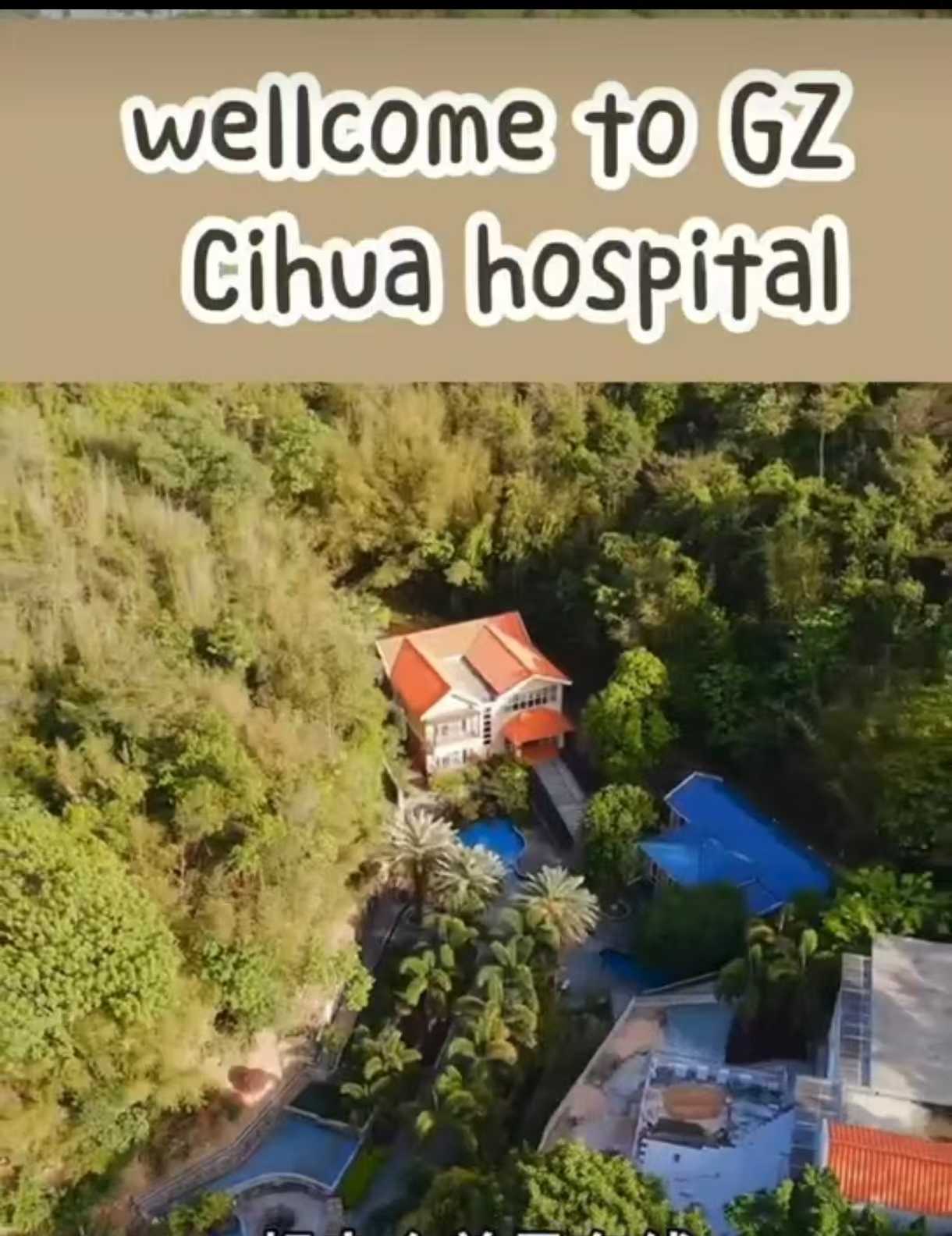
Achieving transformative medical outcomes requires an exceptional healthcare infrastructure, experienced clinical specialists, and a deeply compassionate patient-care philosophy. Guangzhou Cihua Hospital has earned an outstanding reputation as a premier destination for individuals seeking advanced musculoskeletal and neurological treatments.
The institution features cutting-edge diagnostic equipment, state-of-the-art therapeutic technology, and dedicated rehabilitation departments. By uniting multidisciplinary teams of orthopedic surgeons, neurologists, physical therapists, and pain management specialists, the hospital ensures that every patient receives a personalized treatment regimen designed to maximize recovery potential. This unwavering commitment to clinical excellence explains why patients travel from across the globe to experience specialized medical care in China.
The Synergy of Orthopedic and Neurological Rehabilitation
A fundamental limitation in conventional healthcare is the tendency to treat joint degeneration and nerve dysfunction as entirely separate medical issues. In reality, the musculoskeletal and nervous systems operate in a continuous, bidirectional feedback loop. Damaged joints generate inflammatory cytokines that irritate nearby nerves, while compromised nerve signaling leads to improper muscle activation and accelerated joint wear.
Core Advantages of Integrated Non-Surgical Protocols
- Holistic Tissue Restoration: Stimulates natural recovery responses in cartilage, ligaments, and surrounding soft tissues without invasive surgery.
- Neural Pathway Restoration: Targets compressed or inflamed nerve bundles to normalize electrical signaling between the brain and lower limbs.
- Enhanced Motor Coordination: Re-educates muscle memory and balance reflexes, enabling smooth, effortless physical movement.
- Sustainable Pain-Free Living: Eliminates long-standing discomfort at its root, freeing patients from lifelong pharmaceutical dependency.
Embracing Advanced Medical Tourism for Lasting Mobility
As international healthcare boundaries continue to expand, patients are increasingly empowered to seek out specialized treatments that offer superior clinical results. Living with chronic joint and nerve pain is no longer an unavoidable reality of aging. Access to innovative non-surgical rehabilitation centers provides a viable, highly effective alternative to invasive procedures and long-term medication.
Stories like this elderly lady's remarkable recovery serve as powerful inspiration for anyone struggling with mobility limitations. Through short-term standardized interventions, patients can regain their independence, eliminate chronic pain, and rediscover the joy of active living. Exploring these specialized global healthcare options represents a transformative step toward a vibrant and active future.
Ready to Overcome Lower Limb Pain and Restore Your Mobility?
PlacidWay Medical Tourism connects patients with specialized orthopedic clinics for Severe Leg Pain Treatment in Guangzhou China, including Guangzhou Cihua Hospital. Let our expert advisors guide your journey toward pain-free independence.
GET A FREE QUOTEView Full Video Transcript
Before treatment, the elderly lady needed help. She struggled downstairs with severe leg pain.
After our non-surgical orthopedic nerve rehabilitation, she can safely walk upstairs independently with smooth, coordinated leg movements.
Now she can walk downstairs on her own. Her long-standing joint and nerve pain has disappeared completely.
With short-term standardized non-surgical nerve rehabilitation, the patient regains mobility and gets free from long-term joint and nerve pain.















Share this listing