
Liver Transplant in Saudi Arabia for Liver Cirrhosis Success Story at KFSHRC
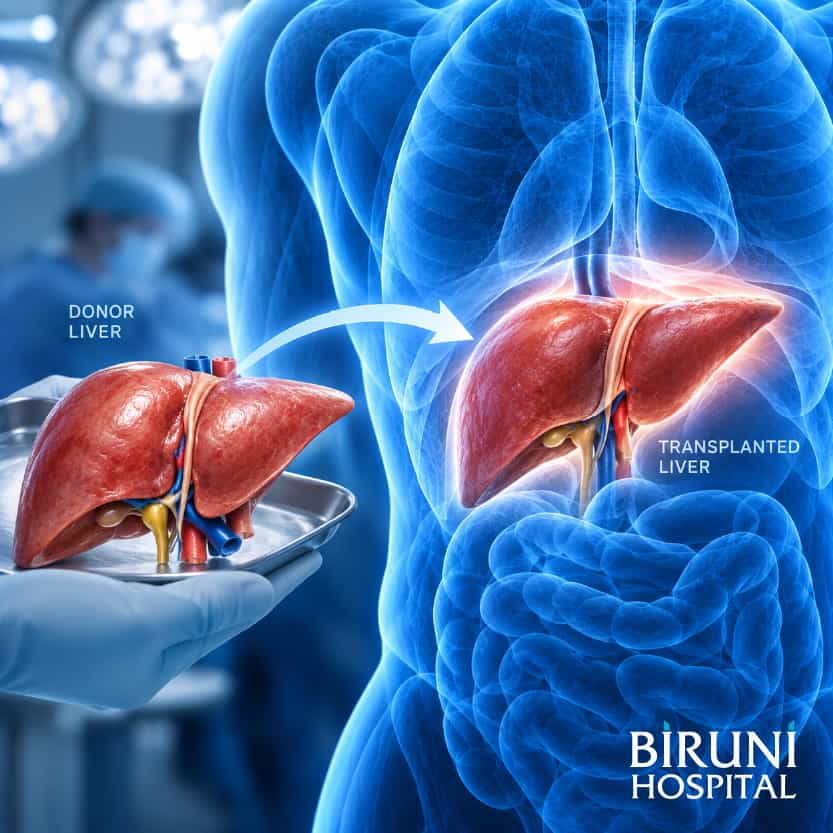
Facing advanced liver disease is one of the most formidable health challenges a patient can encounter, often requiring complex multidisciplinary interventions and state-of-the-art surgical excellence. When medical management reaches its limits, organ transplantation represents the pinnacle of modern surgical achievement, demanding seamless coordination across multiple specialized clinical departments. The remarkable journey of individuals undergoing major hepatobiliary interventions underscores the profound impact of advanced medical infrastructure on patient survival and long-term wellness.
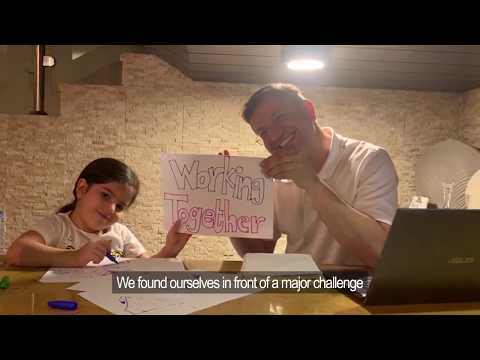
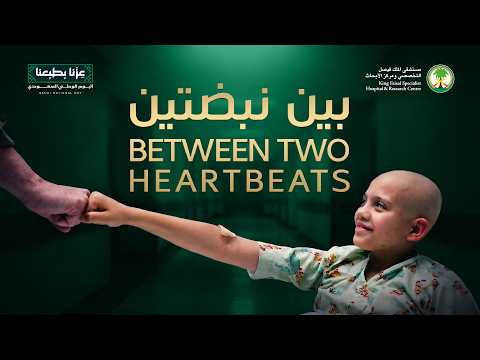
In this detailed patient testimonial and clinical overview, we explore the extraordinary narrative of medical progress and surgical precision captured at King Faisal Specialist Hospital and Research Centre in Riyadh, Saudi Arabia. Through comprehensive Liver Transplant in Saudi Arabia, expert hepatobiliary care, and living donor programs, patients suffering from chronic hepatic conditions receive a renewed lease on life. This narrative highlights the triumphs of specialized hepatic care, the exceptional standards maintained at KFSHRC, and the emotional resilience woven into the Rafea Hadchan medical journey.
Video Chapters & Quick Navigation
- The Pinnacle of Organ Transplantation
- Specialized Clinical Steps & Integration
- Living Donor Dedication & Family Support
- Cultural & Religious Motivations for Giving
- Overcoming Resistance to Medical Innovation
- Institutional Excellence at KFSHRC
- Comprehensive Hepatic Care Frameworks
- Future Outlook & Patient Recovery
The Pinnacle of Complex Organ Transplantation
Achieving successful outcomes in major surgical procedures requires navigating stringent clinical criteria and multi-stage evaluations. Organ transplantation stands at the apex of modern medicine because it demands absolute precision, exhaustive preoperative screening, and flawless execution across diverse clinical disciplines.
As highlighted in the expert discussion at [01:06], a transplant procedure is regarded as the ultimate peak of medical achievement. To reach this stage, patients must successfully clear rigorous medical evaluations and clinical protocols across multiple specialties before undergoing the intricate process of removing a failing organ and successfully implanting a healthy replacement.
Specialized Clinical Steps and Departmental Integration
The complexity of replacing vital visceral organs involves intricate coordination between surgical teams, anesthesiologists, immunologists, and critical care specialists. Every organ functions as a distinct biological system, making personalized surgical strategies essential for ensuring long-term graft survival and patient recovery.
As noted at [01:27], each transplanted organ tells a unique clinical story and is absolutely vital for sustaining human life. The meticulous work performed behind the scenes ensures that biological integration succeeds, transforming hopeless prognoses into stories of triumphant recovery.
Living Donor Dedication and Family Support Networks
A defining characteristic of advanced hepatobiliary surgery is the reliance on living donors, where compassionate family members voluntarily step forward to offer a portion of their liver or a kidney to save their loved ones. This profound selflessness forms the ethical and emotional bedrock of successful transplantation programs worldwide.
As discussed at [01:33], working with living donors creates a deeply moving dynamic of familial sacrifice. When addressing severe hepatic conditions such as advanced Liver Cirrhosis Treatment in Saudi Arabia, the availability of committed family donors significantly enhances clinical feasibility and accelerates patient healing.
Core Pillars of Living Donor Transplantation Programs
- Comprehensive medical and psychological evaluation of prospective donors.
- Strict adherence to ethical guidelines ensuring voluntary, unpressured participation.
- Advanced surgical techniques designed to minimize donor recovery time and surgical risks.
- Rigorous postoperative monitoring to safeguard long-term donor health and organ function.
- Specialized psychological counseling and support networks for families throughout the process.
Cultural and Religious Motivations for Altruism
Societal values, religious teachings, and cultural traditions play a powerful role in shaping public attitudes toward organ donation. In many societies, spiritual principles reinforce the supreme value of saving a human life and engaging in acts of profound charity.
As observed at [01:43], religious tenets, particularly Islamic teachings, actively encourage benevolent actions and good deeds. Furthermore, cultural frameworks within Arab communities emphasize filial piety and the intrinsic desire to honor and support parents, fostering a supportive environment where donation is viewed as a natural expression of love and duty rather than an obligation.
Overcoming Resistance to Medical Innovation
Introducing groundbreaking medical technologies often encounters initial skepticism from patients and families who question the safety and feasibility of novel treatments. Overcoming this psychological resistance requires transparent communication, proven clinical success, and visionary institutional leadership.
As reflected at [02:09], medical professionals acknowledge that initial fears regarding safety and viability are entirely natural when confronting advanced procedures. However, pioneering initiatives spearheaded by institutions specializing in Liver Transplantation in Saudi Arabia continually demonstrate that science and clinical progress consistently deliver life-saving results.
Key Factors Driving Public Trust in Advanced Surgery
- Transparent patient education detailing procedural safety and expected outcomes.
- Documented clinical success rates comparable to leading global medical centers.
- Compassionate preoperative counseling addressing family anxieties and misconceptions.
- Visible testimonies from successfully treated patients sharing their recovery stories.
- Continuous investment in advanced surgical training and cutting-edge medical equipment.
Institutional Excellence at KFSHRC
Delivering world-class healthcare outcomes for complex organ failures requires an elite medical institution equipped with specialized surgical suites, advanced diagnostic laboratories, and dedicated multidisciplinary care teams. KFSHRC, King Faisal Specialist Hospital and Research Centre stands as a premier tertiary care and research powerhouse in the Middle East.
The hospital is internationally recognized for its pioneering contributions to transplantation medicine, clinical research, and specialized patient care. By integrating cutting-edge medical technology with highly skilled international specialists, King Faisal Specialist Hospital and Research Centre ensures that patients receive personalized, comprehensive treatment protocols tailored to their exact clinical needs, reinforcing its reputation as a global leader in healthcare innovation.
Core Strengths of Specialized Tertiary Medical Centers
- State-of-the-art surgical facilities equipped for complex multi-organ transplants.
- Multidisciplinary boards comprising hepatologists, surgeons, and critical care experts.
- Comprehensive research infrastructure driving clinical innovation and protocol refinement.
- Robust post-transplant rehabilitation and lifelong patient monitoring programs.
- Commitment to international accreditation standards and clinical excellence.
Comprehensive Hepatic Care and Disease Management
Managing chronic liver disease and cirrhosis demands a multi-tiered therapeutic strategy ranging from pharmacological interventions to definitive surgical replacement. Early diagnosis, continuous monitoring, and timely intervention are crucial for preventing irreversible hepatic failure.
Modern hepatology frameworks emphasize holistic patient care, addressing nutritional needs, metabolic stability, and psychological well-being. Through institutional dedication and advanced clinical protocols, patients diagnosed with severe hepatic conditions are provided with viable pathways toward full recovery and restored vitality.
Future Outlook and Patient Recovery
As medical science continues to advance, the prognosis for patients requiring major organ interventions continues to improve significantly. Institutional innovation, combined with strong familial support and cultural dedication to altruism, ensures that medical hubs in Riyadh and across the region will continue transforming lives and setting new benchmarks in global healthcare excellence.
Learn About Specialized Liver Transplant Care at KFSHRC
PlacidWay Medical Tourism helps patients connect with leading organ transplant hospitals and specialized programs for Liver Cirrhosis Treatment in Saudi Arabia. Let our expert team guide you toward exceptional medical solutions tailored to your unique healthcare needs.
GET A FREE QUOTE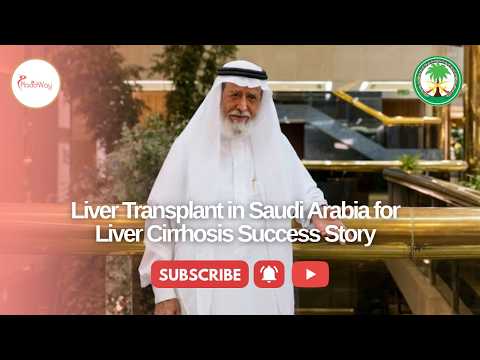
















Share this listing