


Top Hospitals for CAR-T Cell Therapy in China
Discover top hospitals providing cutting-edge CAR T Cell Therapy in China. Find the best healthcare options for your needs today.
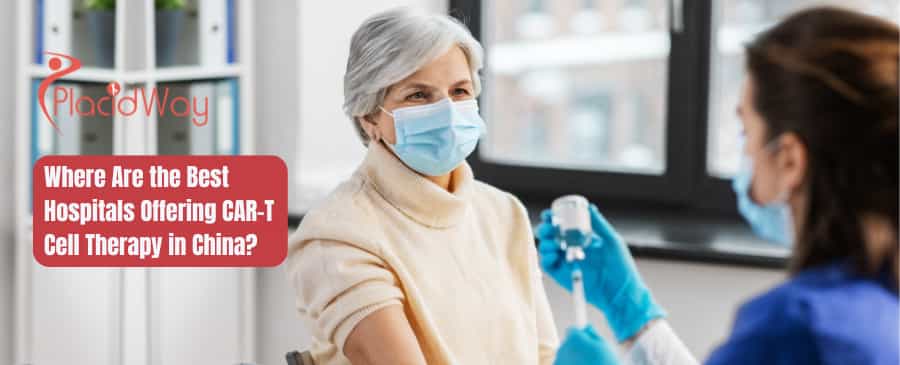
The best hospitals offering CAR T cell therapy in China are located in major hubs like Beijing, Shanghai, and Guangzhou. These top-tier facilities provide advanced oncology treatments, international patient support, and highly competitive pricing.
Key Takeaways: Advanced Oncology Care
- Global Biotech Leaders: The nation hosts the highest number of active cellular therapy clinical trials worldwide.
- Major Medical Hubs: Premier facilities are concentrated in tier-one cities featuring dedicated international patient wards.
- Targeted Conditions: Treatments focus primarily on relapsed or refractory blood cancers like DLBCL and Multiple Myeloma.
- Cost Efficiency: Accessing these life-saving therapies overseas often results in substantial financial savings compared to Western alternatives.
For patients battling aggressive blood cancers, finding effective treatment is a race against time. The landscape of cellular biotechnology has shifted dramatically, making Asian medical hubs a beacon of hope. By exploring options for CAR T Cell Therapy in China, patients gain access to state-of-the-art facilities, renowned hematologists, and cutting-edge immunotherapies that are revolutionizing oncological care globally.
Why Is Medical Tourism In China Popular For CAR T Cell Therapy?
Patients travel globally for this treatment due to the unprecedented speed of biotech innovation, robust clinical trial availability, and the integration of world-class medical infrastructure in tier-one cities.
The rise of medical tourism in China is largely driven by massive governmental and private investments in the biotechnology sector. Over the past decade, the country has positioned itself as a global epicenter for cellular and genetic research. This hyper-focus on innovation means that local hospitals often have access to the latest generations of cellular therapies much faster than regions constrained by slower regulatory environments.
Furthermore, the sheer volume of patients treated in these specialized oncology centers gives medical teams unparalleled clinical experience. Hematologists managing these wards encounter complex cases daily, allowing them to refine their protocols for managing potential side effects like cytokine release syndrome. This high level of expertise provides immense reassurance to international patients seeking highly specialized care.
Lastly, the infrastructure designed to support international healthcare seekers has vastly improved. Premier facilities now feature dedicated international departments that provide seamless bilingual support. From assisting with medical visas to translating complex pathology reports, these dedicated teams ensure that foreign patients experience a smooth, stress-free clinical journey while receiving world-class oncological interventions.
Because of the dense concentration of biotech manufacturing facilities right next to major research hospitals, the logistics of transporting delicate engineered T-cells are incredibly streamlined, minimizing the risk of cell degradation during transit.
What Is The Average CAR T Cell Therapy Cost In China Compared To Other Countries?
The financial requirement is significantly lower, typically ranging from $70,000 to $120,000 USD, which represents a fraction of the $350,000 to $500,000 USD commonly charged in North American facilities.
The primary factor driving international patients to seek care overseas is the dramatic difference in pricing. The CAR T Cell Therapy cost in China is kept competitive due to localized manufacturing of viral vectors and cellular processing. By eliminating the need to ship biological materials across the globe and utilizing highly efficient domestic laboratories, the base cost of producing the living drug is substantially reduced.
In addition to lower manufacturing expenses, the overall hospital fees—including intensive care unit stays, specialized nursing, and bridging chemotherapy—are fundamentally lower than in Western healthcare systems. This comprehensive affordability means that even when factoring in flights, extended accommodation, and medical facilitators, the total out-of-pocket expenditure remains remarkably lower for self-paying global patients.
It is important to note that while the price is reduced, the quality of care and the biological components used are strictly regulated. Many of the therapies administered are developed through joint ventures with global pharmaceutical companies, ensuring that the lower cost does not compromise the clinical efficacy or safety of the treatment protocol.
| Country / Region | Estimated Treatment Cost (USD) | Includes Hospital Stay? |
|---|---|---|
| United States | $375,000 - $475,000+ | Often billed separately |
| Western Europe | $250,000 - $350,000 | Varies by national health system |
| China | $70,000 - $120,000 | Often bundled in patient packages |
Which Chinese Cities Have The Best CAR T Cell Therapy Clinic In China Options?
The premier treatment facilities are strategically located in tier-one metropolitan areas—specifically Beijing, Shanghai, Guangzhou, and Shenzhen—where advanced biotechnology parks intersect with elite medical universities.
- Shanghai: Known as the biotechnology capital, this city hosts numerous top-ranked hematology centers that collaborate directly with adjacent biopharma labs, ensuring rapid cell manufacturing and infusion.
- Beijing: The capital city is home to state-funded national cancer institutes that handle the most complex, refractory blood cancer cases, offering unparalleled clinical expertise.
- Guangzhou: Facilities in this southern hub are renowned for their highly developed international patient wards, offering climate-controlled comfort and easy access for patients traveling from Southeast Asia and beyond.
- Shenzhen: Often called the Silicon Valley of hardware and biotech, clinics here utilize highly advanced artificial intelligence to monitor patient vitals post-infusion, mitigating toxicity risks.
- Chengdu: Emerging as a strong contender in medical tourism, specialized hematology wards here offer cutting-edge care with slightly lower living and accommodation costs for families during the long recovery phase.
Choosing the right CAR T Cell Therapy clinic in China depends heavily on the specific type of malignancy and the preferred geographic comfort of the patient, though all these major hubs guarantee exceptional standards of care.
What Types Of Cancer Can Be Treated With CAR T Cell Therapy In China?
Currently, the therapy is predominantly utilized for hematological malignancies, targeting specific antigens like CD19 and BCMA to treat lymphomas, leukemias, and multiple myeloma.
The vast majority of commercial applications target B-cell malignancies. Diffuse Large B-Cell Lymphoma (DLBCL) is one of the most common indications. For patients who have relapsed after two or more lines of traditional systemic therapy, engineered cells that hunt down the CD19 protein present on these cancerous B-cells offer a potent, targeted attack mechanism.
Multiple Myeloma is another major focus area. By targeting the B-cell maturation antigen (BCMA), specialized treatment centers have achieved remarkable remission rates in patients suffering from heavily pre-treated, refractory myeloma. The availability of dual-target therapies, which simultaneously attack two different proteins on the cancer cell to prevent the disease from mutating and escaping, is also increasingly common in these advanced hubs.
Beyond blood cancers, the medical community is aggressively pursuing treatments for solid tumors. While largely still in the clinical trial phase, specialized research wards are currently testing novel cellular therapies for hepatocellular carcinoma (liver cancer) and gastric cancers, reflecting the forward-thinking nature of the local oncology sector.
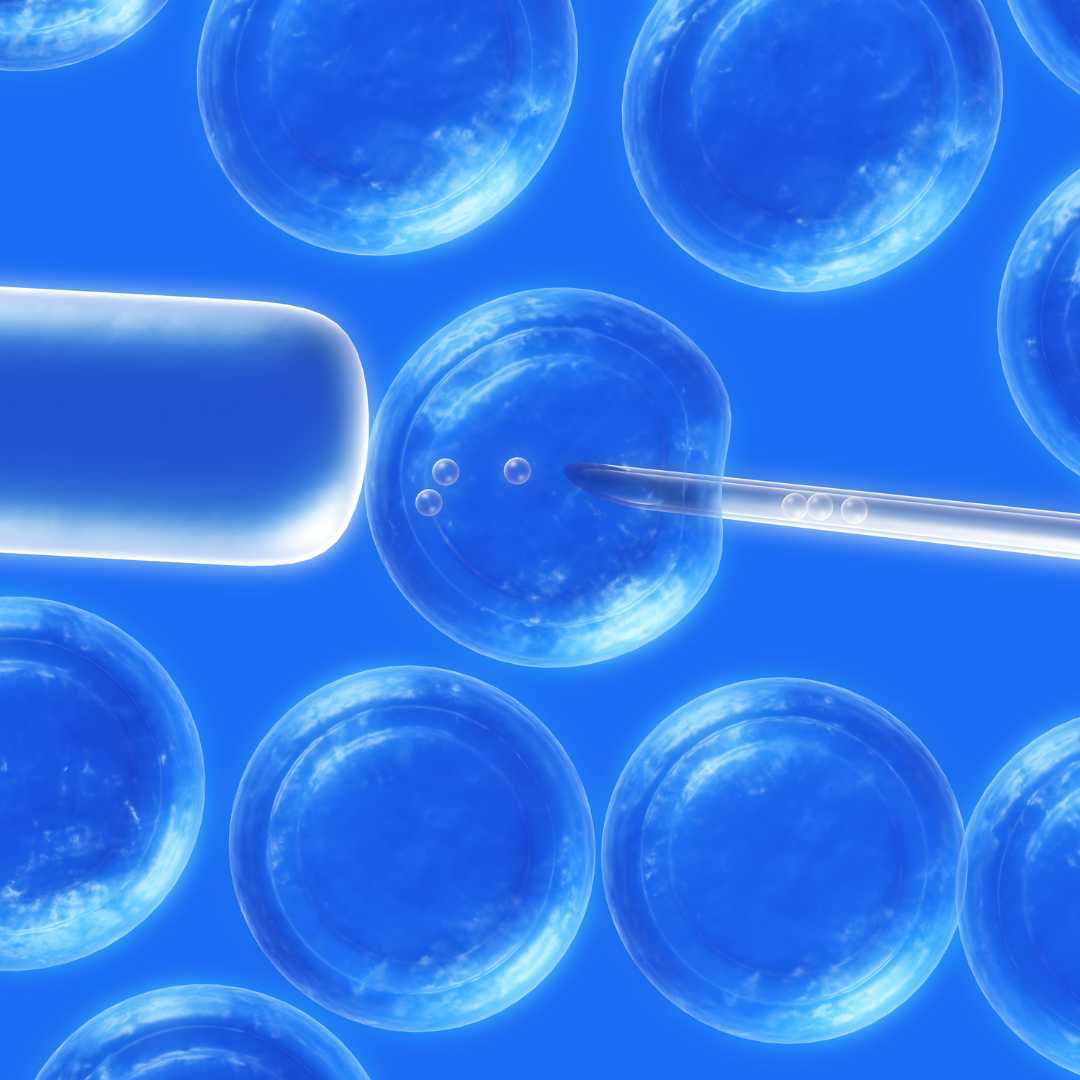
The therapy gets its name from Chimeric Antigen Receptors. Medical scientists extract a patient’s standard immune cells and genetically rewire them in a lab, turning them into customized, cancer-seeking smart bombs before reinfusing them into the bloodstream.
How Do Hospitals Prepare International Patients For CAR T Cell Therapy In China?
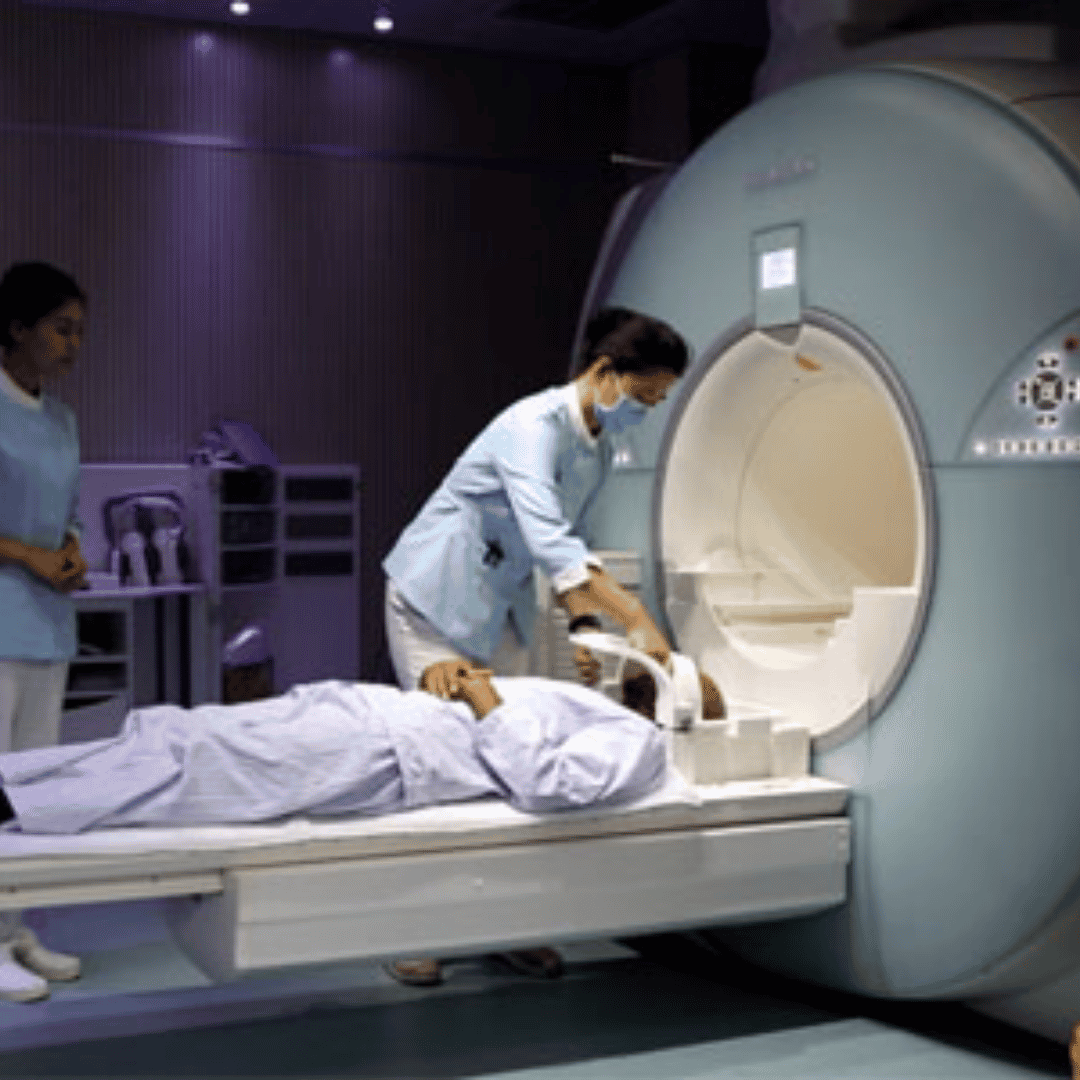
Preparation involves a rigorous multi-step protocol including comprehensive disease staging, leukapheresis to harvest T-cells, and specific lymphodepleting chemotherapy to prepare the body for the incoming modified cells.
- Comprehensive Baseline Testing: Upon arrival, patients undergo extensive cardiac, pulmonary, and neurological evaluations to ensure they are physically robust enough to withstand the treatment process.
- Leukapheresis Procedure: The patient is connected to an apheresis machine that filters their blood, extracting healthy T-cells while returning the rest of the blood components to the body.
- Bridging Chemotherapy: Because cell manufacturing takes weeks, mild targeted chemotherapy is often administered to halt tumor growth and keep the patient stable during the waiting period.
- Infection Prevention: Patients are placed on strict prophylactic antiviral and antibacterial regimens, as their immune systems will be highly compromised during the conditioning phase.
- Lymphodepleting Conditioning: A few days before infusion, a specialized chemotherapy regimen (usually fludarabine and cyclophosphamide) is given to wipe out existing immune cells, creating space for the new engineered cells to multiply.
- Central Line Placement: A central venous catheter is surgically inserted to facilitate painless, direct infusions and regular daily blood draws throughout the hospital stay.
What Are The Success Rates For CAR T Cell Therapy In China?
Clinical outcomes mirror the highest international benchmarks, with overall response rates frequently exceeding eighty percent in specific relapsed blood cancers, leading to durable, long-term remission for many patients.
When analyzing the efficacy of these cellular interventions, oncologists look at Complete Response (CR) and Partial Response (PR) metrics. For certain pediatric and adult acute lymphoblastic leukemias, treatment centers report complete remission rates hovering between seventy to ninety percent, a staggering achievement for patients who previously had no remaining clinical options.
For Diffuse Large B-Cell Lymphoma, the overall response rates are highly competitive with top-tier Western facilities. A significant portion of these patients achieve a complete response, meaning no detectable cancer remains in their bodies after the post-infusion recovery phase. The durability of these responses is also heavily monitored, with many patients remaining disease-free years after a single infusion.
It is crucial to understand that success rates depend on several individualized factors. The patient’s baseline health, previous lines of therapy, tumor burden at the time of infusion, and the specific genetic makeup of their malignancy all play a role. However, the advanced protocols used in these premier Asian facilities maximize the potential for a positive clinical outcome.
How Long Does The Entire Process Take At A CAR T Cell Therapy Clinic In China?
Medical tourists should anticipate a minimum stay of eight to ten weeks. This timeframe encompasses cell collection, laboratory manufacturing, the conditioning phase, cell infusion, and the critical post-infusion monitoring period.
The journey begins with a one-to-two week evaluation and collection phase. Once the patient arrives, the medical team conducts fresh scans and blood tests. If the patient is cleared, leukapheresis is performed to harvest the immune cells. After collection, the patient may undergo bridging therapy while the cells are sent to the adjoining biotech laboratory.
The manufacturing phase is the most variable part of the timeline, generally taking between three to five weeks. During this period, scientists use viral vectors to insert new genetic instructions into the T-cells, expanding them into millions of cancer-fighting clones. Patients may stay in an outpatient serviced apartment during this time, returning to the hospital only for routine check-ups.
Once the cells are ready, the patient is admitted for a three-to-four week inpatient stay. This covers the brief conditioning chemotherapy, the actual infusion day (often referred to as Day Zero), and the highly critical monitoring phase. During the first two weeks post-infusion, patients are closely watched for side effects. Only after they are fully stabilized are they discharged and permitted to fly home.
Are There Hidden Costs When Booking CAR T Cell Therapy In China?
While base package prices are transparent, patients must budget for variable medical events such as prolonged ICU stays, specialized toxicity reversal medications, bridging therapies, and extended lodging for companions.
- Toxicity Management: If a patient develops severe cytokine release syndrome, the use of specialized, expensive antagonist drugs like Tocilizumab will incur additional pharmacy charges.
- Intensive Care Stays: Standard packages cover regular hematology ward days; however, neurological complications may require unexpected transfers to the Intensive Care Unit, increasing daily room rates.
- Bridging Chemotherapy: The cost of systemic therapies required to manage the cancer while waiting for cell manufacturing is often billed separately based on the specific drugs required.
- Pre-existing Condition Management: Treating underlying health issues—such as diabetes management or cardiac support during the hospital stay—can result in extra specialist consultation fees.
- Companion Expenses: Serviced apartments, daily meals, and visa extension fees for the patient’s caregiver over the two-to-three month stay must be factored into the overall financial plan.
- Follow-up Scans: Advanced PET-CT scans required shortly before discharge to confirm early remission status may not be included in the initial base estimate.
Why Choose PlacidWay To Book CAR T Cell Therapy In China?
PlacidWay acts as your dedicated medical advocate, navigating complex healthcare systems by connecting you strictly with accredited, premier oncology facilities and ensuring complete financial and clinical transparency.
Organizing advanced cellular therapy in a foreign healthcare system during a serious health crisis is profoundly overwhelming. By utilizing PlacidWay, patients secure a reliable partner dedicated to streamlining every aspect of the medical journey, ensuring focus remains entirely on healing rather than logistics.
- Comprehensive Medical Facility Vetting: We partner exclusively with internationally accredited research hospitals that meet stringent safety standards and possess verifiable, published success rates in complex hematology.
- Transparent Financial Estimation: Our team negotiates directly with hospital billing departments to provide you with a clear, itemized breakdown of costs, safeguarding you against unexpected medical expenses.
- Seamless Medical Record Transfer: We facilitate the rapid translation and secure digital transfer of your complex pathology reports and imaging scans, ensuring the receiving oncology board can immediately evaluate your case.
- Dedicated Patient Advocacy: You are assigned a dedicated coordinator who bridges the communication gap between you and the foreign medical staff, ensuring your clinical concerns are perfectly understood and addressed.
- Access to Specialized Oncology Consultations: Before committing to any procedure, we arrange preliminary remote video consultations with leading hematologists, allowing you to ask critical questions regarding your personalized treatment plan.
Frequently Asked Questions About Oncology Medical Tourism
Is a specialized medical visa required to receive CAR T cell therapy in China?
Yes, international patients seeking advanced oncological treatments generally need to apply for an S2 visa, which is specifically designated for short-term medical treatment. To obtain this, the chosen hospital must issue an official invitation letter detailing your diagnosis, the accepted treatment plan, and the expected duration of your stay. Processing times vary by country but typically take two to four weeks.
Can international patients access commercial CAR T products in Chinese hospitals?
International patients have full access to both domestically approved commercial CAR T products and international joint-venture therapies available within the country. As long as the patient meets the clinical indications, such as relapsed or refractory B-cell lymphomas or multiple myeloma, treatment centers can procure and administer these advanced cellular therapies for self-paying global patients.
How do Chinese hospitals handle language barriers for international oncology patients?
Top-tier medical facilities operating international wards employ bilingual oncologists and dedicated medical interpreters. These professionals assist during all clinical consultations, consent processes, and daily ward rounds. Furthermore, all medical documents, discharge summaries, and laboratory results are officially translated into English to ensure your home oncologist can seamlessly continue your follow-up care.
Are Chinese clinical trials for CAR T cell therapy open to foreigners?
Participation in clinical trials for foreign nationals is evaluated on a strict case-by-case basis. While some early-phase biotech trials are restricted to local citizens due to long-term follow-up requirements, several large research hospitals do accept international patients into specific trials, provided the patient is willing to remain in the country for the mandatory observation periods outlined in the trial protocol.
What is the age limit for receiving CAR T cell therapy in Chinese medical centers?
Most commercial CAR T cell therapies are approved for adult patients over the age of eighteen. However, certain pediatric oncology centers specialize in treating acute lymphoblastic leukemia in children and young adults up to age twenty-five. For older adults, there is no strict upper age limit; eligibility is instead determined by the patient's organ function, performance status, and ability to withstand potential side effects.
Do hospitals in China use globally recognized CAR T cell therapies?
Yes, the healthcare system utilizes therapies that meet stringent global standards. Many available treatments are developed through partnerships between global pharmaceutical giants and local biotech firms. The manufacturing protocols, quality control measures, and clinical administration guidelines strictly mirror the highest international oncological standards to ensure maximum safety and efficacy.
Can I receive bridging therapy while waiting for my CAR T cells in a Chinese clinic?
Absolutely. Because the manufacturing of genetically modified T cells takes several weeks, the oncology team will often administer bridging therapy. This typically involves targeted chemotherapy or radiation designed to keep your tumor burden under control and prevent rapid disease progression while your personalized cellular treatment is being cultivated in the laboratory.
What happens if I experience cytokine release syndrome while in the facility?
Leading oncology wards are fully equipped to manage cytokine release syndrome and neurological toxicities. Patients are monitored around the clock in specialized hematology intensive care units. If severe reactions occur, the medical team immediately administers reversal agents like tocilizumab or corticosteroids, following internationally established toxicity management algorithms to ensure your rapid stabilization.
Are companion accommodations provided in Chinese oncology wards?
VIP and international wards at premier hospitals typically offer private, suite-style rooms that include sleeping arrangements for one family member or caregiver. Having a companion is highly encouraged for emotional support. For extended stays, hospitals often maintain partnerships with nearby serviced apartments that cater specifically to the families of medical tourists.
How do I transfer my local oncology records to a medical team overseas?
Before you travel, you must gather your comprehensive medical history, including pathology reports, recent PET-CT scans, blood work, and detailed logs of all previous chemotherapy regimens. These documents should be translated into English or Mandarin and sent via secure medical portals. A medical facilitator can ensure these files are formatted correctly and reviewed by the receiving hematologist prior to your arrival.
Discover Life-Saving Cellular Therapy Options Today
* Secure portal. Medical records are strictly confidential.
.png)
.png)


.png)
.png)
.png)

Share this listing