
The Ultimate Guide to Getting a Dental Crown in Pattaya (2025)
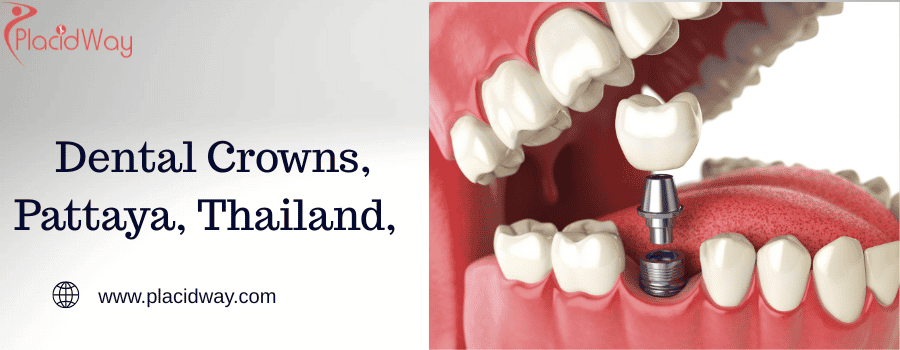
If you are exploring options for restoring a damaged or weakened tooth, you might be wondering about the dental crown cost in Pattaya, Thailand. Every year, thousands of international patients travel to Southeast Asia combining their holidays with restorative dental care. Understanding the financial aspects, treatment materials, and what the overall process involves can help you make a highly informed decision.
Navigating medical tourism in Thailand requires looking beyond just the sticker price. While savings can be a strong motivating factor, patients also need to weigh the importance of material quality, time commitment, and proper aftercare. Whether you are dealing with a tooth that recently underwent a root canal or you are looking to replace an old, failing restoration, having clear expectations is the first step toward a successful outcome.
Key Takeaways
- Estimated crown costs range from $250 to $600 per tooth, depending primarily on the materials used.
- Popular material choices include Zirconia, E-max (lithium disilicate), and Porcelain-Fused-to-Metal (PFM).
- Traditional crown treatments generally require two visits spaced several days apart, though some facilities offer same-day CAD/CAM options.
- Patients should consult their local dentist before traveling and secure their medical records for the treating provider.
- Post-treatment follow-up and regular check-ups back home are essential for the longevity of any dental restoration.
What exactly influences the dental crown cost in Thailand?
When calculating dental crown cost in Thailand, the material is usually the largest variable. High-aesthetic options like pure Zirconia or E-max typically sit at the higher end of the pricing spectrum due to the advanced milling technology and premium materials required. Conversely, standard Porcelain-Fused-to-Metal (PFM) or full-metal crowns often cost slightly less.
Another factor is the necessary preparatory work. A tooth might require a core build-up, a post-and-core, or even root canal therapy before it can safely support a crown. Each of these steps incurs additional fees. Furthermore, the laboratory fees play a role. If a facility has an in-house lab or uses rapid CAD/CAM milling technology, the pricing structure might differ from a practice that sends impressions to an external laboratory.
Choosing a dental crown clinic in Thailand also affects the price. Facilities located in prime tourist areas or those employing specialized prosthodontists may charge a premium reflecting their overhead and specific expertise. Always ask for an itemized estimate so you understand exactly what is included.
What types of dental crown materials can I choose from in Pattaya?
Selecting the right material is a balance between aesthetics, durability, and budget. Your treating dentist will usually recommend the best option based on whether the tooth is highly visible in your smile line or situated in the back of your mouth where chewing forces are strongest.
- Zirconia: Known for incredible strength and durability. It is highly resistant to chipping and is often used for molars. Modern layered zirconia also offers excellent aesthetics.
- E-max (Lithium Disilicate): This all-ceramic material provides a translucency that mimics natural enamel beautifully. It is a highly popular choice for front teeth but may not always be recommended for heavy grinders.
- Porcelain-Fused-to-Metal (PFM): A reliable, traditional option offering a strong metal base covered with tooth-colored porcelain. Over time, a dark line may become visible at the gumline as gums naturally recede.
- Gold or Base Metal Alloys: These are extremely durable and require the least amount of tooth structure removal. However, due to their metallic color, they are rarely used for front teeth.
How many days will I need to stay in Pattaya for the procedure?
Planning your travel itinerary is a crucial part of getting dental crowns in Thailand. For traditional crowns, the first appointment involves preparing the tooth, taking impressions (either digital or physical), and placing a temporary crown. The impressions are then sent to a dental laboratory.
Fabricating a custom crown typically takes a few days. During this waiting period, patients often explore the local area, though they must be careful with their temporary crown. Once the permanent crown is ready, you return for the second appointment where the dentist checks the fit, bite, and color before cementing it permanently.
Some facilities offer same-day crowns using CAD/CAM technology. If you opt for this route, the tooth is prepared, digitally scanned, and milled on-site within a few hours. However, same-day crowns are not suitable for every clinical situation, so you should allow for a flexible travel window just in case traditional lab work is deemed necessary.
How do I know if I need a dental crown while visiting Thailand?
While you might have a good idea that you need restorative work, only a qualified dentist can confirm if a crown is the appropriate treatment. Dental fillings or onlays might be sufficient for minor damage, but when the structural integrity of the tooth is compromised, a crown acts as a protective cap.
Common indications for a dental crown include:
- Protecting a weak tooth from fracturing.
- Holding together parts of a cracked tooth.
- Restoring an already broken or severely worn down tooth.
- Covering and supporting a tooth with a large filling when little original tooth remains.
- Capping a dental implant or securing a dental bridge.
Because outcomes and suitability vary by patient, it is highly recommended to have your local dentist take current X-rays and evaluate your condition before you book flights for treatment abroad.
Are there risks associated with getting a dental crown in Thailand?
Safety should always be your top priority. Preparing a tooth for a crown involves removing a significant amount of the outer enamel. In some cases, the trauma of this preparation can aggravate the tooth's nerve. You might experience sensitivity to hot or cold temperatures, particularly in the days following the procedure. Usually, this subsides, but occasionally, the nerve becomes irreversibly inflamed, necessitating a root canal down the line.
Other potential complications include the crown chipping (especially with porcelain), the cement washing out causing the crown to loosen, or an allergic reaction to the metals used in PFM or full-metal crowns. The fit of the crown is also critical; an ill-fitting crown can trap bacteria, leading to decay underneath the restoration or contributing to gum disease.
When traveling abroad for care, managing complications can be logistically challenging once you return home. Explain what patients should do if complications develop after returning home: you will need to seek help from a local dental provider. This underscores the importance of choosing reputable professionals and discussing warranties or follow-up protocols before agreeing to treatment.
Will my dental crown in Pattaya look like a natural tooth?
Aesthetics are a major concern for patients, especially if the crown is being placed on an incisor or canine. Dental technology has advanced significantly, moving away from flat, opaque restorations. Today, specialized dental technicians layer ceramics to mimic the natural gradations of color found in real enamel—from the slightly darker neck of the tooth to the translucent biting edge.
The success of the aesthetic match relies heavily on the shade selection process. Dentists often use shade guides under natural lighting conditions to find the perfect hue. If you are having a single front tooth crowned, it is generally considered one of the most challenging procedures in cosmetic dentistry because it must perfectly mirror its natural neighbor.
Be aware that while materials can look highly lifelike, maintaining that appearance requires good oral hygiene. Porcelain does not stain like natural enamel, meaning if you later decide to whiten your natural teeth, the crown will remain its original shade and may stand out.
How long can I expect my new crown to last?
A crown is a durable restoration, but it is not impervious to wear and tear. The lifespan of your restoration is heavily influenced by the material chosen, the skill of the provider, and, most importantly, how well you take care of it at home. The underlying tooth structure remains vulnerable to decay at the margin where the crown meets the gum line.
Certain habits can significantly reduce a crown's lifespan. Bruxism (teeth grinding or clenching) can chip ceramic materials or cause excessive wear on the opposing teeth. If you are prone to grinding, your dentist might recommend wearing a custom night guard while you sleep.
Additionally, using your teeth as tools—such as biting fingernails, opening packages, or chewing ice—can compromise the restoration. Treating your crowned tooth with the same care you would give a natural tooth is the best way to protect your investment.
What is the recovery process after getting a crown in Pattaya?
Immediately after the permanent crown is cemented, you will likely still feel numb from the local anesthesia. It is strongly advised to wait until the numbness has completely worn off before eating to avoid accidentally biting your cheek or tongue.
Once the anesthesia fades, it is normal to feel some slight inflammation around the gum tissue where the dentist worked. Over-the-counter pain relievers, used as directed by your healthcare professional, can help manage this initial discomfort. You might also notice that the bite feels slightly unusual as your jaw adjusts to the new shape of the tooth.
If your bite feels uneven or high after a few days, or if you experience sharp pain when biting down, you should contact your dentist immediately. An uneven bite can cause trauma to the tooth and lead to ongoing pain or damage to the crown itself. Do not wait until you fly home if something feels fundamentally wrong.
How can I prepare for restorative dental work abroad?
Thorough preparation minimizes surprises when engaging in medical tourism. Start by visiting your home dentist for a check-up. Ask for a copy of your recent panoramic or periapical X-rays and a written summary of your dental health. Sharing these digital files with your chosen provider in Thailand before you arrive allows them to offer a much more accurate preliminary treatment plan and estimate.
Review your medical history carefully. Inform your prospective dentist about any medications you are taking, allergies, or underlying health conditions (such as diabetes or cardiovascular issues), as these may affect your eligibility for certain anesthetics or prolonged dental procedures.
Finally, consider purchasing specialized medical tourism travel insurance. Standard travel insurance policies typically exclude coverage for planned medical or dental procedures and any related complications. A specialized policy can provide peace of mind in the rare event that unexpected medical attention is required while abroad.
Why Choose PlacidWay for Medical Tourism in Thailand?
PlacidWay is an established medical tourism platform designed to help patients navigate their global healthcare options efficiently.
- Access to Global Providers: PlacidWay connects patients with a wide directory of dental and medical facilities internationally.
- Informational Resources: The platform offers extensive articles, patient guides, and destination profiles to support your research.
- Option Comparison: Patients can easily compare different facilities, treatment approaches, and estimated costs in one place.
- Transparent Initial Estimates: PlacidWay facilitates direct communication to help you obtain clear, preliminary pricing estimates before you travel.
- User-Friendly Navigation: The system is designed to streamline the inquiry process, helping you formulate questions for your potential healthcare providers.
Frequently Asked Questions (FAQs)
Do I need a special visa to get dental work in Thailand?
Many tourists visiting Thailand for short-term dental treatments, like getting a crown, enter on a standard tourist visa or a visa exemption, depending on their nationality. Always check the official Thai embassy guidelines for your specific country before traveling.
Can I get a temporary crown while waiting for the permanent one?
Yes, dentists typically place a temporary crown over the prepared tooth to protect it and reduce sensitivity while the dental laboratory fabricates your permanent custom crown.
Is it safe to combine a beach holiday in Pattaya with dental procedures?
Many patients successfully combine their dental visits with a holiday. However, you should follow your dentist's advice regarding activities like swimming in the ocean or eating certain local foods immediately after your procedure to avoid complications.
Will the dental crown procedure be painful?
Dentists use local anesthesia to numb the area during the tooth preparation, which typically minimizes discomfort. You may experience some mild soreness or sensitivity for a few days after the procedure, which is generally manageable.
Do dentists in Pattaya commonly speak English?
Because Pattaya is a popular hub for international visitors, many dental professionals and clinic staff who cater to medical tourists speak fluent English to communicate treatment plans clearly.
Can I eat normally after getting a dental crown?
While wearing a temporary crown, you should avoid sticky or hard foods. Once your permanent crown is fully cemented and the anesthesia wears off, you can typically resume a normal diet, though it is best to avoid biting down on extremely hard objects.
Are CAD/CAM same-day crowns available in Pattaya?
Many modern dental facilities in Pattaya offer CAD/CAM technology (like CEREC), allowing them to design, mill, and place a ceramic crown in a single visit. Availability depends on the specific facility you choose.
Does my home dental insurance cover crowns done in Thailand?
Most standard domestic dental insurance plans do not cover procedures performed internationally. However, some specialized medical tourism insurance policies or out-of-network reimbursement plans may offer partial coverage. You must check directly with your provider.
What should I do if my crown falls out after I return home?
If a crown loosens or falls out after you return home, keep the crown safe and contact a local dentist immediately for re-cementation. It is important to establish a relationship with a local provider for ongoing care.
Is there an age limit for getting a dental crown?
There is no strict upper age limit for dental crowns, provided the patient has sufficient underlying tooth structure and healthy gums. For younger patients, dentists typically wait until the tooth has fully erupted and jaw growth has stabilized.
Compare Treatment Options for Your Dental Care
If you are considering a dental crown and want to gather more information about your options abroad, request educational materials and preliminary estimates today.
Request Treatment InformationReferences
- Dental exam for children and adults - Mayo Clinic
- Dental Crowns: Purpose, Procedure, Complications, Care - Cleveland Clinic
- Medical Tourism - Centers for Disease Control and Prevention (CDC)
- Crowns - American Dental Association (MouthHealthy)
- Dental treatments (Crowns) - National Health Service (NHS)
- Your Health Abroad - U.S. Department of State























Share this listing