


Affordable Hip Replacement in Mexico
Hip replacement surgery in Mexico typically ranges from $8,500 to $16,715, with an average provider-listed price of approximately $12,607.

Key Takeaways: Hip Replacement in Mexico
- Substantial Financial Savings: Choosing hip replacement in Mexico offers self-pay patients cost reductions of 60% to 70% compared to typical private healthcare prices in North America.
- World-Class Infrastructure: Accredited medical centers in Mexico feature advanced surgical navigation systems, laminar airflow operating suites, and dedicated international patient units.
- Transparent Bundled Pricing: Evaluating a hip replacement cost in Mexico involves reviewing all-inclusive packages covering surgeon fees, implants, and hospital stays.
- Standardized Prosthetics: Reputable hospitals utilize FDA-cleared and internationally recognized hip implant systems manufactured by leading global biomechanical firms.
- Structured Recovery Frameworks: Comprehensive care models integrate early post-operative physiotherapy and extended local monitoring to support successful functional rehabilitation.
What Is the Average Hip Replacement Cost in Mexico for Self-Pay Patients?
The out-of-pocket hip replacement cost in Mexico typically spans from $8,500 to $16,000 per hip joint depending on material selection and facility choice.
Navigating healthcare finances for major orthopedic procedures requires a clear understanding of self-pay pricing models. When evaluating the hip replacement cost in Mexico, international patients find that comprehensive care packages cover operating theater utilization, surgeon compensation, anesthesia, and inpatient nursing care. Lower overall facility operational expenses and favorable administrative overhead enable hospitals in Mexico to maintain competitive pricing structures.
While single-joint replacements remain standard, patients requiring bilateral interventions or specialized custom-engineered prosthetics will encounter varied pricing. Evaluating the total hip replacement clinic in Mexico ensures that self-pay individuals account for pre-operative diagnostic imaging, specialized blood panels, and required post-operative physical therapy sessions.
Prices vary by hospital brand, regional location within border hubs or major cities, and individual case complexity. Accredited medical centers provide detailed itemized estimates upon reviewing patient medical records and recent diagnostic imaging files.
Did You Know?
Prosthetic implant materials—such as ceramic-on-polyethylene or oxinium components—play a primary role in determining baseline surgical package costs due to their long-term wear resistance.
What Procedure Types Are Available at a Hip Surgery Clinic in Mexico?
Available procedures at an accredited hip surgery clinic in Mexico include total hip arthroplasty, minimally invasive anterior approaches, and revision surgeries.
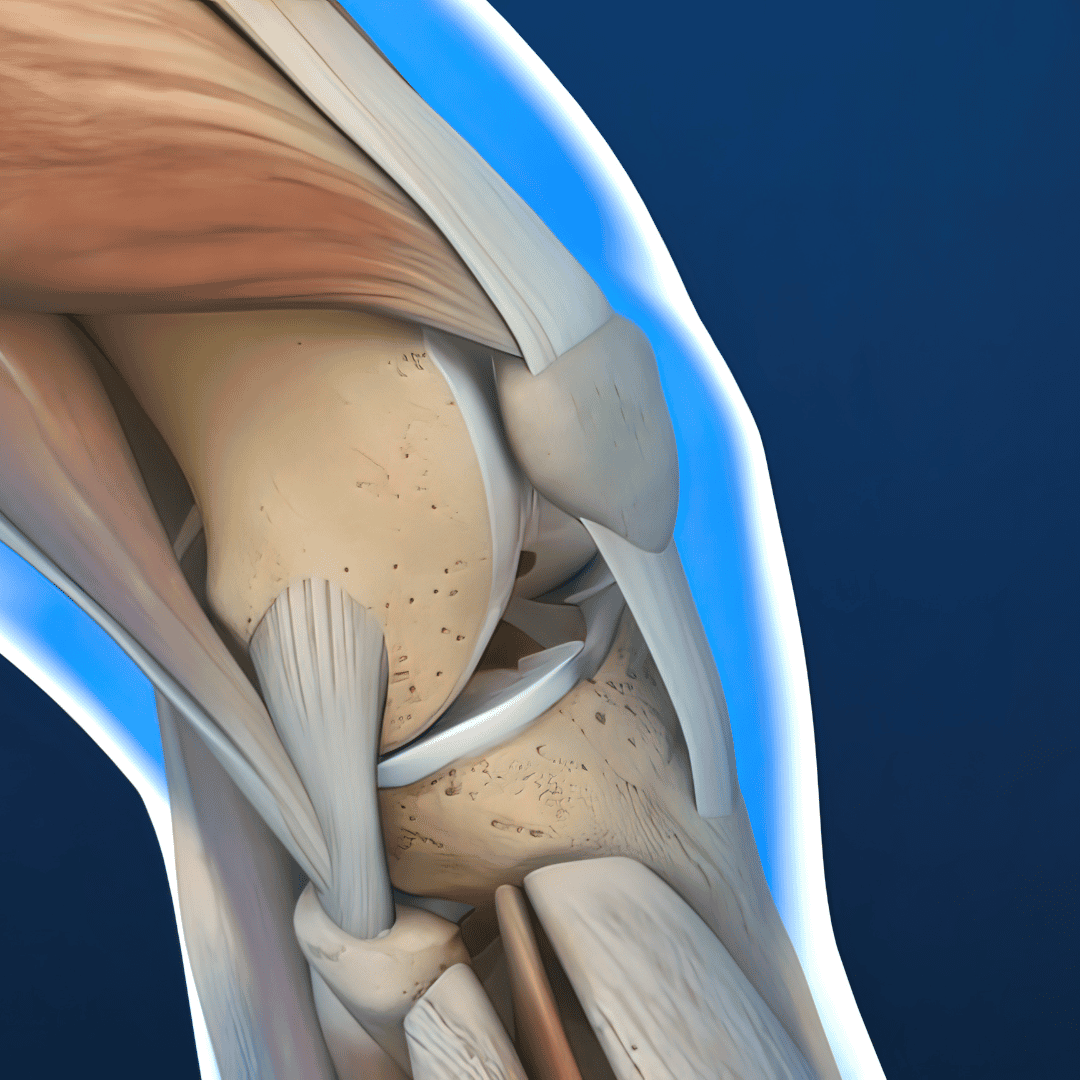
Patients seeking joint reconstruction gain access to advanced surgical methodologies. Total hip arthroplasty replaces damaged femoral heads and acetabular sockets with durable artificial components, eliminating arthritic friction and restoring pain-free range of motion.
Many orthopedic centers specialize in muscle-sparing minimally invasive approaches, such as the Direct Anterior Approach (DAA) or Direct Superior Approach (DSA). These techniques access the hip joint through natural tissue planes without cutting major supporting muscles, which can reduce post-operative discomfort and accelerate functional recovery.
Additionally, specialized surgical teams perform complex revision arthroplasties for patients needing prosthetic component exchanges due to wear, loosening, or infection. Advanced computer navigation helps surgeons ensure precise component alignment and balanced limb lengths.
| Hip Procedure Type | Estimated Self-Pay Cost (USD) | Inpatient Hospital Stay |
|---|---|---|
| Total Hip Arthroplasty (Standard) | $9,500 - $14,000 | 3 - 5 Days |
| Minimally Invasive Anterior Hip Replacement | $11,500 - $16,000 | 2 - 4 Days |
| Bilateral Total Hip Replacement | $18,000 - $26,000 | 5 - 8 Days |
| Complex Revision Hip Arthroplasty | $15,000 - $24,000+ | 6 - 9 Days |
Why Do International Patients Choose Medical Tourism in Mexico for Orthopedics?
International patients choose medical tourism in Mexico for its world-class accredited hospitals, high-volume joint specialists, advanced technology, and geographic proximity to North America.
Engaging in medical tourism in Mexico offers distinct benefits for individuals seeking specialized orthopedic care. Major hospital networks in border cities, Guadalajara, Monterrey, and Mexico City maintain international facility accreditations, ensuring compliance with strict global standards for hygiene, surgical safety, and patient care.
Furthermore, Mexico has established itself as a premier global healthcare destination by combining advanced medical technology with personalized hospitality. Dedicated international patient coordination departments assist travelers with medical visa letters where applicable, airport transportation, multi-language interpretation, and lodging arrangements.
High procedural volumes performed by specialized joint surgeons give clinical teams extensive experience in handling complex joint anatomies, resulting in reliable functional outcomes and high patient satisfaction rates.
Important Consideration
Patients should request detailed documentation regarding implant component brands and serial numbers prior to surgery to ensure long-term device traceability and worldwide compatibility.
What Surgeon Qualifications and Facility Standards Apply in Mexico?
Orthopedic specialists in Mexico maintain active licensing through official registries, complete formal subspecialty fellowships, and practice in accredited hospitals.
Ensuring clinical safety requires rigorous evaluation of professional credentials. Orthopedic specialists performing joint arthroplasty in Mexico must hold an active medical license and specialty registration, known as a cédula profesional, through the Secretariat of Public Education (SEP) professional registry, alongside board certification from the Mexican Council of Orthopedics and Traumatology (CMOT). Many leading surgeons complete advanced fellowship training at prominent international medical institutions.
Patients can verify physician credentials directly through official government registries. Professional association memberships provide insight into ongoing continuing education but should not be treated as standalone proof of active surgical licensing.
Hospital facilities must hold recognized international or national health accreditations. Accredited centers maintain advanced sterile processing departments, dedicated intensive care units, and comprehensive emergency backup systems to handle unexpected medical needs.
What Is the Post-Operative Rehabilitation and Recovery Timeline?
Mobilization begins within 24 hours of surgery, followed by structured inpatient physical therapy and a gradual return to normal activity over 3 to 6 months.
Structured physical therapy is critical for achieving optimal functional recovery after hip replacement surgery. In Mexican hospitals, supervised mobilization begins on the first day following surgery, with physical therapists guiding patients through assisted standing, walking with assistive devices, and gentle range-of-motion exercises.
Following discharge from the acute care hospital, international patients are advised to remain locally in Mexico for 10 to 14 days. This extended recovery window allows the surgical team to monitor wound healing, oversee initial outpatient physical therapy sessions, remove surgical staples, and provide formal fit-to-fly clearance.
Upon returning home, continuing structured outpatient physiotherapy for 8 to 12 weeks strengthens supporting hip musculature and restores natural gait mechanics.
What Clinical Risks and Complications Should Patients Consider?
Clinical risks include surgical site infection, joint dislocation, blood clots, leg length discrepancy, and the need for coordinated follow-up care at home.
All surgical interventions involve inherent clinical risks. Potential complications of hip replacement surgery include superficial or deep wound infections, joint dislocation during early healing, nerve irritation, excessive bleeding, or leg length discrepancies.
Traveling internationally introduces added health considerations, particularly regarding deep vein thrombosis (DVT) during long journeys. Mexican surgical teams mitigate DVT risks by prescribing anticoagulant medications, utilizing mechanical compression boots, and enforcing early walking protocols.
Patients can minimize risks by disclosing their complete medical history during pre-op evaluations, adhering strictly to movement precautions, and establishing communication with a local physical therapist in their home country prior to departure.
How Should Patients Prepare for Medical Travel to Mexico?
Preparation involves gathering diagnostic imaging, securing virtual pre-consultations, verifying travel documentation, and arranging travel companion support.
Proper pre-travel planning helps ensure a well-organized medical journey. Start by compiling recent high-resolution pelvic X-rays, MRI scans, and clinical notes from your home doctor. Transmitting these digital files for remote pre-consultations allows Mexican orthopedic teams to review your case and formulate a precise treatment plan.
Travel-document requirements depend on citizenship and whether the patient travels by air, land, or sea. Verify passport validity and entry regulations well in advance. Traveling with a companion is strongly recommended to assist with personal mobility during early recovery.
Finally, confirm all financial and logistical agreements in writing before departure. Understanding package inclusions helps prevent unexpected expenses and allows you to focus fully on your physical recovery.
Why Choose PlacidWay?
PlacidWay connects patients with accredited international hospitals, providing transparent cost comparisons, verified facility profiles, and direct communication channels.
Navigating global healthcare options can feel complex. PlacidWay serves as a global medical information resource, helping patients explore accredited treatment centers and connect directly with experienced orthopedic specialists worldwide.
1. Access to Broad Global Healthcare Directories
Browse comprehensive profiles of accredited hospitals and specialty orthopedic clinics across Mexico.
2. Transparent Cost Estimates
Review estimated procedure pricing and package details to plan your medical travel budget effectively.
3. Direct Medical Facility Communication
Connect directly with hospital international patient offices to share medical imaging and request case evaluations.
4. Verified Specialist Documentation
Examine surgeon background details, subspecialty fellowship histories, and hospital accreditations before booking.
5. Comprehensive Educational Resources
Access detailed procedure guides, destination overviews, and planning checklists to support your healthcare journey.
Frequently Asked Questions
What is the average hip replacement cost in Mexico for international patients?
The average hip replacement cost in Mexico ranges between $9,500 and $16,000 per joint, which delivers significant savings compared to typical private healthcare prices in Western nations.
Are international hip implant brands utilized in Mexico?
Accredited medical centers in Mexico utilize FDA-cleared and internationally recognized prosthetic hip systems manufactured by leading global medical technology companies.
How long must international patients stay in Mexico after joint surgery?
Patients are generally advised to remain locally in Mexico for 10 to 14 days following hip replacement surgery to complete initial rehabilitation and receive fit-to-fly clearance.
What is included in a self-pay medical package for hip replacement in Mexico?
Self-pay packages generally include surgeon and anesthesia fees, operating room expenses, hospital room stays, prosthetic implants, diagnostic imaging, and early bedside physical therapy.
How do patients verify the credentials of an orthopedic surgeon in Mexico?
Patients can verify surgeon credentials by checking official medical licenses, known as a cédula profesional, through the Secretariat of Public Education registry and confirming board certifications.
Is traveling for hip replacement surgery in Mexico safe for foreign visitors?
Yes, joint replacement surgery in Mexico can be safe when performed at internationally accredited hospital facilities by board-certified specialists following strict global infection control protocols.
Can patients undergo minimally invasive hip replacement procedures in Mexico?
Many modern orthopedic centers in Mexico offer muscle-sparing minimally invasive surgical approaches, such as anterior or direct superior hip replacements, to support faster recovery.
Does health insurance cover elective hip replacement surgery performed in Mexico?
Coverage depends entirely on your specific insurance policy provider. Certain international global health insurance plans or specialized employer-sponsored travel programs offer partial reimbursement.
What clinical risks should patients consider before traveling for hip surgery?
Potential clinical risks include surgical site infection, joint dislocation, blood clots, leg length discrepancy, and the need for structured follow-up care after returning home.
How is deep vein thrombosis managed after joint replacement surgery in Mexico?
Surgeons mitigate blood clot risks by prescribing anticoagulant medications, utilizing mechanical compression devices, and initiating early walking protocols within 24 hours of surgery.
Explore Hip Replacement Options in Mexico
Compare accredited medical centers, review specialist qualifications, and request personalized procedure estimates for your joint care journey.
Request Treatment InformationReferences
- Activities After Total Hip Replacement Guidelines – American Academy of Orthopaedic Surgeons
- Total Joint Arthroplasty Outcomes and Economics – National Center for Biotechnology Information
- Pre-Travel Consultation & Health Guidelines – Centers for Disease Control and Prevention
- WHO Surgical Safety Guidelines – World Health Organization
- International Healthcare Facility Accreditation Standards – Joint Commission International
- Evaluation of Orthopedic Surgery Outcomes – PubMed
.png)

.png)

.png)
.png)
.png)
.png)



.png)
.png)
.png)
.png)












Share this listing