


Explore the Cost of Breast Cancer Treatment in Turkey
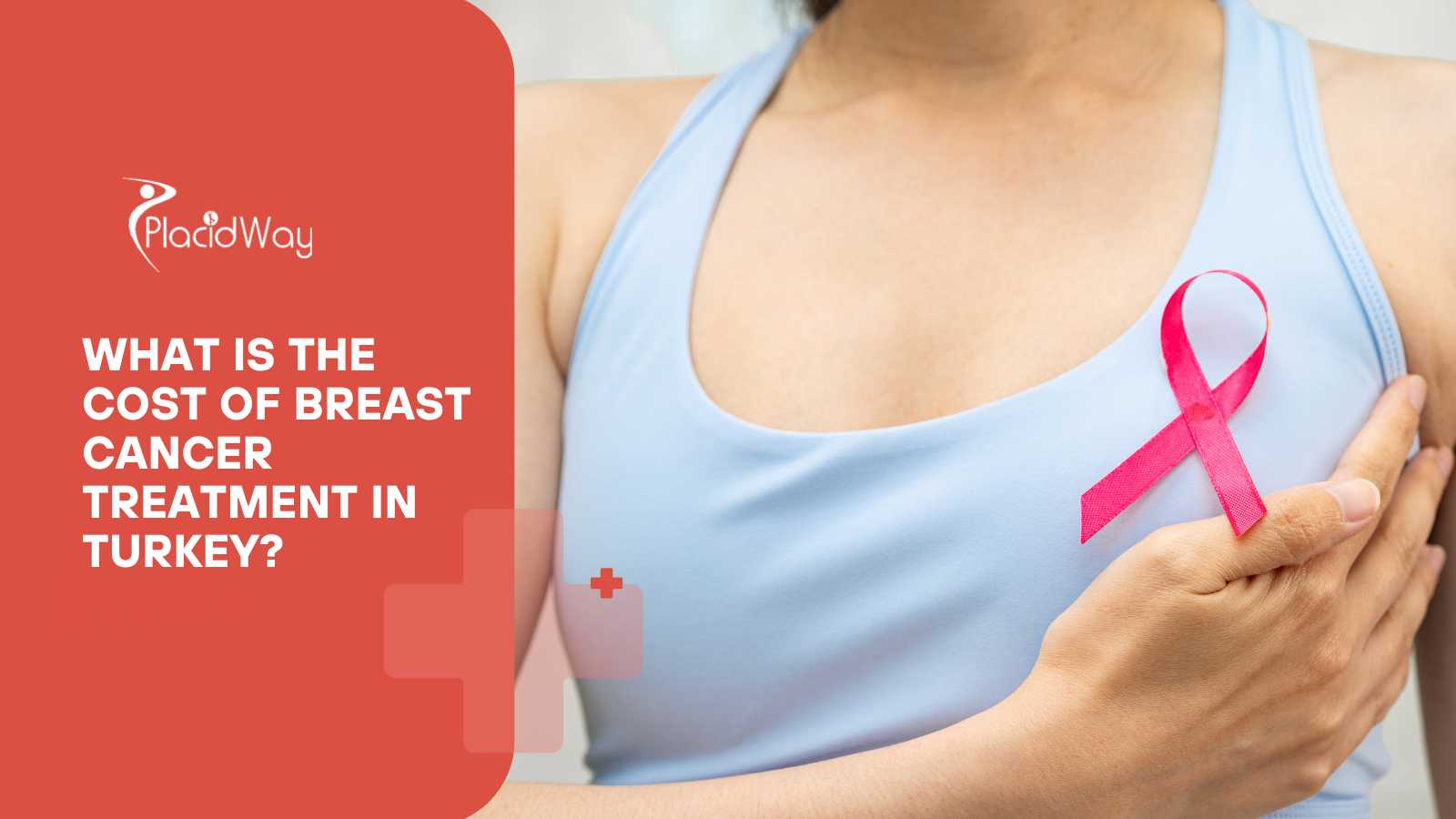
The Breast Cancer Treatment cost in Turkey typically ranges from $4,000 to $20,000. This estimate varies based on surgery type, chemotherapy cycles, facility standards, and the patient's individual medical needs and cancer stage.
Key Takeaways
- Care encompasses diagnostics, surgical interventions, and advanced systemic oncology protocols.
- Financial requirements vary significantly depending on whether the plan involves localized surgery or systemic treatments like chemotherapy.
- Patients must thoroughly verify the credentials and accreditations of any Breast Cancer Treatment clinic in Turkey before proceeding.
- Engaging in medical tourism in Turkey requires careful coordination for extended stays and flight clearances.
- Establishing a continuum of care with a local oncologist in your home country is critical for long-term health monitoring.
What factors influence the Breast Cancer Treatment cost in Turkey?
The total expense is primarily determined by the cancer stage, the specific combination of therapies needed, the hospital infrastructure, and the required duration of the patient stay.
Understanding the financial scope of oncology care requires breaking down the individual components of the treatment plan. Because breast cancer presents differently in every patient, there is no single standardized price. The foundational variable is the type of surgical intervention required. A localized lumpectomy, which conserves breast tissue, generally requires a shorter operating time and hospital stay compared to a full mastectomy, which subsequently alters the base surgical fee.
Beyond surgery, the necessity for systemic therapies dramatically impacts the overall budget. Patients requiring multiple cycles of chemotherapy or daily sessions of radiation therapy will incur higher medical fees. Furthermore, the inclusion of targeted biologic therapies, which utilize specialized medications designed to attack specific cancer cell markers, can significantly elevate the total expenditure due to the high manufacturing costs of these drugs.
The choice of facility also plays a role in pricing variations. Hospitals holding prestigious international accreditations often maintain higher fee structures reflecting their investment in technology, multidisciplinary tumor boards, and specialized support staff. Additionally, extended hospital admissions, complex reconstructive procedures performed concurrently, and extensive pre-operative diagnostic imaging all contribute to the final financial estimation.
| Procedure / Service | Estimated Starting Cost (USD) |
|---|---|
| Diagnostic Package (Imaging & Biopsy) | $800 - $1,500 |
| Lumpectomy (Breast-Conserving Surgery) | $3,000 - $5,500 |
| Mastectomy (Simple or Radical) | $4,500 - $8,000 |
| Chemotherapy (Per Cycle) | $1,000 - $2,500 |
| Radiotherapy (Standard Course) | $4,000 - $7,000 |
*Disclaimer: These are general estimates. Final prices depend on individual medical assessments, specific hospital policies, and required medication protocols.
What types of procedures are included in Breast Cancer Treatment in Turkey?
Oncology care typically involves surgical interventions like lumpectomies or mastectomies, followed by systemic therapies such as chemotherapy, radiation therapy, and specialized hormone treatments.
Surgical intervention remains the primary method for addressing localized breast tumors. When evaluating options for Breast Cancer Treatment in Turkey, multidisciplinary teams first determine if the patient is a candidate for breast-conserving surgery, known as a lumpectomy. If the tumor size or location prevents this, a mastectomy may be recommended to remove the entire breast tissue. In many suitable cases, reconstructive surgery can be initiated during the same operation.
Adjuvant therapies are frequently necessary to manage microscopic disease and reduce recurrence risks. Chemotherapy utilizes powerful medications to destroy rapidly dividing cells and is often administered in cycles over several months. Radiotherapy, which employs high-energy beams to target the surgical site, is commonly used following a lumpectomy to eliminate any remaining abnormal cells in the localized area.
For specific cancer subtypes, targeted therapies and hormone-blocking medications become vital components of the care plan. If pathology reports indicate the tumor is hormone-receptor-positive, medications that block estrogen or progesterone may be prescribed for several years. Similarly, tumors that overexpress specific proteins, like HER2, may be treated with biologic drugs designed to specifically inhibit those growth pathways.
Did You Know?
Many international oncology departments utilize multidisciplinary tumor boards. This means a team consisting of surgical oncologists, medical oncologists, radiologists, and pathologists collaboratively reviews your specific case to design a comprehensive treatment strategy.
How do I choose the right Breast Cancer Treatment clinic in Turkey?
Patients should prioritize facilities with recognized international accreditations, verified specialist credentials, transparent complication protocols, and comprehensive patient support services.
- Verify Accreditations: Look for hospitals accredited by organizations like the Joint Commission International, which indicates adherence to rigorous facility safety and patient care standards.
- Check Specialist Credentials: Ensure the attending surgical and medical oncologists have verifiable board certifications and specialized fellowship training in breast oncology.
- Evaluate Multidisciplinary Capabilities: A reputable Breast Cancer Treatment clinic in Turkey should have in-house pathology, advanced radiology, and a dedicated tumor board for comprehensive case reviews.
- Review Complication Protocols: Inquire directly about the facility procedures for managing unexpected surgical complications or severe reactions to systemic therapies.
- Assess Support Services: Medical travel involves complex logistics. Clinics that offer dedicated international patient coordinators, medical translation services, and assistance with local transfers provide a safer environment for travelers.
Is medical tourism in Turkey safe for cancer patients?
Traveling for care can be safe for suitable candidates when appropriately planned, requiring strict medical clearance from a primary oncologist and careful coordination with the receiving hospital.
Participating in medical tourism in Turkey while facing an oncology diagnosis presents unique challenges that require meticulous planning. The physical toll of the disease, combined with the stress of international travel, means that not all patients are medically fit to fly. Before booking any arrangements, patients must obtain formal clearance from their local healthcare provider, ensuring their blood counts, immune status, and general physical condition can withstand long-haul travel.
A primary safety concern involves the risk of deep vein thrombosis, commonly known as blood clots. Both active cancer and major surgery independently increase this risk, and long flights further compound the danger. Medical teams may prescribe specific prophylactic measures, such as compression garments or blood-thinning medications, to manage travel-related circulatory risks.
Furthermore, managing continuity of care is essential for safety. Medical tourism should not exist in a vacuum; it requires a seamless transfer of medical records, pathology slides, and imaging data between home providers and the international team. Patients must ensure they have a secure plan for local emergency care in their home country upon return, as complications from surgery or delayed side effects from systemic therapies can occur weeks later.
What is the typical recovery process after breast cancer surgery?
Initial surgical recovery involves a hospital stay of a few days followed by several weeks of restricted activity. Full recovery timelines depend heavily on whether subsequent adjuvant therapies are administered.
The immediate postoperative phase focuses on wound healing and pain management. Following a mastectomy or lumpectomy, patients typically remain hospitalized for one to three days for close monitoring. During this time, surgical drains may be placed to remove excess fluid from the surgical site. Patients are instructed on how to care for these drains and manage their incisions before being discharged to their hotel or local accommodation.
In the weeks following surgery, patients face strict mobility restrictions. Heavy lifting, strenuous exercise, and certain arm movements on the affected side are prohibited to allow the tissues to heal and prevent complications such as lymphedema. Physical therapy often begins gently to maintain shoulder mobility without straining the surgical area. Medications are prescribed to manage discomfort, which is typically described as soreness and tightness rather than acute pain.
It is crucial to understand that surgical recovery is only the first phase for many patients. If the multidisciplinary team recommends chemotherapy or radiation, the overall recovery timeline is significantly extended. These subsequent treatments introduce new side effects, such as fatigue and immunosuppression, meaning the patient must maintain a flexible schedule and prepare for a prolonged period of medical focus.
Important Consideration
Patients traveling for surgery must factor in an extended stay before attempting to fly home. Commercial airlines and medical professionals usually require a waiting period to ensure post-surgical stability and minimize the risks associated with cabin pressure changes.
Are there hidden expenses in the Breast Cancer Treatment cost in Turkey?
While initial medical quotes cover core procedures, patients must carefully budget for travel, extended local accommodations, specialized discharge medications, and potential complication management.
- Extended Accommodations: Systemic treatments like radiation require daily visits over several weeks, necessitating long-term hotel or apartment rentals that quickly add to the overall budget.
- Companion Travel Expenses: Traveling for major surgery requires a caregiver. Their flights, meals, and daily living expenses must be factored into the total cost of the journey.
- Specialized Post-Op Care: Items such as post-surgical compression garments, specific wound care supplies, and outpatient physical therapy sessions may not be included in the initial surgical package.
- Unforeseen Complications: If a patient experiences an infection, delayed healing, or severe reactions to medications, extended hospitalization or additional treatments will incur extra fees.
- Translation and Legalization: Translating extensive medical records prior to travel, and legally notarizing international medical documents for local home doctors, can involve unexpected administrative fees.
How does the quality of care in Turkey compare to other countries?
Many major urban hospitals participating in international healthcare maintain high standards, utilizing modern diagnostic technology and adhering to internationally recognized treatment guidelines for oncology.
The standard of care in large metropolitan centers frequently aligns with protocols used in Western medical systems. International hospitals invest heavily in modern infrastructure, including advanced imaging machinery like PET-CT scanners and precise radiation delivery systems like linear accelerators. This technological foundation allows oncology teams to perform complex diagnostics and deliver targeted therapies comparably to facilities in Europe or North America.
Furthermore, the medical professionals operating within these specialized centers often possess international experience. It is common for leading oncologists and surgeons in these facilities to have completed fellowships or specialized training programs abroad. They regularly participate in global medical conferences and utilize consensus guidelines published by recognized health organizations to formulate treatment plans.
However, quality is not uniform across all clinics nationwide. The disparity between highly accredited international medical centers and smaller regional clinics can be significant. Therefore, patients researching the Breast Cancer Treatment cost in Turkey must base their expectations on verified, accredited institutions rather than assuming equivalent quality across every medical facility in the country.
What travel documents are required for medical tourism in Turkey?
Entry requirements depend on your citizenship. Most patients require a passport valid for at least six months, a standard tourist e-visa or specific medical visa, and comprehensive translated medical records.
Before initiating travel, patients must ensure their passport meets the validity requirements established by border authorities. Typically, passports must remain valid for a minimum of six months beyond the intended date of entry. Depending on the patient citizenship, an electronic visa can often be secured online prior to departure, while others may require a formal visa application through a consulate, which can necessitate an official letter of invitation from the treating hospital.
In addition to legal travel documents, carrying physical and digital copies of comprehensive medical records is essential. This dossier should include recent blood work, detailed pathology reports, operative notes from previous surgeries, and high-resolution imaging files on a secure drive. Having these documents readily available prevents redundant testing and allows the receiving medical team to review the case immediately.
Patients should also carry a comprehensive list of their current medications in their original packaging, accompanied by a formal letter from their primary physician explaining the medical necessity of these drugs. Customs regulations regarding prescription medications vary, and having formal documentation ensures smooth transit through international borders while managing an ongoing health condition.
Why choose PlacidWay for organizing your medical journey?
PlacidWay provides robust informational resources and directory services to help patients compare international healthcare options and connect directly with medical providers globally.
- Centralized Research Directory: PlacidWay offers an extensive, searchable database allowing patients to discover and research facilities offering Breast Cancer Treatment in Turkey.
- Cost Transparency Profiles: The platform provides initial cost estimates and pricing frameworks to help patients understand regional financial differences before initiating contact.
- Direct Provider Connection: Patients can utilize the platform to connect with customer support teams and facilitate introductory communications with international hospital coordinators.
- Facility Information Access: PlacidWay supplies detailed provider profiles that outline the hospital accreditations, available specialties, and spoken languages at various clinics.
- Patient Empowerment: By centralizing data, the service empowers individuals to independently evaluate their options and make informed healthcare decisions based on factual facility information.
Frequently Asked Questions
How long does breast cancer treatment take in Turkey?
The timeline varies significantly depending on the protocol. Surgery may require a two to three week stay for initial recovery and follow-up, while full courses involving chemotherapy or radiation can span several months, sometimes requiring multiple trips.
Is chemotherapy always necessary for breast cancer?
Systemic therapies are not required for every patient. The need for chemotherapy depends on the cancer stage, tumor characteristics, hormone receptor status, and the multidisciplinary oncology board recommendations.
Can I fly immediately after breast cancer surgery?
Flying immediately after surgery is generally discouraged due to the risks of deep vein thrombosis and changes in cabin pressure affecting healing tissues. Surgeons typically advise waiting at least ten to fourteen days before air travel.
Do Turkish hospitals use internationally recognized protocols?
Many large private hospitals participating in medical tourism follow guidelines established by international medical societies, such as those from the American Society of Clinical Oncology or European Society for Medical Oncology.
What languages are spoken at a typical Breast Cancer Treatment clinic in Turkey?
While Turkish is the national language, major facilities catering to international patients usually employ English-speaking medical staff and provide dedicated translation services for other languages.
Does insurance cover medical tourism in Turkey?
Coverage varies extensively by provider. Most standard domestic health insurance plans do not cover cross-border elective care, though some specialized international policies or employers may offer specific medical travel benefits.
What is the success rate of breast cancer treatments?
Survival rates depend entirely on the stage at diagnosis, tumor biology, and patient health. Treatment aims to manage the disease effectively, but outcomes vary and no medical procedure carries a guaranteed success rate.
Are targeted therapies available in Turkey?
Yes, many oncology centers offer targeted biologic therapies and immunotherapies. However, availability and approval of specific drugs may differ from those in your home country, and costs can be substantial.
Can I get a second medical opinion before traveling?
Requesting a remote second opinion is a common and recommended practice. Patients can send their pathology reports and imaging scans to international oncology departments for preliminary review before making travel decisions.
Will I need to return to Turkey for follow-up care?
While initial post-operative follow-ups happen locally, long-term monitoring usually occurs in the patient home country. It is vital to establish a relationship with a local oncologist who can take over care upon your return.
Take the Next Step in Your Healthcare Journey
Explore your options, compare facility capabilities, and request detailed treatment information to make an informed decision regarding your health.
Request Treatment InformationMedical Disclaimer: The information provided in this article is for educational purposes only and should not be considered as medical advice. Treatment options and outcomes vary significantly between patients. Always consult with a qualified healthcare professional regarding diagnosis, treatment plans, and travel for medical purposes. Pricing data is estimated and subject to change based on individual facility rates and patient requirements.

.png)


.png)

.png)








Share this listing