


Breast Cancer Treatment Costs in Turkey Compared With NHS Care for UK Patients
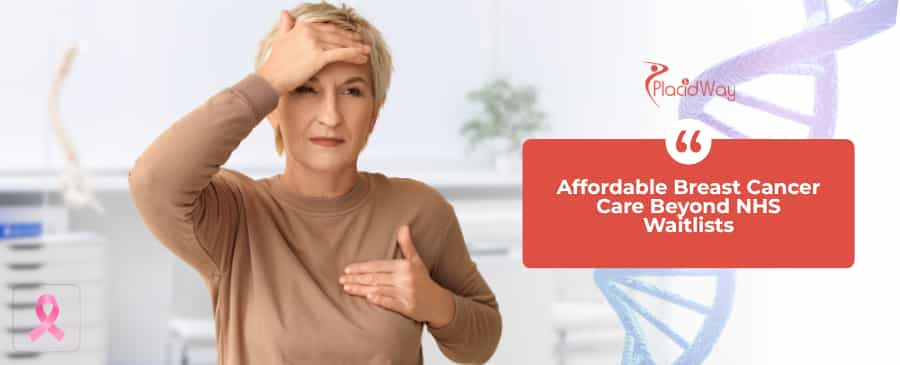
Hearing the words "you have breast cancer" is a moment that shatters your world. The fear is immediate, heavy, and completely overwhelming. You want the mass gone, the treatment started, and your life back on track as quickly as humanly possible. But if you live in the UK, that initial shock is often followed by a secondary, agonizing realization: the waiting list.
We know the desperate calculus running through your mind right now. The NHS is an incredible institution, but dealing with the current backlog means you might wait 4 to 8 weeks sometimes longer just to begin critical interventions. When you are fighting an aggressive tumor, every single day feels like a ticking clock. Naturally, you look at the private sector, only to discover that private breast cancer treatment in the UK can easily drain £30,000 to £40,000 from your family’s life savings. It feels incredibly unfair to have to choose between your financial survival and your physical health.
This is exactly why thousands are researching the cost of cancer treatment abroad. You need reassurance, honest facts, and a clear path forward. In this comprehensive guide, we will break down exactly how much breast cancer treatment in Turkey costs, compare the quality directly to the UK, and show you how you can access immediate, world-class affordable breast cancer care without the crippling anxiety of waiting lists.
Quick Facts: UK Care vs. Breast Cancer Treatment in Turkey
What Is Comprehensive Breast Cancer Treatment?
Understanding what you actually need is the first step in regaining control. Breast cancer is complex, and no two patients have the exact same journey. However, standard international protocols which Turkish medical professionals strictly adhere to generally follow a multi-step process. Here is what comprehensive care typically involves:
- Diagnostics and Staging: Before any scalpel is lifted, exact imaging is required. This involves advanced PET-CT scans, MRIs, and biopsies to determine the exact size, location, and genetic makeup of the tumor.
- Surgical Intervention: The primary goal is removing the cancer. A lumpectomy removes just the tumor and surrounding tissue (conserving the breast). A mastectomy removes the entire breast tissue. In leading hospitals, immediate breast reconstruction can be done during the same surgery.
- Chemotherapy: If the cancer is aggressive or has spread, powerful intravenous drugs are used to kill rapidly dividing cancer cells. Sometimes this is done before surgery (neoadjuvant) to shrink the tumor.
- Radiotherapy: High-energy beams (like X-rays or protons) are precisely targeted at the surgical site to obliterate any microscopic cancer cells that might have been left behind.
- Targeted Therapy & Hormone Therapy: Depending on your tumor's receptor status (like HER2-positive or ER-positive), specific daily oral medications or infusions will be prescribed to block the hormones or proteins fueling the cancer.
The beauty of modern medical tourism is that you do not have to compromise on any of these steps. You receive the exact same multi-disciplinary tumor board approach abroad that you would expect from Harley Street in London.
Why Choose Private Breast Cancer Treatment UK vs Turkey?
Why are so many British women flying 4 hours away during the most vulnerable time of their lives? Because the alternatives are increasingly unworkable. Here is how Turkey compares to your options at home:
- Immediate Action vs. Harrowing Waits: The NHS is overwhelmed. Cancer targets are frequently missed. In Turkey, you can have your consultation on a Monday and be in the operating theater by Wednesday. That speed not only saves lives but stops the agonizing mental torture of waiting.
- Financial Relief vs. Ruin: UK private healthcare is incredibly expensive. A mastectomy alone can cost £10,000 privately in the UK. In Turkey, that same surgery costs a fraction of the price, allowing you to access premium healthcare without taking out a second mortgage.
- Cutting-Edge Technology: The oncology centers in Turkey are heavily funded and practically brand new. You will be treated using TrueBeam linear accelerators for radiation, Da Vinci robotic surgery systems, and the latest generation of PET-CT scanners.
- VIP Compassionate Care: The medical tourism infrastructure in Turkey is built around international patients. You get a dedicated English-speaking coordinator, private VIP hospital rooms, and 24/7 nursing care that makes you feel like a priority, not a number.
- All-Inclusive Ecosystems: Unlike the fragmented care sometimes experienced in the UK where you bounce between different trusts, Turkish mega-hospitals have surgery, medical oncology, radiation oncology, and reconstruction plastic surgeons all under one single roof.
What Is the Cost of Chemotherapy in Turkey for UK Patients and Other Procedures?
Let us look at the hard numbers. The cost of cancer treatment abroad is significantly lower, but the actual medications and tools are exactly the same. The savings come from lower labor costs, reduced administrative overhead, and the strength of the British Pound against the Turkish Lira.
| Procedure / Phase | UK Private Cost | Turkey Cost | Savings % |
|---|---|---|---|
| PET-CT Scan & Full Diagnostics | £1,500 - £2,500 | £500 - £800 | 60-68% |
| Lumpectomy (Surgery) | £5,000 - £8,000 | £2,500 - £4,000 | 50-60% |
| Mastectomy (Without Reconstruction) | £8,000 - £12,000 | £3,500 - £5,500 | 50-65% |
| Chemotherapy (Per Cycle) | £1,500 - £3,000 | £400 - £1,200 | 60-70% |
| Radiotherapy (Full Course) | £8,000 - £15,000 | £3,000 - £6,000 | 60-70% |
But why is it so much cheaper? Are they cutting corners? Absolutely not. The breast cancer surgery cost in Turkey compared to private UK care differs purely because of macroeconomics. The salaries for highly trained surgeons, nurses, and administrative staff in Turkey are significantly lower than in London or Manchester. Building leases and utilities cost less. The physical drugs—like Herceptin or Doxorubicin are purchased from the exact same global pharmaceutical companies. You are paying for the medicine and the expertise, not the inflated British hospital overhead.
Is It Safe to Travel to Turkey for Breast Cancer Treatment?
It is entirely normal to be terrified about going abroad for something as serious as cancer. What if there is an infection? What if the doctors aren't as good? We hear these fears every single day. The truth is, Turkey has spent billions turning itself into a global medical hub, and their top hospitals are often more modern and rigorously audited than older NHS facilities.
| Quality Metric | UK Hospitals | Turkish Hospitals | Notes |
|---|---|---|---|
| Clinical Guidelines | NICE / ESMO | ESMO / ASCO | Both follow elite global oncology protocols. |
| Medication Brands | FDA/EMA Approved | FDA/EMA Approved | Exact same chemotherapy and hormone drugs. |
| Surgical Infection Rate | 1-3% | 1-3% | Strict sterile environments in both. |
| Doctor Credentials | GMC Registered | Turkish Med Board / Often US/EU Fellowships | Many Turkish oncologists train internationally. |
Here is what guarantees your safety when researching success rates for breast cancer treatment in Turkey:
- JCI Accreditation: Look strictly for Joint Commission International certified hospitals. This is the gold standard of global healthcare. If they have it, their hygiene and safety match Western standards perfectly.
- Multi-Disciplinary Tumor Boards: In Turkey, your case isn't handled by just one doctor. A team of surgeons, medical oncologists, radiologists, and pathologists meet to review your scans and agree on the absolute best evidence-based path forward.
- Intensive Care Units: You are in massive, fully equipped medical cities. If an incredibly rare complication occurs, you are steps away from world-class ICUs.
- Language Barriers Handled: Reputable centers assign you a 24/7 bilingual patient advocate. You will never be confused about your medication or surgical plan.
How to Get Private Breast Cancer Treatment in Turkey: The Process
Navigating international healthcare is easier than you think. The entire process is streamlined for foreign patients. Here is what your timeline will look like:
- Initial Video Consultation (Days 1-3): You submit your current UK scans and biopsy reports securely online. A Turkish oncologist reviews them and conducts a video call with you to discuss the proposed treatment plan and exact costs.
- Arrival & Diagnostics (Days 4-5): You fly to Istanbul or Ankara. A private transfer takes you to your hotel or hospital room. Fresh blood tests and PET-CT scans are done immediately to ensure absolute precision.
- The Surgery Phase (Days 6-14): If surgery is required first, it is performed promptly. You will spend 2 to 4 nights in the hospital, and then recover in a nearby partner hotel while nurses visit you for checkups.
- Adjuvant Therapy (Weeks 3+): If you require chemotherapy or radiotherapy, you have choices. Some patients stay in Turkey in affordable long-term apartments for the 3 to 6-week duration. Others fly back to the UK and return to Turkey every 21 days for their chemo infusions.
Important considerations for your journey:
- Fit to Fly: Always confirm with your UK doctor that you are currently stable enough to take a 4-hour commercial flight.
- Bring a Companion: Cancer surgery is emotionally and physically exhausting. Having a spouse, friend, or family member with you is highly recommended.
- Travel Insurance: Standard holiday insurance won't cover medical tourism complications. You must secure specialized medical travel insurance.
- NHS Handoff: When your primary treatment in Turkey concludes, you will be given a massive file of translated medical records to hand back to your NHS GP for long-term monitoring and hormone prescriptions.
Are You a Good Candidate for Treatment Abroad?
Not everyone should jump on a plane. It requires honest evaluation of your physical state and your goals.
You are likely a great candidate if:
- You have been newly diagnosed and told the NHS wait is 4+ weeks.
- You want a specific procedure (like immediate microvascular reconstruction) that is hard to access quickly at home.
- You cannot afford £30,000 for UK private care, but have £5,000 to £10,000 saved for your health.
- You are physically stable and cleared to fly.
- You want a second opinion from a world-renowned oncology board.
- You prefer a private, VIP hospital environment to recover in peace.
You may need to reconsider if:
- You are severely immunocompromised: If you are currently in the middle of heavy chemotherapy and your white blood cell count is critically low, flying exposes you to unnecessary infection risks.
- You have an acute medical emergency: If the tumor is causing immediate organ failure requiring life-support, stay at your local UK emergency hospital.
- You have no travel support: Navigating a foreign city alone right after a mastectomy is exceptionally difficult physically.
- You expect the NHS to fund it: Unless you have prior authorization under specific cross-border healthcare directives (which are incredibly rare post-Brexit), you will be paying out of pocket.
- You have severe flight anxiety or heart conditions: Adding massive travel stress to a cancer diagnosis might do more harm than good.
If you fit the criteria for a great candidate, your very next step should be a no-obligation video consultation with a Turkish oncologist. You have nothing to lose by getting a second opinion.
Frequently Asked Questions
When you are researching such a monumental health decision, questions are bound to keep you up at night. Below, we cover the exact concerns patients from the UK ask us every day regarding cost, safety, and logistics when choosing Turkey for their breast cancer care.
How much does breast cancer treatment cost in Turkey for UK patients?
Comprehensive breast cancer treatment in Turkey typically costs between £5,000 and £15,000 depending on whether you need surgery, chemotherapy, or radiotherapy. This is roughly 50% to 70% less than paying for private breast cancer treatment in the UK, which can easily exceed £30,000.
Why do UK patients travel to Turkey for cancer treatment instead of using the NHS?
While the NHS provides free care, waiting times for initial specialist consultations and subsequent treatments can stretch to 4 to 8 weeks or more. Turkey offers immediate admission (often within 48 hours), bypassing the NHS backlog and providing private, high-quality care without the massive UK private hospital price tag.
What is the cost of chemotherapy in Turkey for UK patients?
Chemotherapy in Turkey ranges from £400 to £1,200 per cycle, depending on the specific FDA-approved drugs used. In contrast, private UK clinics often charge £1,500 to £3,000 per cycle for the exact same medications.
Are oncology centers in Turkey safe and regulated?
Yes. Top-tier hospitals in Turkey hold Joint Commission International (JCI) accreditation, meaning they adhere to the same stringent safety, hygiene, and clinical protocols as premier hospitals in Europe and the United States.
What are the success rates for breast cancer treatment in Turkey?
The success and 5-year survival rates in accredited Turkish hospitals mirror those of the UK and US, averaging around 85% to 90% for early-stage breast cancer. They follow European Society for Medical Oncology (ESMO) guidelines.
Will I receive the same quality of cancer drugs abroad?
Absolutely. Turkish oncology departments use identical international drug brands (like Herceptin, Taxol, and Keytruda) as the NHS and UK private sectors. You are receiving the exact same pharmacology, simply administered in a more affordable healthcare economy.
How quickly can I start treatment in Turkey compared to the NHS?
In Turkey, you can often consult with an oncologist, undergo PET-CT scans, and begin surgery or chemotherapy within 2 to 5 days of arrival. The NHS current target is 31 days from the decision to treat, but backlogs frequently push this timeline further.
Is it safe to travel to Turkey for breast cancer treatment alone?
While many patients do travel alone and receive excellent care from dedicated international patient coordinators, bringing a companion is highly recommended. Cancer treatment is physically and emotionally taxing, and having support during recovery is vital.
How many trips will I need to make to Turkey?
This depends entirely on your personalized treatment plan. Surgery requires a 1 to 2-week stay. If you need radiotherapy (usually 3-5 weeks of daily sessions), you may need to stay continuously. Some patients return to the UK between chemotherapy cycles.
Can I combine Turkish private care with NHS follow-up?
Yes. Upon returning to the UK, your Turkish oncologist will provide translated, detailed medical records and operative reports. Your local GP or NHS oncologist can use these to seamlessly resume your long-term monitoring, hormone therapy, or routine scans.
What happens if there are complications during surgery?
Reputable JCI-accredited hospitals in Turkey are fully equipped with advanced Intensive Care Units (ICUs) and multi-disciplinary medical teams to handle any surgical complications immediately, just as a UK hospital would.
How can I verify a Turkish hospital before committing?
Always look for JCI accreditation, check the credentials of the oncology board, read verified international patient reviews, and demand transparent, written pricing quotes before transferring any funds or booking flights.
Take Control of Your Health Today
References
- Cancer Research UK. "Breast Cancer Treatment Options and Guidelines."
- Joint Commission International. "JCI Accredited Organizations Database."
- PlacidWay Medical Tourism. "Cancer Treatments in Turkey: Top Hospitals and Procedures"
.png)

.png)
.png)

.png)








Share this listing