


Breakthrough Cancer Treatment in Turkey: British Patient’s Journey to Recovery Using Chemosaturation
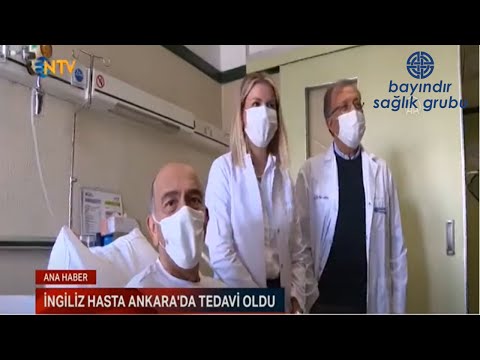
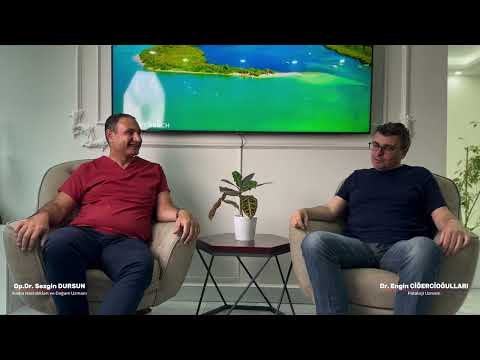
In a world where a terminal diagnosis often feels like the end of the road, Turkey is emerging as a beacon of hope for international patients seeking cutting-edge oncological interventions. The story of Nader Farahnak, a 62-year-old British citizen, highlights the critical gap between standard care and advanced medical innovation. After being told his malignant melanoma had spread to his liver and that further treatment options in the UK were exhausted, Farahnak turned to the specialized medical hubs of Ankara. This video explores how Turkish healthcare professionals are utilizing rare, highly technical procedures like chemosaturation to save lives that were previously deemed untreatable.
Video Chapters & Navigation
The Remarkable Case of Nader Farahnak: From UK to Ankara
The journey of Nader Farahnak begins with a diagnosis that many fear: malignant melanoma. While melanoma is often associated with skin cancer, its ability to metastasize to internal organs, particularly the liver, makes it one of the most aggressive forms of the disease. At [00:26], the report explains that Farahnak was informed in his home country that his chances of survival were effectively non-existent after standard treatments failed.
This "no-option" scenario is a common reality for many patients in Western healthcare systems where bureaucratic delays or strict adherence to standard protocols can limit access to emerging therapies. Farahnak's decision to travel to Turkey was not just about seeking a cheaper alternative; it was a desperate search for advanced technology that could offer a second chance at life.
In Ankara, a specialized team at a private hospital took on the challenge. Unlike the prognosis he received in the UK, the Turkish medical team, led by internationally recognized experts, saw a window of opportunity using Interventional Radiology. This proactive approach is a hallmark of the Turkish private medical sector, which prioritizes rapid diagnostic turnaround and immediate surgical or radiological intervention.
Understanding the Rare 'Chemosaturation' Method
At the heart of this success story is a procedure known as Chemosaturation, or Percutaneous Hepatic Perfusion (PHP). As Prof. Dr. Okan Akhan, Head of the Radiology Department, explains at [00:44], this is a highly technical interventional radiological method. It is currently applied in only a handful of centers worldwide due to its complexity and the multidisciplinary coordination required.
How Chemosaturation Works
The primary challenge in treating liver cancer with traditional chemotherapy is the toxicity to the rest of the body. To kill cancer cells in the liver, high doses of drugs are needed, but these doses would be fatal if they reached the heart or lungs. Chemosaturation solves this by temporarily "isolating" the liver from the body's general blood circulation.
During the procedure, catheters are used to block the veins leading away from the liver. A very high concentration of chemotherapy is then pumped directly into the liver's arterial supply, bathing the organ in medicine. Before the blood leaves the liver to return to the heart, it is redirected through an external filtration system that "scrubs" the chemotherapy out of the blood. The cleaned blood is then returned to the patient’s systemic circulation [00:58].
| Feature | Standard Chemotherapy | Chemosaturation (PHP) |
|---|---|---|
| Targeting | Systemic (whole body) | Organ-specific (Liver) |
| Drug Dosage | Limited by toxicity | Ultra-high concentration |
| Side Effects | Hair loss, nausea, organ damage | Minimized systemic exposure |
| Recovery | Long-term recovery cycles | Rapid, organ-targeted healing |
Why International Patients are Choosing Turkey
Nader Farahnak’s testimony at [01:41] sheds light on a significant motivator for medical tourism: speed. He mentions that in the UK, the processes related to these treatments are often "very slow." For a cancer patient, time is the most valuable currency. A delay of several months in starting a specialized treatment can mean the difference between a treatable condition and a terminal one.
In contrast, Farahnak notes that from his first application to a Turkish facility, he received a very fast response and rapid implementation of the treatment plan. This efficiency is a core strength of the Turkish private healthcare infrastructure. Hospitals in Ankara and Istanbul are equipped with the latest diagnostic imaging (PET-CT, 3T MRI) and are staffed by doctors who often have international experience in the US or Europe.
Furthermore, the cost-effectiveness of these advanced treatments in Turkey allows private hospitals to invest in rare technologies like the Hepatic Chemosaturation system, which might not be financially viable or approved for widespread use in state-funded systems like the NHS.
The Multidisciplinary Approach: 15 Specialists for One Patient
One of the most impressive details revealed by Prof. Dr. Okan Akhan at [01:23] is that this procedure is not a solo effort. It involves a team of approximately 15 healthcare professionals. This team includes interventional radiologists, oncologists, anesthesiologists, perfusionists (who manage the external filtration), and specialized nursing staff.
This level of coordination is necessary because the procedure is essentially a hybrid of surgery and radiology. The patient's vitals must be monitored with extreme care while the liver is isolated. This multidisciplinary collaboration ensures that every aspect of the patient's health—from cardiovascular stability to oncological efficacy—is managed simultaneously.
Doc. Dr. Ece Esin, a Medical Oncology Coordinator, notes at [02:11] that because the drug does not enter the bloodstream in significant amounts, the patient is protected from the grueling side effects usually associated with chemotherapy. This is a revolutionary shift for patients who are often too weak to endure traditional chemo cycles.
The Outcomes: Life After Treatment
The results for Nader Farahnak have been life-changing. Following the procedure in Ankara, his liver enzymes—a key indicator of liver health and cancer activity—returned to normal [02:16]. He reported feeling significantly better and has been able to return to his daily activities.
This success highlights the importance of "Interventional Oncology," a subspecialty that uses image-guided technology to treat tumors with pinpoint accuracy. For patients with liver-dominant metastatic disease, Turkey is proving that even if the primary cancer cannot be fully eradicated, the metastatic spread can be controlled, effectively turning a terminal diagnosis into a manageable chronic condition and significantly extending the patient's lifespan.
Key Takeaways for International Patients:
- Access to Rare Technology: Procedures like Chemosaturation (PHP) are available in Turkey when they might be unavailable elsewhere.
- Expert Surgeons: Doctors like Prof. Dr. Okan Akhan are global leaders in interventional radiology.
- Speed of Care: Faster consultation and treatment start times compared to Western public health systems.
- Quality of Life: Targeted treatments reduce systemic toxicity, allowing for a better recovery experience.
Explore Advanced Cancer Treatments in Turkey
PlacidWay Medical Tourism connects you with world-class hospitals and oncologists in Turkey, offering cutting-edge procedures like chemosaturation (PHP) for liver metastases. Our team handles all the details—from hospital selection to treatment coordination—so you can focus on your recovery and getting the best possible care.
GET A FREE QUOTEView Full Video Transcript
[00:00] A British cancer patient came to Turkey after treatments in his own country yielded no results. Treated at a private hospital in Ankara, the patient regained his health with a method rarely applied in the world.
[00:15] The Radiology Department Head of the hospital, Professor Doctor Okan Akhan, stated that the treatment was carried out by a team of 15 people. He said, 'We apply this treatment for patients who have no other options.'
[00:26] (News Anchor) They said he had no chance of survival. Thanks to Turkish physicians, he regained his health. The British patient with liver cancer clung to life with the chemosaturation method—direct delivery of chemotherapy to the cancerous organ.
[00:44] (Prof. Dr. Okan Akhan) This is an interventional radiological technique. We set up such a system that we take the medicine we send to the liver through a special catheter without sending it to other parts of the body or the heart. We filter and clean it outside and return this cleaned blood to the systemic circulation.
[01:06] 62-year-old Nader Farahnak, diagnosed with malignant melanoma in England, was found to have the disease spread to his liver. Treatments in his country failed.
[01:19] Through a Turkish mediator he met by chance, he reached the private hospital in Ankara. It is a very complicated procedure, and a team of about 10-15 people works while performing it.
[01:34] If we had not applied this treatment, we could say that the expected survival would be very short.
[01:41] (Nader Farahnak) I thank my doctors very much. I feel very good right now. Processes regarding such treatments in England move very slowly. In Turkey, I received a very fast response from my first application. I recommend it to everyone in a similar situation.
[01:56] Prof. Dr. Okan Akhan pointed out that they increased the patient's quality of life with the method applied. The method also eliminates the unwanted side effects of chemotherapy.
[02:11] (Doc. Dr. Ece Esin) Since the drug does not mix with the blood, we also protect the patient from the side effects. Our patient's health condition is very good right now; liver enzymes are completely normal, and he continues his daily activities.

.png)

.png)
.png)
.png)










Share this listing