
Facing a diagnosis of advanced stage cancer is one of the most challenging experiences an individual can endure. When the disease has spread extensively, finding the right medical expertise becomes a critical priority. For patients battling complex malignancies, accessing advanced Cancer Treatment in Istanbul, Turkey has become a beacon of hope.
By combining state-of-the-art medical technology with highly skilled specialists, Turkish hospitals are redefining what is possible in modern oncology. Through innovative procedures like comprehensive debulking surgery and hyperthermic intraperitoneal chemotherapy, medical teams are offering advanced therapeutic options. This overview highlights the profound impact of global healthcare access and specialized oncology care in Istanbul.
Quick Navigation
- Navigating Advanced Cancer
- The Rise of Medical Tourism in Turkey
- Multidisciplinary Tumor Boards
- Neoadjuvant Chemotherapy Protocols
- Mastering Debulking Surgery
- HIPEC: Eradicating Microscopic Cancer
- Intensive Post-Operative Care
- Targeted Therapy & Immunotherapy
- Maintaining Remission & Follow-Up
- Global Healthcare Access
Understanding Advanced Ovarian Cancer and Complex Metastases
The Progression of Ovarian Cancer
Ovarian cancer is frequently characterized by subtle early symptoms. By the time individuals experience significant discomfort, the disease may have progressed to stage III or stage IV. In these advanced stages, malignant cells have migrated beyond the pelvic region, disseminating throughout the abdominal cavity and occasionally reaching distant sites.
Challenges of Treating Complex Metastases
Aggressive cancers can sometimes present with complex metastases, complicating the clinical picture significantly. Treating cancer that has spread requires a meticulously coordinated strategy. The presence of distant metastases indicates that tumor cells are highly invasive.
Medical professionals must prioritize stabilizing neurological or systemic symptoms while simultaneously addressing the primary tumor burden. This dual-front battle necessitates advanced diagnostic imaging and a rapid, decisive treatment protocol. While advanced stage diagnoses present clinical hurdles, survival rates and treatment outcomes are continuously improving thanks to breakthroughs in medical science.
A comprehensive treatment paradigm that includes systemic therapy and surgical intervention can drastically alter the prognosis. Understanding the nature of the disease empowers individuals and their families to make informed decisions regarding international medical travel and cutting-edge therapies.
Why Cancer Treatment in Istanbul Turkey is Gaining Global Recognition
World-Class Oncology Centers
Over the past decade, Istanbul has established itself as a premier destination for medical tourism, particularly in the field of oncology. Patients from across the globe, including Africa, Europe, and the Middle East, choose Turkish hospitals for comprehensive cancer care. The decision to travel abroad is often driven by exceptional medical quality, immediate availability of treatments, and affordable care packages.
Leading accredited institutions in Istanbul exemplify the high standards of Turkish healthcare. Facilities are equipped with the latest technology for precise diagnostics and robotic-assisted surgeries. Furthermore, medical staff frequently undergo advanced training internationally, bringing global best practices back to their domestic clinics.
Cost-Effective Comprehensive Cancer Care
For international patients, this means receiving world-class care that rivals top hospitals in Western nations. The cost of cancer surgery in Istanbul is significantly lower than in the United States or the United Kingdom. This financial accessibility does not come at the expense of quality; favorable economic conditions and robust healthcare infrastructure allow clinics to offer premium services at reduced rates.
| Treatment Component | Average Cost in USA/UK | Average Cost in Istanbul, Turkey |
|---|---|---|
| Comprehensive Diagnostics & Scans | $5,000 - $10,000 | $1,000 - $2,500 |
| Debulking Surgery & Hospital Stay | $40,000 - $80,000 | $12,000 - $20,000 |
| HIPEC Treatment (Heated Chemotherapy) | $30,000 - $50,000 | $8,000 - $15,000 |
The combination of experienced gynecologic oncology surgeons in Turkey, compassionate nursing staff, and state-of-the-art facilities creates an optimal environment for healing. Traveling for medical care represents a strategic choice for securing optimal health outcomes.
The Multidisciplinary Approach to Gynecologic Oncology
Collaborative Tumor Boards in Top Turkish Hospitals
Complex, advanced-stage cancer requires collaborative medical efforts. In top-tier medical facilities in Istanbul, every new cancer diagnosis is reviewed by a multidisciplinary tumor board. This council of experts ensures that every facet of a patient's condition is scrutinized from multiple medical perspectives.
A typical oncology council for gynecologic cancers consists of various highly specialized professionals working in tandem:
- Medical Oncologists: Specialists who determine optimal systemic chemotherapy and targeted immunotherapy drugs.
- Gynecologic Oncology Surgeons: Experts trained in complex pelvic and abdominal surgeries necessary for successful debulking.
- Radiation Oncologists: Doctors who evaluate targeted radiation options for localized metastases.
- Nuclear Medicine Radiologists: Professionals who analyze intricate PET and MRI scans to pinpoint exact tumor locations.
Personalized Treatment Plans for Complex Cases
This collaborative approach is vital when dealing with aggressive diseases. Tumor boards evaluate the proper sequencing of treatments—such as deciding whether to initiate systemic chemotherapy first or proceed directly to surgery—to minimize delays, prevent fragmented care, and optimize outcomes.
The Crucial Role of Neoadjuvant Chemotherapy
Shrinking Tumors Before Surgery
When an individual presents with a high tumor burden, immediate surgery may be deemed risky. In such scenarios, oncology boards often recommend neoadjuvant chemotherapy, which involves administering systemic anti-cancer drugs before surgical intervention.
The primary goal is to shrink tumors, reduce fluid accumulation (ascites) in the abdomen, and halt disease progression. Patients typically undergo several cycles of chemotherapy over a period of three to four months.
Monitoring Treatment Efficacy Through Advanced Imaging
During this timeframe, regular blood tests to check tumor markers (such as CA-125) and advanced radiological scans are conducted. A positive response transforms a previously inoperable patient into a prime candidate for cytoreductive surgery, maximizing treatment efficacy while managing physical strength.
What is Debulking Surgery (Cytoreductive Surgery)?
Maximum Surgical Effort for Ovarian Cancer
The cornerstone of advanced ovarian cancer treatment is debulking surgery. The objective is to remove all visible signs of cancer from the body. Achieving optimal debulking or zero residual disease is the single most important surgical factor in extending patient survival.
Surgical Removal of Affected Tissues
During this comprehensive operation, the gynecologic oncology surgeon examines the abdominal and pelvic cavities. The procedure frequently involves the removal of the uterus, ovaries, fallopian tubes, omentum, and affected peritoneum. In extensive cases, surgeons may also address tumors attached to the bowel, spleen, liver, or diaphragm.
The Power of HIPEC: Heated Intraperitoneal Chemotherapy
How Hyperthermic Treatment Targets Microscopic Cells
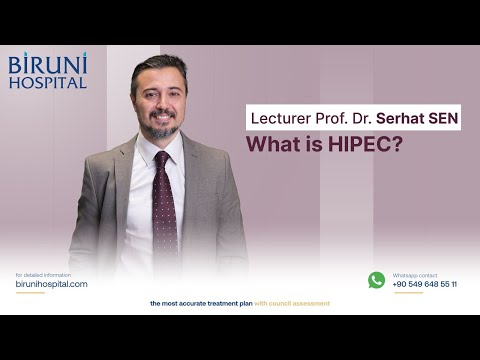
While debulking surgery removes macroscopic tumors, microscopic cancer cells can remain hidden within the abdominal cavity. To combat recurrence, elite oncology centers employ HIPEC treatment.
HIPEC is administered immediately after tumor removal while the patient is under anesthesia. The surgical team bathes the abdominal cavity with a concentrated, heated chemotherapy solution, continuously circulating the fluid for approximately an hour and a half.
The Synergistic Effect of Heat and Chemotherapy
Warming chemotherapy drugs to around 41-42 degrees Celsius causes blood vessels in remaining tissues to dilate, enhancing drug penetration directly into peritoneal surfaces and destroying lingering microscopic cancer cells.
Intensive Post-Operative Care and Recovery
The Importance of Specialized ICUs
Cytoreductive surgery combined with HIPEC places an extraordinary physiological strain on the body, requiring specialized surgical Intensive Care Units (ICUs) where teams monitor vital signs, manage fluid balances, and ensure pain control around the clock.
Transitioning from Hospital to Home
Hospitalization may last up to a month to ensure stabilization. Comprehensive support systems—including physical therapy and specialized nutritional planning—help restore overall well-being and prepare patients for outpatient care.
Targeted Therapy and Immunotherapy Breakthroughs
Elevating Standard Care
Post-operative systemic treatments are essential to prevent recurrence. Targeted therapies, such as PARP inhibitors, focus on specific genetic mutations or proteins that cancer cells rely on to grow.
Maintaining Remission with Innovative Drugs
Immunotherapy stimulates the body's immune system to recognize and destroy cancer cells. Integrating these breakthrough medications into post-operative regimens reduces relapse likelihood while maintaining a high quality of life.
Long-Term Follow-up and Life After Ovarian Cancer
Structured Monitoring Protocols
Reaching complete remission requires a lifelong commitment to structured follow-up protocols. Check-ups typically occur every three months for the first two to three years, including physical examinations, tumor marker blood tests, and advanced imaging modalities.
Renewed Hope and Quality of Life
Intensive monitoring detects microscopic signs of recurrence early, allowing for immediate intervention. Continuous medical surveillance provides psychological reassurance, empowering survivors to look toward the future with optimism.
Ready to Explore Advanced Cancer Treatment Options in Istanbul, Turkey?
PlacidWay Medical Tourism connects you with top-rated oncologists and internationally accredited hospitals for Cancer Care in Istanbul. Get access to life-saving debulking surgery, HIPEC, and immunotherapy at affordable prices.
GET A FREE MEDICAL QUOTE

.png)


.png)
.png)

.png)

.jpg)
.jpg)
.jpg)
.jpg)








Share this listing