


Pancreatic cancer remains one of the most formidable medical challenges of our time, demanding immediate, expert intervention. For patients seeking world-class, affordable pancreatic cancer treatment in Turkey, modern surgical advancements offer a crucial lifeline. Often described as a silent disease, early detection and highly specialized surgical techniques are the absolute cornerstones of survival. Whether you are exploring the complexities of the Whipple procedure, investigating targeted oncological therapies, or seeking a second opinion abroad, understanding your medical options is vital. This comprehensive guide explores the symptoms, surgical treatments, and medical tourism advantages available to international patients.
Video Chapters & Quick Navigation
The Global Burden of Pancreatic Cancer
The human pancreas is a vital, dual-functioning organ nestled deep within the abdominal cavity, sitting just behind the stomach. It is responsible for producing essential digestive enzymes and regulating blood sugar through insulin production. Unfortunately, when cellular mutations occur within this organ, the resulting malignancies are incredibly aggressive. Medical data indicates that [00:08] pancreatic cancer is the 12th most common cancer globally, yet it tragically ranks as the 5th leading cause of cancer-related deaths.
This stark contrast between incidence and mortality highlights the severity of the disease. Furthermore, within the realm of gastrointestinal cancers, it is the second most frequently encountered malignancy, trailing only behind colon cancer. The high mortality rate is largely attributed to the anatomical location of the pancreas. Because it is buried deep within the body, early-stage tumors rarely produce noticeable physical lumps or immediate pain.
Consequently, tumors are granted the silent opportunity to grow and metastasize before alarms are raised within the body. Recognizing this harsh reality is the first step in understanding why proactive health screenings, immediate symptom investigation, and access to highly skilled surgical oncologists are non-negotiable elements of patient care.
Recognizing the Silent Warning Signs of Pancreatic Tumors
One of the most challenging aspects of treating pancreatic malignancies is their elusive nature during the initial stages of development. [00:27] The symptoms of pancreatic cancer can remain completely hidden until the disease has reached an advanced stage. However, the specific warning signs a patient experiences are heavily dependent on the exact location of the tumor within the gland itself.
Tumors in the Head of the Pancreas
The pancreas is anatomically divided into three main sections: the head, the body, and the tail. The head of the pancreas sits tightly against the duodenum (the first part of the small intestine) and closely interacts with the common bile duct. [00:46] When a tumor develops in the head of the pancreas, it frequently compresses or completely blocks the bile duct as it grows. This physical blockage prevents bile from reaching the intestines, causing bilirubin to build up in the bloodstream.
This accumulation results in a distinct condition known as jaundice, characterized by the yellowing of the skin and the whites of the eyes. Accompanying symptoms often include dark urine, pale or clay-colored fatty stools (steatorrhea), and severe skin itching (pruritus). Because jaundice is a highly visible and alarming symptom, tumors in the head of the pancreas are ironically often diagnosed earlier than those located elsewhere in the organ.
Tumors in the Body and Tail
Conversely, malignancies that originate in the body or the tail of the pancreas do not typically interfere with the bile duct. Therefore, they do not cause early jaundice. [01:31] Patients with these tumors often face a delayed diagnosis. These growths can expand significantly, pressing against adjacent organs or nerves, leading to a dull, aching pain in the upper abdomen that frequently radiates straight through to the back.
By the time symptoms become severe enough to prompt a medical investigation, the cancer has often spread. [01:38] In advanced cases where metastasis has occurred, patients may present with secondary symptoms related to the spread, such as chronic coughing if the lungs are involved, or deep bone pain if the cancer has reached the skeletal system.
The Diabetes Connection and Hormonal Symptoms
Beyond structural blockages, pancreatic cancer can severely disrupt the organ's endocrine functions. [01:49] The sudden onset of diabetes in an individual with no prior history or risk factors, or the sudden destabilization of previously well-controlled diabetes, is a massive clinical red flag. This occurs when the tumor destroys the insulin-producing islet cells of the pancreas.
Additionally, rare functional tumors can secrete excess hormones directly into the bloodstream. [02:19] These can trigger a cascade of confusing systemic issues, including chronic unexpected drops in blood sugar (hypoglycemia), unexplained skin rashes, or persistent, severe diarrhea. Patients experiencing any combination of these warning signs should urgently seek comprehensive radiological evaluations.
Understanding the Types of Pancreatic Cancer
Not all pancreatic cancers are biologically identical. The exact cellular origin of the tumor dictates how the cancer will behave, how fast it will spread, and ultimately, which treatment protocols will be most effective. Medical oncology categorizes these tumors into two primary classifications.
| Tumor Classification | Prevalence | Cellular Origin & Characteristics |
|---|---|---|
| Pancreatic Adenocarcinoma | 90% - 95% | Originates in the exocrine ducts. These tumors act as space-occupying lesions that compress nearby organs, causing blockages and severe pain. Highly aggressive. |
| Neuroendocrine Tumors (PNETs) | 5% - 10% | Originates in the hormone-producing (endocrine) cells. Can be functional (secreting excess hormones) or non-functional. Generally slower growing than adenocarcinomas. |
[01:00] The overwhelming majority of diagnoses fall under the category of adenocarcinomas. These tumors arise from the cells that line the pancreatic ducts, which transport digestive enzymes to the intestines. They are notoriously aggressive and require swift, decisive oncological planning.
The Critical Role of Early Diagnosis and Imaging
The timeline of intervention is the single most critical factor in surviving this disease. [02:31] As with all malignancies, early diagnosis is incredibly valuable. If a tumor is detected while it is still localized entirely within the pancreas, surgical resection is highly viable. In these scenarios, the possibility of achieving a complete cure is significantly elevated.
Tragically, global medical statistics reveal a difficult truth: [02:56] approximately 70% to 80% of pancreatic cancer cases are diagnosed at an advanced stage. By the time many patients undergo comprehensive radiological scanning, the cancer has already breached the boundaries of the pancreas. This delay profoundly diminishes the chances of a successful surgical outcome.
Advanced diagnostic tools used in top-tier international hospitals include multiphasic Computed Tomography (CT) scans, Magnetic Resonance Imaging (MRI), and Endoscopic Ultrasound (EUS). These high-resolution imaging modalities allow specialized radiologists to pinpoint the exact size of the tumor, its proximity to critical blood vessels, and the presence of any microscopic lymphatic spread.
Advanced Surgical Interventions: The Gold Standard of Care
When combating pancreatic malignancies, medical therapies alone are insufficient for a cure. [03:21] The absolute foundational treatment for this disease is surgical removal. For localized tumors, achieving negative surgical margins (removing the tumor completely with a border of healthy tissue) is the ultimate goal.
While oncologists heavily rely on systemic treatments, it is important to understand their specific roles. [03:31] Chemotherapy and targeted radiation therapy are essential components of a multidisciplinary treatment plan. They are used neoadjuvantly (before surgery to shrink the tumor) or adjuvantly (after surgery to eliminate microscopic remnants). However, despite their vital supportive role, neither chemotherapy nor radiation provides the curative efficacy that direct surgical extraction offers.
The Whipple Procedure (Pancreaticoduodenectomy) Explained
The type of surgery required is entirely dictated by the anatomical location of the mass. [03:46] Because the most frequent site for these tumors is the head of the pancreas, the most commonly performed curative surgery is the complex Whipple procedure.
[03:56] The Whipple procedure, technically known as a pancreaticoduodenectomy, is an intricate, life-saving operation that requires immense surgical skill. During this marathon surgery, the specialist removes the head of the pancreas, the entire duodenum (first section of the small intestine), the gallbladder, a portion of the common bile duct, and frequently the distal portion of the stomach.
The true complexity of the Whipple procedure lies not just in the removal of these organs, but in the reconstructive phase that follows. [04:12] The surgeon must meticulously reattach the remaining pancreas, the hepatic bile duct, and the stomach back to the digestive tract. These delicate connections (anastomoses) ensure that the patient can digest food and process enzymes post-surgery. Given its complexity, patients are strongly advised to seek treatment at specialized high-volume medical centers where surgical teams perform this specific operation routinely.
Surgical Solutions for Body and Tail Tumors
If the tumor is situated in the body or the tail of the pancreas, a different surgical approach is utilized. [04:21] In these instances, a distal pancreatectomy is performed, which involves isolating and removing only the affected body and tail sections.
Because the tail of the pancreas extends and physically touches the spleen, sharing a complex network of blood vessels and lymphatic channels, [04:29] the spleen is generally removed simultaneously during this procedure (splenectomy). This ensures that any microscopic cancer cells residing in the adjacent lymph nodes are completely eradicated. Regardless of the specific method, pancreatic surgery remains a highly specialized discipline within general surgery, demanding profound expertise.
Navigating Inoperable Tumors and Vascular Invasion
A harsh reality of pancreatic cancer is that surgery is not viable for every patient. [04:43] There are specific medical scenarios where surgical intervention would offer no therapeutic benefit and could potentially cause unnecessary harm. The most definitive contraindication for surgery is systemic metastasis. [04:52] If the cancer has spread beyond the local area to distant organs such as the liver, lungs, or deep into the peritoneal cavity, surgical removal of the primary tumor becomes futile.
Another critical factor that determines operability is the tumor's interaction with the surrounding vascular landscape. The pancreas sits in a highly congested neighborhood of major blood vessels. [05:08] Directly adjacent to the gland are the major arteries that supply blood to the liver, as well as the superior mesenteric artery which feeds the intestines.
During the diagnostic phase, imaging will reveal if the tumor has simply touched, partially wrapped around, or fully invaded these critical arteries. [05:18] If the imaging confirms severe arterial invasion and encasement, the condition is classified as "inoperable." Attempting surgery in these cases poses catastrophic bleeding risks without improving survival odds. In such situations, the medical focus shifts toward aggressive systemic chemotherapy, targeted therapies, and palliative care to manage pain and prolong quality of life.
Why Choose Turkey for Pancreatic Cancer Treatment?
Receiving a pancreatic cancer diagnosis is overwhelming, and navigating the financial burden of treatment in countries like the United States or the United Kingdom can add crushing stress. A highly complex procedure like the Whipple surgery can easily exceed $100,000 out-of-pocket in North America, not including the necessary adjunct chemotherapy and extended hospital stays.
This financial disparity has positioned Turkey as a global sanctuary for medical tourism, particularly in the field of advanced oncology and gastrointestinal surgery. Patients are turning to internationally accredited facilities in cities like Istanbul and Ankara to access world-class medical care at a fraction of the cost.
- Elite Surgical Expertise: Turkish hospitals employ globally trained oncological surgeons, many of whom have completed rigorous fellowships in the US and Europe. These specialists routinely perform complex hepatopancreatobiliary (HPB) surgeries with high success rates.
- Advanced Technology: Clinics are equipped with state-of-the-art diagnostic imaging, robotic surgical systems (like the Da Vinci robot), and advanced radiation machines.
- Multidisciplinary Tumor Boards: Before any scalpel is lifted, a patient's case is reviewed by a cohesive board consisting of surgical oncologists, medical oncologists, radiologists, and pathologists. [05:39] This ensures that every treatment plan is meticulously tailored to the individual.
- Zero Wait Times: With pancreatic cancer, time is of the essence. Private hospitals in Turkey facilitate rapid admissions, meaning patients can undergo life-saving diagnostics and surgery within days of arrival, rather than waiting months on public health waitlists.
Post-Surgery Recovery and Comprehensive Care
Surviving pancreatic surgery is a monumental victory, but it marks the beginning of a lifelong commitment to modified health management. Because critical parts of the digestive system are altered or removed, patients must adapt to a new normal. Strict dietary modifications are required, prioritizing frequent, small, high-protein meals.
Since the pancreas's ability to produce enzymes is compromised, patients will likely require pancreatic enzyme replacement therapy (PERT) with every meal to properly absorb nutrients and prevent severe weight loss. Additionally, if the insulin-producing cells were removed, patients will work closely with endocrinologists to manage blood sugar levels carefully. Continuous follow-up oncology appointments, routine blood work monitoring tumor markers (like CA 19-9), and periodic CT scans are essential protocols to ensure long-term, cancer-free survival.
Seeking Expert Pancreatic Cancer Care in Turkey?
Do not face this diagnosis alone. PlacidWay Medical Tourism connects international patients with top-tier, JCI-accredited oncology centers and elite surgeons in Turkey. Access life-saving, affordable Whipple procedures and advanced therapies with zero wait times. Let our patient coordinators manage your medical travel journey.
GET A FREE MEDICAL QUOTE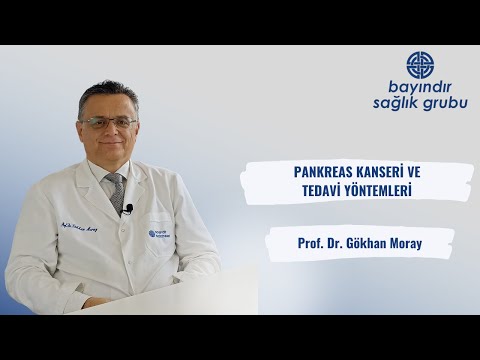





.png)













Share this listing