
A Guide to Dental Implants Cost in Puerto Vallarta, Mexico
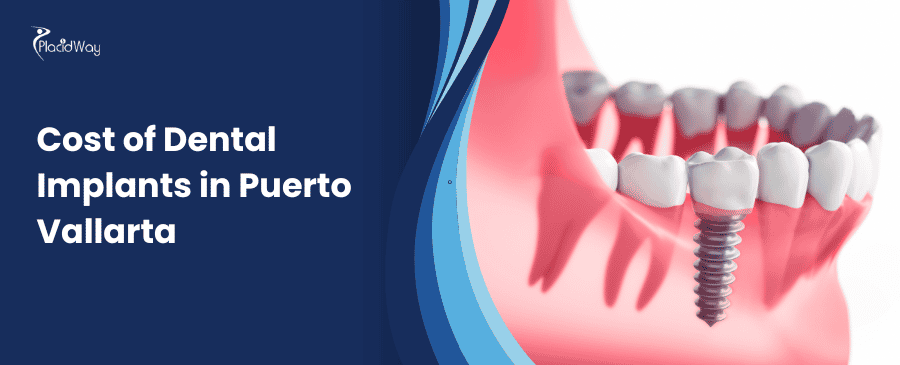
For individuals dealing with missing teeth or uncomfortable dentures, finding a permanent, natural-looking solution can be life-changing. However, the financial barrier in North America often prevents patients from accessing the care they need. This has led thousands of individuals to explore dental implants in Puerto Vallarta. Known for its beautiful coastal scenery and established healthcare infrastructure, this destination has become a major hub for those seeking reliable, more affordable oral rehabilitation. Understanding the dental implants cost in Puerto Vallarta is the first step for anyone considering crossing borders for a healthier smile.
Key Takeaways
- Prices for single tooth replacements generally range between $800 and $1,500.
- Comprehensive procedures like bone grafting or sinus lifts will increase your total expenses.
- Treatment usually requires two separate trips to allow for proper bone healing.
- Selecting a highly qualified provider is essential to minimize risks and complications.
- Patients should factor travel, accommodation, and consultation fees into their total budget.
Pursuing healthcare abroad requires careful research and planning. While the financial estimates are attractive, your primary focus should always be on safety, provider qualifications, and long-term oral health. Let us explore the common questions patients have when considering this restorative treatment in Mexico.
What factors influence the total price of implants?
The advertised base price often represents standard, straightforward cases. If you require extractions of damaged teeth before the post can be placed, this will add to your clinical bill. Furthermore, if your jawbone has deteriorated due to prolonged tooth loss or periodontal disease, your dentist may need to perform a bone graft. This procedure builds up the bone density so the titanium post has a solid foundation, ensuring long-term stability.
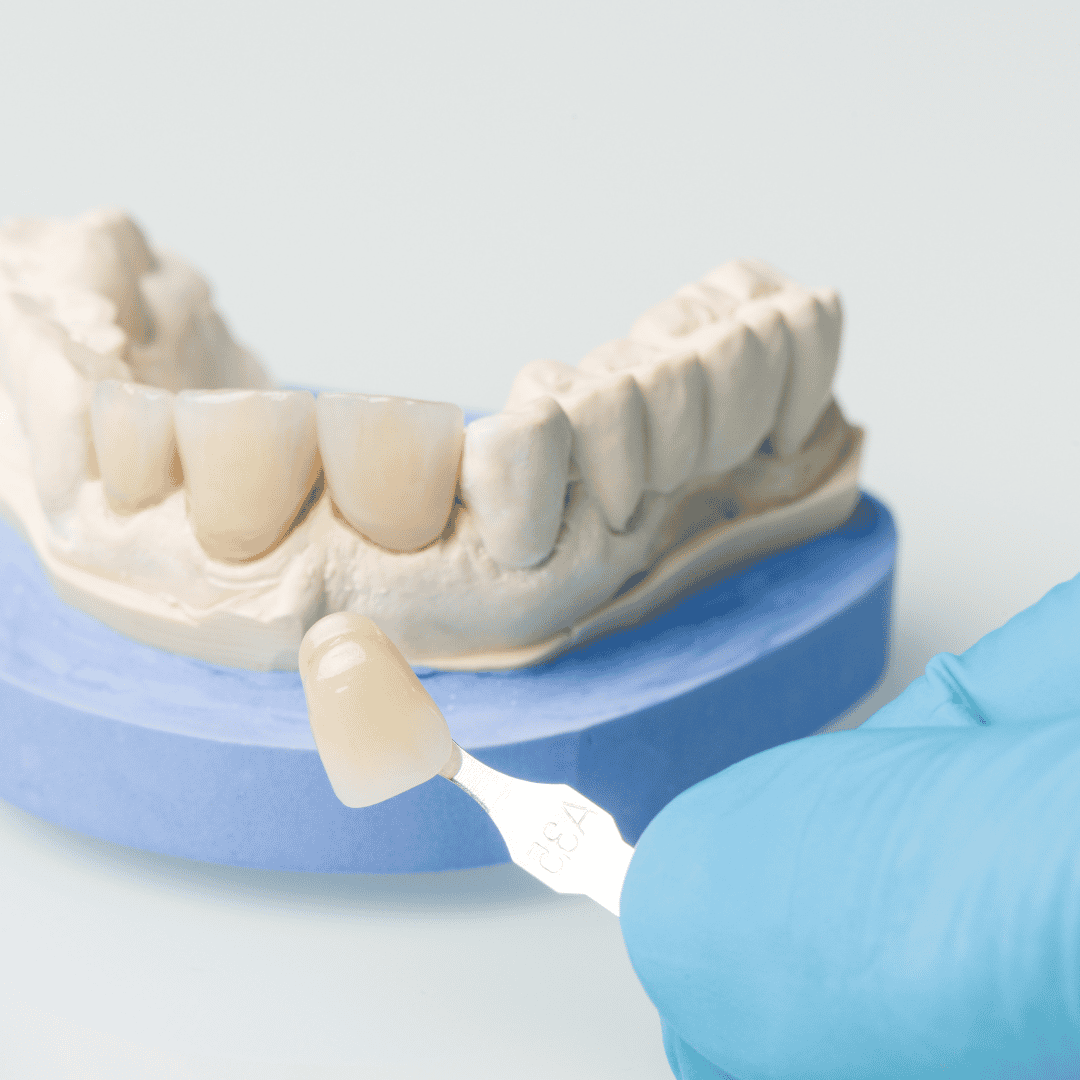
Material selection also plays a significant role in your estimate. A standard porcelain-fused-to-metal (PFM) crown is typically more economical than a solid zirconia crown, which offers superior aesthetics and durability. Premium, globally recognized hardware brands often cost more than lesser-known alternatives, but they carry decades of clinical research supporting their longevity.
Complexity is another major factor. Replacing a front tooth requires meticulous cosmetic attention to ensure the gum line and tooth shape perfectly match your natural smile, which can require more specialized care than replacing a rear molar. Every patient's anatomy is unique, making individualized treatment plans a necessity.
Are there additional costs I should plan for?
A reliable estimate must include the diagnostic phases. Modern implantology relies heavily on 3D Cone Beam Computed Tomography (CBCT) scans. These detailed images allow the surgeon to map your jaw structure and locate important nerves, which is vital for safe placement. While some facilities bundle this into the treatment package, others bill it separately.
During the healing phase, you might require a temporary crown or denture so you do not have to live with a visible gap in your smile. This temporary prosthetic is an additional fee. Furthermore, depending on your anxiety levels and the complexity of the surgery, you might opt for IV sedation rather than local anesthesia. Sedation administered by a licensed anesthesiologist will significantly increase your daily clinic expenses.
Beyond the walls of the clinic, participating in medical tourism in Puerto Vallarta means accounting for multiple flights, hotel stays, local transportation, and meals. Because this treatment usually involves two separate trips spaced months apart, you must double your travel budget to get an accurate picture of your true total investment.
How much do full mouth restorations like All-on-4 cost?
For patients missing all or most of their teeth, replacing each tooth individually is neither practical nor necessary. Techniques like All-on-4 or All-on-6 use four to six strategically placed posts to support a complete, fixed bridge of artificial teeth. This approach can often avoid the need for extensive bone grafting by utilizing the densest areas of the jawbone.
The pricing for full-arch restorations fluctuates based on the final prosthetic. An acrylic hybrid denture wrapped around a titanium bar is typically on the lower end of the cost spectrum. Conversely, a bridge milled from a solid block of high-grade zirconia is highly durable and resistant to staining, but it commands a premium price.
While spending $10,000 on a single arch is a significant investment, it is often vastly more accessible than the $25,000 to $40,000 estimates frequently quoted in the United States. However, these complex full-mouth rehabilitations carry specific risks and require an exceptionally skilled oral surgeon or prosthodontist to ensure correct bite alignment and functional success.
Expert Insight
Full arch procedures are highly complex. Always request to see a provider’s specialized credentials in implantology and examples of their past full-mouth restoration cases before committing to a treatment plan.
Is it safe to get dental work done in this city?
The safety of your procedure depends entirely on the provider and facility you choose. Mexico has a vast spectrum of healthcare quality. While there are facilities equipped with advanced technology that rival North American offices, there are also those that fall short of modern standards. It is crucial to verify that any dental implant clinic in Puerto Vallarta you consider strictly follows cross-contamination protocols, such as using medical-grade autoclaves to sterilize instruments.
Surgical procedures inherently carry risks, including infection, excessive bleeding, nerve damage, and sinus perforation. To minimize these risks, you should seek out dentists who have formal, recognized postgraduate training in oral surgery or implantology. Many leading practitioners hold active memberships in global organizations, indicating a commitment to continuing education and adherence to recognized standards of care.
Patients must also advocate for their own safety by disclosing their complete medical history, including all current medications. Conditions like uncontrolled diabetes or a history of radiation therapy to the head and neck can severely compromise the body's ability to heal, making some individuals unsuitable for surgery regardless of the destination.
What is the typical timeline for the procedure?
The first trip usually spans about four to seven days. During this visit, you will undergo consultations, imaging, and the surgical placement of the post. If extractions or bone grafts are needed, they are typically performed during this phase. After surgery, the gum is sutured closed over the post to protect it while it heals.
Next is the critical healing phase known as osseointegration. Over a period of three to six months, your jawbone naturally grows around the grooved surface of the titanium, anchoring it firmly in place like a natural tooth root. Attempting to place a permanent crown before this process is complete can lead to failure, as the post will not be strong enough to withstand chewing forces.
Once healing is verified via X-rays, you will return for your second trip. The dentist will attach a connecting piece called an abutment, take impressions of your mouth, and a laboratory will craft your custom crown. This second trip usually takes about one to two weeks to allow time for the lab to manufacture and adjust the final restoration.
Who is a good candidate for this treatment?
Good oral hygiene is a prerequisite. If you suffer from active periodontal (gum) disease, it must be successfully treated and managed before surgery can take place. Bacteria from infected gums can easily attack the tissues surrounding a new implant, leading to a condition called peri-implantitis, which is a leading cause of failure.
Bone volume is equally important. When a tooth is extracted, the surrounding bone begins to resorb or shrink over time. If a patient has been missing teeth for many years, they often lack the necessary bone width and height to support the hardware. In these cases, restorative bone grafting becomes a mandatory preparatory step.
Certain lifestyle habits and medical conditions can also impact candidacy. Heavy smoking drastically restricts blood flow to the oral tissues, slowing healing and significantly increasing the failure rate. Conditions that suppress the immune system, osteoporosis medications (bisphosphonates), and uncontrolled blood sugar levels all require thorough evaluation by both your primary physician and your prospective oral surgeon.
What materials are commonly used by local dentists?
Titanium alloys remain the gold standard in implantology due to their exceptional strength and unique ability to integrate with human bone. They are highly biocompatible, meaning the body rarely rejects them. While some providers offer ceramic (zirconia) posts for patients with specific metal allergies, titanium is overwhelmingly the most common and widely researched material used.
For the visible portion of the tooth, materials vary based on aesthetics and location in the mouth. Zirconia has become incredibly popular due to its immense strength and natural translucency, making it ideal for both front teeth and heavy-chewing molars. Porcelain fused to metal (PFM) is an older but reliable option, though it can sometimes show a dark line near the gums over time.
When traveling abroad, it is wise to ask the clinic which specific brands of hardware they utilize. Many top-tier clinics use globally recognized brands manufactured in the US, Switzerland, or Germany. Using international brands ensures that if you ever need adjustments or repairs back home, your local dentist can easily order the correct tools and replacement parts.
How do I choose a reliable provider abroad?
- Specialized Training: Look for professionals who are specialized oral and maxillofacial surgeons or periodontists, as they have years of specific training in surgical interventions beyond general dentistry.
- International Affiliations: Providers who are members of recognized international dental associations often stay updated with the latest clinical guidelines and techniques.
- Technology and Facilities: Ensure the clinic has an in-house CBCT scanner for precise 3D imaging, which is critical for safe surgical planning.
- Clear Communication: You must be able to communicate effectively. English proficiency among the staff is important so you fully understand your treatment plan, risks, and post-operative instructions.
- Transparent Estimates: A trustworthy clinic will provide a detailed breakdown of costs before you travel, explaining what is included and what might incur extra fees.
What should I know about recovery and aftercare?
Immediately following the surgery, it is normal to experience some localized swelling, minor bruising, and tenderness. Most providers will prescribe a short course of pain relief medication and an antibacterial mouthwash to prevent infection. During the first few days, applying ice packs and resting with your head elevated can help manage inflammation.
Diet plays a crucial role in early recovery. You must strictly adhere to a soft-food diet—such as yogurt, soups, and scrambled eggs—avoiding hard, crunchy, or extremely hot foods that could irritate the surgical site or disrupt the sutures. Chewing directly on the healing area must be avoided at all costs during the osseointegration phase.
Long-term aftercare requires excellent daily oral hygiene. Although artificial teeth cannot get cavities, the surrounding gums are still vulnerable to disease. Regular brushing, flossing (often using specific tools like a water flosser), and routine cleanings with a local hygienist are essential to maintaining the health of the supportive tissues.
Important Consideration
Do not ignore signs of excessive pain, prolonged bleeding, or a foul taste in your mouth after surgery. These can be signs of infection and require immediate medical evaluation.
What happens if I experience a complication back home?
Medical tourism inherently complicates post-operative care. If a screw loosens, an infection develops, or a crown chips while you are back in your home country, traveling back to Mexico may be medically inadvisable or financially impractical. Therefore, it is essential to have a relationship with a local dentist who is willing to monitor your healing and intervene if necessary.
Be aware that some domestic practitioners are hesitant to take on complications from work performed abroad due to liability concerns or unfamiliarity with the specific hardware used. This is why you must insist your foreign provider uses globally recognized brands and gives you a detailed clinical report (in English) detailing the exact sizes, models, and specifications of the materials placed in your mouth.
Addressing complications locally means you will be paying North American prices for those specific repairs or interventions. It is financially prudent to set aside an emergency fund within your overall travel budget to cover potential local follow-up care or unexpected urgent treatments.
Why Choose PlacidWay for Medical Tourism in Puerto Vallarta?
Navigating international healthcare options can feel overwhelming. PlacidWay serves as an informational resource for patients exploring medical travel. Here are facts about how PlacidWay assists individuals:
- Facilitates Access: PlacidWay provides access to a database of international clinics, allowing patients to review provider profiles and facility details in one place.
- Cost Comparison: The platform helps patients compare estimated pricing and treatment packages from various global facilities to better understand potential savings.
- Information Gathering: Patients can use the platform to request specific details regarding a provider's professional credentials, academic background, and facility accreditations.
- Direct Communication: PlacidWay connects users directly with international clinic representatives, streamlining the process of asking questions and requesting virtual consultations.
- Educational Resources: The website offers articles, patient guides, and informational content to help individuals understand the realities, logistics, and considerations of seeking healthcare abroad.
Frequently Asked Questions
Do local clinics accept US or Canadian dental insurance?
Most international clinics do not directly bill out-of-country insurance providers. However, some insurance plans allow you to submit an itemized receipt and a treatment code for partial reimbursement after you pay out-of-pocket. You should verify this with your insurance provider before traveling.
Can I fly home the same day as my surgery?
It is generally not recommended to fly on the exact same day as your surgery. Changes in cabin pressure can increase bleeding and discomfort. Most providers suggest resting locally for at least 48 to 72 hours before taking a flight.
Is a passport required to travel for this treatment?
Yes, a valid passport is required for entry into Mexico by air, land, or sea for citizens of the United States, Canada, and most other countries. Ensure your passport is valid for at least six months beyond your planned date of departure.
What is a sinus lift and why might I need one?
A sinus lift is a specific type of bone grafting procedure performed on the upper jaw. It adds bone between your jaw and the maxillary sinuses to ensure there is enough density and depth to securely anchor a titanium post.
Are English-speaking dentists common here?
Because this area is a major hub for international patients, many providers and clinic staff are highly proficient in English. It is common to find practitioners who have trained or attended conferences in the United States or Canada.
How long do these restorations typically last?
With proper oral hygiene and regular dental check-ups, the titanium post can often last for decades or even a lifetime. The visible crown, however, undergoes daily wear and may need replacement after 10 to 15 years.
Can I get a consultation before traveling?
Many providers offer preliminary virtual consultations. You can often send your current panoramic X-rays or 3D CBCT scans via secure email, allowing the dentist to review your case and provide an initial estimate before you book travel.
What payment methods are generally accepted?
Most established practices accept major credit cards, debit cards, and cash (often in USD or MXN). Some may accept wire transfers. Credit card transactions often incur a small international processing fee.
Is there an age limit for this procedure?
There is no strict upper age limit for receiving this treatment; candidacy is based on overall health and bone density rather than chronological age. However, patients must be old enough that their jawbone has stopped growing, typically late teens or early twenties.
Can smoking affect my healing process?
Yes, smoking severely impairs blood flow to the gums and bone, drastically increasing the risk of infection and implant failure. Most professionals strongly advise quitting smoking several weeks before and after the surgery.
Explore Your Treatment Options
Review clinic profiles, compare estimated procedures, and request specific information to help you make an informed decision regarding your dental care.
Request Treatment InformationReferences
- Implants Overview – American Dental Association (ADA)
- Dental Implant Surgery Risks and What to Expect – Mayo Clinic
- Dental Implants: What You Should Know – U.S. Food and Drug Administration (FDA)
- Medical Tourism Travel Health Yellow Book – Centers for Disease Control and Prevention (CDC)
- Infection Prevention & Control in Dental Settings – Centers for Disease Control and Prevention (CDC)
- About Dental Implants – American Academy of Implant Dentistry (AAID)

























Share this listing