


Prices for Knee Surgery Without Insurance
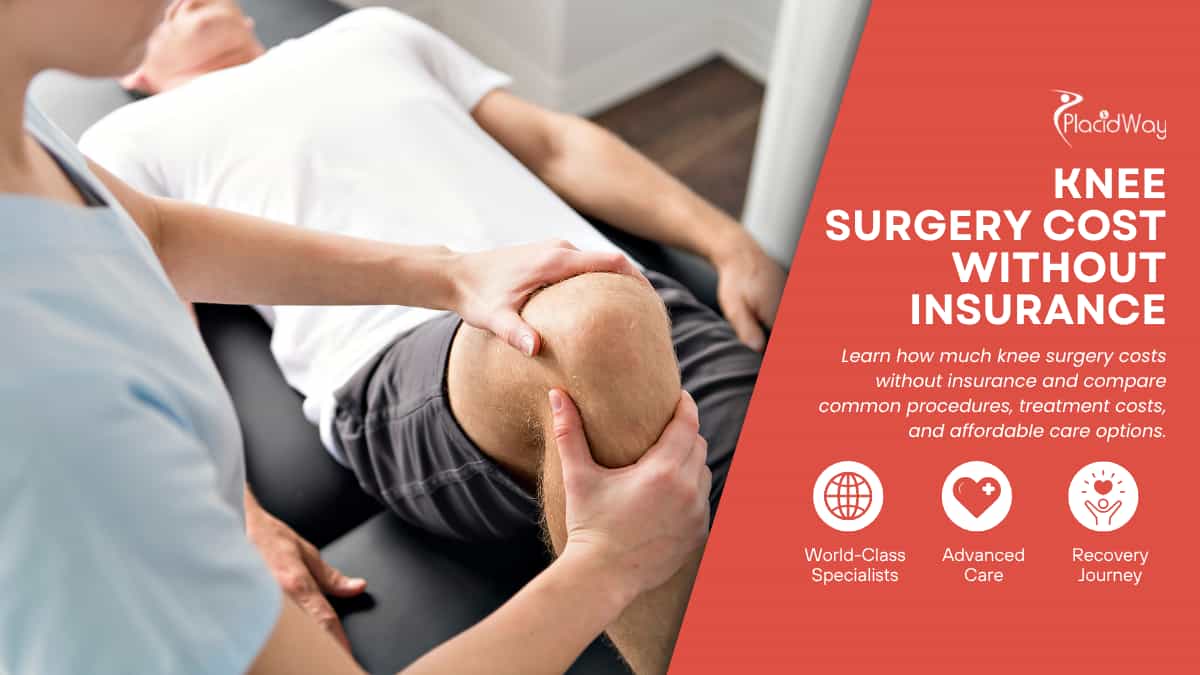
Knee surgery without insurance typically requires a planning budget of about $5,000–15,000 for many routine outpatient arthroscopic procedures in the U.S., while international options can vary significantly by destination, procedure, provider, and package inclusions.
Key Takeaways
- Knee surgery costs vary widely based on whether the procedure is an arthroscopic cleanup, ligament repair, or total replacement.
- Uninsured domestic costs in North America can exceed $30,000 when factoring in facility and anesthesia fees.
- International medical destinations provide structured packages that lower out-of-pocket expenses significantly.
- Preoperative MRIs, surgeon consultation fees, and physical therapy are often separate line items.
- Planning for recovery lodging and safe travel timelines is crucial for medical tourists.
What are the primary cost components of knee surgery without insurance?
Understanding the financial breakdown requires examining individual medical fees, including surgeon charges, operating room utilization, anesthesia administration, and necessary diagnostic imaging.
When paying out-of-pocket without health insurance, patients receive separate bills from various entities involved in their care. The primary surgeon's fee covers the professional labor of performing the orthopedic intervention. Operating room charges encompass sterile equipment, specialized instrumentation, camera systems, and nursing support.
Anesthesia expenses depend on whether the operation utilizes general anesthesia or regional nerve blocks combined with sedation. Additionally, patients must account for preoperative diagnostics like MRI scans and blood panels required to clear them for safe procedural intervention. Postoperative medications and bracing equipment add to the total financial commitment.
Comparing domestic pricing models with international options reveals substantial differences in billing structures. Many international hospitals bundle these distinct charges into a single comprehensive estimate, making financial planning more predictable for uninsured patients seeking orthopedic care abroad.
| Expense Category | Domestic Estimate (Uninsured) | International Estimate |
|---|---|---|
| Surgeon & Anesthesia Fees | $8,000 – $15,000 | $2,000 – $5,000 |
| Facility & Operating Room | $6,000 – $12,000 | $1,500 – $4,000 |
| Diagnostics & Follow-up | $1,500 – $3,000 | $400 – $1,000 |
How does procedure type affect knee surgery cost without insurance?
The specific surgical approach required to treat a knee condition directly impacts total expenditures. A minor arthroscopic cleanup differs significantly in surgical complexity and rehabilitation cost from a total knee replacement.
An arthroscopic procedure involves minor incisions to trim damaged cartilage or smooth out joint surfaces. Because this procedure requires less operative time and simpler instrumentation, it is generally less expensive. Patients can often bear weight relatively quickly, reducing immediate postoperative care expenses.
Conversely, a total joint replacement or complex ligament reconstruction aims to replace or rebuild damaged joint structures. This technique demands greater technical precision, specialized fixation devices or implants, and a prolonged rehabilitation schedule, which collectively raise the overall cost of treatment.
Choosing between these options depends on injury severity, patient age, and activity level. Uninsured patients must discuss these procedural distinctions with their orthopedic specialist to understand how each approach alters the anticipated financial investment.
Always request a comprehensive, itemized estimate that explicitly states whether surgical fixation devices, hardware, or overnight facility fees are included in the initial quote.
What are the advantages of international medical travel for knee surgery?
Traveling abroad for orthopedic procedures provides uninsured patients with access to accredited medical facilities, experienced specialists, and significant cost savings without sacrificing clinical quality.
Many global medical destinations feature state-of-the-art hospitals equipped with advanced arthroscopic imaging and surgical technology. Leading orthopedic surgeons in these regions frequently complete specialized fellowships internationally, bringing standardized best practices to their practice environments.
International patient departments streamline the administrative process by coordinating airport transfers, hotel accommodations, and translation services. This holistic support system helps reduce the logistical stress typically associated with scheduling major medical procedures independently.
Despite these benefits, medical tourists must carefully factor in travel expenses, recovery lodging costs, and the requirement for post-travel rehabilitation when calculating their total out-of-pocket budget.
What factors should guide the selection of an international orthopedic clinic?
Selecting an appropriate overseas medical provider requires rigorous verification of hospital accreditations, surgeon credentials, infection control standards, and postoperative patient support protocols.
- Verify international healthcare accreditations, such as Joint Commission International certification, to ensure adherence to global safety standards.
- Review the operating surgeon's formal medical licensure, specialized board certifications, and annual case volume for orthopedic knee procedures.
- Inspect facility resources, including dedicated orthopedic surgical suites, sterile processing protocols, and on-site physical therapy departments.
- Confirm that the hospital utilizes internationally recognized medical devices and FDA-cleared or CE-marked fixation materials.
- Evaluate patient communication policies to ensure clear, transparent discussions regarding informed consent and complication management.
How does recovery and physical therapy impact overall treatment expenses?
Rehabilitation is a vital component of successful knee surgery. Uninsured patients must factor ongoing physical therapy sessions and assistive device costs into their total financial planning.
Following orthopedic intervention, structured physical therapy is essential to restore joint range of motion, strengthen quadriceps muscles, and ensure proper biomechanical recovery. Depending on whether the patient underwent a minor cleanup or a full joint replacement, rehabilitation can span from several weeks to multiple months.
Outpatient physical therapy visits can accumulate substantial out-of-pocket expenses when paying without insurance coverage. Patients choosing to travel abroad should clarify whether initial rehabilitation sessions are included in their medical package and arrange for a local physical therapist to manage their ongoing care upon returning home.
Neglecting structured rehabilitation to save money often leads to prolonged joint stiffness, muscle atrophy, and compromised surgical outcomes. Budgeting adequately for physical therapy protects both your physical health and your financial investment.
Arthroscopic and open knee surgeries are among the most frequently performed orthopedic procedures globally, utilizing advanced imaging and specialized surgical instruments.
What are the potential risks and complications of knee surgery?
Like all surgical interventions, knee operations carry inherent medical risks. Uninsured patients must understand these potential complications to ensure they can afford necessary follow-up care if issues arise.
Infection at the surgical incision site or within the joint capsule represents a primary concern requiring prompt antibiotic treatment or secondary washout procedures. Blood clots, such as deep vein thrombosis, can develop during immobilization and demand strict adherence to preventive protocols.
Other possible complications include localized nerve irritation, persistent joint stiffness, hemarthrosis (bleeding inside the joint), and incomplete pain relief if underlying degenerative joint disease is present. Discussing these risks thoroughly with your surgeon helps establish realistic expectations.
Medical tourists must secure comprehensive travel medical insurance that specifically covers potential orthopedic complications and emergency repatriations, ensuring financial protection against unexpected medical events.
How should patients prepare for safe post-surgical travel?
Patients undergoing surgery away from home must plan their travel timelines carefully. Long-distance flights immediately following orthopedic procedures create severe vascular risks that require strict medical precautions.
Medical guidelines strictly prohibit long-haul air travel immediately after knee surgery due to the elevated risk of deep vein thrombosis and pulmonary embolism caused by cabin pressure changes and prolonged immobility. Patients generally need to remain near the surgical center for one to two weeks.
Before boarding a return flight, the operating surgeon must conduct a thorough physical examination to provide official medical clearance. Travelers should request aisle seating to allow frequent leg extension, wear prescribed compression stockings, and maintain adequate hydration throughout the journey.
Coordinating with a local physician or physical therapist in your home country before departure ensures seamless continuity of care as soon as you arrive home, facilitating a safer and more controlled rehabilitation process.
Why Choose PlacidWay?
Navigating international healthcare options can be complex without objective information. PlacidWay connects individuals with structured resources to compare global medical providers effectively.
- Access comprehensive directories of accredited hospitals and orthopedic specialty centers worldwide.
- Compare estimated pricing structures across different international destinations to evaluate healthcare budgets responsibly.
- Connect directly with international patient coordinators to ask clinical questions and request detailed treatment itineraries.
- Review educational resources regarding medical travel planning, facility standards, and postoperative recovery guidelines.
- Explore flexible healthcare options tailored to uninsured patients seeking high-quality orthopedic solutions.
Frequently Asked Questions
What factors influence the total cost of knee surgery in Mexico?
The total expense depends heavily on the specific hospital facility fees, surgeon expertise, anesthesia type, and whether the procedure involves a partial arthroscopy, ligament reconstruction, or full joint replacement. Additional charges often include preoperative diagnostic imaging such as MRIs and postoperative physical therapy sessions.
Is arthroscopic knee surgery performed as an outpatient procedure in Turkey?
Yes, arthroscopic knee surgery is typically performed on an outpatient basis in Turkey. Patients generally return to their recovery accommodation a few hours after the operation concludes, provided they recover smoothly from anesthesia and can walk with assistive devices safely.
How long is the typical physical therapy recovery period after knee surgery in India?
Recovery timelines vary based on the specific surgical technique used in India. A minor arthroscopic cleanup may require a few weeks of light rehabilitation, whereas a total knee replacement or ligament repair often necessitates several months of structured physical therapy to protect the healing tissue.
Can I fly internationally immediately following knee surgery in Thailand?
Medical guidelines strictly advise against taking long-haul flights immediately after orthopedic surgery in Thailand due to the elevated risk of deep vein thrombosis. Patients typically need to remain near the surgical center for at least one to two weeks before receiving travel clearance.
Are surgical implants or hardware routinely used in knee surgery in Mexico?
While a minor debridement involves trimming damaged tissue without leaving hardware behind, total knee replacement or ligament reconstruction in Mexico often utilizes specialized FDA-cleared or internationally recognized implant systems and fixation hardware to anchor and stabilize the joint structure.
What diagnostic imaging is required before scheduling knee surgery in Turkey?
Surgeons in Turkey typically require high-resolution Magnetic Resonance Imaging scans to visualize the exact location, pattern, and severity of the joint damage. Standard X-rays may also be ordered to evaluate overall bone alignment and check for arthritis.
Do international medical packages for knee surgery include postoperative rehabilitation?
Initial inpatient physical therapy and immediate postoperative check-ups are frequently bundled into international surgical packages. However, extended outpatient rehabilitation sessions required after returning home usually necessitate separate financial planning.
What are the primary risks associated with knee surgery procedures?
Inherent surgical risks include localized infection, blood clots, persistent stiffness, nerve irritation around the incision sites, and potential damage to surrounding cartilage or ligaments within the joint capsule.
How do I verify the credentials of an international orthopedic surgeon?
Patients should verify professional credentials by reviewing official government medical registries, checking specialized fellowship training in orthopedic surgery, and confirming that the operating facility holds recognized international healthcare accreditations.
What lifestyle modifications are necessary during early knee surgery recovery?
Early recovery requires strict adherence to weight-bearing restrictions, regular elevation of the leg to minimize swelling, consistent use of ice therapy, and dedicated performance of prescribed home exercises to restore full joint extension.
Compare Your Orthopedic Treatment Options
Review accredited facilities, compare estimates, and connect with medical providers to make an informed decision regarding your healthcare journey.
Request Treatment InformationReferences
- Arthroscopic Surgery – American Academy of Orthopaedic Surgeons
- Knee Replacement Overview – Mayo Clinic
- Venous Thromboembolism and Travel – Centers for Disease Control and Prevention
- Patient Safety and Quality Care – World Health Organization
- International Healthcare Accreditation Standards – ISQua
- Planning for Joint Surgery Abroad – Arthritis Foundation
.png)
.png)

.png)
.png)
.png)
.png)




.png)
.png)
.png)
.png)












Share this listing