
Safe & Affordable Liposuction in Poland
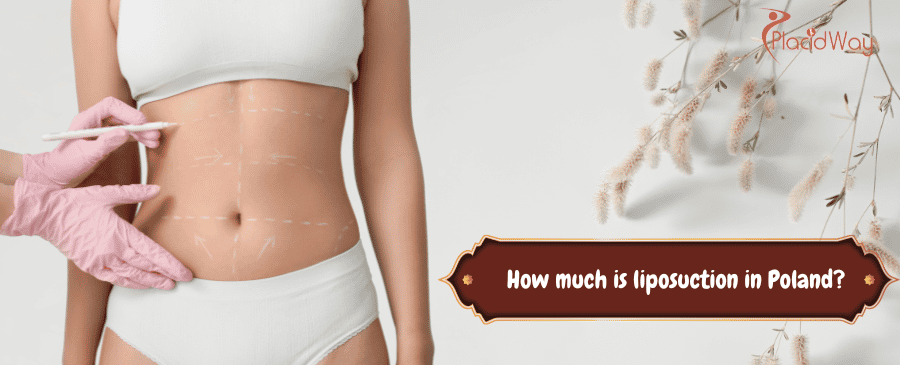
If you are exploring options for body contouring abroad, you might be researching liposuction in Poland. As cross-border healthcare becomes more common, many patients look to Central Europe for treatments that align with their budgets and medical needs. Understanding the liposuction cost in Poland, the techniques available, and the practicalities of traveling for surgery can help you make an informed decision.
Key Takeaways
- Pricing is generally calculated per body area, not for the entire body.
- Modern techniques like Tumescent and ultrasound-assisted liposuction are widely used.
- Liposuction is a contouring procedure, not a generalized weight-loss method.
- Patients traveling internationally should plan to stay in the country for at least a week post-surgery.
- Results and recovery timelines vary widely based on individual health and adherence to aftercare.
What factors influence the final cost of liposuction in Poland?
When you request a quote from a liposuction clinic in Poland, the initial number provided is usually a baseline estimate. The volume of fat that needs to be removed plays a significant role; larger areas like the abdomen or back take more time and effort than smaller areas like the chin or arms. Consequently, treating multiple areas simultaneously will increase the total price, though clinics sometimes bundle costs for multiple zones.
The type of anesthesia required also affects your bill. General anesthesia requires an anesthesiologist to be present for the duration of the surgery, which adds to the operating room fees compared to local anesthesia with sedation. Additionally, medical tests, specialized compression garments, and post-operative medications might be billed separately from the main surgical fee. It is highly recommended to ask for an itemized breakdown during your consultation so you know exactly what is included.
Which liposuction techniques are commonly available in Polish clinics?
The specific method your surgeon recommends will depend on your skin elasticity, the amount of fat, and the specific area being treated. Here are the most frequently utilized options:
- Tumescent Liposuction: The most common technique, where a sterile solution containing saltwater, local anesthetic, and epinephrine is injected into the fat. This helps numb the area, minimize blood loss, and makes the fat easier to remove.
- Ultrasound-Assisted Liposuction (UAL / VASER): This method uses ultrasound energy transmitted through a special cannula to rupture fat cell walls and liquefy the fat, making it gentler to suction out. It is often used for denser fat deposits.
- Laser-Assisted Liposuction (LAL / SmartLipo): High-intensity laser light is used to break down fat for removal. The heat from the laser may also encourage collagen production, which can sometimes aid in mild skin tightening.
- Power-Assisted Liposuction (PAL): This uses a vibrating cannula to break up tough fat more rapidly, which can sometimes shorten the overall surgical time.
Am I a suitable candidate for fat removal surgery in Poland?
It is important to understand that liposuction is a body contouring procedure, not a treatment for obesity or a substitute for weight loss. Patients who expect dramatic overall weight reduction are often disappointed. Your skin quality is also a major factor; if your skin lacks elasticity, it may appear loose or draped after the fat underneath is removed.
Because surgery inherently carries risks, you must be in good overall health. Conditions that impair healing or blood circulation—such as diabetes, heart disease, or a weakened immune system—can increase complication risks and may disqualify you from surgery. Surgeons will require a thorough medical history and recent blood work before clearing you for the procedure. Current smokers are usually advised to quit for several weeks before and after surgery to support proper wound healing.
What should I expect during the liposuction consultation and procedure?
During your consultation, the surgeon will examine the areas of concern, evaluate your skin elasticity, and take preoperative photographs. This is the time to ask questions about the exact technique they plan to use and where the incisions will be located. Honest communication about your expectations helps the surgeon determine what is realistically achievable.
On the day of the surgery, the targeted areas will be marked while you are standing. After anesthesia is administered, the surgeon makes tiny, inconspicuous incisions. A thin tube called a cannula is inserted through these cuts to loosen excess fat, which is then suctioned out using a surgical vacuum or syringe attached to the cannula. The duration of the procedure can range from one to several hours depending on the number of areas being treated.
What are the potential risks and complications of liposuction?
No surgical procedure is free from risk. Common side effects include bruising, swelling, and temporary numbness around the treated areas. However, more serious complications can occur. Fluid can accumulate under the skin (seromas), which may need to be drained with a needle. There is also the possibility of contour irregularities; the skin may appear bumpy, wavy, or withered due to uneven fat removal, poor skin elasticity, or unusual healing.
Rare but severe risks include deep vein thrombosis (blood clots in the legs that can travel to the lungs), fat embolism (where pieces of loosened fat enter a blood vessel and travel to the lungs or brain), and infections that could become life-threatening. The risk of complications typically increases if you are having multiple areas treated at once or if the surgery is prolonged. Discussing your full medical history with your surgeon is critical for minimizing these risks.
How long is the typical recovery period after returning home?
Immediately after surgery, you can expect pain, swelling, and bruising. You will be required to wear a tight compression garment around the treated areas for several weeks. This garment helps reduce swelling, prevents the buildup of fluids, and assists your skin in retracting to its new contours. Your surgeon will prescribe medications to manage pain and may prescribe antibiotics to reduce the risk of infection.
While you might feel well enough to return to a desk job shortly after your procedure, strenuous exercise, heavy lifting, and intense physical activities must be avoided for four to six weeks. It is quite normal for the treated areas to feel stiff or tender for a while. Because swelling takes time to dissipate fully, you will not see the final results of your liposuction until about three to six months post-operation.
How do I prepare for medical travel and surgery in Poland?
Organizing medical tourism in Poland involves more than just booking a flight. Begin by compiling your medical history, including past surgeries, current medications, and any known allergies, to share with your prospective surgeon. You will also need to ensure you have a valid passport and, depending on your nationality, the appropriate visa for entry into the European Union.
Do not plan to fly home immediately after your surgery. The combination of post-surgical immobility and air travel increases the risk of deep vein thrombosis (blood clots). Surgeons typically require you to stay in the local area for 5 to 7 days for follow-up appointments and to ensure you are healing appropriately before clearing you to fly. Bringing a friend or family member to help you navigate the hotel and assist you during the first few days of recovery is highly recommended.
What happens if I experience complications after leaving Poland?
One of the primary challenges of traveling for surgery is managing post-operative care once you return home. If you develop a fever, notice increased redness or swelling, or experience sudden shortness of breath, you cannot easily visit the surgeon who performed your procedure. You will need to seek immediate medical attention from your local hospital or primary care physician.
Before you leave Poland, ensure you receive a complete copy of your medical records in English, detailing the exact procedure performed, the medications administered, and any devices or materials used. Share this documentation with your local doctor so they understand your recent surgical history. Keep in mind that treating complications at home may incur out-of-pocket costs, as some health insurance policies limit coverage for complications arising from elective cosmetic procedures performed abroad.
How does Poland regulate its cosmetic surgery and medical facilities?
For international patients, understanding the regulatory environment provides context regarding the standards of care. Medical professionals in Poland must be registered with the Polish Chamber of Physicians and Dentists (Naczelna Izba Lekarska) to practice legally. Medical facilities are overseen by the Ministry of Health and sanitary inspectorates, which monitor hygiene, equipment standards, and operational safety.
While EU alignment means foundational safety and hygiene standards are generally strict, the cosmetic surgery sector encompasses a wide range of providers. Patients are encouraged to look for surgeons who hold specific board certifications in plastic and reconstructive surgery, rather than general practitioners offering aesthetic procedures. Verifying credentials and looking for facilities that adhere to recognized international quality standards can help you make a safer choice.
Why Choose PlacidWay for Medical Tourism in Poland?
Researching medical procedures in another country can be overwhelming. PlacidWay serves as a global medical tourism platform to help patients navigate their options.
- Extensive Network: PlacidWay provides access to a database of international healthcare providers and facilities in Poland.
- Educational Resources: The platform offers articles, provider profiles, and procedure information to aid your independent research.
- Direct Communication: Patients can use the platform to connect directly with medical centers to ask specific questions about treatments.
- Transparent Inquiries: You can request detailed cost estimates directly from facilities to compare international pricing structures.
- Global Reach: PlacidWay connects patients from around the world to various medical specialties, including cosmetic and reconstructive surgery.
Frequently Asked Questions
Is liposuction in Poland covered by health insurance?
Liposuction is almost always considered an elective cosmetic procedure. Because it is rarely deemed medically necessary, standard national or private health insurance plans typically do not cover the cost.
Can I combine liposuction with other procedures in Poland?
Many patients choose to combine liposuction with procedures like abdominoplasty (tummy tuck) or fat transfer. However, combining surgeries increases the time under anesthesia and the potential risks, so your surgeon will evaluate if this is safe for your specific health profile.
How much time do I need to stay in Poland after my liposuction?
Most surgeons recommend staying in the country for at least 5 to 7 days after the procedure. This allows time for initial recovery, follow-up appointments, and clearance to fly home safely.
Will I need to wear a compression garment on my flight home?
Yes, you will likely need to wear your medical compression garment continuously for several weeks, including during your flight. This helps minimize swelling and supports your newly contoured body.
What type of anesthesia is used for liposuction in Poland?
Depending on the extent of the fat removal and the techniques used, liposuction may be performed under local anesthesia with sedation or general anesthesia. Your anesthesiologist will discuss the best option for you.
How soon can I see the final results of my liposuction?
While you may notice a difference soon after surgery, significant swelling can obscure the outcome. Final results typically become fully visible after 3 to 6 months once all post-operative swelling has resolved.
Do Polish clinics provide post-operative care instructions in English?
Facilities catering to international patients routinely provide all medical documentation, consent forms, and detailed post-operative care instructions in English.
Is there an age limit for getting liposuction in Poland?
While there is no strict upper age limit, candidates must be over 18 and in good overall health. Older patients must undergo thorough medical clearance to ensure they can safely tolerate the surgery and anesthesia.
What is the difference between traditional and VASER liposuction?
Traditional liposuction manually breaks up fat before removal, while VASER uses ultrasound energy to liquefy fat cells first. VASER may offer easier removal of dense fat and potentially less bruising, though both techniques have specific indications.
Will I have noticeable scars after my fat removal procedure?
Liposuction requires small incisions, usually less than a quarter-inch long. While these do leave small scars, surgeons try to place them in natural body creases where they are less visible, and they typically fade significantly over time.
Take the Next Step in Your Journey
Gather the information you need to make an informed decision. Request detailed estimates and explore treatment options tailored to your needs.
Request Treatment InformationReferences
- Liposuction Overview and Candidate Information – American Society of Plastic Surgeons (ASPS)
- Liposuction: Risks and What to Expect – Mayo Clinic
- Global Statistics on Aesthetic Procedures – International Society of Aesthetic Plastic Surgery (ISAPS)
- Cosmetic Procedures: Liposuction – National Health Service (NHS)
- Medical Tourism: Travel Guidelines and Risks – Centers for Disease Control and Prevention (CDC)
- Liposuction Patient Information – British Association of Aesthetic Plastic Surgeons (BAAPS)
- Medical Profession Regulations – Polish Chamber of Physicians and Dentists
























Share this listing