


See the Cost of Intrauterine Insemination (IUI) in Istanbul, Turkey
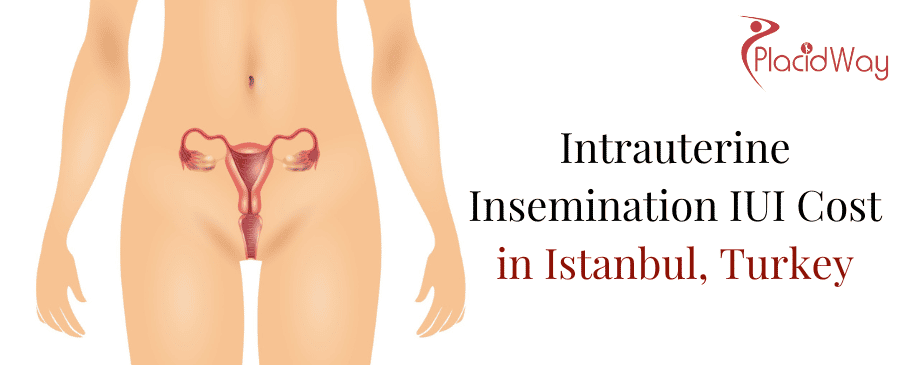
Navigating fertility treatments can feel overwhelming, especially when trying to understand the financial commitments involved. For many individuals and couples, intrauterine insemination (IUI) serves as a common, less invasive starting point before exploring more complex procedures like in vitro fertilization (IVF). In recent years, an increasing number of patients are looking beyond their home borders for accessible care, making medical tourism in Turkey a popular consideration.
Understanding the potential costs, what those expenses cover, and the medical realities of pursuing intrauterine insemination in Turkey is vital for making informed healthcare decisions. Below, we explore the factors that influence pricing, patient eligibility, and the steps involved in planning your treatment in Istanbul.
Key Takeaways
- Estimated IUI costs in Istanbul range between $500 and $1,500 per cycle, varying by clinic and individual medication needs.
- Fertility drugs, preliminary diagnostic tests, and trigger injections are frequently billed separately from the base procedure.
- Success rates depend heavily on individual factors such as age, primary diagnosis, and sperm quality.
- By law, fertility treatments in Turkey are only available to legally married couples using their own reproductive cells; donor sperm is strictly prohibited.
- A thorough medical evaluation by a qualified fertility specialist is essential to determine if IUI is a medically appropriate option for you.
What exactly is included in the estimated IUI cost in Turkey?
When reviewing the estimated intrauterine insemination cost in Turkey, it is helpful to understand how clinics structure their pricing. Most medical facilities offer a base package for the cycle itself. This typically involves the time spent with your fertility specialist tracking the development of ovarian follicles through transvaginal ultrasounds.
Additionally, the base fee covers the critical laboratory work required on the day of the procedure. The male partner's sperm sample must go through a careful washing and preparation process to isolate the most active and healthy sperm, which are then used for the gentle catheter transfer into the uterus. Knowing exactly what a clinic includes in their quote helps you compare options accurately.
What additional fees should I expect during an IUI cycle?
While the procedure itself has a relatively defined cost, the supplementary requirements often vary greatly from patient to patient. The most significant variable expense is fertility medication. Depending on your diagnosis, a doctor may recommend oral medications or more expensive injectable hormones to stimulate egg production. A specific "trigger shot" used to induce ovulation at the precise time is also typically an out-of-pocket expense.
Before treatment even begins, couples must undergo comprehensive blood work and infectious disease screenings. Female patients often require a specialized x-ray (HSG) or ultrasound to ensure the fallopian tubes are open and healthy. These preliminary diagnostics are essential for patient safety and treatment viability, but they are rarely included in a standard IUI cycle package.
| Expense Category | Typical Inclusion Status | Description |
|---|---|---|
| Base Procedure & Lab | Included | Sperm washing, catheter transfer, doctor's time. |
| Cycle Monitoring | Usually Included | Ultrasounds during the specific treatment month. |
| Fertility Medications | Excluded | Oral pills, injectables, and ovulation trigger shots. |
| Preliminary Diagnostics | Excluded | Blood tests, semen analysis, tubal patency tests. |
Who is typically a good candidate for intrauterine insemination?
Suitability for IUI depends highly on individual medical circumstances. For the procedure to be viable, a female patient must have at least one unblocked, functioning fallopian tube and be capable of ovulating, either naturally or with the assistance of medication. It is frequently presented as a first-line treatment for younger patients or those with a diagnosis of unexplained infertility.
For the male partner, IUI can help overcome mild issues with sperm count or motility, as the laboratory washing process concentrates the healthiest sperm. However, if severe male factor infertility or significant tubal blockages are present, a doctor may advise bypassing IUI entirely and moving straight to IVF. Only a thorough clinical assessment can dictate the safest and most appropriate path forward.
How does the IUI procedure work at an Istanbul fertility clinic?
Treatment at any reputable intrauterine insemination clinic in Turkey begins on the early days of a woman's menstrual cycle. If medications are prescribed, the patient takes them for several days while attending periodic ultrasound appointments. These scans allow the specialist to measure the size of the ovarian follicles and the thickness of the uterine lining, watching for optimal readiness.
Once a follicle is mature, an injection may be given to trigger ovulation. Roughly 24 to 36 hours later, the patient returns to the clinic. The male partner provides a semen sample, which is rapidly processed in the lab. The physician then uses a very fine, flexible catheter to pass the concentrated sperm through the cervix and directly into the uterine cavity, putting them much closer to the awaiting egg.
Are there risks or potential side effects associated with IUI?
From a surgical standpoint, intrauterine insemination is minimally invasive, and the risk of complications such as infection is extremely low. Some patients experience mild pelvic cramping or light vaginal spotting immediately after the catheter insertion, which usually resolves quickly without intervention.
The primary risks of IUI actually stem from the fertility medications that may be used alongside it. Medications that stimulate the ovaries increase the likelihood of releasing more than one egg, elevating the risk of a multiple pregnancy (twins, triplets, or more), which carries higher medical risks for both the mother and babies. There is also a small risk of Ovarian Hyperstimulation Syndrome (OHSS), a condition where the ovaries become swollen and painful. This highlights why careful, individualized ultrasound monitoring by a qualified professional is absolutely essential.
What factors influence the varying costs of IUI between different clinics?
Healthcare pricing in Istanbul can vary depending on the neighborhood and the specific amenities a clinic offers. Facilities that cater heavily to international patients often provide comprehensive support staff, including dedicated medical translators and patient coordinators, which may slightly increase their base fees compared to clinics serving mostly local residents.
Furthermore, the expertise of the medical team plays a role. Consultations with highly experienced, internationally recognized reproductive endocrinologists may command a higher fee. Lastly, if your medical history dictates a need for more frequent monitoring appointments or specialized blood work to adjust medication dosages safely, your overall out-of-pocket expenses will reflect those necessary additions.
How many IUI cycles are usually recommended before trying IVF?
Deciding when to move from IUI to more advanced treatments is a highly individualized conversation between a patient and their doctor. Statistically, the majority of successful IUI pregnancies occur within the first three to four attempts. If pregnancy is not achieved within this timeframe, the statistical likelihood of success in subsequent IUI cycles drops significantly.
Age is a critical factor in this timeline. For women over the age of 35, and particularly those over 38, ovarian reserve naturally declines. In these cases, a doctor may recommend fewer IUI attempts—or suggest moving directly to IVF—to maximize the chances of a successful pregnancy before egg quality decreases further. Outcomes vary by patient, and there is no single timeline that fits everyone.
What should international patients know about medical tourism for fertility?
Pursuing fertility care across borders introduces unique logistical challenges. Because IUI relies heavily on the timing of a woman's natural menstrual cycle, predicting exact travel dates can be difficult. Many patients manage this by working collaboratively with a local gynecologist in their home country, who performs the preliminary ultrasounds and sends the results to the team in Istanbul. This allows the patient to fly in only for the final days of the cycle.
Patients must also consider the physical and emotional toll of travel. Stress can sometimes impact menstrual cycles, so allowing extra time in your itinerary to rest and acclimatize upon arrival is often beneficial. Before traveling, it is crucial to establish a plan for post-treatment care and early pregnancy monitoring once you return to your home country.
Is it possible to undergo IUI in Istanbul if I need donor sperm?
This is a critical regulatory fact that international patients must understand before considering treatment in Turkey. The Ministry of Health in Turkey dictates that all assisted reproductive procedures, including IUI and IVF, can only be performed on legally married couples. Furthermore, these couples must use only their own reproductive materials (the wife's eggs and the husband's sperm).
Single women, unmarried couples, or married couples requiring the use of third-party donor sperm are not legally permitted to undergo fertility treatments within Turkey. Patients requiring donor gametes will need to explore medical tourism destinations in countries where those specific practices are legally allowed and regulated.
How can I prepare for an intrauterine insemination procedure?
- Compile Medical History: Gather past records, previous fertility treatment notes, and recent blood tests to share with your chosen specialist.
- Lifestyle Adjustments: Doctors often recommend quitting smoking, reducing alcohol consumption, and maintaining a balanced diet to optimize reproductive health.
- Start Supplements: You may be advised to begin taking prenatal vitamins, folic acid, or other medically recommended supplements weeks or months before treatment.
- Coordinate Logistics: If traveling, ensure your passport is valid, understand visa requirements, and plan flexible accommodations.
- Mental Wellbeing: Fertility journeys can be stressful. Seek emotional support from partners, counselors, or support groups to help manage expectations and anxiety.
Why Choose PlacidWay for Medical Tourism?
Navigating international healthcare options can be complex. PlacidWay serves as an informational resource for patients exploring cross-border medical treatments.
- Connects patients with an extensive network of international healthcare providers and medical facilities.
- Offers a platform to research and compare estimated treatment costs across different global destinations.
- Provides educational resources and articles regarding medical tourism logistics and destination healthcare systems.
- Facilitates initial communication between patients and their chosen international clinics or hospitals.
- Features patient guides designed to help individuals understand the general processes of seeking healthcare abroad.
Frequently Asked Questions
Does IUI hurt?
Most patients describe the IUI procedure as similar to a routine Pap smear. You may feel mild pressure or slight cramping when the catheter passes through the cervix, but it is typically a quick process that does not require anesthesia.
How long does the IUI procedure take in the clinic?
The actual insemination takes only a few minutes. However, you should expect to be at the clinic for a couple of hours, as the sperm sample requires about 60 to 90 minutes of specialized laboratory preparation before the transfer can occur.
Can I fly home immediately after an IUI procedure in Istanbul?
While you can technically travel shortly after the procedure, many fertility specialists recommend waiting at least 24 hours before taking a long flight. This allows you to rest and reduces any travel-related stress immediately following treatment.
What is the typical success rate for one IUI cycle?
Success rates vary widely depending on the patient's age, diagnosis, and whether fertility medications are used. On average, success rates range from 5% to 20% per cycle, but a fertility specialist can provide a more accurate estimate based on your specific medical history.
Are fertility drugs mandatory for every IUI cycle?
No, fertility drugs are not mandatory. A natural cycle IUI relies on your body's spontaneous ovulation. However, stimulated cycles using oral or injectable medications are often recommended to increase the chances of success by producing multiple mature eggs.
Do I need to stay in Istanbul for the entire month of my cycle?
Not necessarily. Many international patients have their initial monitoring ultrasounds and blood tests performed by their local gynecologist at home, traveling to Istanbul only for the final days of monitoring and the insemination itself.
How soon after IUI can I take a pregnancy test?
Specialists typically recommend waiting 14 days after the IUI procedure to take a blood pregnancy test. Taking a test too early can result in a false positive, especially if a hormone trigger shot was used to induce ovulation.
Is an ultrasound always required before IUI?
Yes, transvaginal ultrasounds are routinely required to monitor the growth of ovarian follicles and determine the thickness of the uterine lining. This monitoring is crucial for timing the insemination perfectly with ovulation.
What happens if I ovulate before arriving in Istanbul?
Timing is critical for IUI. If ovulation occurs earlier than expected and you are not at the clinic, the cycle may need to be canceled and attempted the following month. Careful coordination with your specialist is essential when traveling.
Are IUI costs in Istanbul covered by international health insurance?
Most standard international travel or health insurance plans do not cover fertility treatments, including IUI. Patients should expect to pay out-of-pocket, which is why understanding the full estimated costs beforehand is so important.
Ready to Explore Your Fertility Options?
Request more information to compare estimated treatment costs, understand facility options, and take the next step in planning your care.
Request Treatment InformationReferences
- Intrauterine Insemination Guidelines – American Society for Reproductive Medicine (ASRM)
- Evaluating Infertility – American College of Obstetricians and Gynecologists (ACOG)
- Intrauterine Insemination (IUI) Overview – Mayo Clinic
- Artificial Insemination (IUI) – National Health Service (NHS)
- Clinical Guidelines on Medically Assisted Reproduction – European Society of Human Reproduction and Embryology (ESHRE)
- Assisted Reproductive Technology (ART) – Centers for Disease Control and Prevention (CDC)



























Share this listing