
All on 4 Dental Implants Cost in Liberia, Costa Rica
Finding a reliable, affordable solution for extensive tooth loss often leads patients to look beyond their local borders. For many North Americans, exploring All on 4 Dental Implants in Liberia, Costa Rica offers a compelling blend of accessibility, specialized care, and potential cost savings. Located in the northwestern province of Guanacaste, Liberia features an international airport (LIR) and a growing infrastructure dedicated to international patients.
Navigating the logistics of international dental care requires careful research. Beyond the upfront All on 4 Dental Implants cost in Liberia, Costa Rica, prospective patients must evaluate the clinical process, material choices, travel requirements, and safety considerations. This guide explores the details of seeking full-arch restoration in Liberia, helping you make an informed decision alongside your local healthcare provider.
Key Takeaways
- The estimated cost for a single arch ranges between $8,500 and $12,000, which can represent a noticeable difference compared to standard US or Canadian pricing.
- The treatment is typically completed in two distinct trips spaced 4 to 6 months apart to allow the implants to integrate with the jawbone.
- Prices fluctuate based on the materials used for the final prosthetic (acrylic, porcelain, or zirconia) and whether bone grafting or extractions are necessary.
- Not everyone is a candidate for immediate loading; a comprehensive evaluation via 3D imaging (CBCT) is required.
- Patients must arrange for local domestic follow-up care in their home country in case adjustments or emergency interventions are needed.
What is included in the cost of All on 4 dental implants?
When reviewing estimates from an All on 4 Dental Implants clinic in Liberia, Costa Rica, it helps to understand how the procedure is structured. Most clinics bundle the initial phase of treatment into a single package. This surgical phase covers the pre-operative consultation, CBCT (cone beam computed tomography) scans, any necessary tooth extractions, and the local anesthesia required for the surgery.
The package also covers the physical components placed during the first trip. This includes the four titanium implant posts embedded into the jaw, the connecting pieces (abutments), and a provisional (temporary) denture. This temporary prosthesis allows you to eat soft foods and maintain a normal appearance while your jaw heals.
It is crucial to clarify whether the quote includes the second trip's expenses. The final permanent teeth—often made from highly durable materials like zirconia—are fabricated and attached months later. Some estimates present the total for both phases, while others only list the initial surgical cost. Always ask for an itemized treatment plan to avoid surprises.
Are there hidden fees or extra costs for dental implants in Costa Rica?
Even with a detailed quote, variables in a patient's clinical presentation can affect the final bill. During the initial physical evaluation, the dentist might discover that the jawbone density is insufficient in certain areas, necessitating minor bone grafting. Although the All on 4 technique is specifically designed to minimize the need for grafting by angling the back implants, it cannot always be avoided entirely.
Another common additional cost is IV sedation. While local anesthesia is typically included, many patients prefer to be asleep or deeply relaxed during a lengthy full-arch surgery. Hiring a licensed anesthesiologist to administer and monitor IV sedation usually adds several hundred dollars to the procedure.
| Potential Additional Cost | Estimated Range (USD) | Why it may be needed |
|---|---|---|
| IV Sedation | $400 - $600 | For patient comfort and anxiety management during surgery. |
| Bone Grafting | $200 - $800+ | If jawbone volume is too low to anchor implants securely. |
| Zirconia Upgrade | $1,500 - $3,000 | Upgrading the final prosthesis for enhanced durability and aesthetics. |
Why is medical tourism in Liberia, Costa Rica popular for dental work?
The growth of medical tourism in Liberia, Costa Rica is largely driven by accessibility and location. The Daniel Oduber Quirós International Airport (LIR) receives direct flights from many major cities in the US and Canada. Arriving in Liberia allows patients to bypass the capital city of San Jose, which is known for heavier traffic and a more urban, congested environment.
Liberia is the capital of the Guanacaste province, a region famous for its beaches, eco-tourism, and relaxed atmosphere. For a patient recovering from oral surgery, recuperating in a quieter, scenic environment can be highly appealing. The local infrastructure has responded to the influx of tourists and patients by developing accommodations and transportation services that cater to English-speaking visitors.
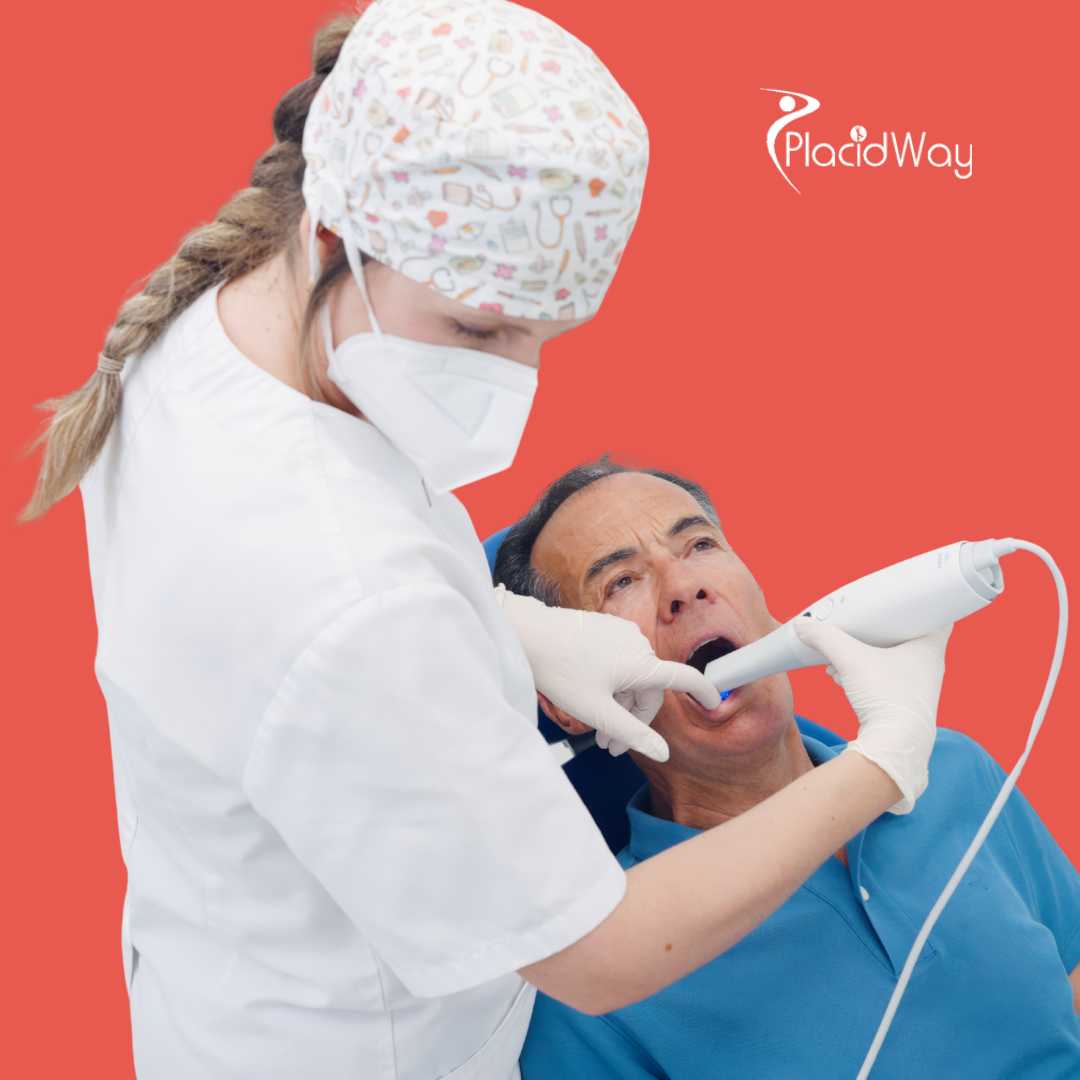
Additionally, many dental professionals operating in this region have recognized the demand. They frequently invest in modern diagnostic technologies, such as digital impressions and 3D imaging, to align with the standard of care expected by North American patients.
Who is a suitable candidate for the All on 4 procedure?
While the All on 4 protocol is designed to help patients who might have previously been told they lack the bone volume for traditional implants, it is not a universally appropriate treatment. Eligibility is determined through a rigorous clinical evaluation that assesses both oral and systemic health.
Good candidates typically include those struggling with failing teeth, advanced periodontal disease, or traditional removable dentures that cause discomfort. However, the patient must have adequate bone mass in the anterior (front) of the jaw to anchor the implants securely.
What are the potential risks and complications of this treatment?
Like any invasive surgical procedure, dental implant surgery carries inherent risks. While the success rate for dental implants is generally high in healthy individuals, complications can and do occur. One of the primary risks is that an implant fails to fuse with the jawbone. If this happens, the implant must be removed, the area allowed to heal, and a new implant placed at a later date.
Surgical risks also include potential injury to surrounding structures. In the lower jaw, damage to the inferior alveolar nerve can cause temporary or permanent numbness in the lower lip or chin. In the upper jaw, implants can sometimes protrude into the sinus cavity, leading to sinus infections or inflammation.
Long-term complications include peri-implantitis, an inflammatory condition similar to gum disease that affects the tissues surrounding the implant. Without proper oral hygiene and regular professional cleanings, this condition can lead to bone loss and eventual implant failure. Patients traveling abroad must be prepared to manage these risks and have a contingency plan with a local dentist in their home country.
How long does the All on 4 dental implant process take?
The concept of "teeth in a day" refers only to the temporary prosthesis attached immediately after surgery. The actual biological process of getting permanent dental implants is lengthy. During your first trip to an All on 4 Dental Implants clinic in Liberia, Costa Rica, you can expect to stay for about a week to ten days. This window allows for evaluations, surgery, fabrication of the temporary bridge, and post-operative adjustments before flying home.
Once you return home, a mandatory healing period begins. Over the next 4 to 6 months, a process called osseointegration takes place, during which your jawbone grows around and fuses to the titanium threads of the implants. Attempting to place heavy chewing forces on the implants before this integration is complete can cause them to loosen and fail.
After the healing phase is verified, you will return to Liberia for a second trip. This visit is generally less invasive. The dentist will take new impressions to design your final, permanent prosthesis, ensuring the bite and aesthetics are correctly aligned with your healed gums.
What is the recovery like after getting All on 4 implants?
Post-operative recovery can vary greatly depending on whether you require multiple extractions or bone contouring during the surgery. Most patients experience peak swelling and bruising within 48 to 72 hours, which gradually subsides over the following week. Dentists typically prescribe pain management medication, anti-inflammatories, and antibiotics to prevent infection.
The most critical aspect of recovery is dietary modification. For the first few months, while you are wearing the provisional acrylic bridge, you must maintain a soft-food diet. Eating hard, crunchy, or chewy foods can exert too much pressure on the healing implants, disrupting the bone-fusion process. Foods like mashed potatoes, smoothies, soft fish, and well-cooked vegetables are recommended.
Oral hygiene is also adjusted during the early recovery phase. Patients are usually instructed to avoid vigorous rinsing or brushing near the surgical sites for the first few days, relying instead on gentle salt-water rinses or prescribed antimicrobial mouthwashes.
How do I choose a reputable All on 4 dental implants clinic in Liberia, Costa Rica?
Selecting the right facility goes beyond finding the lowest All on 4 Dental Implants cost in Liberia, Costa Rica. Because implantology is a complex field, it is advisable to seek out clinics where the procedure is performed by specialists, such as a maxillofacial surgeon or a periodontist working in tandem with a prosthodontist (a specialist in dental prosthetics).
During your preliminary virtual consultations, ask about the clinic's technology. A reputable clinic must utilize 3D CBCT scans to map out your jaw's anatomy and plan the precise angle and depth of the implants safely. Without 3D imaging, the risk of nerve damage or implant failure increases significantly.
Furthermore, assess the clinic's communication style. A trustworthy provider will clearly outline the potential risks, explain why you might or might not be a good candidate, and provide details about the specific implant brands they use (e.g., Straumann, Nobel Biocare, ZimVie). Avoid clinics that use high-pressure sales tactics or offer medical guarantees.
Will I need bone grafting before the All on 4 procedure?
When teeth are missing for an extended period, the jawbone naturally begins to atrophy or shrink. Traditional dental implants often require extensive bone grafting or sinus lifts to build up enough foundation for the titanium posts. This can add months to the treatment timeline and increase costs.
The primary advantage of the All on 4 method is its biomechanical design. By placing the two anterior implants straight down and angling the two posterior implants up to 45 degrees, the dentist can utilize denser bone found further forward in the jaw. This often allows patients to bypass complex grafting procedures.
Despite this design, there are clinical scenarios where a patient’s bone volume is simply too degraded. In these cases, minor bone grafting may be necessary to ensure structural stability. Your dentist will determine this only after reviewing a recent 3D scan of your facial structure.
How do I maintain my dental implants after returning home?
A common misconception is that artificial teeth do not require the same care as natural teeth. While implants cannot get cavities, the gums and bone holding them in place are highly susceptible to bacterial infection. Plaque can accumulate around the prosthetic bridge and beneath the gumline.
To maintain your implants, daily oral hygiene must be meticulous. Patients are typically advised to use a water flosser (oral irrigator) to flush out food particles trapped under the bridge. Superfloss or interdental brushes are also necessary to clean around the abutments.
Establishing a relationship with a local dentist in your home country is vital for anyone engaging in medical tourism in Liberia, Costa Rica. You will need routine X-rays to monitor bone levels and professional cleanings where a hygienist can use special non-scratch instruments to clean the titanium or zirconia surfaces safely.
Why Choose PlacidWay for Medical Tourism in Liberia, Costa Rica?
Navigating international healthcare options can be overwhelming. PlacidWay serves as an educational resource to help patients research dental treatments abroad.
- Extensive Clinic Directories: PlacidWay provides access to comprehensive listings of dental clinics operating in the Guanacaste region and throughout Costa Rica.
- Provider Profiles: Patients can review the educational backgrounds, specializations, and available technologies of various dental professionals.
- Treatment Education: The platform offers detailed, medically reviewed resources explaining the steps, materials, and expectations of procedures like All on 4 implants.
- Direct Communication: PlacidWay facilitates initial contact, allowing you to ask clinics direct questions about their pricing, protocols, and materials.
- Cost Comparisons: Patients can view generalized cost estimates and request specific quotes to compare affordability between different international destinations.
Frequently Asked Questions
Can I fly immediately after implant surgery in Liberia, Costa Rica?
Most dentists advise waiting at least 48 to 72 hours before flying after implant surgery. Cabin pressure changes can increase discomfort, bleeding, or sinus pressure, especially if upper implants were placed.
Do dentists in Liberia typically speak English?
Yes, many dental professionals who cater to international patients in Liberia are fluent in English. Many have completed training or continuing education in the United States or other English-speaking countries.
Can I have both my upper and lower arches done during one trip?
In suitable candidates, dentists can often perform surgery on both the upper and lower arches during the same appointment. This depends on your overall health, bone density, and the dentist's surgical assessment.
What materials are commonly used for the final prosthesis in Costa Rica?
For the permanent prosthesis, clinics commonly offer acrylic over a titanium bar, monolithic zirconia, or porcelain. Zirconia is highly favored for its durability and natural appearance, though it typically costs more.
Will my home dental insurance cover implants in Costa Rica?
Most standard US or Canadian dental insurance plans do not cover international care, and many do not fully cover implants regardless of location. However, some patients can use Health Savings Accounts (HSAs) or request out-of-network reimbursement, so you should check with your provider.
How many days should I plan to stay in Liberia for the initial surgery?
Patients are typically advised to stay in Liberia for 7 to 10 days for the initial surgical phase. This allows time for the pre-operative consultation, the surgery, the fabrication of temporary teeth, and post-operative check-ups.
Is Liberia considered safe for international dental patients?
Liberia, located in the Guanacaste province, is generally considered safe for tourists and medical travelers. As with any travel destination, visitors should exercise standard situational awareness and follow local travel advisories.
What happens if I experience complications after returning home?
If complications arise, you will need to seek care from a local dentist or oral surgeon. It is highly recommended to establish a relationship with a local provider before traveling abroad so you have a plan for domestic aftercare.
Is IV sedation available for dental implants in Costa Rica?
Many clinics treating international patients offer IV sedation administered by a licensed anesthesiologist. This typically incurs an additional fee and requires an evaluation of your medical history to ensure it is safely administered.
Do I have to make a second trip to Costa Rica for my final teeth?
Yes, a second trip is almost always required. The initial trip involves placing the implants and a temporary prosthesis. After 4 to 6 months of healing (osseointegration), you return for the fabrication and placement of the permanent, stronger teeth.
Ready to Explore Your Dental Options?
Compare treatment options, gather information, and request a personalized evaluation to see if dental care abroad aligns with your needs.
Request Treatment InformationReferences
- Dental Implants: What You Should Know – U.S. Food and Drug Administration (FDA)
- Implants – American Dental Association (ADA)
- Medical Tourism: Travel to Another Country for Medical Care – Centers for Disease Control and Prevention (CDC)
- All-on-4 Treatment Concept: A Systematic Review – National Institutes of Health (NIH)
- Dental Implant Surgery: Risks and What You Can Expect – Mayo Clinic
- Dental Implant Procedures – American Academy of Periodontology (AAP)




















Share this listing