
Factors Influencing Stem Cell Therapy Costs in Florida
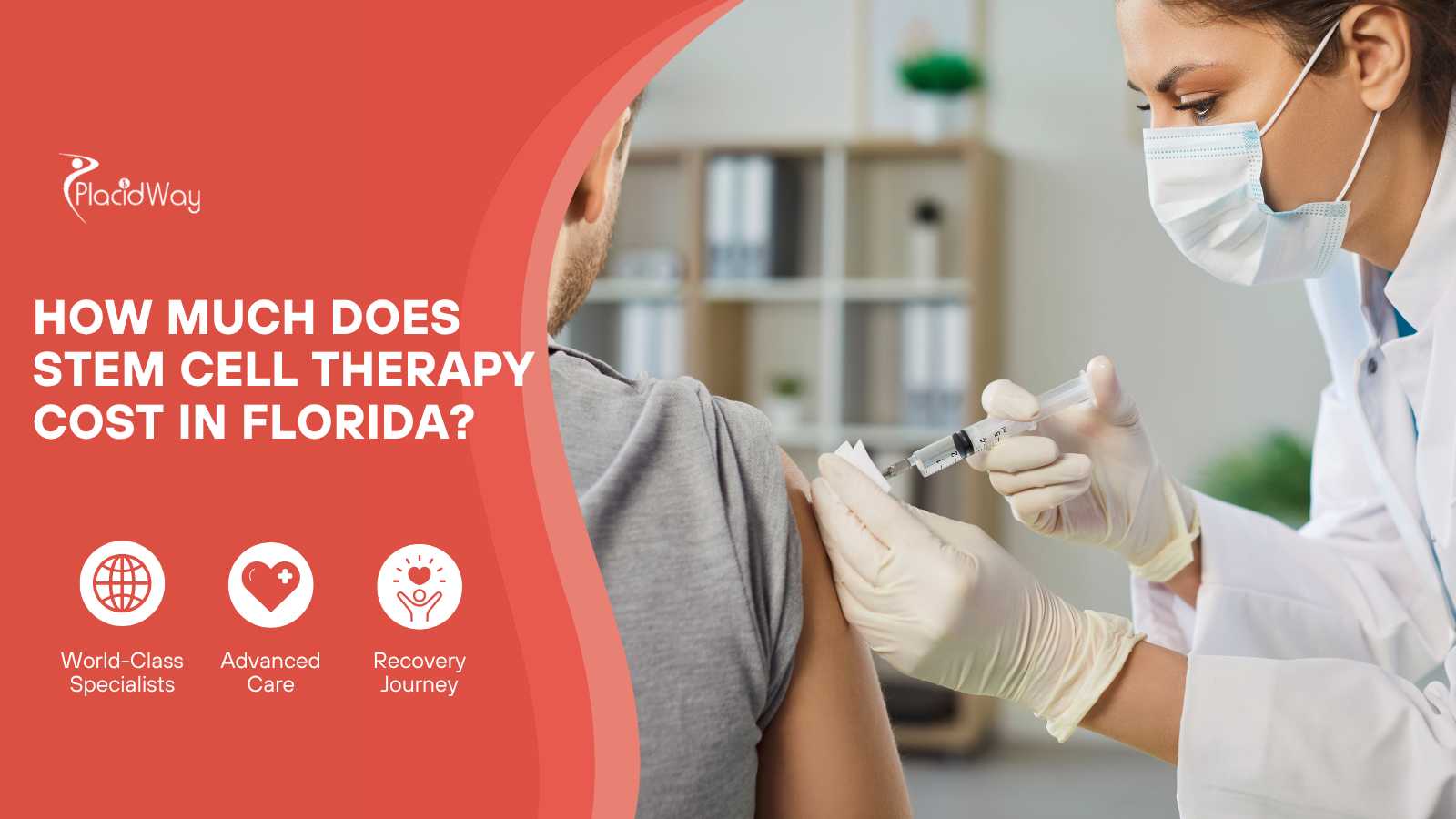
The stem cell therapy cost in Florida typically ranges from $4,000 to $25,000. Localized joint injections average $4,000 to $8,000, while multi-day systemic protocols for complex conditions can exceed $25,000 depending on the cell type.
Key Takeaways
- Treatment pricing fluctuates dramatically based on whether the clinical protocol is a localized injection or a complex systemic intravenous infusion.
- The choice between extracting autologous patient-derived cells and utilizing allogeneic donor tissue heavily influences surgical and laboratory expenses.
- Most standard health insurance carriers view orthopedic regenerative therapies as investigational, requiring patient out-of-pocket funding.
- Comprehensive financial planning must account for preliminary diagnostics, advanced imaging, and mandatory post-procedural rehabilitation.
- Verifying a provider's board certification and the facility's adherence to FDA regulations is a mandatory step for patient safety.
What factors influence the stem cell therapy cost in Florida?
The total clinical expense is dictated by the complexity of the medical diagnosis, the prescribed cellular dosage, and the specific laboratory processing methodologies required.
Understanding the final financial estimate for regenerative care requires a close examination of the individualized medical protocol. A primary driver of the stem cell therapy cost in Florida is the specific clinical approach required to address a patient's physiological challenges. For instance, addressing a localized structural issue like mild osteoarthritis in a single knee involves straightforward intra-articular injections. Because this targets an isolated area and is routinely completed in a rapid outpatient setting, the financial requirements remain on the lower end of the spectrum.
Conversely, attempting to manage progressive neurodegenerative diseases or severe systemic autoimmune disorders demands a vastly more resource-intensive clinical approach. These complex patients typically require intravenous administration to circulate biological materials systemically, demanding substantially higher cell counts to achieve potential therapeutic viability. The extended laboratory processing time required to prepare these higher volumes naturally elevates the baseline price of the treatment program.
Geographic location and facility infrastructure also play a distinct role in determining patient expenses. Clinics operating in highly developed metropolitan areas often feature state-of-the-art surgical suites and premium patient recovery environments. While these factors incrementally increase clinic overhead and subsequent treatment prices, they also provide clinical settings designed to adhere strictly to advanced domestic healthcare standards.
Important Consideration
Patients should persistently request a comprehensive, itemized estimate before committing to any treatment plan. Clarifying precisely which diagnostic tests, laboratory culturing fees, and supportive therapies are included helps prevent unexpected financial burdens mid-treatment.
Does health insurance cover stem cell therapy in Florida?
Standard domestic health insurance networks and Medicare programs generally do not provide financial coverage for orthopedic regenerative procedures, classifying them as investigational.
A prevalent hurdle for individuals exploring a stem cell clinic in Florida is realizing that the procedural costs must almost entirely be funded out-of-pocket. Because major regulatory bodies and traditional insurance carriers continue to classify the vast majority of orthopedic, anti-aging, and autoimmune cellular applications as investigational or experimental, these procedures are explicitly excluded from standard reimbursable healthcare guidelines.
There are rare, highly specific exceptions involving FDA-cleared hematopoietic stem cell transplants utilized for severe hematological malignancies, such as certain leukemias and lymphomas. However, these narrow oncological approvals do not extend to elective outpatient interventions for degenerative joint disease or systemic wellness infusions. Patients planning a medical journey must prepare comprehensive personal financial strategies.
Despite the lack of primary procedural coverage, patients may occasionally find minor financial relief during the clinical preparation phase. Preliminary diagnostics, such as comprehensive metabolic blood panels or initial MRI evaluations requested by a primary care physician, might still fall under traditional health benefits if properly coded for the underlying medical diagnosis, slightly reducing the total required out-of-pocket budget.
How do you safely evaluate a stem cell clinic in Florida?
Evaluating a facility effectively requires verifying the medical director's board certifications, investigating strict laboratory processing standards, and ensuring full compliance with FDA regulations.
Selecting an appropriate provider is the most critical step for anyone considering advanced regenerative treatments. When evaluating a clinical facility, patients must prioritize objective medical credentials over aggressive digital marketing promises. The foundation of this evaluation involves verifying the primary physician's active medical license and confirming their board certification in a specialty directly relevant to the condition being treated, such as orthopedics or neurology.
Furthermore, patients must investigate the regulatory standing of the facility and its affiliated laboratory. Reputable clinics operate strictly under the guidelines established by the FDA. Specifically, they adhere to regulations regarding the minimal manipulation of cellular tissues and homologous use. A clinic that transparently discusses its regulatory compliance demonstrates a commitment to patient safety and ethical cellular sourcing methodologies.
Another vital evaluation metric involves reviewing how the clinic presents expected clinical outcomes. Trustworthy medical professionals never guarantee complete cures or promise absolute, complication-free safety. Instead, they provide transparent, evidence-based assessments of how the therapy may modulate inflammation or potentially alleviate symptoms, ensuring patients establish highly realistic expectations.
Why is medical tourism in Florida popular for regenerative care?
The state attracts patients seeking specialized regenerative care within a familiar domestic healthcare framework while maintaining high clinical standards and robust legal protections.
The concept of medical tourism in Florida presents a unique domestic paradigm. Domestically, the state attracts a massive influx of out-of-state patients seeking highly specialized care within a completely familiar healthcare framework. Choosing a domestic provider allows North American patients to circumvent complex international travel logistics and rely entirely on established U.S. legal and medical liability protections.
Florida hosts a high concentration of specialized orthopedic and anti-aging medical centers. These facilities often invest heavily in cutting-edge diagnostic equipment and specialized delivery mechanisms, such as advanced fluoroscopic imaging. While these clinics must operate within stringent FDA guidelines that restrict certain cellular expansion techniques utilized abroad, they offer highly refined, same-day processing protocols that appeal to patients prioritizing domestic regulatory oversight.
Additionally, the geographic accessibility and robust tourism infrastructure of the state make the recovery process more accommodating. Patients can undergo complex medical consultations and targeted outpatient procedures while recovering in environments designed for comfort, avoiding the language barriers and extended flight times associated with international medical travel.
| Treatment Focus Area | Typical Estimated Range | Primary Procedural Factors |
|---|---|---|
| Orthopedic Single Joint | $4,000 - $8,000 | Targeted injections, moderate cell count, outpatient setting |
| Complex Orthopedic Spine | $8,000 - $15,000 | Fluoroscopic guidance, specialist surgical fees, higher volume |
| Systemic Autoimmune | $15,000 - $25,000 | Intravenous delivery, multi-day monitoring, multidisciplinary care |
| Advanced Neurological | $20,000 - $35,000+ | Specialized delivery pathways, intensive continuous medical supervision |
What conditions are typically treated with regenerative protocols in Florida?
Medical providers frequently administer advanced cellular therapies to potentially assist in managing severe orthopedic joint degeneration, systemic autoimmune disorders, and complex neurological diseases.
- Orthopedic Degeneration: Clinical protocols frequently target osteoarthritis, meniscus tears, and degenerative disc disease, aiming to reduce chronic localized joint inflammation.
- Autoimmune Disorders: Systemic intravenous infusions are occasionally utilized for patients managing rheumatoid arthritis and multiple sclerosis to help modulate hyperactive immune responses.
- Neurological Challenges: Specialized facilities offer supportive cellular therapies for progressive conditions like Parkinson's disease and peripheral neuropathies, focusing on neuroprotection.
- Metabolic Dysfunction: Regenerative therapies are sometimes integrated into comprehensive management plans for severe diabetes complications, specifically targeting vascular health.
- Systemic Wellness: High-concentration protocols are sought by individuals looking to address chronic fatigue syndrome and general age-related cellular deterioration.
Expert Insight
It is vital to recognize that cellular medicine is highly individualized. While one patient may experience significant symptomatic relief, another with an identical diagnosis may exhibit a limited biological response. Comprehensive pre-treatment medical screening is essential to determine realistic candidacy.
How does the cellular source affect the total procedure estimate?
Utilizing your own extracted biological material involves direct surgical extraction fees, whereas applying ethical donor tissue introduces rigorous third-party laboratory screening and processing expenses.
The clinical protocols implemented at any stem cell clinic in Florida are heavily influenced by the origin of the cellular product. Autologous therapies involve harvesting biological cells directly from the patient's own bone marrow or adipose (fat) tissue. While this approach effectively mitigates any potential risk of biological rejection, it fundamentally requires a minor surgical procedure. The patient must therefore cover the costs associated with the surgical suite utilization, the specialized physician's extraction techniques, and the necessary local anesthesia.
Conversely, allogeneic therapies utilize ethically sourced mesenchymal cells, typically derived from donated umbilical cord tissue. This methodology completely bypasses the patient extraction surgery, allowing individuals to simply receive the prepared biological product via targeted injection or intravenous drip. However, this clinical pathway shifts the substantial financial burden directly onto the laboratory infrastructure.
Tissue banks processing allogeneic materials must conduct exhaustive maternal donor screening, perform rigorous communicable disease testing, and utilize highly specialized cryopreservation technologies to ensure maximum cellular viability. Consequently, the final procedural price fluctuates based on whether the patient is financing surgical extraction time or advanced laboratory processing technology.
What hidden fees should patients anticipate before starting treatment?
Beyond the core procedural quote, patients must accurately budget for mandatory preliminary diagnostics, specialized post-procedural rehabilitation services, and logistical travel requirements.
- Advanced Imaging Prerequisites: Updated high-resolution MRI or specialized musculoskeletal ultrasound diagnostics are mandatory to accurately map treatment zones.
- Pre-Operative Diagnostics: Exhaustive metabolic blood panels and communicable disease screening protocols are required for clinical clearance.
- Logistical Travel Requirements: Budgets must account for specialized lodging and local ground transportation if seeking advanced care outside the patient's immediate geographic radius.
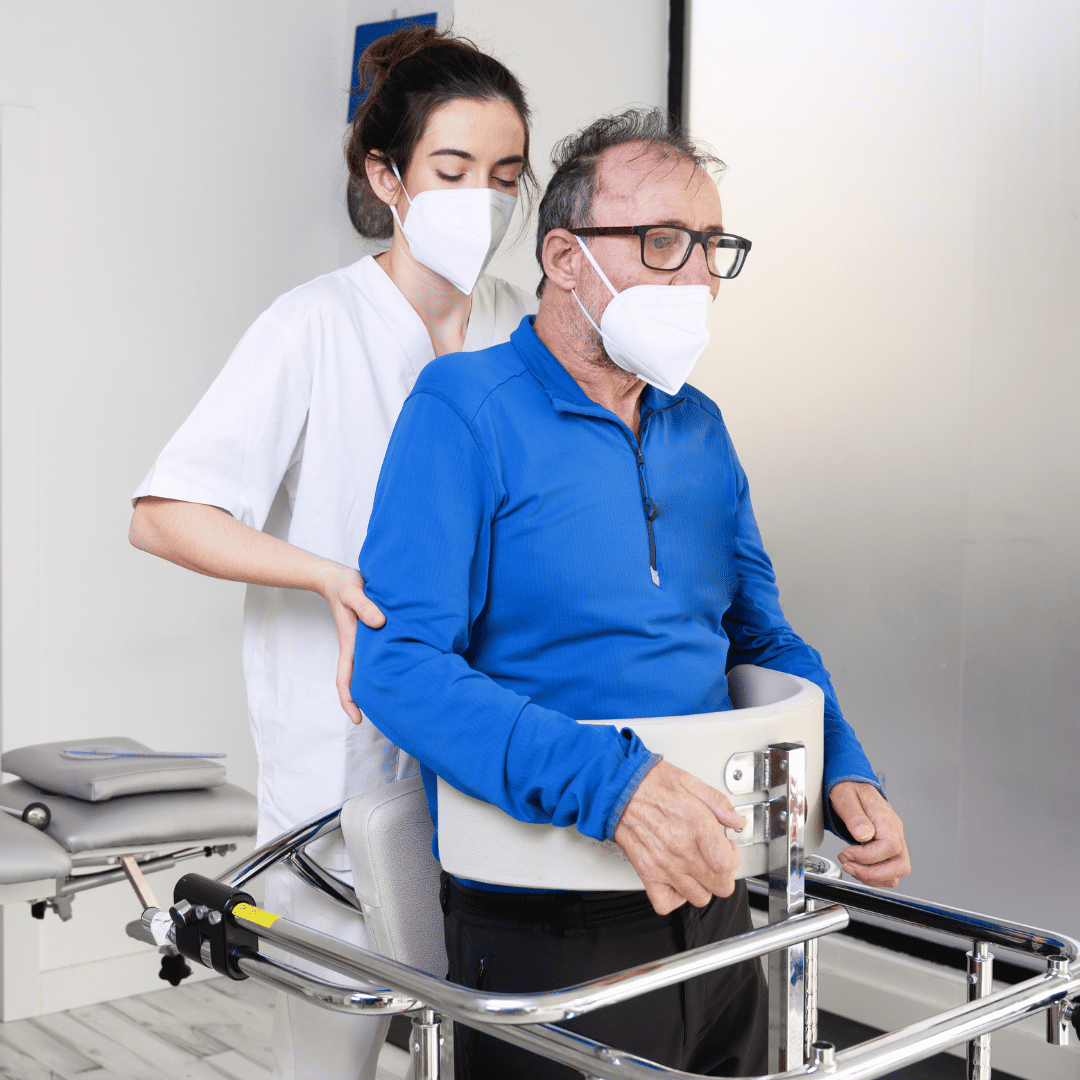
- Biomechanical Rehabilitation: Extended physical therapy programs are frequently prescribed to maximize the procedural outcome and support tissue integration.
- Pharmacological Support: Prescription medications may be necessary for temporary pain management during the initial post-procedural inflammatory phase.
How many sessions are generally necessary for optimal healing results?
The required frequency of treatment varies widely, with localized acute injuries often needing only one targeted session, while progressive chronic conditions demand ongoing management strategies.
Establishing realistic clinical timelines is a vital component when pursuing regenerative medicine. This field does not offer a uniform, singular solution for all pathologies. For patients addressing isolated joint wear or specific sports-related cartilage defects, a single, precisely administered procedure under imaging guidance can frequently initiate a healing cascade that provides sustained symptomatic relief. In these straightforward orthopedic cases, the initial investment covers the entirety of the intended treatment cycle.
Conversely, attempting to manage degenerative neurological disorders or aggressive autoimmune conditions requires a fundamentally different medical approach. Because the patient's body is continuously combating a systemic disease process, a single biological intervention rarely provides lasting resolution. Specialized clinicians often design structured, multi-phase protocols where patients must return for booster infusions or secondary targeted injections over a period of twelve to twenty-four months.
It is imperative for individuals to discuss long-term clinical expectations extensively during their initial medical consultation. Understanding whether the proposed cost represents a definitive one-time procedural intervention or merely the first phase of an extended chronic disease management strategy is crucial for accurate financial planning and avoiding unexpected disruptions in ongoing care.
What are the potential risks and complications of these procedures?
While generally well-tolerated, cellular therapies carry inherent medical risks including infection at the injection site, unexpected immune reactions, and the potential failure to achieve desired symptomatic relief.
- Injection Site Morbidity: Minor complications such as localized bleeding, temporary swelling, or persistent pain at the injection or extraction site can occur.
- Potential for Infection: As with any procedure breaching the skin barrier, there is a risk of introducing bacterial infections into the joint space or bloodstream.
- Immunological Responses: Although rare with properly processed mesenchymal cells, unexpected allergic or mild immune reactions to biological materials or processing agents may happen.
- Variable Clinical Efficacy: The most common "complication" is unproven efficacy, where the patient invests significant capital but fails to achieve meaningful symptomatic improvement.
- Need for Medical Follow-Up: Patients traveling for care must establish continuous local medical follow-up to monitor for delayed adverse reactions once they return home.
Why Choose PlacidWay for your regenerative medicine research?
PlacidWay provides a comprehensive digital platform offering objective clinical data, transparent pricing estimates, and detailed facility credentialing to help patients make highly informed healthcare decisions.
Objective Clinical Comparisons
Evaluate domestic and international healthcare options objectively, allowing you to view specialized facility capabilities and technological infrastructure side-by-side.
Educational Medical Resources
Access extensive educational materials detailing global treatment standards, evolving regulatory frameworks, and complex biological procedural information.
Transparent Cost Structures
Review structured, transparent pricing estimates across multiple destinations before making critical, long-term financial healthcare decisions.
Credential Evaluation Tools
Evaluate the documented credentials, board certifications, and facility accreditations of recognized specialized healthcare providers.
Centralized Research Platform
Utilize a centralized, user-friendly digital platform for all your healthcare research and preliminary clinical communication strategies.
Frequently Asked Questions
Is it legal to receive regenerative cellular treatments in Florida?
Yes, specific regenerative treatments are legal in Florida when performed by licensed medical professionals adhering strictly to FDA guidelines, particularly regarding the minimal manipulation of homologous cellular tissues.
How long is the typical recovery period after local joint injections?
Following a localized orthopedic injection, patients generally experience mild soreness or swelling for two to four days. Physicians typically recommend modifying strenuous physical activities for a few weeks to facilitate optimal tissue integration.
Are umbilical cord-derived cellular products safe to use?
Umbilical cord derivatives can be safe when sourced from FDA-registered tissue banks that enforce rigorous communicable disease screening. However, patients must ensure the facility utilizes highly regulated laboratory processing to minimize any potential immunological risks.
What is the anticipated success rate for orthopedic cellular procedures?
Clinical outcomes vary significantly based on a patient's age, baseline health, and the severity of the joint degeneration. While many patients report substantial pain reduction, outcomes are highly individualized and should never be viewed as a guaranteed cure.
Can I fly immediately after receiving systemic intravenous therapy?
Medical professionals generally advise waiting twenty-four to forty-eight hours before flying following a systemic intravenous infusion. This window allows clinical staff to monitor for rare adverse reactions and ensures patient hemodynamic stability.
Do Florida clinical facilities follow recognized medical guidelines?
Reputable clinics in Florida align their protocols with guidelines established by organizations such as the FDA and the International Society for Stem Cell Research. They maintain sterile environments and employ board-certified medical specialists.
Are medical consultations included in the initial procedural estimate?
Initial specialist consultations are frequently billed entirely separately from the procedural estimate. Patients should request a fully itemized financial breakdown to comprehend which clinical services demand separate out-of-pocket funding.
What specific diagnostic tests are mandatory before beginning treatment?
Before initiating therapy, providers routinely require comprehensive metabolic blood panels, infectious disease screenings, and recent high-resolution musculoskeletal imaging. These diagnostics are critical for accurately determining medical candidacy.
How long does a comprehensive systemic protocol usually take to complete?
Systemic protocols targeting complex autoimmune or progressive neurological conditions generally span three to five days. This extended timeline accommodates gradual intravenous administration and continuous multi-disciplinary medical supervision.
Does a higher procedural price indicate better quality biological materials?
A higher price point does not inherently guarantee superior biological quality or enhanced clinical outcomes. Expenses are largely dictated by facility overhead, geographic location, and specific laboratory methodologies, necessitating thorough facility vetting.
Compare Regenerative Medicine Options Today
Evaluate specialized facility credentials, review transparent pricing structures, and thoroughly research your clinical options through our centralized platform.
Request Treatment InformationReferences
- Important Patient and Consumer Information About Regenerative Medicine Therapies
- Stem Cell Basics – National Institutes of Health
- Bone Marrow Transplant Overview – Mayo Clinic
- Guidelines for Stem Cell Research and Clinical Translation – International Society for Stem Cell Research
- Stem Cell Transplants Process – Cleveland Clinic
- Medical Products of Human Origin – World Health Organization
Medical Disclaimer: The information provided in this guide is for educational purposes only and should not replace professional medical consultation. Costs mentioned are estimates based on available data and vary widely based on individual circumstances. Always consult with a licensed healthcare provider before pursuing regenerative therapies. Verify all provider credentials thoroughly.






















Share this listing