
Reshaping Your Core: What is the Average Cost of a Tummy Tuck in Mexico?

Deciding to undergo an abdominoplasty is a highly personal journey. When exploring a tummy tuck in Mexico, one of the most common questions prospective patients have is which specific technique will best address their concerns. The procedure is not a one-size-fits-all solution. Depending on your body’s unique changes following pregnancy, aging, or significant weight loss, a board-certified plastic surgeon will recommend a specific approach to help you achieve your goals safely.
Key Takeaways
- A mini tummy tuck focuses strictly on the area below the belly button and involves a shorter incision.
- A full tummy tuck addresses the entire abdominal wall, repairs muscle separation, and repositions the belly button.
- Extended tummy tucks are often recommended for individuals who have lost a massive amount of weight and have excess skin extending to the sides or back.
- A thorough consultation with a qualified medical professional is essential to determine the safest surgical path.
- Patients traveling internationally must plan for adequate post-operative recovery time before flying home.
What is a mini tummy tuck and who is an ideal candidate?
The mini abdominoplasty is the least invasive of the tummy tuck variations. The incision is typically placed low on the abdomen, similar to a C-section scar, allowing it to be easily concealed beneath undergarments or swimwear. Because the procedure focuses only on the lower belly, the surgeon usually does not need to detach or reposition the belly button (umbilicus).
This approach is typically suitable for individuals who maintain a stable, healthy weight but struggle with a small "pooch" or minor skin laxity that diet and exercise cannot resolve. It is relatively common for women who have had one pregnancy or a C-section and only need a modest amount of correction.
While the recovery period for a mini tummy tuck may be slightly shorter than that of a full procedure, it still requires anesthesia, downtime, and careful adherence to post-operative instructions. Muscle repair can sometimes be performed during a mini tummy tuck, but it is strictly limited to the lower abdominal muscles.
When is a full tummy tuck typically recommended?
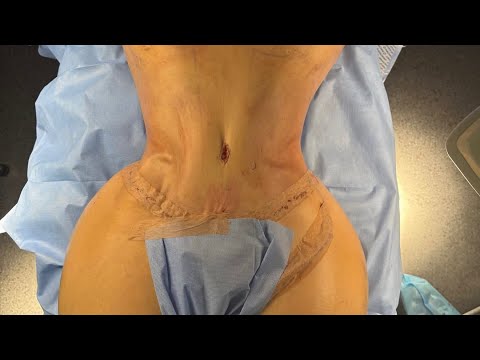
The full tummy tuck is the traditional and most frequently performed abdominoplasty. The surgeon makes an incision that typically runs horizontally from hipbone to hipbone. A second incision is made around the belly button to free it from the surrounding tissue.
During the operation, the surgeon lifts the skin to reveal the underlying abdominal muscles. If these muscles have separated—a common condition known as diastasis recti—the surgeon will suture them back together, effectively tightening the inner abdominal wall. The skin is then pulled downward, excess tissue is excised, and a new opening is created for the belly button before the incisions are closed.
This procedure is well-suited for patients who experience sagging both above and below the navel. A full tummy tuck provides comprehensive contouring of the anterior (front) abdominal area, often restoring a firmer and flatter profile.
How does an extended tummy tuck differ from other options?
For patients who have undergone significant weight loss, such as after bariatric surgery, a traditional tummy tuck may not be sufficient. Massive weight loss often leaves heavy folds of loose skin that extend past the front of the abdomen and onto the hips, flanks, and lower back.
Key differences of an extended tummy tuck include:
- Incision length: The scar typically extends past the hipbones and around to the sides or lower back.
- Tissue removal: It allows for the removal of a much larger volume of skin and fat.
- Flank improvement: The procedure actively contours the waistline and hips, improving the silhouette from multiple angles.
- Recovery: Because a larger surface area is treated, the recovery time is often longer, and patients require careful monitoring for fluid retention and wound healing.
| Type of Tummy Tuck | Incision Placement | Primary Focus Area | Muscle Repair |
|---|---|---|---|
| Mini | Short, low abdomen (bikini line) | Below the belly button | Rarely, or lower only |
| Full | Hipbone to hipbone + around navel | Entire front abdomen | Typically yes (upper & lower) |
| Extended | Wraps around to flanks/lower back | Abdomen, waist, hips, and flanks | Typically yes |
How do I know which type of tummy tuck is right for my body?
While researching online can help you understand the basics, diagnosing your own surgical needs is virtually impossible. A surgeon assesses several physical factors that you cannot measure at home. They will evaluate your skin’s elasticity to see how well it might retract after surgery and measure the extent of your muscle separation.
During a consultation, you should clearly articulate your goals. The surgeon will gently pinch your skin to assess tissue laxity both above and below your navel. If you have significant skin drooping above the belly button, a mini tummy tuck will not yield satisfactory results, as pulling that skin tightly would pull your belly button abnormally low.
Be prepared to discuss your medical history, any previous abdominal surgeries, and whether you plan to have more children. A tailored surgical plan minimizes complications and maximizes the likelihood of a positive cosmetic outcome.
What does a tummy tuck cost in Mexico on average?
The financial aspect is a significant driver for individuals exploring medical tourism in Mexico. While prices are often notably lower compared to the United States or Canada, the final bill depends on multiple variables. A mini tummy tuck will typically sit at the lower end of the pricing spectrum due to reduced operating time, while an extended tummy tuck requires more surgical resources and will cost more.
When reviewing estimates for a procedure, ensure you understand what is included. A comprehensive quote should clearly break down:
- The primary surgeon’s professional fee
- The anesthesiologist's fee
- Operating room and facility charges
- Pre-operative lab work and cardiovascular evaluations
- Post-operative compression garments
- Prescription medications for pain and infection prevention
How should I prepare for a tummy tuck in Mexico?
Preparing for international surgery requires more logistical planning than a local procedure. Medical optimization is your first priority. Your body mass index (BMI) should ideally be under 30 to reduce surgical risks and improve aesthetic outcomes. Weight fluctuations after the procedure can compromise your results.
Nicotine use is strictly contraindicated before and after a tummy tuck. Nicotine constricts blood vessels, severely reducing blood flow to the surgical site. This can lead to delayed wound healing, severe infections, and tissue death (necrosis). Most surgeons require patients to be entirely nicotine-free for at least four to six weeks prior to surgery.
Additionally, you will need to coordinate with a local physician to undergo preoperative tests—such as a complete blood count (CBC), metabolic panel, and electrocardiogram (EKG)—and send those results to your surgical team in Mexico for approval before booking your flights.
Can I combine a tummy tuck with other procedures in Mexico?
Combining procedures can be cost-effective and reduces the need for multiple recovery periods. It is very common to combine an abdominoplasty with liposuction of the flanks or back to achieve a more cohesive contour. Breast augmentation, lifts, or reductions are also frequently performed concurrently.
However, safety must always dictate the surgical plan. Combining surgeries increases the time you spend under general anesthesia, which inherently raises the risk of complications such as deep vein thrombosis (DVT) and excessive blood loss. A responsible surgeon will evaluate your overall health, age, and risk factors to determine if a combined approach is medically appropriate. In some cases, they may recommend staging the procedures months apart for your safety.
What is the typical recovery time before traveling home?
Recovery from an abdominoplasty is a significant process. You will not be able to stand up completely straight for the first week or two, as doing so puts excessive tension on your healing incisions. You will need to sleep on your back with your upper body and knees elevated.
Traveling too soon after surgery poses severe risks. Prolonged sitting in an airplane or car increases the likelihood of developing blood clots in the legs (DVT), which can break loose and travel to the lungs (pulmonary embolism). Therefore, your surgeon will require you to stay locally until your surgical drains are removed and they are confident your early healing phase is progressing without complications.
When you do travel home, you should arrange for wheelchair assistance at the airport, wear prescribed compression socks, stay hydrated, and walk the aisles if cleared by your doctor.
How do I find a qualified tummy tuck clinic in Mexico?
Safety should be your primary concern when pursuing healthcare abroad. Begin by verifying the credentials of the surgeon. In Mexico, reputable plastic surgeons are certified by the Mexican Council of Aesthetic and Reconstructive Plastic Surgery (CMCPER) and are often members of the Mexican Association of Aesthetic and Reconstructive Plastic Surgery (AMCPER). Many also hold international affiliations, such as membership in the International Society of Aesthetic Plastic Surgery (ISAPS) or the American Society of Plastic Surgeons (ASPS).
Equally important is the facility itself. Ensure the clinic or hospital is accredited by the Mexican General Health Council (CSG) or international bodies like the Joint Commission International (JCI). These accreditations indicate that the facility adheres to rigorous standards for hygiene, emergency protocols, and patient care.
Do not hesitate to ask prospective clinics about their complication rates, how they handle surgical emergencies, and what support they offer if you experience complications after returning to your home country.
What are the common risks and medical considerations?
An abdominoplasty is an invasive procedure that alters a large portion of your tissue and blood supply. It is vital to enter the process fully aware of potential complications. While many patients experience smooth recoveries, adverse events can happen even when the procedure is performed by a highly skilled surgeon.
Common risks include:
- Seroma or Hematoma: Fluid or blood can accumulate under the skin, which may require draining.
- Poor Wound Healing: The incision line can heal slowly or partially separate, a risk much higher in smokers and diabetics.
- Asymmetry: The final contour or the placement of the belly button may not be perfectly symmetrical.
- Numbness: Cutting abdominal nerves can lead to temporary or permanent numbness in the lower belly.
- Scarring: Scars are permanent and, in some patients, can become thick (hypertrophic) or raised (keloid).
You must have a clear plan for post-operative care once you return home. Establish a relationship with a local healthcare provider who is aware of your international surgery and can monitor you for late-stage complications or remove sutures if needed.
Why Choose PlacidWay for Medical Tourism in Mexico?
Navigating the global healthcare landscape can be overwhelming. For individuals considering medical treatment abroad, PlacidWay serves as a comprehensive resource to help you research and plan your care.
- Access to Information: PlacidWay provides detailed directories of international clinics, hospitals, and medical professionals.
- Educational Resources: Patients can access articles, guides, and comparative information regarding various medical procedures.
- Facility Transparency: The platform highlights the accreditations, certifications, and specialties of different healthcare facilities.
- Direct Connections: PlacidWay allows patients to request direct consultations and information from multiple international providers to compare their options.
- Global Network: The platform features medical centers from dozens of countries, supporting varied healthcare needs.
Frequently Asked Questions
Is a tummy tuck considered a weight-loss procedure?
No, a tummy tuck is a body contouring procedure, not a weight-loss surgery. It is designed to remove excess skin and tighten muscles after weight loss or pregnancy. Patients should be at or near their ideal body weight before undergoing the procedure.
Will a tummy tuck remove my stretch marks?
A tummy tuck can remove stretch marks that are located on the areas of excess skin being excised, typically below the belly button. Stretch marks outside this area may appear flatter but will not be removed.
How long do the results of an abdominoplasty last?
The results of a tummy tuck can be long-lasting if you maintain a stable weight. Significant weight fluctuations or future pregnancies can stretch the abdominal tissues and alter your surgical results.
Can I get pregnant after having a tummy tuck?
Yes, it is medically possible to get pregnant after a tummy tuck. However, most surgeons advise waiting until you have finished building your family, as pregnancy can stretch the repaired muscles and skin, potentially reversing the benefits of the surgery.
What is the difference between liposuction and a tummy tuck?
Liposuction only removes excess fat deposits and relies on the skin's natural elasticity to retract. A tummy tuck primarily removes loose, sagging skin and tightens the underlying abdominal muscles, though liposuction is often used alongside it.
Do I need medical clearance before traveling to Mexico for surgery?
Yes, thorough medical clearance from your local primary care physician is highly recommended before traveling abroad for surgery. This usually involves blood tests, an EKG, and an assessment of your fitness for general anesthesia.
Are drains always used during tummy tuck recovery?
While many surgeons use small temporary drains to prevent fluid accumulation (seroma) after a tummy tuck, some employ 'drainless' techniques using progressive tension sutures. The approach depends on your specific anatomy and the surgeon's preferred method.
When can I shower after tummy tuck surgery?
Most surgeons clear patients to take a light sponge bath immediately and a brief shower 48 hours after surgery, provided there are no complications. You will typically be instructed not to submerge your incisions in a bath or pool for several weeks.
Can a tummy tuck fix a diastasis recti (muscle separation)?
Yes, a full or extended tummy tuck frequently involves plication, a technique where the surgeon stitches the separated abdominal muscles back together. This helps create a firmer abdominal wall and can improve core stability.
How long will the tummy tuck scar take to fade?
Tummy tuck scars are permanent, but they usually flatten and fade significantly over 12 to 18 months. Following your surgeon's scar care instructions, such as using silicone sheets and avoiding sun exposure, can help optimize healing.
Compare Treatment Options
Gather the information you need to make an educated decision about your healthcare journey. Contact us to learn more about clinic options, procedures, and resources available for medical travelers.
Request Treatment InformationReferences
- American Society of Plastic Surgeons (ASPS) – Tummy Tuck (Abdominoplasty) Overview
- Mayo Clinic – Tummy Tuck: About the Procedure, Risks, and Results
- International Society of Aesthetic Plastic Surgery (ISAPS) – Abdominoplasty
- Cleveland Clinic – Abdominoplasty (Tummy Tuck) Recovery and Details
- Centers for Disease Control and Prevention (CDC) – Medical Tourism Travel Health Guidelines
- National Center for Biotechnology Information (NCBI) – Complications and Safety of Abdominoplasty

























Share this listing