
Step-by-Step Guide to choose Qualified Bariatric Surgeon in Mexico
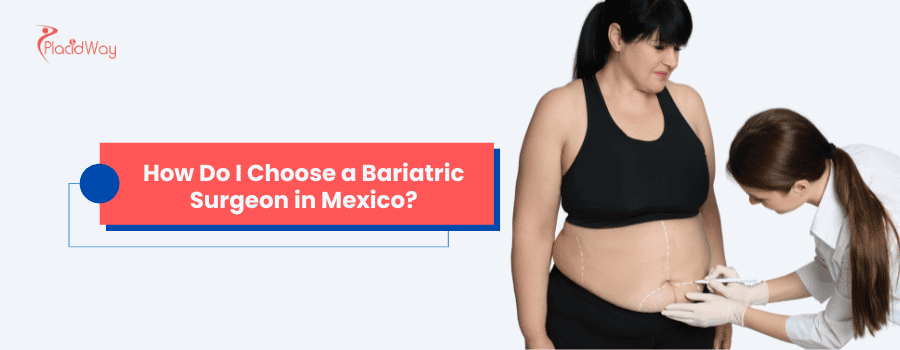
Navigating the options for bariatric surgery in Mexico requires careful research, attention to medical credentials, and a strong understanding of international healthcare standards. Weight loss surgery is a major medical intervention that alters your digestive system and metabolic function. While traveling abroad for this procedure often provides a more accessible financial path for many individuals, prioritizing patient safety, surgical expertise, and comprehensive aftercare is crucial for a healthy outcome.
Finding a qualified provider involves much more than browsing social media profiles or comparing basic pricing packages. You must actively evaluate a surgeon’s specialized training, the capabilities of the medical facility where the operation takes place, and the protocols in place should an unexpected complication arise. This comprehensive guide outlines the vital steps and critical questions you need to ask to make a responsible, informed decision about your healthcare.
Key Takeaways
- Always verify the surgeon’s active credentials with recognized national or international medical boards.
- Select a provider who operates in an accredited hospital equipped with an Intensive Care Unit (ICU) and a blood bank.
- Thoroughly discuss preoperative evaluations, surgical techniques, and precise postoperative care plans.
- Establish a relationship with a local primary care physician at home to manage your long-term follow-up and any potential complications.
- Understand that surgical outcomes and risks vary by individual patient and require personalized medical assessment.
What medical credentials should I look for in a Mexican bariatric surgeon?
Evaluating a surgeon's qualifications is the most fundamental step in your research process. General medical licensure allows a physician to practice medicine, but specialized board certification demonstrates that they have completed rigorous, specific training in complex surgical techniques and have passed comprehensive examinations.
In the context of metabolic surgery, it is important to confirm that the provider actively participates in continuous medical education. Many highly qualified practitioners also hold international memberships, such as affiliations with the American Society for Metabolic and Bariatric Surgery (ASMBS) or the International Federation for the Surgery of Obesity and Metabolic Disorders (IFSO). These memberships indicate a commitment to global standards of care, safety guidelines, and current surgical best practices.
| Credential / Organization | What It Means for Patients |
|---|---|
| CMCOEM Certification | Indicates specialized, recognized training in obesity and metabolic surgery within Mexico. |
| FACS (Fellow of American College of Surgeons) | Shows the surgeon's education, qualifications, and competence meet rigorous international standards. |
| IFSO Membership | Demonstrates integration with global scientific research and metabolic surgical protocols. |
How important is hospital or clinic accreditation?
Where your surgery takes place is just as crucial as who performs it. Not all facilities labeled as a bariatric surgery clinic in Mexico offer the same level of acute care capabilities. Bariatric procedures can occasionally lead to rapid, severe complications such as internal bleeding or anastomotic leaks. To manage these rare but critical events safely, the facility must be equipped with modern infrastructure.
Patients should inquire whether the facility holds domestic accreditation from the Consejo de Salubridad General (CSG), which is Mexico’s equivalent to the Joint Commission in the US. Alternatively, some top-tier hospitals maintain Joint Commission International (JCI) accreditation. Regardless of the specific accrediting body, you should confirm that the hospital features an on-site Intensive Care Unit (ICU), a fully stocked blood bank, and continuous laboratory and radiology services available 24 hours a day.
What questions should I ask during my initial consultation?
The initial consultation is your opportunity to gauge the medical team's transparency, communication skills, and commitment to your safety. Rather than focusing solely on the potential benefits of weight loss, a responsible surgeon will evaluate your full medical history, current medications, and body mass index (BMI) to determine if you are genuinely a suitable candidate.
You should prepare a list of targeted questions to ask the surgeon or their clinical coordinator:
- How many procedures of this specific type do you perform weekly or monthly?
- What is your personal rate of serious complications, such as leaks or severe infections?
- What are the specific contraindications that might make me ineligible for this surgery?
- Who administers the anesthesia, and what are their qualifications?
- What steps are taken to prevent Deep Vein Thrombosis (DVT) during and after the operation?
How does the surgeon's experience affect safety and outcomes?
Experience in bariatric surgery is closely tied to muscle memory, precise technique, and clinical judgment. While every surgery carries inherent risks, peer-reviewed medical literature frequently indicates that high-volume surgeons—those who dedicate their practice primarily to bariatrics rather than general surgery—often have lower rates of perioperative complications.
However, volume should not come at the expense of personalized care. A surgeon operating in a facility that schedules an excessive number of patients per day may suffer from fatigue, which can increase the risk of errors. Discuss the surgeon's daily caseload to ensure you will receive adequate, focused attention during your procedure and throughout the critical early recovery phase.
What are the standard safety protocols for bariatric surgery in Mexico?
Adherence to established medical protocols is what separates safe surgical experiences from dangerous ones. Before you are even cleared for surgery, you should undergo a comprehensive pre-operative panel. This typically includes an electrocardiogram (EKG), chest X-rays, complete blood count, and sometimes an endoscopy to evaluate the health of your stomach and esophagus.
During and immediately after the surgery, protocol dictates specific actions to mitigate major risks. For example, sequential compression devices (SCDs) for your legs and prophylactic blood thinners are commonly used to prevent blood clots. Additionally, most responsible surgeons perform a leak test before you leave the operating room, and again the following day using a specialized contrast dye X-ray, to confirm the integrity of the surgical staple line.
How do I evaluate the pre-op and post-op care provided?
Surgery is only one component of sustainable weight loss; lifestyle modification and nutritional management dictate your long-term health. A trustworthy medical team will require you to follow a strict pre-operative liver-shrinking diet. This step reduces the size of the liver, making the operation safer and technically easier for the surgeon to perform.
Post-operative care should extend far beyond your discharge date. The provider must supply detailed guidelines on hydration, protein intake, and vitamin supplementation to prevent severe malnutrition or dehydration. You should also evaluate how the clinic handles postoperative communication. Ask if they have dedicated nutritionists on staff and how quickly clinical coordinators respond to medical questions once you have traveled back to your home country.
How much does bariatric surgery cost in Mexico, and what is typically included?
Understanding the full scope of your financial responsibility is important when evaluating the bariatric surgery cost in Mexico. Prices often appear significantly lower than in the United States or Canada, primarily due to differing economic structures, lower administrative overhead, and variations in malpractice insurance premiums.
When reviewing a cost estimate, you must carefully read the itemized breakdown. Ensure you understand whether the quoted price covers ground transportation between the airport and the hospital, nutritional consultations, and prescribed medications for your recovery. Most importantly, you must have a clear understanding of what happens financially if an unexpected complication occurs. Standard packages rarely cover extended ICU stays, secondary emergency surgeries, or specialized medical treatments for severe complications.
What should I know about managing complications after returning home?
The reality of cross-border healthcare is that once you fly home, you are no longer in close physical proximity to your operating surgeon. While your surgical team in Mexico may offer telehealth consultations, they cannot physically examine you or perform emergency interventions if you develop a late complication such as a stricture, an ulcer, a delayed leak, or severe dehydration.
Do not wait until an emergency arises to find a local doctor. Some general practitioners or regional bariatric surgeons may be hesitant to take on patients who underwent surgery abroad due to liability concerns or unfamiliarity with the specific operative technique used. Secure a local physician who agrees to manage your routine follow-up bloodwork and who can direct you to an appropriate emergency facility if you experience severe abdominal pain, persistent vomiting, or fever.
How do I find a reliable bariatric surgery clinic in Mexico?
The digital landscape is filled with glossy advertisements and promotional content for medical treatments. To find a truly reliable facility, patients must look beyond marketing materials. Start by checking the official registries of medical councils to ensure the surgeon’s license is valid and unrestricted.
Read independent patient reviews carefully, paying attention to how the clinic handled issues, delays, or postoperative concerns rather than just celebrating weight loss results. It is also beneficial to request a virtual tour of the facility or ask for evidence of their latest health inspections and accreditations. Transparency is key; a reputable clinic will gladly provide documentation regarding their safety records and facility standards.
What role does medical tourism in Mexico play in weight loss surgery?
The infrastructure supporting medical tourism in Mexico has evolved significantly over the past two decades. Major hubs, particularly border cities and large metropolitan areas, have developed healthcare ecosystems specifically designed to cater to international patients. This often involves bilingual medical staff, integrated shuttle services from international airports, and patient coordinators who assist with surgical scheduling.
While this streamlined process makes accessing care highly convenient, it also places the burden of due diligence squarely on the patient. Because medical regulations, legal recourse for malpractice, and hospital standards differ from those in the US or Canada, patients must advocate for themselves. Understanding the local healthcare landscape and prioritizing safety over convenience is the most effective way to navigate medical tourism responsibly.
Why Choose PlacidWay for Medical Tourism?
PlacidWay provides a comprehensive platform to help patients navigate international healthcare options responsibly and transparently.
- Global Medical Network: Access informative profiles on medical providers and hospitals across dozens of countries to compare healthcare environments.
- Transparent Information: Review educational materials, facility details, and provider credentials all in one centralized location.
- Patient-Focused Resources: Utilize tools and articles designed to help you ask the right medical questions before committing to treatment.
- Streamlined Communication: Request consultations and direct information from international providers without initial fees.
- Supportive Guidance: Connect with customer service teams that assist in gathering medical estimates and facility data to inform your healthcare decisions.
Frequently Asked Questions
Are Mexican bariatric surgeons board-certified?
Many surgeons practicing in Mexico hold board certification from the Mexican Council of General Surgery and maintain specialized credentials from organizations like the Mexican College of Surgery for Obesity and Metabolic Diseases (CMCOEM).
Do surgeons and medical staff in Mexico speak English?
In major medical tourism destinations, leading surgeons and their coordinating staff typically speak fluent English to communicate effectively with international patients, though auxiliary hospital staff may have varying levels of proficiency.
What types of weight loss procedures are performed in Mexico?
Surgeons in Mexico perform a variety of metabolic procedures, most commonly including the gastric sleeve, Roux-en-Y gastric bypass, mini-gastric bypass, and complex bariatric revision surgeries.
Can I contact past patients for references?
Reputable surgeons and patient coordinators often provide references or access to patient support groups where you can speak with former patients about their experiences, though privacy laws govern how this information is shared.
How long should I stay in Mexico after weight loss surgery?
Patients are typically advised to remain in the country for 3 to 7 days after discharge, depending on the specific procedure and individual recovery, to allow the surgeon to monitor for early complications before air travel.
What happens if I have a medical emergency after flying home?
If a complication arises after returning home, you should immediately visit your nearest local emergency room. It is vital to establish a relationship with a local primary care physician or bariatric specialist before traveling.
Are medical facilities in Mexico equipped for bariatric emergencies?
Accredited hospitals generally have on-site intensive care units (ICU), specialized bariatric equipment, and blood banks to handle surgical emergencies, whereas smaller outpatient surgical centers may need to transfer patients if severe complications occur.
Does US or Canadian health insurance cover weight loss surgery abroad?
Standard health insurance policies rarely cover planned metabolic procedures performed outside of your home country. Patients traveling abroad usually pay out-of-pocket or utilize specialized medical loans.
Is Tijuana the only option for bariatric surgery in Mexico?
While Tijuana is heavily utilized due to its proximity to the US border, excellent bariatric facilities also exist in other cities such as Monterrey, Guadalajara, Cancun, and Mexico City.
How soon can I safely fly after bariatric surgery?
Flying is usually restricted for at least a few days to a week post-surgery to reduce the risk of deep vein thrombosis (DVT) and pulmonary embolism. Your surgeon will provide specific travel clearance based on your postoperative evaluation.
Explore Your Medical Options
Take the next step in gathering information. Compare facilities, review specialized credentials, and request treatment details to make an informed decision regarding your healthcare journey.
Request Treatment InformationReferences
- Bariatric Surgery Procedures – American Society for Metabolic and Bariatric Surgery (ASMBS)
- Patient Information – International Federation for the Surgery of Obesity and Metabolic Disorders (IFSO)
- Medical Tourism Guidelines – Centers for Disease Control and Prevention (CDC)
- Accredited Organizations Directory – Joint Commission International (JCI)
- Official Certification Directory – Colegio Mexicano de Cirugía para la Obesidad y Enfermedades Metabólicas (CMCOEM)
- Medical Tourism for Bariatric Surgery: A Review of Risks and Outcomes – National Institutes of Health (PubMed)



























Share this listing