
Affordable IVF in Egypt: What to Know Before You Go
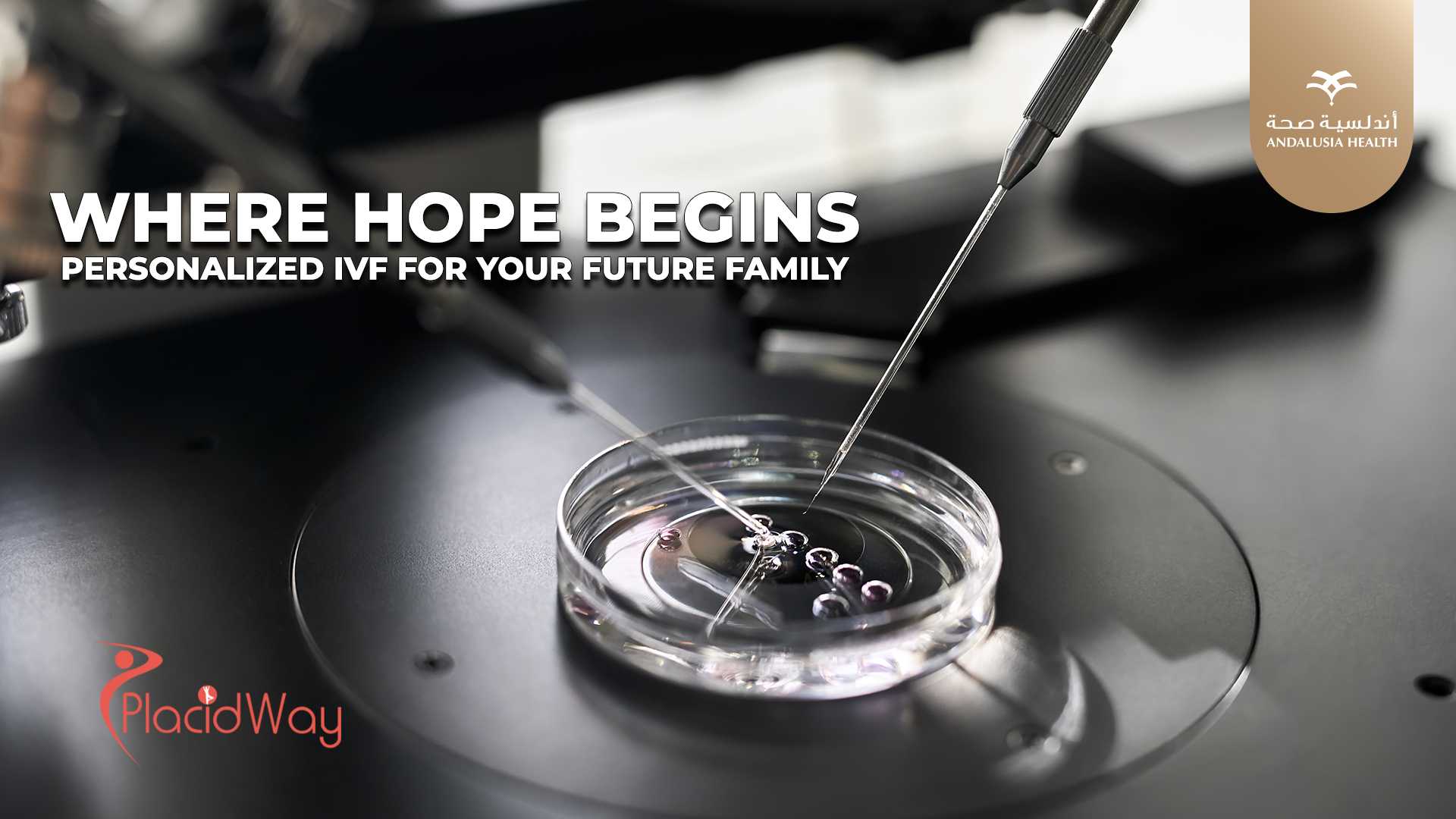
IVF in Egypt offers quality fertility care at significantly lower prices than Western countries, typically ranging from $1,500 to $3,000 per cycle. Clinics provide advanced reproductive technologies for legally married couples following local medical regulations.

Key Takeaways: IVF in Egypt
- Strict Legal Framework: Treatments are restricted exclusively to legally married heterosexual couples due to national and religious regulations.
- Significant Cost Savings: The average base cost ranges between $1,500 and $3,000, offering substantial savings compared to Western pricing.
- No Third-Party Gametes: Third-party reproduction, including egg donation, sperm donation, and surrogacy, is strictly prohibited by law.
- Advanced Technology: Top-tier facilities utilize modern technologies such as ICSI, blastocyst culture, and preimplantation genetic testing (PGT).
- Travel Timeline: Patients should plan for a 3 to 4-week stay to complete a full fresh ovarian stimulation cycle.
Why is Egypt a Popular Destination for IVF?
Egypt provides an appealing combination of internationally board-certified fertility specialists, advanced laboratory infrastructure, and highly affordable treatment options for international patients.
Couples seeking medical tourism in Egypt often find that healthcare providers offer comprehensive fertility evaluations and personalized treatment plans. Many medical professionals have received international training and hold certifications from recognized global medical boards, enabling them to deliver high-quality care.
The availability of state-of-the-art laboratory equipment allows any reputable IVF clinic in Egypt to perform complex procedures like ICSI and preimplantation genetic testing. These technological capabilities closely match those found in North American or European fertility centers, ensuring patients do not compromise on medical standards.
Patients also appreciate the cultural warmth and discreet care provided throughout their fertility journey. The country provides a supportive environment where medical staff prioritize patient privacy and emotional well-being during stressful reproductive treatments.
Many Egyptian fertility centers integrate holistic wellness approaches, including stress management and nutritional counseling, to support optimal reproductive health and improve overall outcome success during treatment.
How Much Does IVF Cost in Egypt?
The estimated IVF cost in Egypt typically ranges between $1,500 and $3,000 per standard cycle, representing a 70% to 80% savings compared to standard expenses in the US or UK.
Understanding the financial breakdown is vital when budgeting for fertility care abroad. While the baseline cost in Egypt is exceptionally accessible, individual protocols influence the final expense.
| Treatment Component | Estimated Cost Range (USD) | What It Typically Includes |
|---|---|---|
| Standard IVF Cycle | $1,500 - $3,000 | Consultations, ultrasounds, egg retrieval, transfer |
| Hormone Medications | $500 - $1,200 | Stimulation injections and luteal support |
| Preimplantation Testing (PGT) | $800 - $2,000 | Embryo biopsy and chromosomal screening |
| Estimated Total Cycle Cost | $2,800 - $6,200 | Comprehensive cycle including medications & testing |
Patients should note that the base price usually covers medical consultations, ultrasound monitoring, surgical egg retrieval, and embryo transfer. However, medication costs require a separate budget because hormone stimulation protocols vary between individuals based on ovarian response.
Advanced techniques such as assisted hatching, blastocyst culture, or comprehensive chromosomal screening will adjust the total financial investment. It remains crucial for prospective parents to request a detailed itemized breakdown before committing to a specific program.
While affordability remains a major draw, patients must also factor in accommodation, transportation, and living expenses during their stay. Proper financial planning ensures a less stressful experience while pursuing IVF in Egypt.
What Are the Legal Restrictions for IVF in Egypt?
Fertility treatments operate under strict national legal and religious frameworks that mandate patients must be legally married. Clinics require official proof of marriage prior to initiating treatment.
Egyptian law and Islamic bioethical guidelines strictly prohibit the use of third-party gametes for reproductive purposes. This means that treatments utilizing donor eggs, donor sperm, or gestational surrogacy remain entirely illegal and unavailable within the country regardless of patient nationality.
Embryo freezing is legally permitted and widely practiced, allowing couples to preserve surplus embryos for future family building. However, these frozen embryos can only be utilized while the marital union remains legally intact. In the event of divorce or the passing of a spouse, the transfer of frozen embryos is prohibited by law.
Gender selection for non-medical reasons faces heavy restrictions and is generally only permitted to prevent the transmission of severe sex-linked genetic disorders. Prospective patients must consult with their chosen IVF clinic in Egypt to understand all specific compliance requirements prior to travel.
What Success Rates Can Patients Expect from an IVF Clinic in Egypt?
Success rates in Egypt align closely with international benchmarks, typically ranging from 30% to 50% per cycle depending on maternal age, diagnosis, and medical history.
Younger patients generally experience higher implantation and live birth rates compared to women over thirty-five. Ovarian reserve, embryo quality, and underlying reproductive health conditions play massive roles in determining individual success metrics, making personalized medical evaluations essential.
Top-tier facilities participating in medical tourism in Egypt often report favorable outcomes due to their stringent laboratory quality controls. Culturing embryos to the blastocyst stage allows embryologists to select the most viable candidates for transfer, thereby improving the chances of successful implantation.
It is vital to maintain realistic expectations and recognize that multiple cycles might be necessary to achieve a successful pregnancy. Honest communication with specialists helps patients understand their unique prognoses and alternative clinical options if initial attempts do not yield the desired results.
What Is the Typical Timeline for IVF in Egypt?
A standard fresh IVF cycle requires international patients to remain in Egypt for approximately 3 to 4 weeks to complete stimulation, retrieval, and transfer.
The clinical process begins on the second or third day of the menstrual cycle with baseline blood tests and pelvic ultrasounds. Patients then undergo 10 to 14 days of daily hormone injections to stimulate multiple follicle development, requiring frequent monitoring visits to the clinic.
Once follicles reach optimal maturity, doctors administer a trigger shot followed by the surgical egg retrieval procedure 36 hours later. The laboratory fertilizes the retrieved eggs and monitors embryo development in specialized incubators for 3 to 5 days before selecting the best embryo for transfer.
Following the embryo transfer, patients typically rest for a few days before being cleared by their physician for international air travel. A blood pregnancy test is usually scheduled two weeks post-transfer, which patients can conveniently complete after returning home.
Patients planning to use frozen embryos for a subsequent cycle can expect a much shorter travel timeline, typically needing only 7 to 10 days in the destination country.
How Does Medical Tourism in Egypt Support IVF Patients?
Medical tourism infrastructure in Egypt provides dedicated international departments, multilingual assistance, and concierge coordination to streamline travel and care.
Many healthcare facilities employ multilingual staff to ensure language barriers do not impede understanding during critical consultations. Translators often accompany patients to clarify complex medical terminology and ensure informed consent forms are thoroughly understood.
Choosing medical tourism in Egypt allows couples to combine their treatment with a relaxing environment conducive to stress reduction. While strenuous tourist activities are heavily discouraged during ovarian stimulation, a peaceful setting positively impacts the emotional experience.
International patient coordinators also assist with obtaining necessary medical records and communicating with primary care physicians back home, ensuring proper continuity of care and post-treatment follow-up.
What Are the Risks and Considerations for IVF in Egypt?
While safe, IVF carries inherent clinical risks such as OHSS and multiple gestations. Proactive emergency planning and emotional support are essential for traveling patients.
Our clinical evaluation highlights five critical risk factors to consider when planning treatment:
- Ovarian Hyperstimulation Syndrome (OHSS): Can occur when ovaries overreact to fertility medications. Reputable clinics minimize this risk through precise ultrasound monitoring.
- Ectopic Pregnancy & Miscarriage: The baseline risk remains present just as with natural conception, requiring vigilant early monitoring.
- Multiple Gestations: Transferring multiple embryos increases the likelihood of twins or triplets, carrying higher maternal and fetal health risks.
- Emergency Planning: International travelers must establish a clear plan for emergency medical care in their home country for delayed complications.
- Emotional & Financial Fatigue: Undergoing care abroad can cause stress. Seeking counseling before and during treatment offers essential coping mechanisms.
How Do I Verify the Credentials of an IVF Clinic in Egypt?
Thoroughly audit facility accreditations, laboratory quality certifications, physician licensing, and age-categorized live birth metrics prior to selection.
Prospective patients should research facility accreditations and verify individual medical licenses. International certifications demonstrate a commitment to global healthcare standards and patient safety.
Patients should request information regarding laboratory standards and quality control protocols. Certifications from recognized medical bodies indicate that the clinic undergoes regular operational audits to maintain sterile hygiene protocols.
Reviewing the educational background of lead endocrinologists and embryologists provides valuable insight. Many top specialists have completed fellowships in Western countries and maintain active memberships in international societies like ESHRE or ASRM.
It is equally important to request transparent statistical data regarding live birth rates specifically categorized by age group. An ethical IVF Clinic in Egypt will readily share verifiable outcome data rather than making exaggerated claims.
Always confirm that the medical facility is officially registered and licensed by the Egyptian Ministry of Health to perform assisted reproductive technologies.
Why Choose PlacidWay for Your IVF Journey in Egypt?
Five Ways PlacidWay Supports Your IVF Journey
PlacidWay provides information and communication tools to help international patients research and compare healthcare options.
Frequently Asked Questions About IVF in Egypt
1. Is ICSI included in the standard IVF cost in Egypt?
Many clinics include Intracytoplasmic Sperm Injection (ICSI) within their base package because it is widely utilized for male factor infertility. However, patients should always request a fully itemized treatment plan to confirm covered laboratory techniques.
2. Can single women undergo IVF in Egypt?
No. Local laws and religious guidelines prohibit single women from undergoing assisted reproductive technologies. Treatment is strictly reserved for legally married heterosexual couples who can provide official marriage documentation.
3. What happens to extra embryos after IVF in Egypt?
Surplus high-quality embryos can be cryopreserved for future use by the couple. These frozen embryos remain legally viable for transfer only as long as the marital union remains legally intact.
4. Are IVF medications easily available during medical tourism in Egypt?
Yes. Specialized pharmacies stock a wide range of internationally recognized hormone stimulation medications. Your chosen clinic will typically coordinate dispensing these prescription drugs during your treatment cycle.
5. How long should I stay for a frozen embryo transfer during IVF in Egypt?
A frozen embryo transfer requires a shorter stay compared to a full cycle, typically lasting around 7 to 10 days. This timeframe covers pre-transfer ultrasound monitoring, thawing, and the transfer procedure.
6. Do clinics offering IVF in Egypt provide preimplantation genetic testing?
Yes. Modern facilities offer comprehensive chromosomal screening (PGT-A) and testing for monogenic disorders (PGT-M). These tests help identify genetically healthy embryos, reducing miscarriage risks.
7. Is egg donation an option for patients seeking IVF in Egypt?
No. The use of third-party gametes, including donor eggs and donor sperm, is strictly prohibited by national law. All treatments must exclusively utilize the biological materials of the legally married husband and wife.
8. What language is spoken by medical staff at an IVF clinic in Egypt?
While Arabic is the national language, most fertility specialists and international coordinators speak fluent English. Dedicated medical translation services are also available for non-English speaking patients.
9. Are there age limits for women undergoing IVF in Egypt?
While there is no strict national legal age cutoff, individual clinics set their own limits based on safety and likelihood of success. Many facilities evaluate patients over forty-five on a case-by-case basis.
10. How do success rates for IVF in Egypt compare globally?
Top accredited centers maintain success metrics that align closely with international averages reported in Europe and North America. Outcomes depend heavily on maternal age, ovarian reserve, and diagnosis.
Ready to Explore Your Fertility Options?
Compare accredited clinics, review detailed treatment plans, and get objective information to make the best choice for your reproductive health.
Request Treatment InformationMedical Disclaimer: This article is for informational purposes only and does not constitute medical advice. Costs and success rates are estimates that vary by clinic, patient age, and medical history. Always consult with a licensed medical professional before making healthcare decisions.
References
- Infertility Fact Sheet – World Health Organization (WHO)
- Practice Committee Documents – American Society for Reproductive Medicine (ASRM)
- Safety and Efficacy of Assisted Reproductive Technologies – NCBI
- Clinical Guidelines for Reproduction – European Society of Human Reproduction and Embryology (ESHRE)




.png)
.png)

















Share this listing