


Comparing Stem Cell Therapy Costs in Mexico and the USA
The estimated stem cell therapy cost in Mexico typically ranges from $3,500 to $10,000 per session. In comparison, similar regenerative procedures in the United States often cost between $8,000 and $25,000, presenting a substantial financial difference for patients paying out of pocket.
Key Takeaways
- Cost differences are largely driven by lower administrative overhead and medical liability expenses south of the border.
- Regulatory frameworks differ significantly, allowing for the legal expansion of cell counts in specific North American regions outside the US.
- Medical travelers must factor in the costs of flights, accommodations, and local transportation when budgeting their care.
- Not all patients are suitable candidates, and thorough pre-procedure medical evaluations are mandatory.
- Patients must verify the credentials and laboratory standards of any chosen facility prior to traveling.
Why Is the Stem Cell Therapy Cost in Mexico Lower Than in the US?
The price variance is primarily attributed to a lower overall cost of living, reduced clinical administrative overhead, and structural differences in medical liability insurance requirements.
When evaluating the stem cell therapy cost in Mexico, it is important to understand the broader economic context of global healthcare. Operating a licensed medical facility in the United States involves high real estate costs, extensive administrative staffing for insurance processing, and substantial malpractice insurance premiums. These overhead expenses are inevitably passed down to the patient, particularly for elective procedures that lack insurance coverage.
Conversely, the infrastructure supporting medical tourism in Mexico benefits from favorable exchange rates and lower operational expenses. Facilities can afford to staff highly trained specialists and utilize imported, internationally recognized laboratory equipment while maintaining a lower price point for the end consumer. This economic efficiency does not automatically imply a reduction in medical material quality, provided the facility adheres to strict national and international guidelines.
Furthermore, the competitive nature of the medical travel industry encourages clinics to bundle services. Many international patient packages include diagnostic testing, the cellular product, physician fees, and sometimes local transfers within a single, transparent price. In the US, these elements are often billed separately by different departments, causing the total out-of-pocket expenditure to accumulate rapidly.
How Do Stem Cell Regulations Differ Between Mexico and the US?
The primary difference lies in cellular expansion laws. The US strictly regulates the culturing of stem cells, whereas Mexican health authorities permit laboratory expansion under regulated biological protocols.
In the United States, the Food and Drug Administration (FDA) classifies cultured or substantially manipulated stem cells as biological drugs. This means that expanding a patients or a donors cells in a laboratory to reach millions of cells requires extensive, multi-year clinical trials before general use is permitted. US clinics are largely restricted to same-day procedures where cells are extracted, minimally processed, and reinjected without multiplication.
Alternatively, a licensed stem cell clinic in Mexico operates under the regulatory framework of COFEPRIS (The Federal Committee for Protection from Sanitary Risks). COFEPRIS guidelines currently allow for the ethical laboratory expansion of mesenchymal stem cells. This enables physicians to administer highly concentrated doses of millions of cells, which some medical professionals believe may offer enhanced systemic anti-inflammatory benefits for specific chronic conditions.
It is vital for patients to understand that while expansion is permitted, it must be performed in tightly controlled, clean-room environments. Patients seeking stem cell therapy in Mexico should independently verify that the clinic utilizes a laboratory certified for Good Manufacturing Practices (GMP) to minimize the risks of cellular contamination during the culturing process.
| Feature | United States | Mexico |
|---|---|---|
| Estimated Cost | $8,000 - $25,000+ | $3,500 - $10,000 |
| Cell Expansion (Culturing) | Heavily restricted by FDA | Permitted under COFEPRIS |
| Primary Cell Source | Autologous (Bone Marrow/Fat) | Allogeneic (Umbilical) & Autologous |
Did You Know?
Many international clinics utilize umbilical cord tissue donated by healthy mothers following scheduled cesarean sections. These tissues are rigorously screened for infectious diseases before any cellular extraction takes place.
What Types of Conditions May Be Treated at a Stem Cell Clinic in Mexico?
Clinics typically focus their protocols on managing orthopedic joint degeneration, modulating systemic autoimmune inflammation, and supporting recovery from certain sports injuries.
Patients frequently seek out a stem cell clinic in Mexico for orthopedic issues, particularly osteoarthritis of the knees, hips, or shoulders. The goal of injecting mesenchymal cells into a damaged joint is to utilize their anti-inflammatory properties to reduce pain and potentially stimulate the body's natural repair mechanisms within the cartilage and surrounding tissues.
Another common focus area involves autoimmune disorders such as rheumatoid arthritis, lupus, or multiple sclerosis. While stem cells cannot cure these complex systemic diseases, physicians use intravenous cellular infusions aiming to modulate an overactive immune system. The intended outcome is a reduction in flare ups and an improvement in the patients daily quality of life.
Furthermore, some facilities offer preventative wellness protocols designed to combat generalized cellular aging and chronic fatigue. It is crucial for patients to have realistic expectations; results vary significantly from person to person, and regenerative therapies should be viewed as a complementary approach rather than a standalone medical cure.
Are Donated Umbilical Cord Stem Cells Regulated in Mexico?
Yes, reputable laboratories processing donated umbilical cord tissues operate under strict governmental guidelines requiring comprehensive infectious disease screening and sterilization protocols.
The safety of allogeneic (donor) cells is a primary concern for any patient exploring medical tourism in Mexico. Authorized tissue banks and laboratories must comply with COFEPRIS regulations, which dictate the ethical sourcing and processing of human biological materials. Donors are subjected to extensive medical history reviews and blood panels testing for diseases such as HIV, Hepatitis B and C, and Syphilis.
Once cleared, the umbilical cord tissue is processed in a sterile environment to isolate the mesenchymal stem cells. These cells are then cultured and cryopreserved until needed for treatment. Before administration, ethical clinics will provide patients with a Certificate of Analysis (COA) from the laboratory, detailing the cell count, viability percentage, and confirmation of negative bacterial and viral testing.
Patients must be vigilant and request to see these laboratory certifications. If a facility cannot produce documented evidence of their tissue screening and processing standards, it is a significant medical red flag, and the patient should seek care elsewhere.
What Should Patients Expect During Stem Cell Therapy in Mexico?
The patient experience involves pre-procedure medical screening, the targeted administration of the cellular product, and a brief observation period to monitor for localized reactions.
Upon arriving for stem cell therapy in Mexico, the first step is an in-depth consultation with the attending physician. This includes reviewing recent medical records, discussing symptoms, and performing on-site blood work or imaging if required. This evaluation confirms the patient remains a suitable candidate for the proposed protocol and helps establish a baseline for post-treatment monitoring.
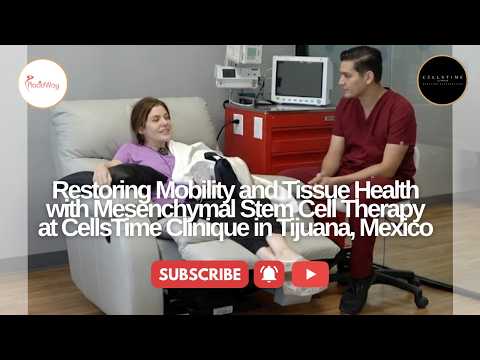
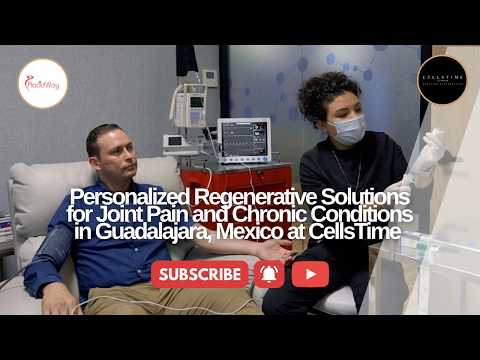
The administration process itself is typically minimally invasive and performed in an outpatient clinic setting. If the protocol involves an intravenous (IV) infusion for systemic issues, the patient relaxes in a clinical suite while the cells are slowly administered over a few hours. For localized orthopedic issues, the physician may use ultrasound guidance to inject the cells precisely into the affected joint space.
Following the procedure, patients are moved to a recovery area for a short observation window. The medical team monitors vital signs and checks the injection sites for any immediate signs of adverse reactions or unexpected swelling before discharging the patient to their hotel for rest.
Expert Insight
Patients are typically advised to refrain from taking anti-inflammatory medications (like Ibuprofen) for a period before and after the procedure. The body requires a natural, mild inflammatory response to signal the stem cells to begin the repair process.
Are There Risks Associated with Traveling for Stem Cell Treatments?
While the procedures have a documented safety profile in regulated settings, risks include injection site infections, travel fatigue, and the complexities of managing delayed complications internationally.
Any invasive medical procedure, including injections, carries a baseline risk of infection, bleeding, or localized pain. Utilizing ethically processed mesenchymal cells rarely triggers severe immune rejection; however, patients may experience mild, transient side effects such as fatigue, low-grade fever, or joint stiffness in the days immediately following the treatment.
The act of traveling itself introduces specific health variables. Long flights shortly after a medical procedure can increase the risk of deep vein thrombosis (blood clots) and elevate systemic stress, which may hinder the initial healing response. Physicians routinely mandate a specific resting period in the destination country before clearing the patient for air travel.
The most significant challenge for medical tourists is continuity of care. If a delayed complication arises or an infection develops weeks after returning home, the treating physician is thousands of miles away. Patients must proactively inform their local primary care doctor about their overseas treatment to ensure emergency support is available locally if needed.
How Can Patients Evaluate a Medical Facility Before Traveling?
Patient safety relies on verifying the physician's professional licensing, ensuring the clinic holds active governmental health permits, and demanding transparency regarding laboratory cell processing.
- Verify Medical Licenses: Confirm that the treating physician holds a valid cédula profesional (medical license) registered with the Mexican government, preferably with verifiable specialty training.
- Check Facility Permits: The clinic must possess a current operating license from COFEPRIS specifically authorizing regenerative or cellular therapies.
- Request Laboratory Documentation: Ask to see the Certificate of Analysis (COA) for the cellular products being used to ensure they meet sterility and viability standards.
- Assess Clinical Transparency: Avoid facilities that use pressure tactics, guarantee miraculous cures, or fail to discuss potential contraindications and risks thoroughly.
- Review Pre-screening Protocols: A reputable clinic will always require a review of recent medical records and imaging before approving a patient for travel and treatment.
What Does the Post-Procedure Recovery Process Involve?
Recovery focuses on immediate rest, proper hydration, strict adherence to medication guidelines, and participating in long-term physical rehabilitation if prescribed.
The initial 48 to 72 hours after receiving therapy require minimal physical exertion. Patients are encouraged to rest in their accommodations, maintain high levels of hydration, and monitor their bodies for any unusual symptoms. While mild swelling at injection sites is normal, severe pain or high fevers must be reported to the clinic immediately.
Following orthopedic injections, physicians usually outline a specific timeline for returning to physical activity. Patients are typically instructed to avoid heavy lifting or high-impact exercises for several weeks to allow the cells to integrate and begin the remodeling process without mechanical disruption.
Long-term success often depends heavily on the patient's lifestyle choices post-treatment. Participating in targeted physical therapy, maintaining a nutrient-dense diet, and avoiding habits like smoking can create a more hospitable biological environment for tissue repair, potentially enhancing the overall efficacy of the procedure.
Important Consideration
International clinics cannot provide hands-on emergency care once you leave the country. Establishing an agreement with a local physician to monitor your long-term recovery is a critical component of safe medical travel.
Why Choose PlacidWay for Exploring Medical Tourism in Mexico?
PlacidWay is an established medical tourism platform designed to help patients navigate global healthcare options by providing access to transparent clinic profiles and educational resources.
- Objective Facility Profiles: PlacidWay offers detailed overviews of international clinics, outlining their specialized treatments and listed medical credentials to aid in patient research.
- Transparent Cost Comparisons: The platform allows users to request customized estimates from multiple providers, facilitating clear financial planning without hidden obligations.
- Direct Provider Communication: Patients can utilize the platform to connect directly with international medical teams, enabling them to ask specific clinical questions before making a decision.
- Focus on Patient Education: PlacidWay provides a wealth of articles and procedure guides designed to explain complex medical treatments and the realities of traveling abroad for care.
- Global Network Access: By aggregating information from various countries and specialties, the platform empowers patients to compare diverse medical tourism destinations objectively.
Frequently Asked Questions
Does US health insurance cover stem cell treatment in Mexico?
Standard United States health insurance plans generally do not cover regenerative medicine procedures performed internationally. Patients traveling abroad for these therapies should expect to pay all medical and travel expenses out of pocket.
How long do patients need to stay in Mexico for therapy?
Most clinical protocols require a stay of four to eight days. This allows sufficient time for preliminary blood testing, physician consultations, the administration procedure, and an initial medical observation period before traveling home.
Can stem cell therapy cure autoimmune diseases?
Regenerative medicine is not a documented cure for autoimmune conditions. It is utilized by physicians as a complementary tool that may help manage systemic inflammation and modulate immune responses in carefully selected candidates.
Is it safe to fly immediately after receiving stem cell injections?
Medical professionals strongly advise against flying immediately. Patients are typically instructed to wait 48 to 72 hours after cellular administration to ensure stability and reduce the risk of travel related deep vein thrombosis.
What is the difference between autologous and allogeneic stem cells?
Autologous cells are harvested from the patients own body usually from fat or bone marrow. Allogeneic cells are ethically sourced from healthy donors typically utilizing umbilical cord tissue donated after full term healthy births.
How are stem cells administered during the procedure?
The route of administration depends entirely on the medical condition being treated. Methods commonly include intravenous infusions for systemic issues or targeted intra articular injections directly into damaged joints for orthopedic cases.
Who is not a suitable candidate for stem cell therapies?
Individuals with active systemic infections, a history of certain cancers, severe bleeding disorders, or women who are pregnant are generally contraindicated. A rigorous medical screening is mandatory before approval.
How long does it take to see potential results from stem cells?
Biological repair is a gradual process. While some patients may notice initial reductions in localized inflammation within a few weeks, structural tissue changes and longer term functional improvements may take three to six months to evaluate.
Do clinics in Mexico provide post treatment medical follow up?
Reputable facilities schedule telemedicine consultations to monitor patient progress over several months. However patients must also establish care with a local primary care physician to manage ongoing health needs upon returning home.
Are mesenchymal stem cells used in these treatments?
Yes mesenchymal stem cells are the primary cells utilized in adult regenerative therapies due to their potential to support tissue repair and reduce inflammation without triggering significant immune rejection responses.
Ready to Explore Your Regenerative Medicine Options?
Discover if you are a suitable candidate and compare transparent pricing estimates for top-tier medical facilities in Bangkok.
Request Treatment InformationDisclaimer: The information provided is for educational purposes only and does not constitute medical advice. Prices are estimates and vary significantly based on individual medical needs, clinical assessments, and facility protocols. Always consult a qualified healthcare provider.
References
- Important Patient and Consumer Information About Regenerative Medicine Therapies
- Stem Cells: What They Are and What They Do – Mayo Clinic
- Patient Guide to Stem Cell Treatments – International Society for Stem Cell Research (ISSCR)
- Mesenchymal Stem Cells: Clinical Applications and Biological Characterization – National Institutes of Health (PubMed)
- Travel Health Information for Mexico – Centers for Disease Control and Prevention (CDC)
- Health products policy and standards – World Health Organization (WHO)
-(8).png)



.png)
.png)


.png)
-(3).png)
.png)









Share this listing