
Save up to 70% on Gastric Bypass in Turkey (vs. UK)

Navigating the financial, physical, and emotional complexities of bariatric surgery requires careful consideration. In recent years, thousands of patients have looked abroad, specifically seeking gastric bypass surgery in Turkey, as an alternative to long NHS waiting lists and high private healthcare costs in the United Kingdom. While the financial savings appear attractive at first glance, undergoing a major anatomical procedure overseas involves a unique set of logistical and medical challenges. This guide provides an objective, detailed look at the costs, safety protocols, preparations, and aftercare commitments required if you are considering this pathway.
Key Takeaways
- Private UK surgery typically costs between £9,500 and £15,000, while estimated Turkish packages range from £3,500 to £5,500.
- Turkish treatment packages frequently include hospital stays, hotel accommodations, and local transfers, but rarely cover flights or complication insurance.
- A gastric bypass is a major, life-altering procedure requiring lifelong commitment to specialized diet and multivitamin supplementation.
- The NHS generally does not cover routine follow-up or nutritional monitoring for private surgeries performed abroad.
- Patients must secure a UK-based general practitioner or private specialist willing to manage their long-term aftercare before traveling.
Why is the cost so different between the UK and Turkey?
When looking at the £9,500 to £15,000 price tag for private bariatric surgery in the UK, it helps to understand what drives those figures. British private healthcare reflects high wages for specialized medical staff, expensive facility leasing, high domestic medical liability insurance, and the overall economic landscape of the country.
Conversely, Turkey benefits from a robust healthcare infrastructure heavily supported by the government to stimulate the economy. The lower local cost of living and favorable exchange rates against the British Pound allow hospitals to offer highly competitive pricing. This economic reality is a driving force behind medical tourism in Turkey.
| Comparison Point | United Kingdom (Private) | Turkey (Estimated) |
|---|---|---|
| Estimated Total Cost | £9,500 – £15,000 | £3,500 – £5,500 |
| Pre-Operative Diagnostics | Usually included | Usually included |
| Accommodation/Transfers | Not applicable | Often bundled into package |
| Long-term Follow-up | Often included (1–2 years) | Remote only; UK tests cost extra |
Note: Costs are estimates and can vary based on individual clinic policies, surgical complexity, and chosen location.
What does a standard Turkish bariatric package include?
To make the logistical process smoother for patients traveling from abroad, many healthcare providers utilize an all-inclusive pricing model. A typical itinerary includes arriving in the city, being transported by a clinic representative to the hospital for blood tests, ECGs, and endoscopy, followed by the surgery itself.
Patients usually spend three to four nights recovering in the hospital under close monitoring before moving to a contracted hotel for a few additional days of rest. It is vital to scrutinize the itemized quote, as flights, medical complication insurance, and post-operative medications to take home are sometimes excluded and represent additional out-of-pocket expenses.
How do I evaluate a gastric bypass surgery clinic in Turkey?
Choosing the right facility goes far beyond looking at modern waiting rooms and marketing materials. You must ensure the hospital has comprehensive emergency care units, including fully equipped Intensive Care Units (ICUs), should a rare but serious complication arise during or after your procedure.
Furthermore, investigate the specific credentials of the surgical team. Surgeons performing weight loss procedures should ideally hold memberships in international organizations such as the International Federation for the Surgery of Obesity and Metabolic Disorders (IFSO). Reputable clinics will openly share their complication rates and provide clear, realistic outcomes rather than guaranteeing success.
Am I physically and medically eligible to travel for this procedure?
- BMI Requirements: Internationally, surgery is generally considered for individuals with a BMI of 40 or higher, or a BMI of 35 or higher with obesity-related co-morbidities (like type 2 diabetes or hypertension).
- Medical History: Patients with severe cardiovascular disease, advanced lung conditions, or a history of severe blood clots may be advised against traveling for surgery due to elevated risks.
- Psychological Readiness: Gastric bypass requires a complete lifestyle overhaul. Candidates must demonstrate the willingness to commit to new, permanent eating habits.
- Pre-Travel Assessment: It is strongly advised to undergo a preliminary evaluation with a local GP in the UK before committing to treatment abroad to ensure you are healthy enough for the journey.
What are the specific risks of flying after gastric bypass?
Any major surgery increases your risk for blood clots, and combining recent surgery with a multi-hour flight back to the UK elevates that risk significantly. A pulmonary embolism—where a blood clot travels to the lungs—is a life-threatening medical emergency.
To mitigate these risks, surgeons typically prescribe blood-thinning injections post-surgery and advise patients to wait at least 7 to 10 days before flying home. During the flight, you will likely be instructed to wear medical-grade compression stockings, stay thoroughly hydrated, and walk up and down the aisle regularly to promote circulation.
How long should I plan to stay in Turkey for my procedure and recovery?
Rushing the return journey is highly discouraged. Early complications, such as anastomotic leaks (where digestive fluids escape from the newly created surgical connections) or internal bleeding, most commonly occur within the first few days following the operation.
Staying in close proximity to your surgical team ensures that if you experience severe pain, fever, or persistent vomiting, you can be immediately assessed and treated by the physicians who performed the procedure. Once your surgeon clears you for travel—often after a final check-up—you can then safely return to the UK.
What happens if I experience complications after returning to the UK?
The NHS will never turn away a patient experiencing a life-threatening emergency, such as a severe internal infection or acute bleeding, regardless of where the initial surgery took place. You should go straight to Accident & Emergency (A&E) if you exhibit dangerous symptoms.
However, the NHS may decline to treat non-urgent complications, cosmetic issues, or routine discomforts stemming from a private procedure performed abroad. In these instances, you might be required to consult a private bariatric specialist in the UK, which can incur significant fees not covered by your initial overseas package.
How is post-operative nutritional care managed?
Unlike restrictive surgeries such as a sleeve gastrectomy, a gastric bypass is also malabsorptive. Bypassing a portion of the small intestine reduces your body's ability to absorb vital nutrients like Vitamin B12, calcium, iron, and folate. Without strict daily adherence to specialized bariatric vitamins, patients risk developing severe anemia, osteoporosis, and neurological issues.
Upon returning to the UK, it is imperative to establish a relationship with a dietitian or GP who can interpret your blood work and adjust your supplementation accordingly. You will likely progress through a phased diet—from clear liquids to purees, and eventually soft foods—over the first two months.
Will the NHS provide routine follow-up care for surgery done abroad?
- Shared Care Agreements: Some empathetic GPs may agree to run your required quarterly or annual blood tests on the NHS, but this is entirely at the discretion of the individual practice.
- Resource Limitations: Due to heavy resource constraints, many NHS trusts explicitly state they will not offer routine dietetic or specialist aftercare to medical tourists.
- Private Aftercare Plans: Many patients who go abroad opt to purchase a private bariatric aftercare package in the UK, which provides access to specialist nurses and dietitians.
- Pre-Travel Planning: Have a frank conversation with your GP before making any deposits to understand exactly what level of local support you can expect upon your return.
What alternatives should I consider before booking surgery abroad?
While the NHS waitlists for bariatric surgery can stretch for years, progressing through the Tier 3 and Tier 4 weight management programs provides invaluable education on nutrition and psychological preparation. If time is a factor but budget is constrained, several private UK clinics offer customized financing plans that spread out the cost of surgery over several years, ensuring you receive local, continuous aftercare.
Additionally, the medical landscape is evolving. Consult with your healthcare provider about newer, injectable weight-loss medications that may provide significant results without the surgical risks and anatomical changes of a gastric bypass.
Why Choose PlacidWay for Medical Tourism?
PlacidWay is a medical tourism resource designed to help patients access global healthcare options.
Connects patients with an extensive network of hospitals and clinics internationally.
Offers detailed profiles containing available credentials, affiliations, and facility accreditations.
Facilitates access to pricing estimates so patients can compare costs across different regions.
Enables users to communicate directly with healthcare providers to ask specific medical questions.
Empowers patients with information to make highly informed decisions regarding their global healthcare.
Frequently Asked Questions
What is the exact difference between a gastric bypass and a sleeve gastrectomy in Turkey?
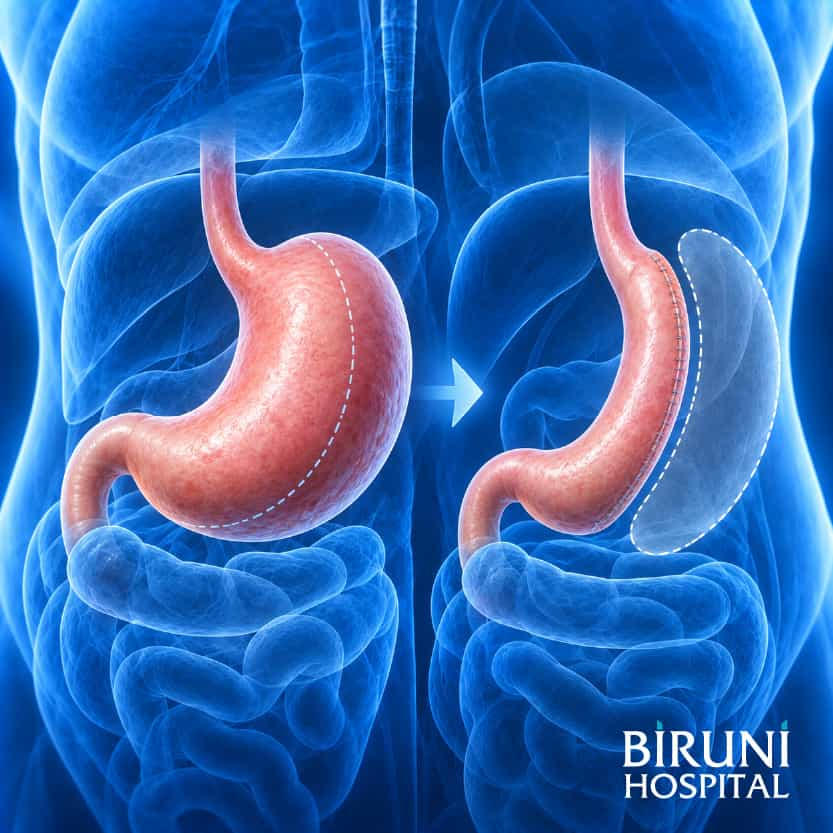
A sleeve gastrectomy involves removing a large portion of the stomach to restrict food intake. A gastric bypass goes a step further by creating a small stomach pouch and rerouting the intestines to both restrict food intake and reduce calorie absorption. Both procedures are commonly performed by bariatric surgeons in Turkey, but your specific medical needs dictate which is most appropriate.
Do I need a visa to travel from the UK to Turkey for medical treatment?
Currently, UK citizens traveling to Turkey for tourism or short-term medical visits of up to 90 days in any 180-day period do not require a visa. However, you should always check the official UK government travel advisory before booking your trip, as entry requirements can change.
Can I bring a companion with me to the hospital in Istanbul or Antalya?
Yes, most medical packages in Turkey allow you to bring a companion. Standard hospital rooms often include a sleeper sofa or extra bed for a guest, and many package deals cover hotel accommodations for two people. It is highly recommended to have a supportive companion during your recovery.
How soon after my gastric bypass can I go back to work?
Return to work timelines depend on the physical demands of your job and your individual healing process. Most patients with desk jobs can return to work within 2 to 3 weeks, while those with strenuous or physically demanding occupations may need 4 to 6 weeks of rest.
Are the surgical instruments and materials used in Turkey the same as in the UK?
Accredited hospitals in Turkey typically use globally recognized, FDA-approved, or CE-marked surgical equipment, staples, and anesthesia monitors, similar to what is used in the UK. When researching facilities, you can ask your prospective clinic for specifics about the medical brands they utilize.
Will I have language barriers with the medical staff?
Facilities catering to international patients usually employ English-speaking surgeons and dedicated patient coordinators or translators. While some nursing staff may have limited English, the translation team is generally available 24/7 to facilitate clear communication regarding your care and medication.
How much weight can I expect to lose after a gastric bypass?
Weight loss results vary significantly from person to person. On average, successful patients may lose 60% to 70% of their excess body weight within the first 12 to 18 months. Achieving and maintaining this loss requires strict adherence to dietary guidelines and lifestyle changes.
Is it safe to undergo anesthesia abroad?
Undergoing general anesthesia always carries inherent risks, regardless of the country. To mitigate these risks, reputable Turkish hospitals employ board-certified anesthesiologists and require extensive pre-operative testing to ensure your heart, lungs, and overall health can safely tolerate the anesthesia.
Are pre-operative tests done in the UK or Turkey?
Most international clinics conduct a full suite of pre-operative diagnostics upon your arrival in Turkey, usually the day before surgery. These typically include blood tests, ECGs, chest X-rays, and endoscopy. However, your UK GP may perform preliminary blood tests before you travel to confirm your baseline suitability.
How often will I need blood tests once I am back in the UK?
Following a gastric bypass, British guidelines typically recommend comprehensive blood tests at 3, 6, and 12 months post-surgery, and then annually for life. This monitoring is vital to catch and treat vitamin deficiencies (like B12, iron, and calcium) early.
Explore Your Global Healthcare Options
If you are considering traveling abroad for medical care, gather all the facts first. Compare treatment options, request detailed estimates, and make an informed choice.
Request Treatment InformationReferences
- Weight loss surgery (bariatric surgery) – National Health Service (NHS)
- Obesity: identification, assessment and management – National Institute for Health and Care Excellence (NICE)
- Bariatric Surgery Procedures – American Society for Metabolic and Bariatric Surgery (ASMBS)
- Medical Tourism: Travel for Medical Care – Centers for Disease Control and Prevention (CDC)
- Patient Information and Guidelines – International Federation for the Surgery of Obesity and Metabolic Disorders (IFSO)
- Foreign travel advice: Turkey – UK Government



























Share this listing